

Industrial concrete floors constantly battle wear, dusting, and high maintenance. A crystal floor hardener for concrete floors presents a powerful solution for enhancing concrete durability. Is this the right investment for your specific industrial facility? This post explores the key advantages and disadvantages, helping you make an informed decision for your concrete surfaces.
Key Takeaways
Crystal floor hardeners make concrete floors stronger. They stop dust and last a long time. This saves money on repairs.
Hardeners work best on new or good concrete. They do not fix cracks. They also do not add colors or designs.
Consider your needs. Think about traffic, dust, and how long you want the floor to last. This helps you decide if a hardener is right for you.
Understanding Crystal Floor Hardener for Concrete Floors
What They Are and How They Work
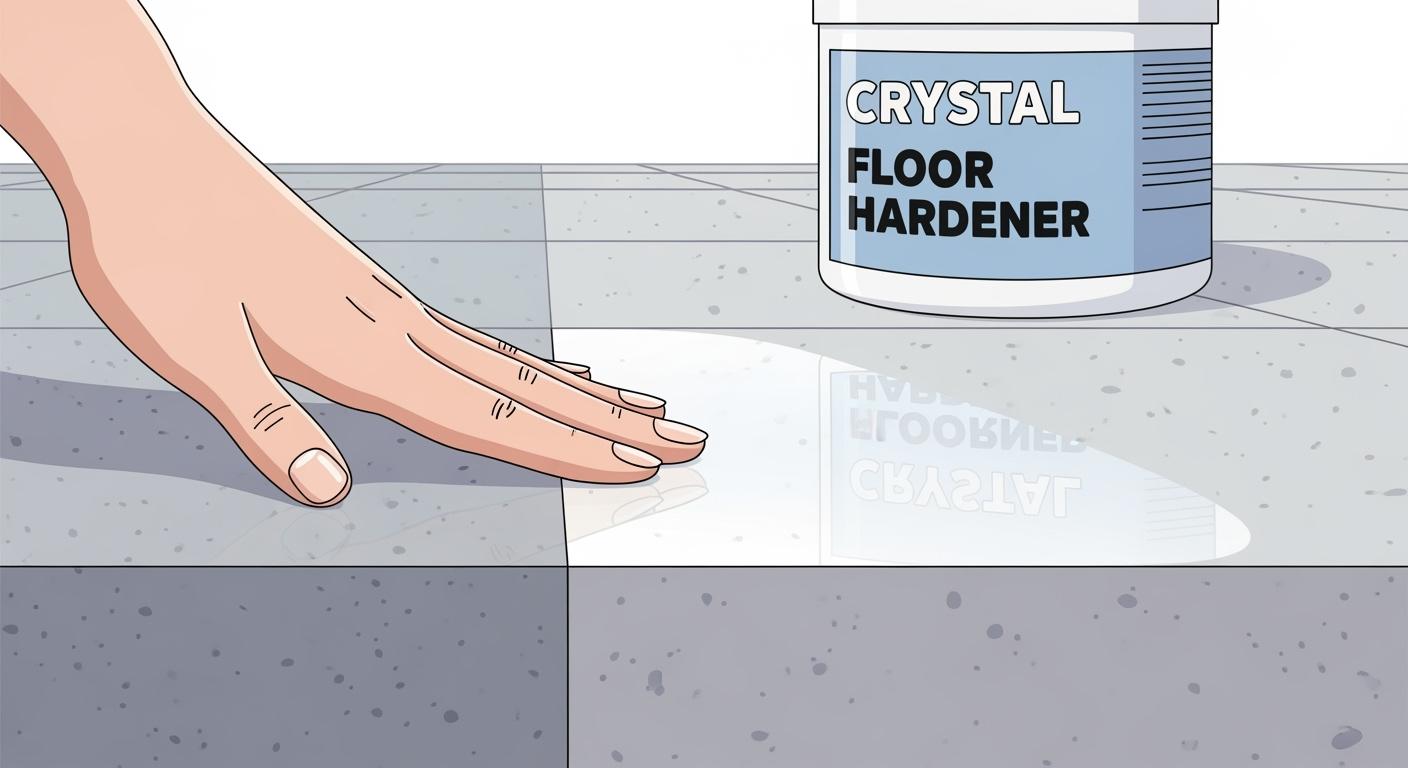
Crystal floor hardeners are specialized liquid solutions, typically silicate-based, that significantly enhance the durability of concrete. These liquid hardeners penetrate the concrete surface, reacting chemically with the calcium hydroxide present in the concrete. This reaction forms dense, crystalline structures within the concrete matrix. These new crystals fill the pores and capillaries, creating a much harder and denser surface. This process effectively transforms the top layer of the concrete, making it more resistant to wear and tear. This concrete treatment is a permanent change to the material itself.
Hardener vs. Coatings and Sealers
Many people confuse crystal floor hardeners with topical coatings or sealers, but they function very differently. Coatings and sealers form a protective layer on top of the surface of the concrete. They can wear away over time, requiring reapplication. In contrast, crystal floor hardeners, also known as concrete densifiers, become an integral part of the concrete. They do not create a film or layer on the surface. Instead, they chemically bond with the concrete, strengthening it from within. This fundamental difference means the treatment offers long-lasting protection that will not peel, flake, or delaminate.
Tip: Crystal floor hardeners chemically alter the concrete itself, providing a permanent enhancement, unlike temporary surface coatings.
Benefits of Crystal Floor Hardeners
Crystal floor hardeners offer numerous significant advantages for industrial concrete floors. They transform ordinary concrete into a high-performance, long-lasting asset. Facilities gain substantial improvements in durability, safety, and operational efficiency.
Enhanced Abrasion Resistance
Crystal floor hardeners dramatically increase the abrasion resistance of concrete. This means the floor withstands constant wear from heavy traffic much better. Forklifts, pallet jacks, and machinery moving across the floor cause less damage. Even continuous foot traffic in busy warehouses or manufacturing plants will not degrade the concrete surface as quickly. This enhanced resistance reduces the need for frequent repairs and extends the floor’s lifespan significantly.
Increased Surface Hardness
The chemical reaction within the concrete creates a much harder surface. This increased hardness makes the floor more resistant to impacts and indentations. Dropped tools or heavy equipment will cause less chipping or pitting. A harder concrete surface also contributes to its overall resilience against daily operational stresses. This improvement ensures the floor maintains its integrity under demanding conditions.
Effective Dust Proofing
One of the most immediate and noticeable benefits is effective dust proofing. Untreated concrete naturally releases fine dust particles as it wears. Crystal floor hardeners fill the microscopic pores within the concrete, preventing this dusting. This leads to cleaner air quality in the facility, which protects sensitive equipment from dust accumulation. It also creates a healthier environment for workers and reduces cleaning costs.
Improved Chemical Resistance
A denser concrete surface also offers improved resistance to chemical penetration. While not a complete barrier, the hardened concrete becomes less porous. This makes it more difficult for oils, greases, and many industrial chemicals to soak into the concrete. Spills are easier to clean up, and the floor suffers less staining and degradation from chemical exposure. This is a crucial benefit for facilities handling various substances.
Long-Term Durability and Low Maintenance
Crystal floor hardeners provide exceptional long-term durability. The treatment permanently strengthens the concrete from within. This means the floor remains robust and functional for many years without needing reapplication, unlike topical coatings. Facilities experience significantly reduced maintenance requirements. They spend less time and money on patching, repairing, or replacing sections of the floor. This translates directly into operational savings.
Cost-Effectiveness Over Time
While an initial investment is necessary, crystal floor hardeners prove highly cost-effective in the long run. The extended lifespan of the concrete, coupled with drastically reduced maintenance and repair costs, offers a strong return on investment. Businesses avoid the recurring expenses associated with less durable flooring options. The advantages of concrete floors, when enhanced with a crystal hardener, become even more pronounced, providing superior value over decades.
Aesthetic Improvement
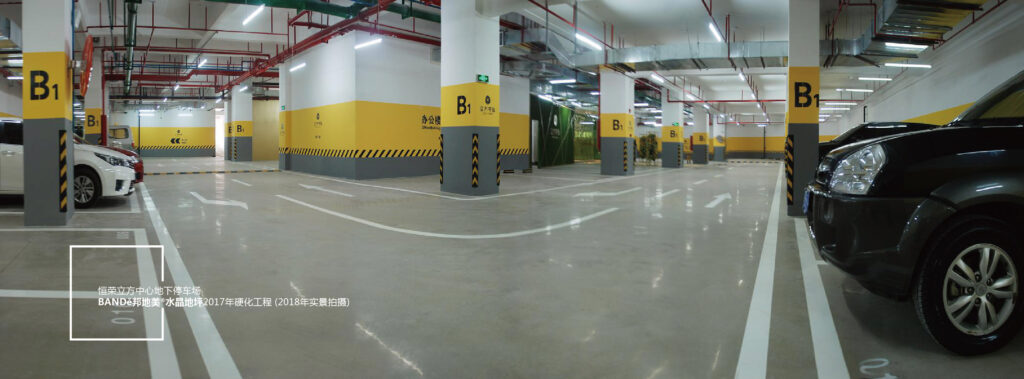
Crystal floor hardeners also offer aesthetic benefits, especially when combined with polishing. The treatment enhances the natural beauty of the concrete. It creates a smooth, reflective surface that brightens the space. For facilities desiring a modern, clean look, polished concrete flooring treated with a hardener provides an attractive and professional appearance. This can improve the overall perception of the facility.
Drawbacks of Crystal Floor Hardeners
While crystal floor hardeners offer significant advantages, facilities must also understand their limitations. These drawbacks help determine if this solution aligns with specific project needs. Considering these points ensures a comprehensive decision.
No Crack Bridging or Repair
A crystal floor hardener for concrete floors strengthens existing concrete. However, it does not repair or bridge cracks. Facilities with existing structural cracks must address these issues before applying a hardener. The hardener enhances the integrity of the sound concrete but cannot fix pre-existing damage. Ignoring cracks before application can lead to continued deterioration in those areas.
Limited Aesthetic Options
Crystal floor hardeners primarily enhance the natural look of concrete. They do not add color, patterns, or intricate designs. The treatment creates a denser, often shinier, concrete surface. Facilities seeking vibrant colors, decorative finishes, or specific aesthetic themes will find these options limited. They must consider other flooring solutions if visual customization is a top priority.
Crucial Surface Preparation
Optimal performance of a hardener depends heavily on proper surface preparation. The concrete surface must be clean, dry, and free from contaminants like grease, oil, or old coatings. Poor preparation prevents the hardener from penetrating effectively. This leads to uneven results and reduced benefits. Facilities must invest time and resources into thorough cleaning and preparation, adding to the initial project effort.
Application Sensitivity
Applying crystal floor hardeners requires skill and experience. Achieving uniform results depends on proper application techniques. Uneven application can lead to blotchy appearances or inconsistent hardening across the concrete. Facilities should hire experienced professionals for this task. Incorrect application can compromise the floor’s overall performance and appearance.
Not a Waterproofing Solution
Crystal floor hardeners densify the concrete, making it less porous. This reduces the concrete’s permeability. However, they do not provide a complete waterproofing barrier. Water can still penetrate the concrete under certain conditions. Facilities requiring full waterproofing must implement additional treatments or membranes. The hardener improves resistance but does not eliminate water intrusion.
Initial Curing Time
The chemical reaction that hardens the concrete takes time to fully develop. Facilities must account for this initial curing period. During this time, the floor may not be ready for full operational traffic. This temporary disruption can impact production schedules. Planning for this curing phase minimizes operational downtime.
Potential for Slippery Surface
Polishing a hardened concrete surface can create a very smooth finish. This smoothness can become slippery, especially when wet. Facilities must consider safety implications, particularly in areas prone to spills or moisture. Incorporating anti-slip additives or treatments becomes necessary if safety is a concern. This ensures a secure walking and working environment.
Ideal Applications for Crystal Floor Hardeners
Crystal floor hardeners offer specific advantages for certain environments. Facilities can maximize their investment by understanding where this solution performs best.
High-Traffic Industrial Environments
A crystal floor hardener for concrete floors excels in areas experiencing constant movement. These solutions are ideal for high-traffic industrial settings. They significantly enhance the concrete’s ability to withstand heavy loads and continuous wear. Consider these hardeners for:
Warehouses
Manufacturing plants
Distribution centers
Aircraft hangars
Automotive service bays
These environments demand a robust concrete surface that resists abrasion and impact.
Facilities Requiring Dust-Free Operations
Dust control is critical in many industries. Crystal floor hardeners effectively dust-proof concrete. They prevent the release of fine particles from the concrete surface. This creates a cleaner, healthier environment. Facilities like food processing plants, hospitals, and schools benefit greatly from reduced airborne dust. This also protects sensitive equipment from dust accumulation.
Areas Needing Enhanced Resistance
Some areas face unique challenges. They require a concrete surface with superior resistance. Crystal floor hardeners provide this enhanced durability. They make the concrete more resilient against:
Heavy machinery operation
Frequent spills
Chemical exposure
This increased resistance ensures the floor maintains its integrity under demanding conditions.
Prioritizing Durability and Low Maintenance
Businesses seeking long-term solutions will find crystal floor hardeners highly appealing. They offer exceptional durability and significantly reduce maintenance needs. The treatment permanently strengthens the concrete. This means less time and money spent on repairs or reapplication. Facilities gain a durable floor that performs reliably for many years.
New or Well-Maintained Concrete Floors
Crystal floor hardeners work best on sound concrete. They are an excellent choice for new concrete installations. They also perform well on existing, well-maintained concrete floors. The hardener enhances the inherent strength of the concrete. It does not repair existing cracks or severe damage. Applying it to a clean, solid surface ensures optimal penetration and maximum benefits.
When Alternatives May Be Better
Desired Significant Aesthetic Changes
Crystal hardeners enhance natural concrete. They do not add color or intricate designs. Facilities desiring specific aesthetic concrete floor finishes should explore other options. These include epoxy coatings or decorative overlays. These alternatives offer a wide range of visual customization. They allow for vibrant colors, patterns, and unique textures. If a facility’s primary goal is a highly decorative floor, a hardener alone will not meet that need.
Floors with Existing Severe Damage
Crystal hardeners strengthen sound concrete. They do not repair existing severe damage. A facility with large cracks, spalling, or structural issues needs repair first. Ignoring these problems makes hardeners less effective. The hardener will not bridge or fix these pre-existing flaws. Other solutions, like full floor replacement or extensive patching, might be more appropriate for severely compromised concrete.
Primary Concern is Complete Waterproofing
Crystal hardeners densify the concrete surface. They do not provide complete waterproofing. When full water protection is essential, facilities should consider specialized materials. These materials offer superior moisture resistance. For example, sealed concrete with premium epoxy or polyurethane coats offers very high moisture resistance. Porcelain and ceramic tiles also provide excellent water resistance. Rubber flooring is another top choice for wet areas. Luxury vinyl flooring (LVT/LVP) offers high water resistance for the surface.
Budget Constraints Prioritizing Upfront Cost
Crystal hardeners require an initial investment. Facilities with strict budget constraints might prioritize the lowest upfront cost. Some alternative concrete floor finishes may appear cheaper initially. However, these often incur higher long-term maintenance expenses. They might require more frequent repairs or reapplication. Consider the total cost of ownership when making decisions. A lower initial price does not always mean greater long-term savings.
The decision for crystal floor hardeners depends on your facility’s operational needs, traffic, and long-term goals. This solution offers significant durability, dust proofing, and reduced maintenance for the concrete surface. However, it has limitations in aesthetics and crack repair. Weigh these pros and cons against your unique concrete surface requirements. This determines if this robust solution offers the best value and performance for your investment, protecting the surface.
FAQ
How long does a crystal floor hardener last?
Crystal floor hardeners offer permanent concrete enhancement. They chemically bond with the concrete, providing long-lasting durability. This eliminates the need for frequent reapplication, saving time and money.
Can I apply a crystal floor hardener myself?
Professional application ensures optimal results. Experienced technicians apply the hardener uniformly, maximizing its benefits. This guarantees proper penetration and a consistent, durable finish for your floor.
Is crystal floor hardener safe for the environment?
Many crystal floor hardeners are water-based and low in VOCs. They offer an environmentally friendly solution for concrete enhancement. This makes them a responsible choice for your facility. Earth emoji
See Also
Liquid Concrete Solutions: Hardener, Sealer, and Densifier for Durable Floors
2025 Guide: Applying Floor Hardener for Extended Concrete Lifespan
Understanding Concrete Floor Hardeners: Their Purpose and Functional Mechanism
2025 Selection Guide: Choosing the Ideal Concrete Floor Hardener
Smart Choices: Floor Hardening’s Benefits and Drawbacks for All Surfaces
