


Epoxy floor paint consists of epoxy resins and hardeners, which create a strong, durable surface. This paint is popular in various settings, including industrial environments like pharmaceutical and food processing sectors, as well as residential spaces such as garages and living areas. Its cost-effective option appeals to many, making it a smart choice for flooring.
Key Takeaways
Epoxy flooring is highly durable and can last 9 to 15 months under heavy industrial use, making it a smart choice for both homes and businesses.
Chemical resistance is a key feature of epoxy flooring, allowing it to withstand spills and harsh substances, which helps maintain a safe and clean environment.
Proper surface preparation is crucial for successful installation; neglecting this step can lead to issues like bubbling and peeling.
Benefits of Epoxy Flooring
High Durability
One of the most significant benefits of epoxy flooring is its high durability. This flooring option can withstand heavy loads, making it ideal for industrial settings. In fact, epoxy flooring has an average lifespan of 9 to 15 months under heavy industrial use, which is impressive compared to other flooring types. Here’s a quick comparison:
Flooring Type | Average Lifespan Under Heavy Industrial Use |
|---|---|
Epoxy | 9 to 15 months |
Odus | At least 10 years |
Polyurethane Concrete | 3 to 5 years |
Epoxy flooring also excels in impact resistance. It can endure heavy machinery and foot traffic without cracking. This resilience protects your investment and reduces the need for frequent repairs. Additionally, epoxy offers excellent abrasion resistance, safeguarding against wear and tear. Unlike traditional concrete, which can become brittle and crack, epoxy maintains its integrity even under extreme conditions.
Chemical Resistance
Another key advantage of epoxy flooring is its chemical resistance. This feature makes it suitable for environments where spills and exposure to harsh substances are common. Whether you work in a warehouse, a laboratory, or a manufacturing facility, epoxy flooring can handle various chemicals without degrading.
You can expect the following benefits from its chemical resistance:
Protection against corrosive substances.
Easy cleanup of spills, which helps maintain a safe working environment.
Reduced risk of damage from cleaning agents and solvents.
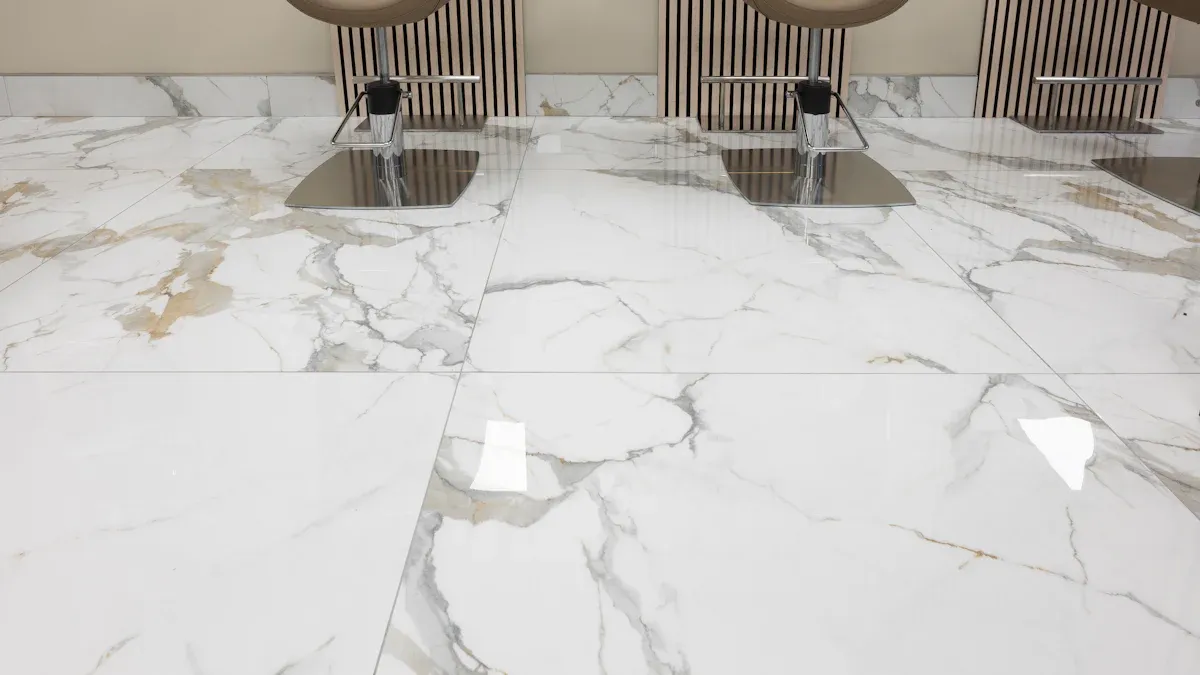
The combination of high durability and chemical resistance makes epoxy flooring a smart choice for both industrial and residential applications. Its ability to withstand harsh conditions while maintaining its appearance adds to its aesthetic appeal. Epoxy flooring is known for its sleek and modern look, enhancing the visual appeal of any space. You can choose from various design options, including glossy finishes and natural stone looks, allowing you to adapt it to your style.
Moreover, maintaining epoxy flooring is straightforward. Regular sweeping and mopping with mild soap keep it looking fresh. Avoiding harsh chemicals ensures its longevity. Here’s a quick maintenance comparison:
Epoxy Flooring Maintenance | Traditional Flooring Maintenance |
|---|---|
Regular sweeping and mopping with mild soap | Varies by material, may require frequent repairs |
Avoid harsh chemicals or abrasive cleaners | More frequent replacements due to wear and tear |
Use soft pads when moving heavy equipment | |
Recoat every few years for shine and durability |
Drawbacks of Epoxy Floor Paint
Installation Challenges
While epoxy floor paint offers numerous benefits, you may encounter several installation challenges. Proper surface preparation is crucial for achieving optimal results. If you neglect this step, you might face issues such as:
Bubbling and blistering due to moisture trapped beneath the epoxy surface.
Peeling and layer separation from inadequate surface preparation.
Poor adhesion caused by applying epoxy on contaminated floors.
High moisture levels can lead to blistering or peeling if you apply epoxy on damp concrete. Additionally, incorrect mixing ratios can compromise the performance of your epoxy coating.
Temperature and humidity also play significant roles in the curing process. Excessive moisture can cause undesirable chemical reactions, leading to gas bubbles and a cloudy appearance in the cured product. To avoid these issues, maintain humidity levels below 50%. Levels above 75% should be strictly avoided. Remember, while the floor may become touch-dry within a few hours, full curing can take 24 to 72 hours or more before it is ready for heavy traffic or machinery use.
“Epoxy application is sensitive to temperature and humidity. It’s important to follow the manufacturer’s guidelines to ensure optimal curing and performance.”
Limited Color Options
Another drawback of epoxy flooring is the limited color options available. While you can find various designs, the choices may not meet everyone’s aesthetic preferences. Many epoxy coatings come in standard colors, which can restrict your ability to customize your space.
If you seek a unique look, you might need to explore additional options, such as decorative flakes or metallic finishes. However, these alternatives can increase the overall cost of your project.
When considering the pros and cons of epoxy paint, weigh the aesthetic limitations against the advantages of durability and chemical resistance. Ultimately, you want a flooring solution that aligns with your vision while providing the necessary functionality.
Types of Epoxy Flooring
Residential Applications
Epoxy flooring for homes has gained popularity due to its versatility and aesthetic appeal. Here are some common applications:
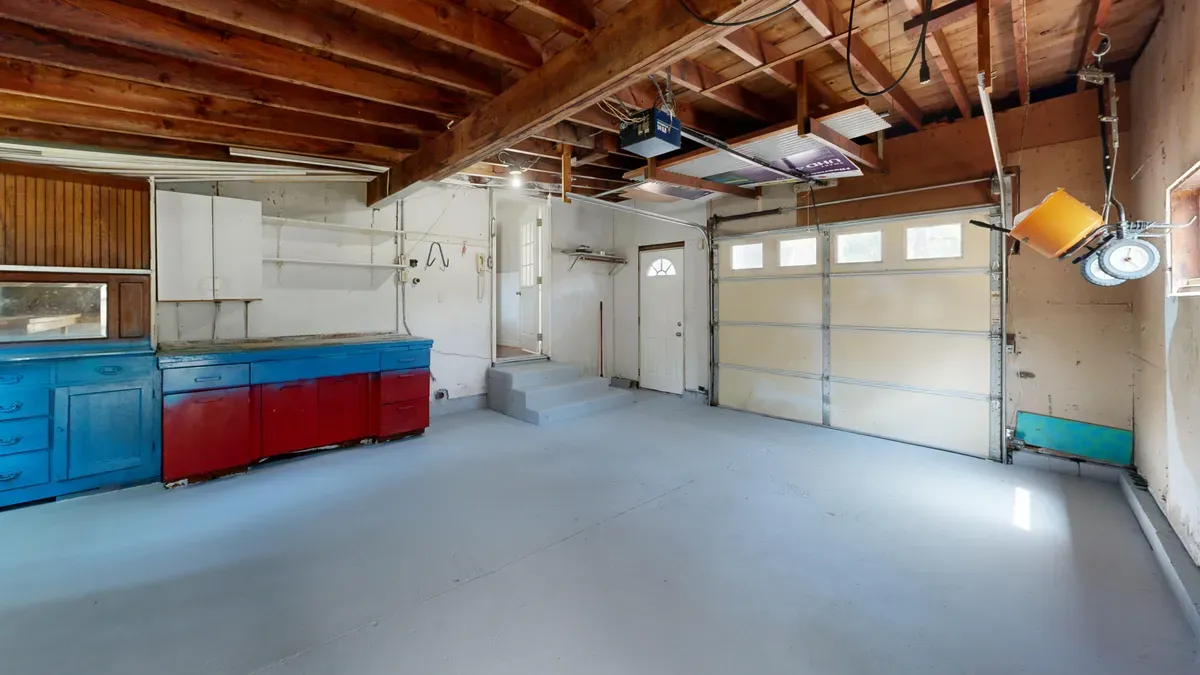
Garage Floors: Epoxy floor paint enhances durability and protects against oil and chemical stains. It also provides a glossy finish, improving the overall appearance.
Basements: Epoxy flooring prevents moisture damage and resists cracks, making it ideal for areas prone to dampness.
Living Areas: You can use epoxy floor coating to create unique designs that elevate your home’s interior. Options like epoxy flake flooring offer decorative choices that add character.
Industrial Applications
In industrial settings, the types of epoxy flooring differ significantly to meet specific needs. Here are some key applications:
Self-Dispersing Epoxy Flooring: This type is highly durable and ideal for heavy traffic areas. It withstands chemical exposure, making it suitable for warehouses and manufacturing plants.
Anti-Static Epoxy Flooring: This flooring reduces static electricity, which is crucial in environments with sensitive electronic equipment. It ensures safety and compliance with industry standards.
Additionally, many epoxy flooring types comply with industrial standards, ensuring they meet safety and performance requirements. This compliance is vital for maintaining a safe working environment and protecting your investment.
Choosing the right epoxy flooring type depends on your specific needs, whether for residential use or industrial applications. Each type offers unique benefits that enhance functionality and aesthetics.
In summary, epoxy floor paint offers significant benefits, including high durability and chemical resistance. These features make it a valuable flooring option for both residential and industrial settings. However, you should also consider installation challenges and limited color options.
When choosing epoxy flooring, think about your specific needs. Evaluate long-term cost savings, such as lower maintenance costs and reduced frequency of replacements. Also, consider environmental factors, like reducing VOC emissions and utilizing bio-based resins.
Remember, quality matters. Focus on proper surface preparation and choose the right epoxy system for your space.
FAQ
What is the average cost of epoxy floor paint installation?
The cost varies based on the area size and type of epoxy. On average, you can expect to pay between $3 to $12 per square foot.
How long does epoxy flooring last?
With proper maintenance, epoxy flooring can last 5 to 10 years in residential settings. In industrial environments, its lifespan depends on traffic and chemical exposure.
Tip: Regular cleaning and avoiding harsh chemicals can extend the lifespan of your epoxy floor.
Can epoxy flooring be applied over existing tiles?
Yes, you can apply epoxy over tiles. However, you must ensure the surface is clean, dry, and properly prepared to achieve strong adhesion and a smooth finish.
See Also
Your 2025 Guide to Acrylic and Epoxy Anti-Slip Coatings
Five Simple Tips for Concrete Hardener in 2025
Best Five BANDě Epoxy Wall Coatings for Indoor Use
