

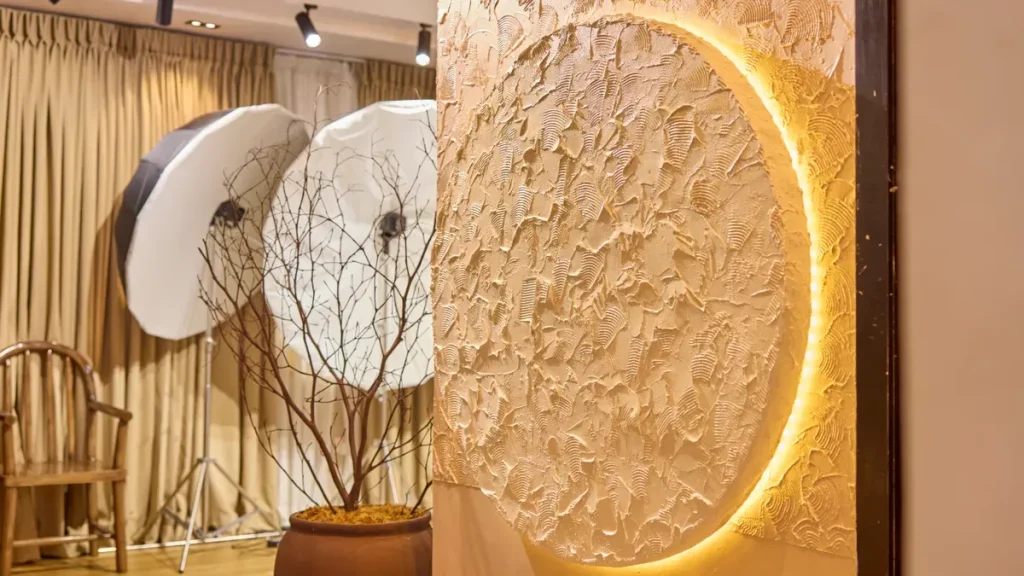
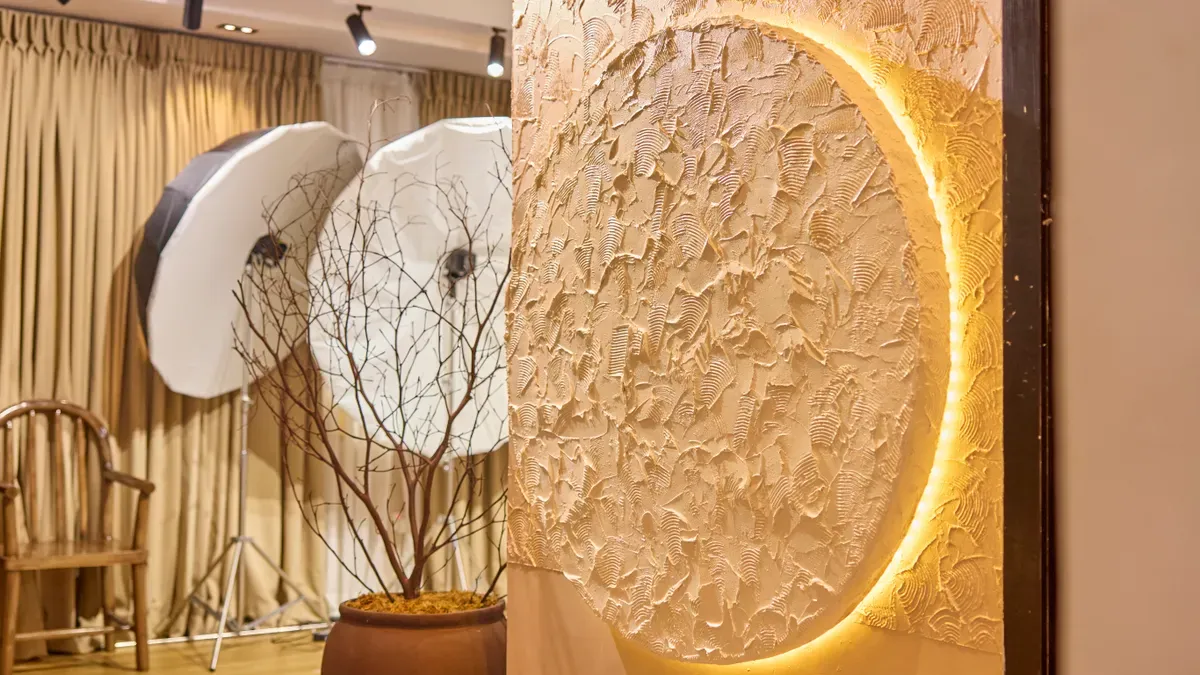
Wholesale decorative wall coatings play a vital role in enhancing the beauty and durability of your spaces. These coatings not only elevate visual appeal but also provide mechanical strength and moisture resistance. With many options available, you can choose coatings that resist stains and scratches, making them perfect for high-traffic areas.
Key Takeaways
Proper wall preparation is crucial. Clean surfaces thoroughly and repair any imperfections to ensure a smooth finish.
Choose high-quality decorative wall coatings. They enhance aesthetics and provide durability, making them worth the investment.
Use the right tools for application. Proper equipment leads to a professional finish and helps avoid common mistakes.
Preparing Your Walls
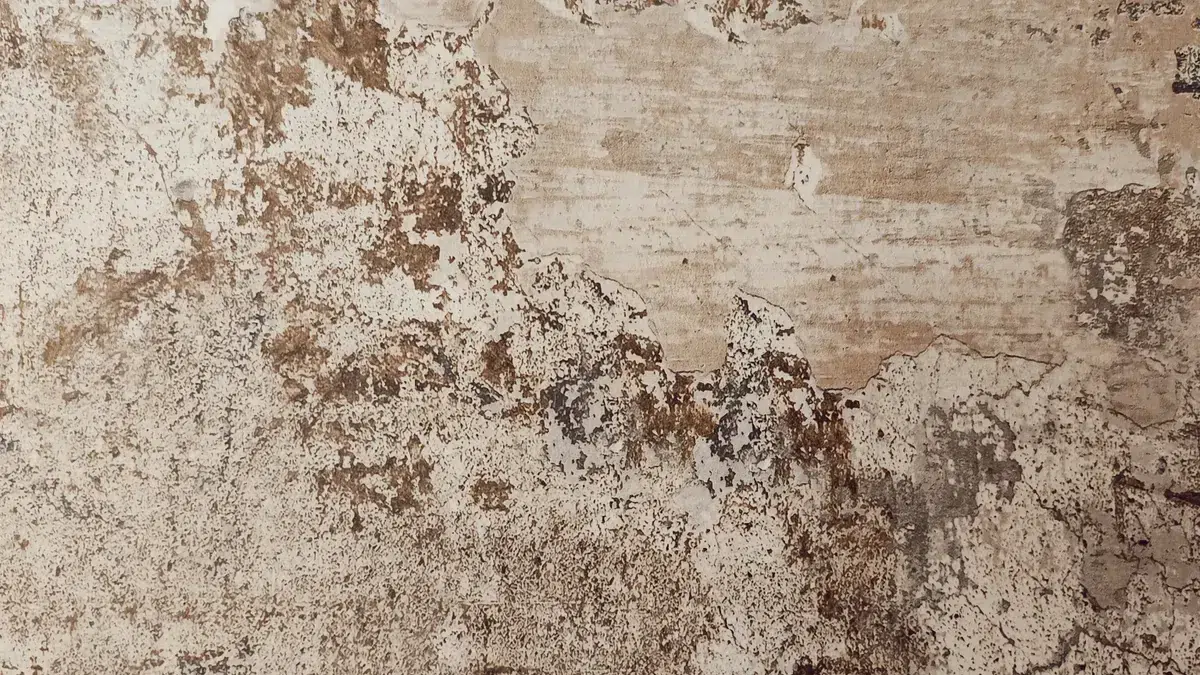
Before applying decorative wall coatings, you must prepare your walls properly. This step is crucial for achieving a smooth and durable finish. Here are some essential tips to help you get started.
Cleaning Techniques
First, you need to clean and treat the wall surface. Dust, dirt, and grease can prevent the coating from adhering properly. Use a mild detergent mixed with water to scrub the walls. For stubborn stains, consider using a mixture of vinegar and water. Rinse thoroughly and allow the surface to dry completely.
Tip: Always wear gloves and a mask when using cleaning solutions to protect yourself from harmful chemicals.
Repairing Imperfections
Next, inspect your walls for imperfections. Common issues include hairline cracks, minor surface cracks, and structural cracks. Each type requires a different repair method. Here’s a quick guide:
Description and Causes | Recommended Repair Method | |
|---|---|---|
Hairline Cracks | Very fine surface cracks, usually under 1 mm wide, caused by drying shrinkage, etc. | Use flexible crack filler or fine skim coat plaster, then prime and seal before repainting. |
Minor Surface Cracks | Wider than hairline cracks, often seen in older plaster surfaces. | Clean out the crack, apply high-quality filler, sand smooth, and prime for adhesion. |
Structural or Active Cracks | Wide, deep, or recurring cracks due to foundation settlement. | Stabilize with fiberglass mesh or structural resin injection, followed by flexible plastering. |
Vertical Corner Cracks | Cracks at corners or junctions due to material movement. | Reinforce with fiberglass mesh tape or corner beads before replastering. |
Floor Cracks | Cracks in concrete slabs or tiles critical for seamless flooring systems. | Fill small cracks with epoxy; larger ones may need cutting or reinforcing with mesh. |
Remember, about 73% of coating failures occur due to poor surface preparation. Taking the time to clean and repair your walls will pay off in the long run.
Selecting Coatings
Choosing the right decorative wall coatings can significantly impact the look and feel of your space. With so many options available, it’s essential to understand the different types of coatings and how to select colors and finishes that suit your style.
Types of Decorative Coatings
You’ll find various decorative wall coatings on the market, each with unique properties and applications. Here’s a quick overview of the main categories:
Examples | |
|---|---|
Product Type | Enamel, Primer, Emulsions, UV Cured Coatings, Varnishes, Others |
Technology | Water-borne, Solvent-borne, Powder Coatings, Others |
Resin Type | Acrylic, Polyurethane, Alkyd, Vinyl, Epoxy, Others |
In residential and commercial settings, some popular types include:
Metallic Enamel: This finish adds a contemporary touch with its light-reflective qualities.
Oxidized Copper: Known for its unique patina, it brings a distinct aesthetic appeal.
Marmara Antique Stencil: Perfect for those who love vintage looks with intricate designs.
Suede – Giraffe Leather Imitation: This option provides a textured, luxurious appearance.
Metal Oxide: Adds an industrial vibe with its raw, earthy tones.
When selecting a coating, consider its adhesion and moisture resistance. High-quality coatings adhere well to various surfaces, ensuring durability and longevity. They also protect against moisture, which is crucial in areas prone to humidity or water exposure.
Color and Finish Selection
Now that you know about the types of coatings, let’s talk about color selection tips. The right color and finish can transform your space. Here are some factors to consider:
The type of finish influences the overall look and feel of the room.
Room lighting affects how colors and finishes appear, especially in spaces with direct sunlight.
Your desired aesthetic effect can guide your choice between faux finishes for elegance and decorative finishes for a dynamic look.
Choosing the right kind of paint can also impact your project’s cost. For instance, decorative wall coatings typically range from $150 to $375 per gallon, while standard paint costs between $50 and $100. Investing in high-quality coatings can enhance both aesthetics and durability, making them worth the extra expense.
By understanding the types of decorative wall coatings and considering these color selection tips, you can create a beautiful and lasting finish for your walls.
Application Tips
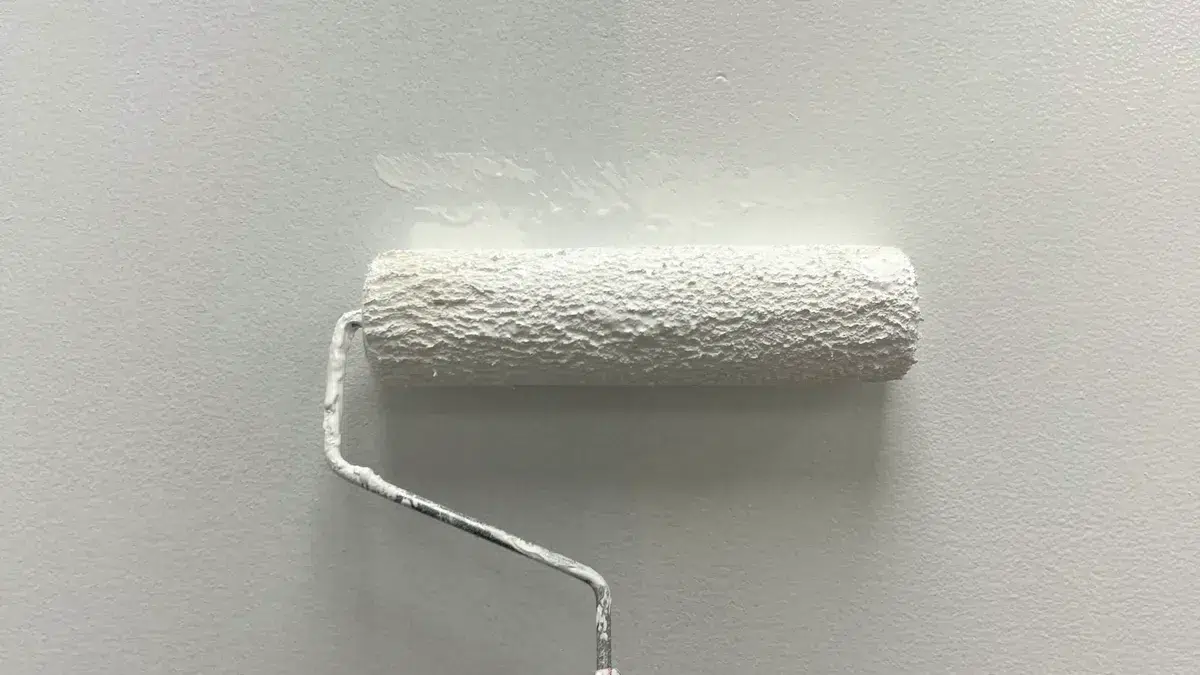
Applying decorative wall coatings can be a rewarding project when you have the right tools and follow a clear process. Here are some practical tips to help you achieve a flawless finish.
Tools for Application
Using the right equipment for painting makes a significant difference in the outcome of your project. Here’s a list of essential tools you should consider:
Short-Pile Roller: Perfect for smooth, even coats on flat surfaces, especially with lower-viscosity resins.
Sponge Roller: This tool prevents excessive resin build-up on delicate surfaces, giving you a subtle finish.
Spatula or Trowel: Great for creating decorative effects, particularly with advanced resins.
Paint Roller: A roller frame with ball bearings and a soft handle is crucial for effective application.
Painter’s Tape: Use this to protect areas from paint and ensure clean lines.
Drop Cloths: Opt for durable canvas drop cloths instead of plastic ones to protect your floors.
Tip: Always test your tools on a small area first to see how they interact with your chosen coating.
Step-by-Step Application Process
Now that you have your tools ready, let’s walk through the step-by-step process for applying decorative wall coatings. Following these steps will help you achieve optimal results:
Plan and Prepare Your Room: Decide on a color scheme and gather all necessary supplies like paint, brushes, and tape.
Prep the Room: Move furniture out of the way, clean surfaces thoroughly, and tape off edges for clean lines.
Start with the Ceiling: Paint the ceiling first to avoid drips on the walls.
Paint the Walls: Use even strokes and maintain a wet edge to prevent lap marks. Remember, proper surface preparation is essential for better adhesion and a smooth finish. Neglecting this can lead to peeling and flaking.
Paint the Trim, Doors, and Windows: Finish with trim work to avoid drips on your freshly painted walls.
Note: Not testing paint samples adequately can lead to disappointment. Always check how the color looks on your wall before committing to a full application.
By following these application tips, you can ensure that your decorative wall coatings not only look great but also last longer. Remember, the right tools and techniques are key to achieving a professional finish.
Finishing Touches
After applying your decorative wall coatings, don’t overlook the importance of sealing and maintenance. These finishing touches can significantly extend the life of your coatings and keep them looking fresh.
Sealing Techniques
Sealing your decorative wall coatings is essential for protecting them from moisture and wear. Here are some effective sealing options you should consider:
Polymer sealants: These provide excellent protection against moisture and wear, ensuring your coatings last longer.
Specialized primers: They bond effectively to aged coatings, enhancing durability and preventing peeling.
Clear coat touch-up: This is useful for spot repairs, helping maintain the integrity of your decorative wall coatings.
Maintenance Tips
Regular maintenance is key to preserving the appearance and durability of your coatings. Here’s a handy table to guide you on how often to reseal based on the area type:
Area Type | Resealing Frequency |
|---|---|
Feature Walls (Low Moisture) | |
Bathroom Walls (Moderate Moisture) | Every 12–18 months |
Showers / Wet Rooms (High Moisture) | Every 6–12 months |
Additionally, consider these maintenance practices to keep your coatings in top shape:
Type of Coating | Function | Benefits |
|---|---|---|
Form a protective film | Allows surfaces to breathe, slowing down rotting processes | |
Bio-based Fire-retardant Treatments | Protects surfaces from fire | Reduces flammability and fire hazard |
Protective Compositions | Guards against bio-damage and insects | Ensures longevity of the coating |
Alkyd Compositions | Ideal for outer surfaces | Deeper penetration into materials, less susceptible to abrasion |
By following these sealing techniques and maintenance tips, you can ensure your decorative wall coatings remain beautiful and functional for years to come.
In summary, applying decorative wall coatings can transform your space. Remember to:
Prepare your walls properly.
Choose the right coatings for durability.
Use the right tools for a smooth finish.
By following these expert tips, you’ll enhance both the aesthetics and longevity of your walls. High-quality coatings not only look great but also stand the test of time. 🌟
FAQ
What surfaces can I apply decorative wall coatings on?
You can apply these coatings on concrete, drywall, plaster, and brick surfaces. Just ensure they are clean and well-prepared.
How long does it take for the coatings to dry?
Drying time varies by product, but most coatings dry within 1 to 4 hours. Always check the manufacturer’s instructions for specifics.
Can I apply decorative coatings myself?
Absolutely! With the right tools and preparation, you can achieve professional-looking results. Just follow the application tips provided in this guide.
See Also
BANDY’s Expert Guide to Beautiful Wall Finishes in 2025
Expert Techniques for Applying Waterproof Coatings Everywhere
A Complete Guide to Selecting Top Concrete Sealers
All-Inclusive Guide to Concrete Densifiers, Hardeners, and Sealers
BANDY’s 2025 Recommendations for Optimal Concrete Primer Selection
