

Durable industrial flooring is vital for UK industrial warehouses. This flooring ensures efficiency and safety. Warehouse flooring faces heavy traffic and abrasion. Floor hardeners enhance this flooring’s performance, extending its lifespan. This guide explores the best floor hardener options for 2025 UK industrial flooring, including BANDě’s expertise in industrial flooring.
Key Takeaways
Floor hardeners make concrete floors stronger. They help floors last longer in busy UK warehouses.
Different hardeners suit different needs. Choose the right one based on how much traffic, chemicals, and time you have for installation.
Good installation and regular cleaning are important. This makes sure your hardened floor works well for many years.
Robust Flooring for UK Warehouses
Understanding Warehouse Demands
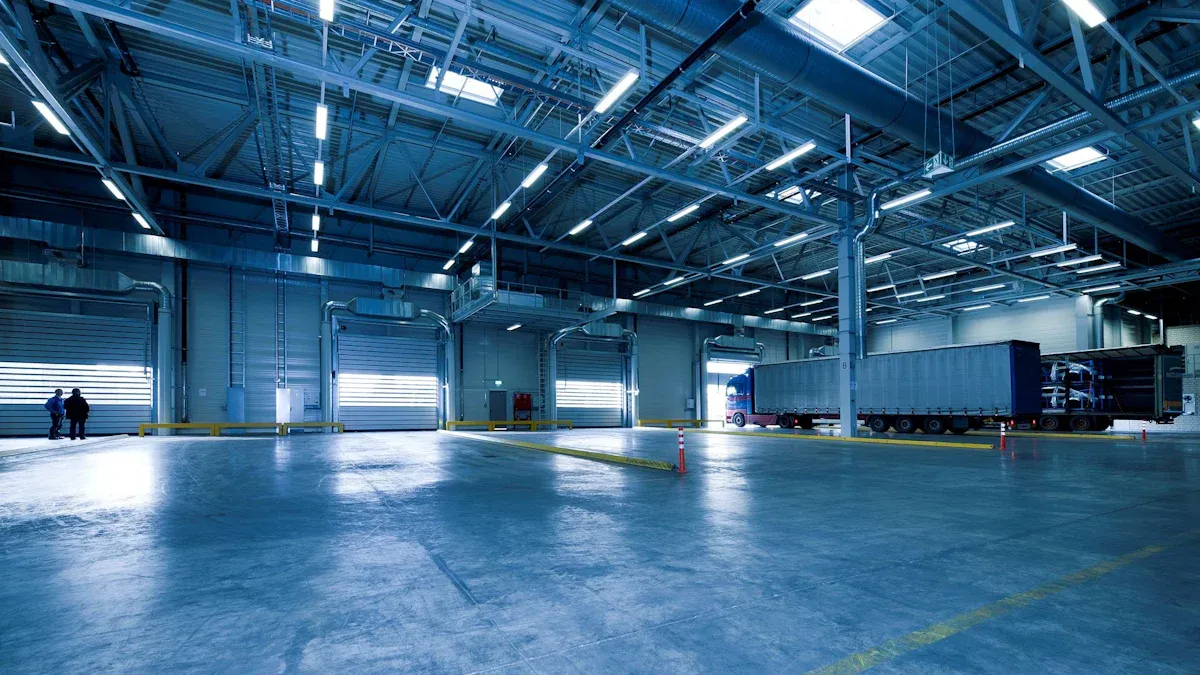
UK warehouses operate under intense pressure. Their floors face significant stress every single day. Heavy machinery, such as forklifts, pallet jacks, and other vehicles, constantly moves across the surface. This creates substantial abrasion. Workers also generate constant foot traffic. Pallets are frequently dragged, and sometimes tools are dropped, causing heavy impacts. All these activities contribute to the rapid wear and tear of industrial flooring.
Beyond physical stress, chemical exposure presents another major challenge. Industrial environments frequently expose flooring systems to harsh chemicals, acids, and solvents. These substances can gradually deteriorate even high-quality resin surfaces. Common examples include oils, various cleaning agents, and other industrial fluids. A truly robust industrial flooring solution must effectively withstand these diverse and demanding conditions.
Economic Impact of Floor Deterioration
Ignoring floor maintenance carries significant economic consequences for any business. Deteriorated flooring creates serious safety hazards for both staff and valuable equipment. Cracks, potholes, and uneven surfaces can easily cause trips and falls. They also inflict damage on forklift wheels and other essential machinery. This leads directly to costly repairs and unavoidable operational downtime. Overall operational efficiency suffers greatly when workers must navigate around damaged areas. Productivity inevitably decreases.
Furthermore, poor flooring significantly increases cleaning and ongoing maintenance costs. Dirt and debris accumulate easily in cracks and imperfections, making thorough cleaning a difficult task. Ultimately, a lack of upfront investment in quality industrial flooring results in much higher long-term expenses. Investing in durable, high-performance flooring from the outset saves money, ensures a safer working environment, and promotes more efficient operations.
What are Floor Hardeners?
Floor hardeners are specialised treatments for concrete flooring. They significantly improve the durability and performance of industrial flooring. Unlike simple surface coatings, these solutions work by chemically or physically altering the concrete itself. They are typically applied to concrete after it has cured, becoming an integral part of the slab.
Benefits for Industrial Floors
Floor hardeners offer numerous advantages for industrial flooring. They function as hardeners and dustproofers through surface application. This process makes the concrete much denser and more resistant to wear. For example, lithium hardeners enhance concrete properties by physically penetrating the surface. This leads to hardening and compaction. This process also facilitates subsequent polishing and crystallisation of the concrete. The primary advantages of floor hardener treatments include increased abrasion resistance, reduced dusting, and enhanced longevity for any industrial setting. This makes them ideal for high-traffic areas.
Hardeners vs. Other Treatments
Floor hardeners differ significantly from simple sealers or paints. Sealers and paints form a protective layer on top of the concrete. This layer can wear away over time. Floor hardeners, however, penetrate into the concrete matrix. They react with the free lime within the concrete. This reaction creates a denser, more robust surface. Concrete protection can also involve silification treatment. This chemical reaction permanently strengthens the concrete from within. This internal strengthening provides superior, long-lasting protection compared to a topical coating. It ensures the industrial flooring remains strong and resilient for many years.
Types of Industrial Floor Hardeners
Chemical Hardeners: Silicates and Densifiers
Chemical hardeners are a popular choice among the various types of floor hardeners. These liquids penetrate concrete surfaces. They react with the concrete’s components. Silicate compounds, such as sodium or potassium silicate, enter the concrete. They chemically react with the calcium hydroxide present there. This reaction creates calcium silicate hydrate (CSH). The new CSH fills the pores within the concrete. This process makes the surface harder and denser. This type of industrial flooring becomes much more resistant to wear and tear. It also reduces dusting, which is crucial for many industrial environments.
Dry Shake Hardeners: Metallic and Non-Metallic
Dry shake hardeners offer another effective solution for industrial flooring. Workers broadcast these powdered materials onto fresh concrete. They then trowel them into the surface. Metallic dry shakes contain iron aggregates. They provide extreme abrasion resistance. This makes them ideal for very heavy-duty industrial applications. Non-metallic dry shakes use quartz or other mineral aggregates. They offer good durability for general industrial and commercial flooring. Both types create a tough, dense surface layer. This significantly extends the life of the flooring.
Polymer Coatings: Epoxy, PU, and MMA
Polymer coatings form a protective layer over existing concrete flooring. These include epoxy, polyurethane (PU), and methyl methacrylate (MMA) systems. Epoxy coatings are very durable and chemical-resistant. They suit many industrial settings. PU coatings offer flexibility and UV stability. They are often used in areas with temperature fluctuations or outdoor exposure. MMA coatings cure very quickly. This minimises downtime for industrial operations. Each type of floor hardener provides specific benefits. They enhance the performance and appearance of industrial flooring.
Top 5 Floor Hardeners for UK Industrial Use in 2025
Choosing the right floor hardener is a crucial decision for any UK warehouse manager. This section explores the top five types of floor hardeners available in 2025. Each offers distinct advantages for various industrial and commercial applications. Understanding these options helps you select the best solution for your specific industrial flooring needs.
Lithium Silicate Hardeners
Lithium silicate hardeners represent a modern advancement in concrete densification. These liquid chemical hardeners penetrate deep into the concrete surface. They react with the free lime, creating a much denser and harder matrix. This process provides superior surface hardness, density, and durability. You will also notice enhanced abrasion resistance, which is vital in busy industrial settings. These hardeners offer improved long-term maintenance, making cleaning easier and reducing dust. They provide a clean, natural finish that will not peel, flake, or yellow over time.
Compared to traditional sodium silicate hardeners, lithium silicates offer faster reaction times and safer handling. Their application is easy, often a one-step process. They provide fast-acting penetration for immediate surface hardening and densification. These hardeners are ideal for burnished concrete, giving it a beautiful, burnishable sheen. They are also economical and concentrated, often dilutable 1:1 with water. Environmentally conscious users appreciate that they are VOC-free, non-toxic, low odour, and non-flammable. They are breathable and UV stable, preventing discolouration or yellowing. This type of floor hardener also helps achieve faster polishing progression by tightening the surface earlier. Many users, like those who applied a two-step penetrating concrete treatment to their garage floor to protect against salt, oil, and grease, and to prevent dusting, believe similar products should be readily available in the UK. This highlights their broad applicability for concrete flooring that has cured for over a month and is clean and dry.
Metallic Dry Shake Hardeners
Metallic dry shake hardeners are renowned for their exceptional toughness. Workers broadcast these powdered materials onto fresh concrete before trowelling them into the surface. They contain specially graded metallic aggregates, typically iron. These aggregates provide extreme abrasion resistance, making them perfect for the most demanding industrial environments. Think heavy machinery traffic, impact zones, and areas with constant wear. Leading manufacturers in this field include BASF, Sika, Ardex, and Mapei. These companies offer robust solutions for heavy-duty industrial flooring. For lighter industrial and commercial applications, non-metallic dry shake hardeners, which use quartz or other mineral aggregates, offer good durability without the same level of extreme impact resistance.
Epoxy Floor Coatings
Epoxy floor coatings are a popular choice for industrial settings due to their outstanding performance characteristics. They form a durable, seamless surface over concrete. A key advantage of floor hardener systems like epoxy is their excellent chemical resistance. They protect against chemical spills, acids, solvents, and other damaging substances that could otherwise penetrate and stain standard concrete floors. Standards like IS 9197:1979 specifically address the chemical resistance and durability of epoxy resins. For example, Sikafloor® MultiDur EB-42 offers very good chemical resistance, alongside good resistance to abrasion and mechanical stress.
Epoxy flooring also meets WHO-GMP requirements for pharmaceutical settings. It provides a smooth, impervious, monolithic surface that resists chemicals and microbes. It can withstand frequent sanitisation without degradation, which is crucial for sterile environments. This makes them ideal for manufacturing plants, food processing facilities, and laboratories. When properly installed and maintained, an epoxy levelling screed floor can last between 10 to 20 years. Resin flooring, including epoxy, offers a service life of 15-20 years when subjected to heavy industrial use. This extended lifespan is a key reason for its suitability in industrial and commercial settings. It resists abrasion, chemicals, thermal shock, and UV degradation.
Polyurethane Floor Coatings
Polyurethane (PU) floor coatings offer distinct benefits, particularly their flexibility and UV stability. Unlike some other resins, such as epoxy, polyurethane retains its colour and structural integrity even when exposed to UV light. This makes them ideal for outdoor applications like car parks and exterior walkways. Polyurethane also possesses inherent flexibility due to its chemical structure. This allows it to absorb impact and resist cracking or warping from extreme temperatures. It copes well with movement and vibration without sacrificing strength. This elasticity provides better resistance to thermal shock and mechanical stress, contributing to a longer-lasting floor with fewer repairs.
Polyurethane coatings are also excellent for areas requiring high moisture resistance or those subject to significant temperature fluctuations, such as cold storage facilities. A 6mm polyurethane screed can last 10–15 years or even longer, even with constant forklift traffic and daily washdowns. A polyurethane flake system, when professionally installed and properly maintained, generally lasts between 10 to 15 years in demanding industrial environments. High-quality polyurethane resin screed flooring in industrial settings typically lasts 15 years or more, even under extreme conditions. Many facilities report excellent performance beyond this 15-year mark, especially when installed by experienced contractors using premium materials.
BANDě Polymer-Modified Hardeners
BANDě polymer-modified hardeners represent a cutting-edge solution for modern industrial flooring challenges. These advanced formulations combine the best properties of various hardener technologies. They offer enhanced durability, superior abrasion resistance, and improved chemical resistance tailored for specific UK industrial environments. BANDě’s expertise allows for custom solutions that address unique operational demands, from heavy manufacturing to logistics hubs. These polymer-modified systems often provide a balance of flexibility and hardness, making them resilient against impact and thermal stress. They are designed for longevity and minimal maintenance, ensuring your industrial flooring remains a high-performing asset for years to come.
Choosing the Right Floor Hardener
Selecting the correct floor hardener is a big decision for any industrial or commercial facility. It ensures your flooring performs well and lasts a long time. People must consider several factors to make the best choice for their specific needs.
Assessing Traffic and Abrasion
Consider the amount and type of traffic your industrial flooring will experience. For areas with extremely heavy loads, metallic floor hardeners are a good recommendation. They offer superior resistance. Non-metallic floor hardeners work well for general industrial environments. Concrete flooring with a floor hardener is ideal for high-impact areas, heavy manufacturing, warehouses, and logistics centres. It withstands heavy machinery and high-impact forces. These hardeners increase durability and resistance to wear and tear. They also enhance the durability of concrete floors by increasing surface density, improving wear resistance, stain resistance, and moisture penetration. Higher compressive strength means less surface damage, making them more resilient.
Chemical Exposure Needs
If your facility handles chemicals, choose a floor hardener that resists them. Polyurethane (PU) offers robust protection against many chemicals, acids, alkalis, and organic acids. Epoxy provides superior protection against oils, fuels, solvents, and various chemicals. Pure epoxy is resistant to strong acids and alkalis. Phenolic epoxy suits aggressive cargoes, including solvents. New low absorption epoxy, like MarineLine 874, handles strong and weak acids.
Installation and Operational Impact
Think about how long installation takes and how it affects your operations. Some floor hardeners, like PMMA (methyl methacrylate) flooring, are known for their rapid curing time. PMMA floors harden within hours of installation. This minimises downtime for your commercial or industrial facility.
Cost-Effectiveness for Commercial Use
Evaluate the long-term cost-effectiveness. A cheaper initial option might cost more in repairs later. A durable floor hardener reduces maintenance and replacement costs over time. This makes it a smart investment for any commercial space.
UK Regulations and Safety
Always consider UK regulations and safety standards. HSE Workplace Regulations 1992 state that floors must be suitable, in good condition, and free from hazards. Regulation 12 requires them to be even, stable, and provide adequate grip. UK Building Regulations (Approved Document A and B) cover load capacity and fire safety. The HSE recommends a Pendulum Test Value (PTV) of at least 36 for slip resistance. BS 8204 and BS EN 1992 provide standards for concrete slabs and structural design. Employers must also ensure clear floor markings for pedestrian segregation, as per HSE guidance on traffic management.
Installation and Maintenance for Longevity
Achieving a long-lasting, high-performance floor requires more than just choosing the right hardener. Proper installation and diligent maintenance are equally important. These steps ensure your investment in industrial flooring truly pays off.
Substrate Preparation
Before applying any floor hardener, thorough substrate preparation is essential. The concrete surface must be clean, dry, and free from contaminants like oil, grease, or old coatings. Professionals often use grinding, shot blasting, or scarifying to create a suitable profile. This process ensures the hardener properly penetrates and bonds with the concrete, forming a strong, durable flooring. Without proper preparation, even the best hardener will not perform as expected.
Professional Application
Hiring experienced professionals for application is crucial. They possess the expertise and equipment to apply floor hardeners correctly. This ensures even coverage, proper curing, and optimal performance of the flooring. Professional application minimises errors and maximises the lifespan of your industrial flooring. It guarantees the hardener integrates effectively into the concrete matrix.
Cleaning and Maintenance
Regular cleaning significantly extends the life of hardened industrial floors. Daily care involves sweeping or vacuuming with soft bristles to remove abrasive particles. Consider two short cleaning sessions each day to prevent dirt buildup. After removing loose dirt, use a damp mop with pH-neutral cleaners (6.5-7.5 pH) for stuck-on grime. Address spills immediately; blot water-based spills and use absorbent material for oil-based ones. For deep cleaning, remove equipment and use mechanical scrubbers with appropriate brushes. Always rinse thoroughly and ensure complete drying to prevent hazards. Implementing entrance mat systems and conducting weekly inspections also helps maintain the flooring.
Repair and Refurbishment
Even the most durable flooring can suffer damage. For larger repairs, essential tools include a floor grinder, a pan mixer, and an industrial vacuum cleaner. Safety measures are crucial; ensure proper ventilation for resin fumes and control dust from grinding. Clearly mark repair zones. The durability of repairs varies, but good surface preparation and appropriate products are key for longevity, especially in heavy traffic areas. For example, a strong epoxy topcoat like Flortex Professional is recommended for a durable, impervious layer in areas with forklifts. Specific solutions like Crackfiller EP100 or Cretex EP Mortar address various types of damage to the flooring.
Selecting the right floor hardener is crucial for UK industrial and commercial warehouse flooring. It ensures durable industrial flooring. The various types of industrial flooring offer specific benefits for your facility’s flooring. A well-chosen floor hardener is a strategic investment in operational efficiency and the lifespan of your flooring. For tailored industrial flooring advice, consult experts like BANDě for optimal flooring solutions, ensuring your flooring performs.
FAQ
What is the main benefit of using a floor hardener?
Floor hardeners significantly increase the durability and lifespan of concrete flooring. They make the surface much harder and more resistant to abrasion and dusting. This protects your industrial flooring investment.
Can I apply a floor hardener myself?
Professional application is highly recommended for floor hardeners. Experts ensure proper surface preparation and even coverage. This guarantees optimal performance and longevity for your industrial flooring.
How often do I need to reapply floor hardeners?
Most high-quality floor hardeners offer long-term protection. They become an integral part of the concrete. With proper maintenance, reapplication is rarely needed for many years, ensuring lasting durable flooring.
See Also
Selecting the Optimal Concrete Densifier for Your Warehouse Flooring Needs
A Definitive Buying Guide to Concrete Densifiers, Hardeners, and Sealers
Achieving a Dust-Free Floor: Applying Concrete Dust Sealer Effectively
An Indispensable Guide to Selecting the Finest Concrete Protective Sealer
Discovering Lasting Finishes: Advantages of Inorganic Anti-Alkali Primer
