


In Australia, sealing concrete surfaces is vital for ensuring their longevity and protection from harsh conditions. The intense UV rays, moisture, and unpredictable weather can severely damage unsealed concrete. Using a concrete sealer in Australia provides essential benefits such as repelling water, preventing cracks, and resisting stains. Neglecting this step may lead to costly repairs and reduced aesthetic appeal.
Environmental Threats | Protection Offered by Sealers |
|---|---|
Water absorption | Sealing repels moisture, preventing water damage. |
Cracking | Sealers reduce the likelihood of cracks forming. |
Stains from oil and grease | Sealed surfaces resist stains, making cleaning easier. |
Damage from UV rays | Sealers provide a barrier against UV radiation. |
Harsh weather conditions | Sealers protect against wear and tear from weather. |
Key Takeaways
Sealing concrete protects against water damage, cracks, and stains, ensuring longevity and aesthetic appeal.
Choose the right type of sealer based on your concrete’s needs; film-forming sealers enhance appearance, while penetrating sealers offer durability.
Regular maintenance, including inspections and resealing every 2 to 3 years, is crucial for preserving the effectiveness of your concrete sealer.
Concrete Sealers Overview
Types of Concrete Sealers
In Australia, you can choose from two main types of concrete sealers: film-forming and penetrating sealers.
Film-forming sealers create a protective layer on the surface of the concrete. This category includes acrylic, polyurethane, and epoxy sealers. They enhance the appearance of your concrete while providing a barrier against weather, water damage, and stains. These sealers are ideal for decorative surfaces and areas where aesthetics matter.
Penetrating sealers, such as silanes and silicates, infiltrate the concrete to protect it from moisture while maintaining its natural finish. These sealers are particularly suitable for outdoor use, as they allow the concrete to breathe while preventing water ingress. They bond deep within the concrete, creating a long-lasting water-repellent barrier.
When selecting a sealer, consider the specific conditions of your environment. For high-traffic outdoor areas, UV-stabilised polyurethanes are recommended for their durability and resistance to UV rays. Penetrating sealers with surface coatings also work well in these situations, while high gloss sealers like epoxy may not be the best choice due to their tendency to degrade faster outdoors.
Benefits of Concrete Sealers
Using a concrete sealer offers numerous advantages that cater to your needs for durability and aesthetics. Here are some key benefits:
Benefit | Explanation |
|---|---|
Protection against moisture | Sealing prevents water from penetrating the concrete, reducing the risk of structural cracks caused by soil movement. |
High-quality sealers resist wear from hot tyres and chemical spills, maintaining the driveway’s integrity over time. | |
Aesthetic improvement | A sealed driveway retains its appearance longer, reducing maintenance and preventing dusting from the concrete surface. |
UV resistance | Modern sealers use advanced resins that resist yellowing and peeling, ensuring a long-lasting finish in harsh climates. |
By applying a concrete sealer, you not only protect your surfaces but also enhance their visual appeal. The right sealer can make your concrete look newly set while providing long-term protection against the elements.
Preparation for Application
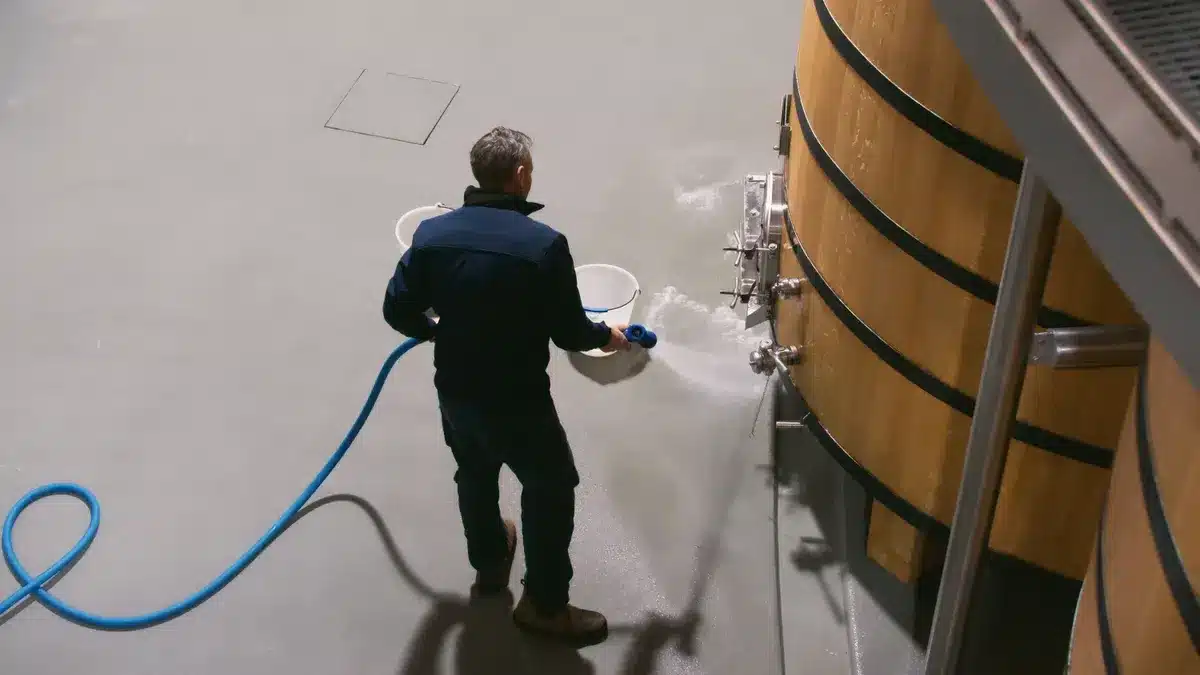
Surface Cleaning
Before applying a concrete sealer, you must ensure the surface is clean. Follow these steps for effective cleaning:
Use a pressure washer or a hose set to moderate intensity to remove dirt and dust.
Clear away any old vegetation or debris that may hinder adhesion.
For stubborn stains, apply a concrete degreaser or cleaner.
Inspect the surface for cracks or chips. Repair these areas before sealing to ensure a smooth finish.
A clean surface is crucial for the proper adhesion of the sealer. If you encounter old sealant, consider using a chemical stripper or grinder to remove it completely. This ensures that the new sealer bonds effectively.
Material Gathering
Gathering the right materials and tools is essential for a successful application. Here’s what you need:
Types of Sealers: Choose penetrating sealers for natural finishes or high-solids acrylics for exposed aggregate.
Application Tools: Use rollers for textured surfaces and high-volume sprayers for large, plain slabs.
Preparation Techniques: Consider chemical cleaning to neutralise pH levels and degreasing oil spots.
Ensure the slab is dry before application. This step is vital for achieving optimal results.
If you are working with new concrete slabs, remember that they require a minimum curing time of 28 days. This period allows the concrete to gain strength and moisture levels to stabilise. Applying sealers too early can trap moisture inside, leading to issues like blistering.
Applying Concrete Sealer Australia
Step-by-Step Application
To correctly apply concrete sealer, follow these steps to ensure a successful outcome:
Choose Your Sealer Carefully: Select a high-quality concrete sealer suitable for your specific type of concrete. Consider whether you need a film-forming acrylic sealer for aesthetics or a penetrating sealer for durability.
Gather Your Materials: Collect all necessary tools and materials. You will need a broom, pressure washer, concrete cleaner, sprayer, and protective gear such as gloves and goggles.
Prepare the Concrete Surface: Clean the surface thoroughly. Remove any existing sealant, dirt, and contaminants. This preparation is crucial for proper adhesion.
Apply the Sealer: Use a sprayer to apply the sealer in thin, even coats. Ensure you cover the entire surface uniformly to avoid uneven patches.
Let the Sealer Dry: Allow the sealer to cure according to the manufacturer’s recommendations. Typically, foot traffic can resume in about 6 hours, while vehicle traffic may require 12 to 24 hours.
Tip: The best time to seal concrete is during low humidity levels. Avoid applying the sealer in direct sunlight to prevent uneven drying.
Common Mistakes to Avoid
When applying concrete sealer, be aware of these common mistakes to ensure a successful application:
Not Cleaning the Driveway First: Proper preparation is essential. Treat stains and remove debris to avoid sealing in dust.
No Patch Test: Always test the sealant on a small area first. This ensures you choose the right product for the desired finish and protection.
Uneven Sealant Application: Use the correct application method and equipment. An inconsistent finish can result from improper techniques.
Not Considering the Weather: Timing your application for dry weather is crucial. Sealants require time to cure without disturbance. High humidity or low temperatures can affect the curing process.
Ignoring Safety Precautions: Ensure proper ventilation to avoid inhaling harmful vapours. Wear protective clothing and goggles to prevent skin contact with the sealer.
By following these steps and avoiding common pitfalls, you can effectively apply concrete sealer and protect your surfaces from the harsh Australian environment.
Maintenance and Longevity
Regular Inspection
To maintain the effectiveness of your concrete sealer, you should conduct regular inspections. Aim for quarterly checks to identify signs of wear. Look for:
Cracks and Fractures: Hairline cracks can expand over time, while wider cracks may indicate serious structural issues.
Discoloration: Significant changes in colour may suggest moisture intrusion or chemical reactions.
Scaling and Spalling: Scaling involves flaking, while spalling can lead to extensive damage.
Uneven Surfaces: These can pose tripping hazards and affect functionality.
Moisture Problems: Efflorescence indicates moisture penetration, and water pooling can lead to surface erosion.
Stains and Marks: Persistent stains can signal deeper issues with the concrete.
Driveways and high-traffic areas typically require resealing every 2 to 3 years, depending on exposure to weather and surface use.
Reapplication Guidelines
When it comes to reapplying your concrete sealer, follow these guidelines to ensure optimal protection:
Test a small area before full application to gauge performance.
Choose a high-build sealer with good resistance for epoxy flake floors, such as polyurethane or epoxy.
Allow adequate drying time to ensure proper adhesion and finish quality.
Apply the sealer in thin, overlapping coats to avoid bubbles and puddles.
Ideal application temperatures range between 10 and 30 degrees Celsius with low humidity.
Regular maintenance, including cleaning and resealing, is crucial for preserving the effectiveness of sealers. This practice prevents dust accumulation and enhances surface hardness, ensuring the longevity of your concrete in Australian conditions. Following recommended maintenance schedules leads to enhanced durability, protecting against UV damage, water infiltration, and stains.
Applying concrete sealer correctly is essential for protecting your surfaces. Follow these key steps:
Clean the surface thoroughly.
Choose the right sealer for your needs.
Apply in thin, even coats.
Proper application enhances durability, aesthetic appeal, and safety. It also saves you money by reducing maintenance costs. Take action now to protect your concrete surfaces and ensure their longevity!
FAQ
What is the best time to apply concrete sealer?
Apply concrete sealer during dry weather, ideally when humidity is low. Avoid direct sunlight to ensure even drying.
How often should I reseal my concrete?
Reseal your concrete every 2 to 3 years, depending on wear and exposure to weather conditions.
Can I apply sealer to new concrete?
Yes, but wait at least 28 days for the concrete to cure properly before applying sealer.
See Also
Choosing Between Film-Forming And Penetrating Sealers In Australia
A Comprehensive Guide To Selecting The Right Concrete Sealer
Steps To Effectively Apply Concrete Dust Sealer For Floors
The Ultimate 2025 Guide For Selecting Ideal Concrete Sealers
Locating The Most Suitable Concrete Sealer For Your Requirements
