

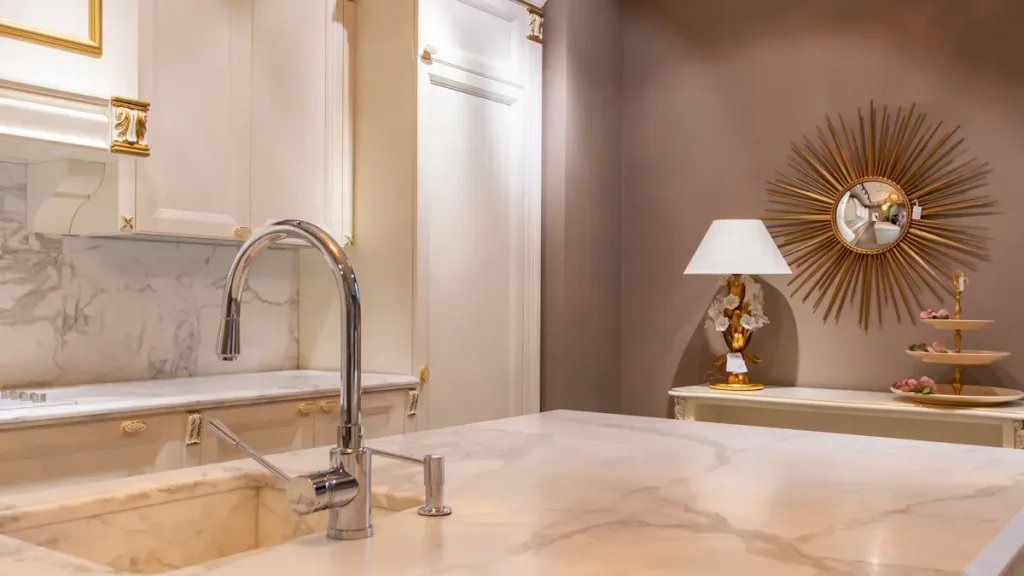
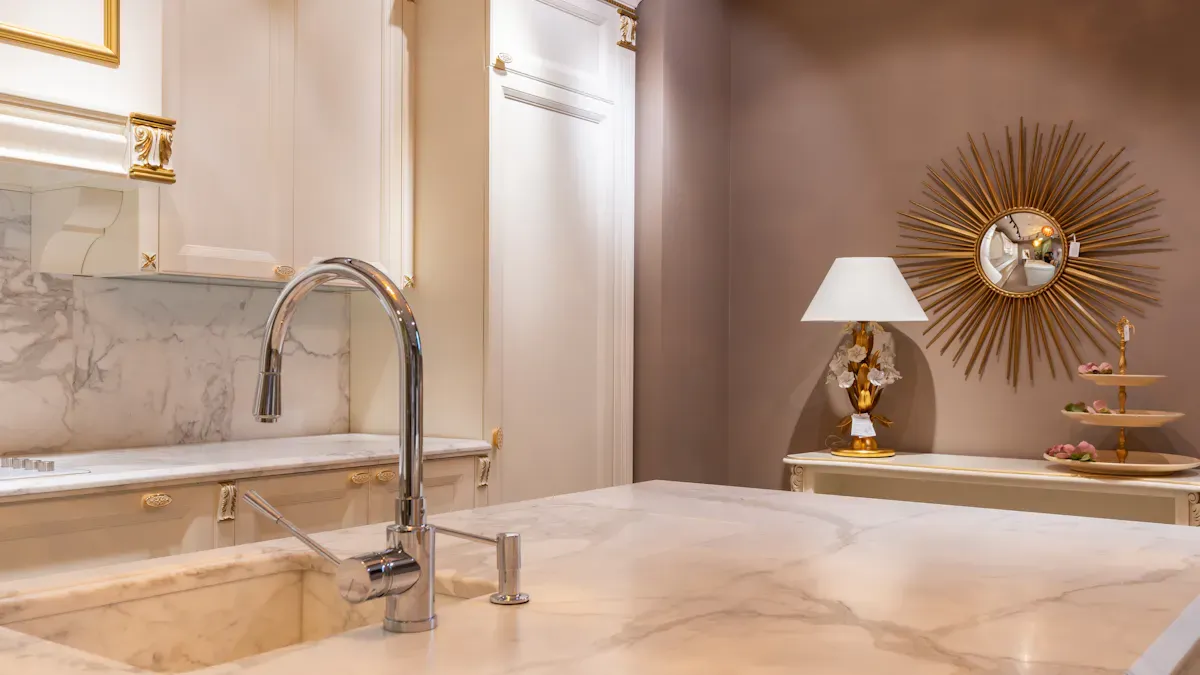
Marble surfaces enhance the beauty of any room, elevating the aesthetic appeal of your home. However, stubborn stains can be quite bothersome, especially those from wine, coffee, or juice spills. Understanding how to clean stubborn stains on marble is crucial to maintaining the pristine appearance of your surfaces. By employing the right techniques, you can ensure your marble remains stunning for many years to come.
Key Takeaways
Find out what kind of stain is on your marble. Food and drink stains need different cleaning than rust or ink stains.
Use things like baking soda and hydrogen peroxide to clean tough stains. Put a poultice on the stain and leave it overnight for the best results.
Do not use strong chemicals or rough tools. These can harm your marble and make it dull or scratched.
Seal your marble countertops every 6-12 months to keep them safe from stains. Seal more often if your marble is light-colored and in busy places.
Clean spills quickly. Use a soft cloth to blot and mild soap to clean, so stains don’t become permanent.
Types of Stains on Marble
When you have marble, knowing the types of stains is very important. Different stains need different ways to clean them. Let’s look at them closely.
Organic Stains
Organic stains come from natural things. You can find these stains from food and drinks like coffee, wine, or fruit juice. They can be hard to deal with. They not only stain but can also damage the surface if you don’t clean them. Here’s how these common organic stains affect your marble:
Type of Stain | |
|---|---|
Coffee | Causes discoloration and possible damage |
Wine | Leads to staining and can damage if not cleaned |
Fruit Juice | Can cause both staining and damage |
Immediate Cleanup | Important to stop permanent damage to marble |
To clean these tough stains, follow these steps:
Clean the area with mild soap and warm water.
Use a mix of hydrogen peroxide and baking soda.
Cover it and let it sit for 24 hours.
For tough stains, repeat this up to three times.
Rinse well and dry completely.
You will need some basic supplies like baking soda, hydrogen peroxide, and soft cloths to start.
Inorganic Stains
Inorganic stains are different from organic ones. They usually come from minerals, like rust or ink. These stains can be harder to remove. Common sources include:
Stain Type | Typical Source |
|---|---|
Ink | From pens, markers, or printers, often in offices. |
Paint | Spills or drips from wall paints or nail polish. |
Rust | Caused by metal objects left on marble, especially in wet places. |
Water Rings | Marks from glasses or bottles, often clear but can etch the surface. |
Removing inorganic stains often needs special cleaning solutions. Unlike organic stains, which clean easily, inorganic stains need a stronger method.
Etching and Water Marks
Etching and water marks are common problems with marble. They happen when acidic things, like lemon juice or vinegar, touch the surface. Here are some key points to remember:
Marble is sensitive to acids, causing ugly spots.
Hard water can also cause etching and water marks.
No sealer can stop etching; you need a physical barrier.
To keep your marble looking great, always clean up spills right away. This simple step can help you avoid tough stains and keep your stone surfaces beautiful.
How to Clean Stubborn Stains on Marble
Cleaning stubborn stains on marble can seem hard, but you can make it easier. With the right steps, you can make your surfaces look great again. Here are some good ways to remove those annoying stains.
Homemade Solutions
You can make your own solutions to clean stains from your marble. One popular way is to use a homemade poultice. Here’s how to do it:
Mix the poultice: Take 1 heaping tablespoon of baking soda and about 1 teaspoon of water. Mix them to make a thick paste.
Apply the poultice: Put the mixture on the stain and let it sit overnight.
Remove the poultice: The next day, scrape off the dried poultice and wash the area with soap and water.
For stubborn stains: If the stain is still there, make a new poultice using hydrogen peroxide instead of water and let it sit overnight.
Baking soda is a mild alkaline compound. It helps lift deep stains without hurting the marble. Hydrogen peroxide works well for organic stains, especially on light-colored marble. These homemade solutions are cheap and safe for your marble.
Commercial Products
If homemade solutions don’t work, try using commercial products made for marble. Here are some good options:
Good Old Soap and Water: A gentle dish soap mixed with warm water can be very helpful.
Hydrogen Peroxide Solution: Use a 12% hydrogen peroxide solution for light-colored marble.
Specialty Stone Cleaners: Look for pH-neutral natural stone cleaners that are safe for marble.
Specialty stone cleaners are great because they help keep the sealant on your marble. This means you won’t need to reseal it as often. For tough stains, you might want to try the BANDě Stone Surface Cleaning Agent. This eco-friendly cleaner removes many types of dirt and stains while being gentle on your marble.
Professional Cleaning Services
Sometimes, stubborn stains need a professional to help. Here’s when you should think about hiring a cleaning service:
If the stain is deep or large.
When etching from acidic spills has happened.
For serious damage that DIY methods can’t fix.
Professional services usually cost between $150 to $600 per stain. The price depends on the size and difficulty. They use special tools and methods that go beyond what you can do at home. Professionals can bring back the natural shine and clarity of your marble, make the surface smooth, and get it ready for sealing.
What Not to Use on Marble
Knowing what not to use on marble is very important. Some things can harm your marble and make it look bad. Let’s see what you should avoid.
Harsh Chemicals
Harsh chemicals can hurt marble forever. Here are things you should not use:
Acidic Cleaners: Lemon, vinegar, and acidic cleaners can make marble dull.
Abrasive Scrubs and Powders: These can scratch marble and make it look bad.
Bleach and Ammonia-Based Cleaners: They can change the color and weaken marble.
Oil-Based Soaps: They leave stuff that makes marble dirty and less shiny.
These chemicals can take away marble’s beauty. Gentle cleaning is better.
Abrasive Tools
Abrasive tools can hurt marble like harsh chemicals. Avoid these tools:
Rough Scrubbing Pads and Brushes: They can scratch and dull marble.
Coarse Grit Sandpaper: It can scratch if not used carefully.
Abrasive Scrubs and Powders: They can scratch marble and make it dull.
These tools can make marble look old. Use soft cloths and gentle ways instead.
Acidic Substances
Acidic things like vinegar or lemon juice can react with marble. They can make marble rough and dull. When acids touch marble, they break down calcium carbonate. This makes gas and leaves a bad surface. The longer acid stays, the worse it gets. Clean spills fast to stop damage.
Avoiding these bad things and tools can keep marble nice for years.
Preventative Measures for Marble Countertops
To keep your marble countertops looking great, you need to follow some easy steps. Let’s see how you can stop stains on marble and keep it shiny.
Regular Sealing
Sealing your marble countertops is very important. It helps protect against stains and spills. Here’s what you should remember:
Reseal most marble countertops every 6-12 months.
Light marbles, like Carrara or Calacatta, need resealing every 3-6 months in busy areas.
Choosing the right sealant matters too. Here’s a quick overview:
Sealant Type | Description | Protective Duration |
|---|---|---|
Impregnating Sealers | Slows liquid absorption, safe for food, repels oil and water. | Several months |
AntiEtch® | Applied by professionals, stops staining and etching, lifetime warranty. | Permanent protection |
Immediate Spill Cleanup
Knowing how to handle spills on marble is key to stopping stains. Here’s a simple way to do it:
Act Fast: Quickly clean spills to stop liquids from soaking into the marble.
Blot, Don’t Wipe: Gently blot spills with a damp cloth to avoid spreading.
Use Mild Detergents: Clean spills with mild detergent and water, avoiding harsh chemicals.
Quick action is very important. Blot spills gently with a soft cloth to soak up as much liquid as you can. Don’t rub the area, as this can spread the stain. After blotting, rinse the area with lukewarm water and a mild pH-balanced soap.
Using Coasters and Mats
Using coasters and mats can really help stop stains on marble. Here’s how:
Put coasters under glasses, especially with acidic drinks like lemon juice or wine.
Use mats or trivets under hot dishes to avoid thermal shock, which can crack or damage the marble.
It’s a good idea to use protective mats in areas where spills happen, like under coffee makers or near sinks.
These easy steps can help keep your honed marble countertops looking new for years.
Taking care of your marble surfaces is very important. This helps keep them looking nice and lasting a long time. Here are some important points to remember:
Clean and seal regularly to keep the stone beautiful and stop stains.
Use gentle cleaners that are safe for marble to avoid harm.
Clean up spills quickly to prevent permanent stains.
If you have tough stains or damage, ask for professional help. Experts can bring back your marble’s original beauty and protect it from future problems. By following these tips, you can enjoy your beautiful marble surfaces for many years! 🌟
FAQ
How often should you seal marble countertops?
You need to seal marble countertops every 6-12 months. For light-colored marble, reseal every 3-6 months in busy areas. Regular sealing helps stop stains and keeps your marble looking nice.
Can you use vinegar to clean marble?
Do not use vinegar on marble. It is acidic and can cause etching, which harms the surface. Use pH-neutral cleaners or homemade mixes like baking soda and water for safe cleaning.
What’s the best way to clean a fresh spill on marble?
Act fast! Blot the spill with a soft cloth, then rinse with mild soap and water. Do not rub, as it can spread the stain. Cleaning up right away stops permanent damage.
Are professional cleaning services worth it for marble stains?
Yes, especially for deep or tough stains. Professionals use special methods to bring back marble’s shine and clarity. They can fix etching and serious damage that DIY methods cannot handle.
Can BANDě Stone Surface Cleaning Agent be used on all marble types?
Yes! BANDě Stone Surface Cleaning Agent is safe for many marble types. It removes stains well while being gentle on the surface, keeping marble’s natural beauty.
See Also
Transforming Dull Concrete Floors Into Stunning Polished Surfaces
Top 7 Tile Cleaners for All Surfaces This Year
Simple Guide to Anti-Slip Treatments for Safer Flooring
