


Choosing the right industrial floor hardener Malaysia is crucial for your facility. This decision significantly impacts durability, cost-effectiveness, and overall performance. Are you aware of how your choice can affect long-term maintenance costs? Selecting a hardener that resists wear and chemicals can lead to lower upkeep expenses, making it a smart investment for your business in Malaysia.
Key Takeaways
Choosing the right floor hardener can significantly reduce long-term maintenance costs and improve durability in industrial settings.
Proper surface preparation is essential for effective adhesion and performance of floor hardeners; neglecting this step can lead to costly failures.
Balancing cost and quality is crucial; investing in high-quality floor hardeners can save money over time by reducing the need for repairs and replacements.
Understanding Floor Hardeners
What Are Floor Hardeners
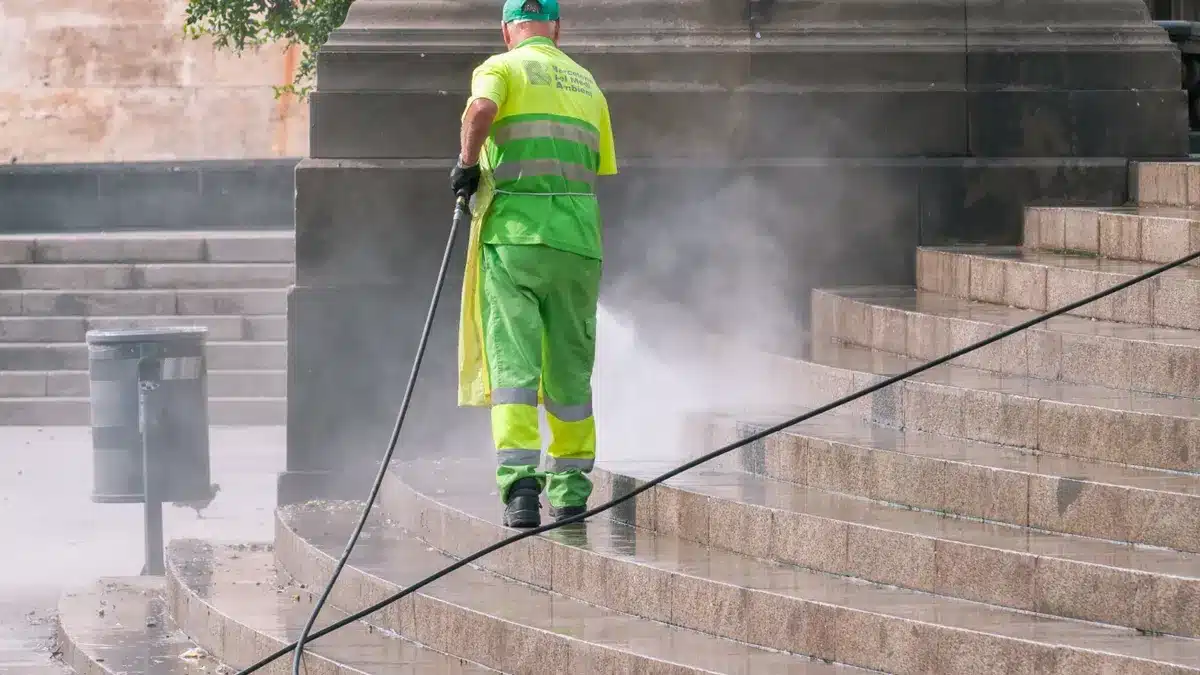
Floor hardeners are specialized materials applied to concrete surfaces to enhance their durability and strength. They play a vital role in industrial settings, where heavy machinery and foot traffic can wear down floors quickly. By using a floor hardener, you create a robust surface that withstands the rigors of daily operations. The application process typically involves mixing a dryshake hardener with freshly poured concrete. This mixture forms a seamless surface that significantly improves the concrete’s resistance to wear and tear, especially in high-traffic areas.
Benefits in Humid Climates
In Malaysia’s humid climate, selecting the right floor hardener becomes even more critical. High humidity can lead to moisture-related issues, such as surface deterioration and mold growth. However, the right floor hardener can mitigate these risks. Here are some key benefits:
Enhanced Durability: Floor hardeners improve the overall strength of the concrete, making it less susceptible to damage from moisture.
Reduced Maintenance: With a strong surface, you can expect lower maintenance costs over time. This is especially important in humid environments where upkeep can be challenging.
Improved Safety: A well-hardened floor reduces the risk of slips and falls, which is crucial in industrial settings.
By understanding the floor hardener advantages, you can make informed decisions that enhance the longevity and performance of your industrial floors.
Key Considerations for Selection
Durability and Performance
When selecting a floor hardener, you must prioritize durability and performance. The right choice ensures your flooring withstands heavy machinery and chemical exposure. For instance, certain products like Ducrete MF are specifically designed for heavy loads and resist chemical damage. This makes them ideal for tough industrial environments.
Consider the following features when evaluating durability:
Feature | Description |
|---|---|
Heavy Machinery Support | Requires reinforced structural design for heavy loads |
Traffic Resistance | Designed for high-traffic movement from forklifts and pallet jacks |
Surface Durability | Offers abrasion and impact resistance in production zones |
Chemical Resistance | Epoxy coatings provide protection against oil and chemical exposure |
Crack Control | Includes joint detailing to prevent long-term deterioration |
Choosing a floor hardener that meets these criteria will enhance the longevity of your flooring and reduce maintenance costs.
Cost vs. Quality
Balancing cost and quality is essential in your selection process. While you may be tempted to choose the cheapest option, this can lead to higher long-term expenses due to frequent repairs or replacements. High-quality floor hardeners often come with better performance and durability, which can save you money over time.
When evaluating options, consider the following:
Initial Investment: Higher-quality products may have a higher upfront cost.
Long-Term Savings: Investing in a durable floor hardener can reduce maintenance and replacement costs.
Brand Reputation: Established brands often provide reliable products that meet industry standards.
By weighing these factors, you can make a more informed decision that aligns with your budget and performance expectations.
Application Methods
The application method significantly influences the effectiveness and lifespan of your floor hardener. Proper installation ensures that the hardener adheres well and performs optimally. Here are key steps to consider:
Importance | |
|---|---|
Surface Preparation | Ensures strong adhesion by removing contaminants and repairing defects. |
Mixing the Epoxy System | Accurate ratios are crucial for achieving the desired strength and finish. |
Application Techniques | Proper methods ensure a self-leveling finish and optimal performance. |
Curing and Drying Time | Essential for achieving full strength and durability of the flooring. |
Common Mistakes | Skipping preparation, incorrect mixing, and rushing curing can lead to failures. |
Following these steps will help you achieve a high-quality finish that meets Malaysian building standards. Always consult with professionals to ensure the best practices are followed during application.
Types of Industrial Floor Hardeners in Malaysia
Chemical vs. Mechanical Hardeners
When selecting a floor hardener, you will encounter two main types: chemical and mechanical. Each type has unique characteristics that affect its application and performance.
Composition | Application Characteristics | |
|---|---|---|
Mechanical Hardener | Dry shake hardeners | Applied as a dry mix on fresh concrete surfaces. |
Chemical Hardener | Liquid compounds | Penetrates the concrete surface to enhance durability. |
Mechanical hardeners improve surface hardness through physical means. They create a dense layer that resists wear and tear. On the other hand, chemical hardeners enhance the concrete’s properties through chemical reactions. They bond with the concrete, increasing its strength and durability.
In Malaysia’s humid climate, both types offer distinct advantages. Mechanical hardeners provide immediate surface protection, making them ideal for quick installations. Chemical hardeners, however, may take longer to cure but offer superior long-term benefits, especially in moisture-prone areas.
International Brands and Local Options
In Malaysia, you can find a mix of international and local brands offering industrial floor hardeners. Some widely recognized international brands include:
Nippon Paint Hardtop: Known for its reliability and performance in industrial settings.
Sika: Offers a range of high-quality products that meet stringent standards.
Local Malaysian brands also provide viable options. For instance, Moca Compact offers a more affordable solution with reduced logistical challenges compared to international brands. While imported products from China may be cheaper, they often pose risks in terms of quality and lack of local support.
Choosing between international and local options depends on your specific needs. If you prioritize quality and brand reputation, international brands may be the way to go. However, if cost-effectiveness and local support are your main concerns, local brands can provide excellent alternatives.
By understanding the differences between chemical and mechanical hardeners, as well as the available brands, you can make an informed decision that best suits your industrial flooring needs in Malaysia.
Common Mistakes to Avoid
Ignoring Surface Preparation
One of the most significant mistakes you can make is neglecting surface preparation before applying a floor hardener. Proper preparation is crucial for achieving a durable and effective flooring system. Here are some key reasons why you should prioritize this step:
Ensures Proper Adhesion: Creates a roughened surface for effective bonding of the floor coating.
Removes Surface Imperfections: Eliminates irregularities for a smooth and even surface.
Enhances Penetration and Bonding: Opens substrate pores for deeper bonding, improving long-term adhesion.
Removes Contaminants and Sealers: Cleans the surface for optimal bonding of new coatings.
Promotes Durability and Longevity: A well-prepared surface resists wear and maintains performance over time.
Neglecting surface preparation can lead to poor performance of the flooring. You may experience issues like peeling or failure once the floor is subjected to real factory conditions.
One of the most common mistakes is choosing flooring only based on the cheapest quotation. This often leads to using epoxy in places where PU would have been the correct solution. The cheaper option is not always the more affordable one in the long run.
Misjudging Environmental Impact
Another mistake is misjudging the environmental impact of your flooring choice. Humidity in Malaysia can affect the performance of your floor hardener. If you choose a product that does not suit the local climate, you may face issues like moisture damage or mold growth. Always consider the specific conditions of your environment when selecting a floor hardener.
By avoiding these common mistakes, you can ensure a successful floor hardener installation that meets your needs and stands the test of time.
Selecting the right industrial floor hardener is essential for your facility’s success. Consider durability, cost, and application methods. Always consult with professionals to ensure you make informed choices. Here’s a quick overview of the consultation process:
Step | Description |
|---|---|
1 | Site inspection to identify problematic areas and what is needed in the space to provide a quotation. |
2 | Recommendation and proposal stage, where technical experts prepare their recommendations and explain the process. |
3 | Post-flooring assessment to evaluate and ensure everything is up to standard. |
4 | Handover of the property together with the method statement document to the customer. |
By following these steps, you can achieve a durable and effective flooring solution tailored to your needs.
FAQ
What factors should I consider when choosing a floor hardener?
Consider durability, cost, application methods, and environmental conditions. Each factor influences the performance and longevity of your flooring.
How long does it take for a floor hardener to cure?
Curing times vary by product. Typically, expect 24 to 72 hours for full strength, depending on humidity and temperature.
Can I apply a floor hardener myself?
While DIY is possible, hiring professionals ensures proper application and adherence to Malaysian building standards for optimal results.
See Also
Top Floor Hardening Solutions for UK Industrial Spaces
Optimal Warehouse Floor Hardening Options in the Philippines
The Five Best Concrete Floor Hardeners for Industrial Use
2025 Comparison of Leading Industrial Floor Hardeners Available
A Complete Guide to Choosing Concrete Floor Hardeners in 2025
