

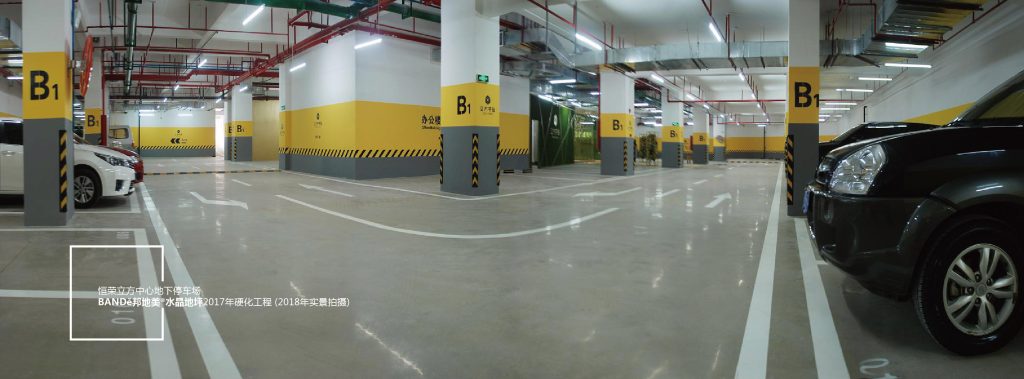
Strong floors improve work environments, ensure safety, and offer lasting durability. A robust floor is crucial for any structure. Industrial floor hardeners safeguard concrete, preventing damage from heavy use, protecting against abrasions and impacts, and resisting chemicals. This hardener makes concrete stronger. This article examines various hardener lantai options, assisting buildings in making informed choices for 2025. New constructions demand superior solutions, specifically a strong hardener. High-traffic areas particularly benefit from a tough concrete hardener.
Key Takeaways
Industrial floor hardeners make concrete floors tougher. They keep floors safe from lots of use. They stop scrapes. They stop chemicals. This helps floors last longer.
Different hardeners are good for different things. Dry shake hardeners are for busy spots. Liquid hardeners make old concrete stronger. Metallic hardeners stop hard bumps. Epoxy coatings fight chemicals.
Pick a floor hardener for your factory. Think about how many people walk there. Think about spilled chemicals. Also, think about your money. Think about how long the floor must last.
Understanding Industrial Floor Hardeners
Floor Hardeners: Definition
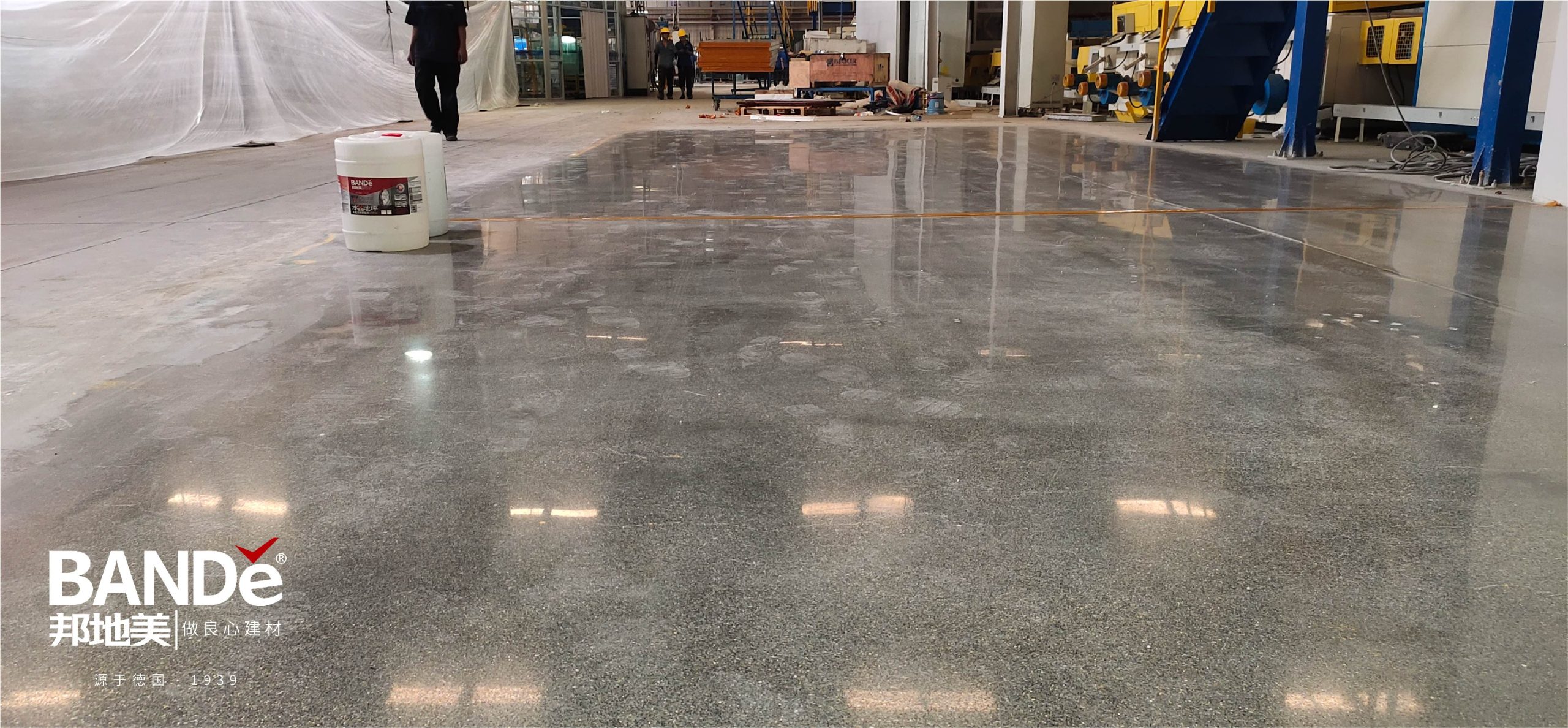
Floor hardeners are special materials. They go on concrete floors. They make the concrete much better. These materials go into the concrete. They make it denser. Or, they make a strong layer on top. This makes the concrete stronger. It resists wear better. A hardener changes regular concrete. It becomes a super strong surface. Industrial floor hardeners often have chemicals. These include:
Polyamides
Amidoamines
Cycloaliphatic amines
Phenalkamines
Aliphatic amines
Anhydrides
Other Hardeners (including water-based hardeners)
These parts help the hardener. They make concrete better.
Why Harden Industrial Concrete Floors
Industrial concrete floors work hard. Machines, people, and chemicals hit them. This happens every day. Hardening these floors protects them. It makes concrete resist scrapes. It also resists hard hits. This makes the floor last longer. A hard floor stops dust. This makes the area cleaner. It is also safer. It makes the concrete last longer. You won’t need many repairs. You won’t need to replace it. A good hardener saves money. It keeps things running well. A concrete floor hardener is key. It is vital for any factory.
Hardener Performance Metrics
To check a hardener, look at its numbers. These numbers show how much it helps. Abrasion resistance is important. It shows how it handles scrapes. Impact resistance shows how it handles drops. Compressive strength shows how much weight it holds. Other key things are chemical resistance. Also, dust proofing and slip resistance. Managers use these numbers. They compare different hardeners. They pick the best one. It fits their factory’s needs. This makes sure the hardener works great. It will last a long time.
Dry Shake Hardeners
Dry Shake: Composition & Application
Dry shake hardeners are special mixes. They have cement. They also have very hard aggregates. Chemical additives are in them too. Workers spread this dry powder. They put it on fresh, wet concrete. They do this before it gets hard. Mechanical spreading is a common way. Machines spread products.
Dry Shake: Pros & Cons
Dry shake hardeners have many good points. They make the surface very strong. This is good for heavy machines. They also resist scrapes very well. This means the floor can take a lot of use. Dry shake hardeners also handle hard hits better. This keeps the concrete safe from drops. They also take in less water. This helps with spills. But, dry shake hardeners have some bad points. Putting them on takes a lot of work. It needs skilled people. The cost can be more. This is because of work and materials. Also, workers must put this hardener on wet concrete. They must do it at the right time. This hardener mostly helps only the top part of the concrete.
Dry Shake: Best Uses
Dry shake hardeners are best for busy places. They are good for industrial floors. These floors face tough conditions. Think of warehouses. Also factories and loading docks. These places need to be very strong. The hardener keeps the concrete safe. It protects it from constant use. It also works well where heavy forklifts drive. Its strong surface and resistance make it perfect. It is great for these tough places. BANDě Dry Shake Solutions are good for these uses. This hardener makes industrial places last long.
Liquid Chemical Hardeners
Liquid chemical hardeners go into concrete. They make it stronger. They make it denser. These hardeners work on old and new concrete. They stop water. They stop dust. They fight tough factory conditions. BANDě Liquid Hardener Range has good choices. They meet these needs.
Liquid Hardeners: Silicate Types
Silicate liquid hardeners are common. They have sodium, potassium, and lithium silicates. These silicates mix with concrete. They make a new material. It is called calcium silicate hydrate (CSH). CSH is like a thick gel. It fills holes in the concrete. This makes the concrete surface harder. It makes it last longer. Each silicate works a bit differently.
Liquid Hardeners: Colloidal Silica
Colloidal silica is a new liquid hardener. It has tiny silica bits. They float in a liquid. These small bits go deep into concrete. They react well with lime. This makes a better CSH gel. Colloidal silica hardener makes concrete denser. It works better for a long time. This hardener treats the concrete evenly. It lasts longer.
Liquid Hardeners: Application & Cure
Putting on liquid hardener is easy. Workers spray it on clean concrete. They spread it with a broom. Or they use a pad. The concrete soaks up the liquid. The chemicals start to work. Drying times are different. Some dry in hours. Full hardening takes days. It can take weeks. This depends on the product. It also depends on the weather. This hardener makes concrete better.
Liquid Hardeners: Benefits & Drawbacks
Liquid hardener has many good points. It makes concrete denser. It makes it last longer. It stops dust. This makes the air cleaner. It fights chemicals better. It resists hits and scrapes. It also stops water better. This means fewer repairs. It costs less over time. The text does not list bad points. But, applying it right is key. This gives the best results.
Metallic Aggregate Hardeners
Metallic floor hardeners have special bits. These bits are metals. They can be iron, aluminum, or copper. Workers add them to concrete. Or they spread them on top. This makes a very strong floor. This hardener is good for places. These places need to stop hard hits.
Metallic Hardeners: Properties
Metallic hardeners get their traits from metal. These metal bits are very hard. They make the concrete much thicker. This makes the floor stronger. The metal bits also help the concrete. It can hold heavy things better. These traits make the floor last long. The hardener makes a tough top layer.
Metallic Hardeners: Impact Uses
These hardeners work well. They are good where things hit hard. They are great for big factories. Heavy machines work there. Loading docks also use them. Heavy things often fall there. The metallic hardener saves the concrete. It stops damage from hits. It makes the floor last longer. This is true even in tough places.
Metallic Hardeners: Installation
Putting in metallic hardeners is often done. It uses a dry shake method. Workers spread the metal mix. They put it on fresh, wet concrete. Then they smooth it with a tool. This makes the metal stick to the concrete. The hardener becomes part of the top. Good installation is important. It makes the floor strong and lasting.
Metallic Hardeners: Advantages & Limits
Metallic hardeners have big good points. They stop hard hits very well. They also stop scrapes. This makes the surface very strong. The floor lasts longer. The added strength saves the concrete. It stops bad wear. But these hardeners cost more. They need careful putting on. Some metallic hardeners can rust. This happens with iron ones. It happens if they get wet. Or if chemicals touch them. This changes how the concrete looks.
Non-Metallic Aggregate Hardeners
Non-metallic aggregate hardeners are strong. They help industrial floors. These hardeners make concrete floors better. They make them tougher. They resist wear more.
Non-Metallic Hardeners: Aggregate Types
Non-metallic hardeners use tough materials. These materials mix into the concrete surface. Common types are:
Emery Aggregate
Carborundum based non-metallic floor hardener
Non-metallic mineral based floor hardener
Each type has special properties. They all make a harder surface. They make it more resilient.
Non-Metallic Hardeners: Abrasion & Durability
These hardeners stop scrapes. They stop wear a lot. The aggregates make a dense layer. This layer is tough. It protects the concrete. It stops heavy traffic. It stops impacts. This makes it last longer. Floors last much longer. They need fewer repairs. The better properties are good. They are good for busy places.
Non-Metallic Hardeners: Cost & Versatility
Non-metallic aggregate hardeners cost less. They cost less than metal ones. They work very well. They do not cost more. They can be used in many places. These include warehouses. Also factories. And distribution centers. They make concrete floors strong. They are reliable. They are cost-effective. This hardener is a good choice. It is good for many businesses.
Non-Metallic Hardeners: Eco-Factors
Many non-metallic hardeners use natural things. Or they use recycled things. This makes them better for nature. They often have low VOC. This means better air. This is true during use. It is true after use. They last a long time. This means less waste. This is over the floor’s life. These eco-friendly properties are a plus. They are a benefit to this hardener.
Epoxy & Urethane: Hardening Coatings
Coatings: Protective Functions
Epoxy and urethane coatings protect floors. They make a strong layer. This layer covers the concrete. It works like a shield. They stop chemicals. They stop scrapes. They also handle very hot or cold. An epoxy coating protects from daily use. It makes the floor much stronger. This hardener makes a tough surface.
Coatings: Chemical & Abrasion Resist
Epoxy and urethane coatings resist bad things. Urethane coatings stop chemicals well. They stick very well. They can also stretch. They protect from sun damage. This makes them last long.
Coatings: Aesthetics & Upkeep
Epoxy and urethane coatings make floors look good. They make a smooth surface. It is often shiny. This makes the area brighter. Managers can pick many colors. These coatings also make cleaning easier. Dirt and spills do not stick. This saves time and work. Epoxy protects the floor. It helps it look new.
Coatings: Application & Cure Time
Putting on epoxy and urethane coatings takes steps. Workers first get the concrete ready. They clean and fix it. Then, they put on layers. Each layer needs to dry. Drying time is different. Some epoxy coatings dry fast. Others take longer to get hard. Good work makes the coating best. This hardener protects the concrete for a long time.
Hardener Comparison: 2025 Outlook
Durability & Wear Resistance
Choosing a concrete floor hardener in 2025 needs careful thought. Think about how long it lasts. Think about how it resists wear. Different hardeners protect in different ways. Dry shake hardeners are very durable. They are great for busy places. They make a very hard surface. This is good for industrial use. Liquid hardeners also make the surface harder. But they are not as strong as dry shake. Liquid hardeners are good. They work for medium-use areas. They are easy to care for. They get better with time. Dry shake hardeners need little care. They last a long time.
For the strongest surface, use dry shake hardeners. This is true for heavy machines. It is true for forklifts. It is true for many people walking. They resist scrapes very well. Liquid hardeners cost less. They make existing concrete stronger. This is for places not used as much. They are good and last long. They do not need much work. They do not stop work for long. Both types make floors stronger. They make them last longer. The choice depends on the project. It depends on what you need.
Cost-Benefit Analysis
Managers must compare costs. They must compare benefits. This is for each hardener type. Dry shake hardeners cost more at first. This is for materials. This is for special work. But they last a long time. They need little care. This saves money later. Liquid hardeners cost less at first. They are easier to put on. They work well for their cost. Epoxy and urethane coatings cost the most at first. But they protect very well. They look good too. They resist chemicals. They resist hits. This cost is worth it for some places. A good cost check looks at everything. It looks at buying price. It looks at putting on. It looks at care. It looks at how long it lasts.
Application & Curing Times
How you put hardeners on changes. How long they take to dry changes. These things affect project time. They affect when work can start again. Dry shake hardeners go on fresh concrete. Workers must plan with concrete pouring. It dries fast at first. But it takes days to get fully hard. Liquid hardeners are easier to put on. Workers spray them on old concrete. They dry in hours or days. Work can start again faster. Epoxy and urethane coatings need many layers. They need certain weather. Each layer needs to dry. This makes the project take longer. A typical epoxy floor takes days. It can take a week to fully dry. Then heavy traffic can start.
Industrial Environment Suitability
What an industrial place needs changes the hardener choice. Places with many forklifts need strong solutions. Self-dispersing epoxy flooring is good for forklifts. It is good for heavy trucks. It is strong. It stops slips. Mortar epoxy flooring is also strong. It is good for heavy industrial places. Metallic aggregate hardeners are best for hard hits. Non-metallic aggregate hardeners resist scrapes well. This is for general heavy traffic. Liquid hardeners stop dust. They make old concrete stronger. This is for lighter use. Epoxy and urethane coatings resist chemicals best. They are perfect for places with bad chemicals.
Environmental Impact & Sustainability
New concrete floor hardener choices think about nature. They think about being green. Many liquid hardeners are water-based. They have low VOC. This means they are good for the air. This is true when put on. This is true later. Non-metallic aggregate hardeners use natural things. They use recycled things. This helps build green. Epoxy and urethane coatings can have more VOC. This depends on how they are made. But new epoxy is more green. Choosing a hardener that lasts long helps nature. It means fewer repairs. It means less waste. Companies like products with green badges. They like products that last.
Choosing Your Industrial Floor Hardener
Picking the right floor hardener is important. It needs careful thought. Managers must look at many things. This makes sure the hardener works well. It also makes sure people are happy with it.
Traffic & Load Assessment
Managers first check traffic. They also check how much weight the floor holds. Heavy machines, forklifts, and people all use the floor. They affect it differently. A floor with very heavy spots needs a strong fix. Dry shake hardeners are good for this. They make the surface very hard. They resist scrapes well. This makes them great for factories. They work best where heavy machines are. They also work where forklifts drive. Or where many people walk. A very strong surface is key here. This choice makes the floor last. It helps it handle daily use. Knowing these needs helps pick a good hardener. It makes sure the concrete stays good for years.
Chemical Exposure & Spills
Finding out about chemicals is another key step. Many factories have acids, alkalis, or other strong liquids. The hardener must fight these chemicals. Ressi EPO Iron Coat CR is a strong coating. It fights chemicals well. It protects against acids, alkalis, and other factory liquids. It is made with a special resin. It has a hardener in it. This product is for tough places. It fights many strong liquids. An epoxy coating makes a shield. This shield stops chemicals. It keeps them from hurting the concrete.
Budget & Long-Term Value
How much it costs often guides choices. But managers should think about long-term value. A cheaper hardener might need more fixes. Or it might need to be replaced sooner. This costs more money later. A better concrete floor hardener lasts longer. It works better. It costs less to take care of. This makes it cheaper over time. Think about all costs. This includes buying it. It includes putting it on. It includes future care. This helps make a smart choice.
Future Trends & Innovations
Factory floors are always changing. New ways and materials come out. Future ideas include better epoxy. These fight chemicals more. They also take hits better. Smart floors are also getting popular. They have sensors. These check the floor all the time. Green choices are also more common. These are low-VOC epoxy systems. They follow nature rules. They help build green. Think about future changes. Think about how traffic might change. This helps pick a hardener. It will work well for many years.
Different floor hardeners have good points. Dry shake hardeners make floors very strong. Liquid hardeners make concrete thicker. Metal hardeners stop hard hits. Non-metal ones stop scrapes well. Epoxy and urethane coatings fight chemicals. They also look nice. The best hardener depends on the factory. It depends on what work is done. It depends on the area. Managers must check how they work. They must check cost. They must check how to put them on. They must check future care. This helps pick the best one. Strong floors are key for factories. This is true now and later. Picking the right hardener makes floors last.
FAQ
What is the main purpose of an industrial floor hardener?
Floor hardeners make concrete strong. They keep surfaces safe. They stop heavy use damage. They stop scrapes and hits. Hardeners also fight chemicals. This makes floors last longer. It means fewer repairs.
Which type of hardener is best for areas with heavy impacts?
Metal hardeners are best. They are for heavy hits. They have strong metal bits. These bits make a very tough surface. This surface handles big drops. It handles heavy machines.
Can liquid chemical hardeners be used on existing concrete floors?
Yes, liquid hardeners work. They work on old concrete. Workers spray them on clean floors. The chemicals go into the concrete. They make the floor denser. They make it stronger.
What are the key benefits of using epoxy and urethane coatings?
Epoxy and urethane coatings protect well. They fight chemicals. They fight scrapes and hits. These coatings also look good. They are smooth. This makes floors easy to clean. They are easy to care for.
Are there environmentally friendly options for industrial floor hardeners?
Yes, green options exist. Some non-metal hardeners use natural things. They use recycled things. Many liquid hardeners use water. They have low VOCs. These choices help build green.
See Also
Top Floor Hardener Solutions for UK Industrial Warehouses
Optimal Floor Hardener Solutions for Philippine Warehouse Facilities
Selecting the Ideal Concrete Densifier for Warehouse Flooring
A Complete Buying Guide: Densifiers, Hardeners, and Sealers
Essential Guide: Selecting the Best Concrete Protective Sealer
