

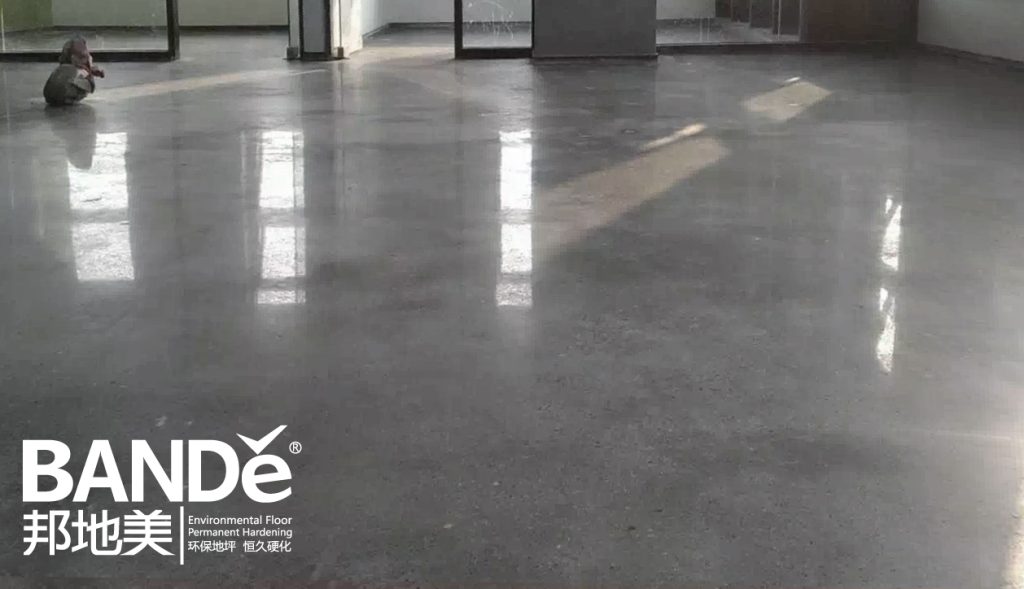
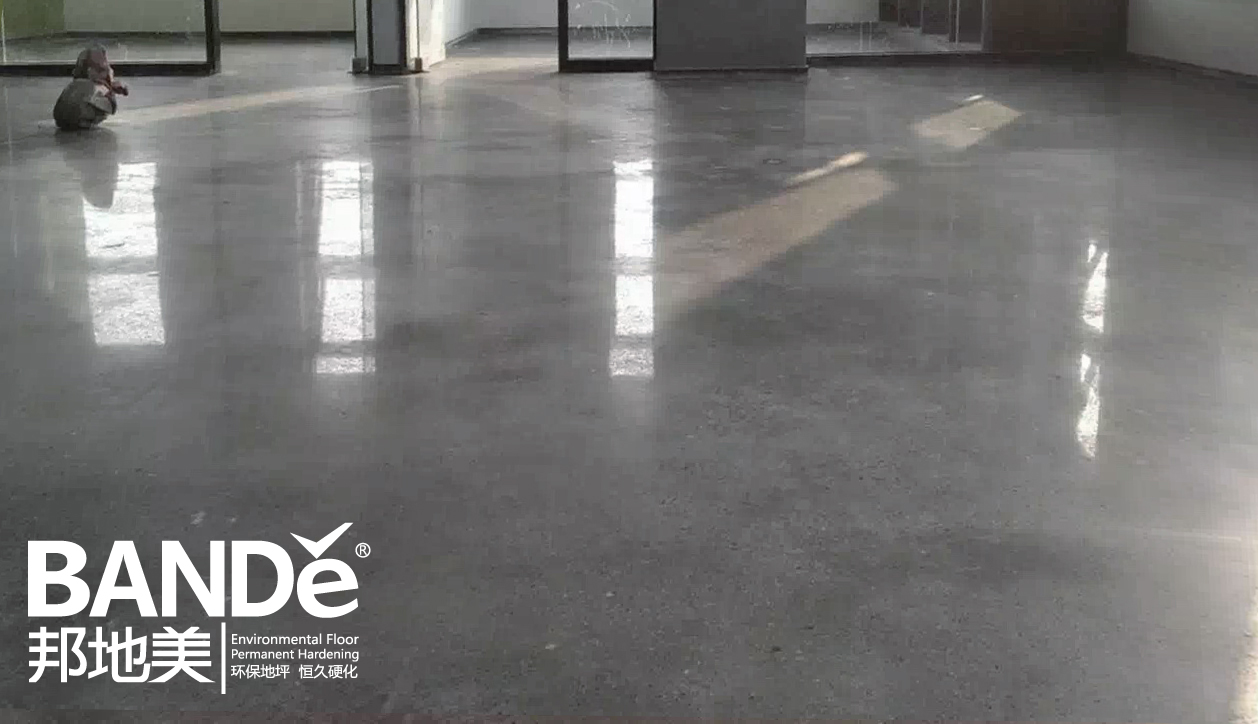
Lithium silicate densifiers are transforming how we think about concrete. These innovative treatments boost durability and reduce maintenance needs. With the global lithium silicate market projected to grow at a 5% annual rate, it’s clear that more people are recognizing their benefits. As concrete surfaces face issues like cracking and spalling, effective solutions are essential.
Key Takeaways
Lithium silicate densifiers enhance concrete durability, making surfaces last longer and resist wear, which is crucial for high-traffic areas.
These densifiers significantly reduce water penetration, protecting concrete from moisture damage and extending its lifespan.
Applying lithium silicate densifiers is simple: clean the surface, apply evenly, and allow proper dwell time for maximum effectiveness.
Durability with Lithium Silicate Densifier
Strength and Longevity
When it comes to concrete, strength and longevity are crucial. Lithium silicate densifiers play a significant role in enhancing these qualities. They improve surface performance and increase abrasion resistance, making concrete last longer, especially in high-traffic areas. Here are some key benefits:
Enhanced Lifespan: Lithium silicate densifiers reduce porosity, which makes concrete harder and more resistant to wear. This is essential for surfaces that experience heavy foot or vehicle traffic.
Dusting Prevention: These densifiers help prevent dusting, a common issue in concrete that can lead to degradation over time.
Long-Term Durability: Products like SCOFIELD® Formula One are known for improving long-term durability by minimizing porosity and dusting, which is vital in busy environments.
Wear and Tear Resistance
Concrete surfaces face constant challenges from wear and tear. Fortunately, lithium silicate densifiers provide excellent resistance against these issues. Here’s how they stand out:
Evidence Type | Findings |
|---|---|
Surface Hardness | Lithium silicate densifiers significantly increase surface hardness compared to sodium and potassium silicate-based hardeners. |
Abrasion Resistance | They show superior abrasion resistance in high-friction environments. |
Longevity | Enhanced longevity of polished finishes is observed. |
Dusting and Spalling | Reduction in dusting and spalling has been noted. |
Maintenance | Decreased maintenance frequency and downtime are common benefits. |
Additionally, lithium silicate densifiers do not contribute to map cracking or crazing, unlike some other densifiers. Their nano-sized molecules penetrate deep into micro-pores and capillaries, reacting with free calcium hydroxide to form additional C-S-H gel. This reaction enhances the overall strength of the concrete, making it more resilient against cracking, scaling, and chemical attacks.
In extreme weather conditions, these densifiers also shine. They exhibit superior thermal stability, reducing moisture retention and minimizing expansion and contraction cycles. This means they can withstand freezing without spalling, making them ideal for outdoor applications.
Moisture Resistance
Preventing Water Damage
Water damage can be a nightmare for concrete surfaces. Fortunately, lithium silicate densifiers offer a robust solution. They significantly reduce water penetration, which is crucial for maintaining the integrity of concrete. Studies show that these densifiers can achieve about 20% better results in preventing water absorption compared to untreated samples. This means your concrete is less likely to suffer from issues like cracking or spalling due to moisture infiltration.
Here’s a quick look at some key findings regarding water resistance:
Key Findings | Description |
|---|---|
Water Penetration Reduction | Lithium silicate densifiers show about 20% better results in comparison with untreated samples after a 24-hour water permeability test. |
Effect of Silicate Modulus | The rate of reduction in water absorption is highest for samples treated with lithium densifiers having a low silicate modulus. |
Gelation Process | The gelation process affects the compactness of the structure, significantly slowing down water molecule travel through the gel. |
By enhancing the density of the concrete, lithium silicate densifiers create a barrier against moisture. This not only protects the surface but also prolongs its lifespan.
Reducing Efflorescence
Efflorescence can be an unsightly problem for concrete surfaces. It occurs when soluble salts in the concrete migrate to the surface and crystallize, leaving a white, powdery residue. Luckily, lithium silicate densifiers are known for their ability to minimize this issue. Here’s how they help:
They provide deeper penetration and more uniform densification, which significantly reduces efflorescence in concrete.
Unlike traditional sodium- and potassium-based products, lithium silicate densifiers effectively address the limitations of these older methods, particularly in reducing surface whitening.
The interaction between the densifier and the cementitious materials enhances the substrate’s density, providing protection against moisture and efflorescence.
While these densifiers do a great job of minimizing efflorescence, it’s important to note that they don’t completely seal the pores of the concrete. If capillary water containing soluble salts is present, efflorescence may still occur under certain conditions. However, the overall reduction in visibility and occurrence makes lithium silicate densifiers a smart choice for maintaining the aesthetic appeal of concrete surfaces.
Application of Lithium Silicate Densifier
Simple Application Steps
Applying a lithium silicate densifier is straightforward, but following the right steps is crucial for achieving the best results. Here’s a quick guide to help you through the process:
Cure the Concrete: Wait at least 28 days after pouring the concrete before applying the densifier. This ensures the surface has fully cured.
Prepare the Surface: Clean the area thoroughly. Sweep, degrease, and pressure wash to remove any contaminants.
Application Method: Use a low-pressure sprayer or roller for even coverage. This helps avoid streaks and ensures the densifier penetrates effectively.
Dwell Time: Allow the densifier to sit on the surface for the recommended time before buffing or polishing. This step is vital for optimal penetration.
Multiple Coats: Consider applying multiple coats. This can enhance both hardness and sheen, giving your concrete a polished look.
Step | Recommendation |
|---|---|
1 | Apply after concrete has cured for at least 28 days. |
2 | Ensure the surface is clean and free of contaminants. |
3 | Use low-pressure spray or roller for application. |
4 | Allow proper dwell time before buffing or polishing. |
5 | Multiple applications enhance hardness and sheen. |
Maintaining Wet Film
Maintaining a wet film during application is essential for the densifier’s effectiveness. The gelation time is critical; if it’s too short, the densifier won’t penetrate deeply into the concrete. On the other hand, if it takes too long, it can block the pores, preventing proper absorption.
To ensure the best results, keep an eye on the wet film. Aim for a balance that allows the densifier to work its magic without drying out too quickly. This careful timing directly influences how well the densifier enhances the concrete’s properties.
By following these steps and maintaining the wet film, you can maximize the benefits of lithium silicate densifiers, ensuring your concrete surfaces remain durable and aesthetically pleasing.
Cost-Effectiveness
Long-Term Maintenance Savings
Using lithium silicate densifiers can lead to significant long-term savings on maintenance. Here’s how:
Increased Surface Density: This feature enhances durability and reduces dusting, which means less frequent cleaning and repairs.
Improved Cleanability: Surfaces treated with lithium silicate are easier to maintain, contributing to lower costs over time.
Abrasion Resistance: The protection against wear minimizes the need for costly repairs.
Feature | Benefit |
|---|---|
Increased Surface Density | Enhances durability and reduces dusting, leading to lower maintenance needs over time. |
Improved Cleanability | Contributes to reduced maintenance costs throughout the surface lifecycle. |
Abrasion Resistance | Provides long-lasting protection against wear, minimizing the need for repairs. |
Investing in a lithium silicate densifier can be more economical than replacing concrete or frequently reapplying temporary products. A small investment now can lead to decades of minimal dust and wear, making it a smart choice for property owners.
Value vs. Traditional Methods
When comparing lithium silicate densifiers to traditional sodium or potassium silicate options, the differences are clear. Lithium silicate offers deeper penetration and less risk of efflorescence, which can be a headache for maintenance.
Property | Lithium Silicate | Sodium Silicate | Potassium Silicate |
|---|---|---|---|
3–5 mm | 1–2 mm | 2–4 mm | |
Efflorescence Risk | Negligible | High | Moderate |
Average Cost per Gallon | $45–$75 | $18–$32 | $35–$55 |
While the initial cost of lithium silicate may be higher, the long-term benefits far outweigh the upfront investment. With its superior performance and durability, it proves to be a cost-effective solution for concrete treatment.
Lithium silicate densifiers offer numerous benefits that can transform concrete projects. Here’s a quick summary of their advantages:
Benefit | Description |
|---|---|
Durability | Enhances the durability of concrete surfaces, appealing to homeowners for long-lasting solutions. |
Aesthetics | Improves the visual appeal of flooring, making it attractive for residential applications. |
Surface Hardness | Increases surface hardness, reducing maintenance costs in commercial settings. |
Chemical Resistance | Provides resistance to chemicals and abrasion, enhancing floor longevity in industrial settings. |
Prioritizes cost-effectiveness and sustainability, driving market expansion in various sectors. |
Considering these benefits, it’s clear that incorporating lithium silicate densifiers into your concrete applications is a smart move. They not only enhance performance but also save you money in the long run. Why not give them a try?
FAQ
What is a lithium silicate densifier?
A lithium silicate densifier is a treatment that enhances concrete’s durability and resistance to moisture.
How long does it take for lithium silicate densifier to work?
Typically, it takes about 24 hours for the densifier to penetrate and start showing results.
Can I apply lithium silicate densifier on old concrete?
Yes, you can apply it on both new and old concrete surfaces for improved performance.
See Also
Understanding Lithium Densifiers and Their Impact on Concrete
Exploring Concrete Densifiers: Functionality and Benefits Explained
A Detailed Look at How BANDě Concrete Densifier Functions
BANDě Concrete Densifier: What It Is and Its Mechanism
Understanding the Key Distinctions Between Densifiers and Hardeners
