

Concrete floor hardeners play a crucial role in boosting the durability and strength of concrete surfaces. However, many people make mistakes during application, like choosing the wrong product or neglecting surface preparation. To get the most out of your concrete floor hardener, focus on selecting the right product, preparing the surface properly, applying it correctly, and maintaining it over time.
Key Takeaways
Choose the right concrete floor hardener based on your environment, traffic levels, and budget. This ensures optimal performance and longevity.
Prepare the concrete surface thoroughly by cleaning and repairing any damage. Proper preparation enhances the hardener’s effectiveness and durability.
Maintain your concrete floor regularly with cleaning and inspections. This proactive approach helps prevent damage and extends the life of your floor.
Selecting a Floor Hardener
Choosing the right concrete floor hardener is essential for achieving the best results. Different types of hardeners serve various purposes, so understanding your options can make a big difference in performance and longevity.
Types of Floor Hardeners
There are several types of concrete floor hardeners available, each with unique compositions and benefits. Here’s a quick overview:
Type of Hardener | Composition History |
|---|---|
Magnesium Fluorosilicates | Oldest type, around for about a century |
Sodium Silicates | Developed in Germany in the 1930s |
Potassium Silicates | Followed sodium silicates |
Lithium Silicates | Most recent, developed in the late 1990s |
Each type has its strengths. For instance, lithium silicates are known for their ability to penetrate deeply and enhance durability, making them a popular choice for many applications.
Key Selection Factors
When selecting a floor hardener, consider the following factors:
Environment: Is it for indoor or outdoor use? Outdoor areas need UV resistance to prevent degradation.
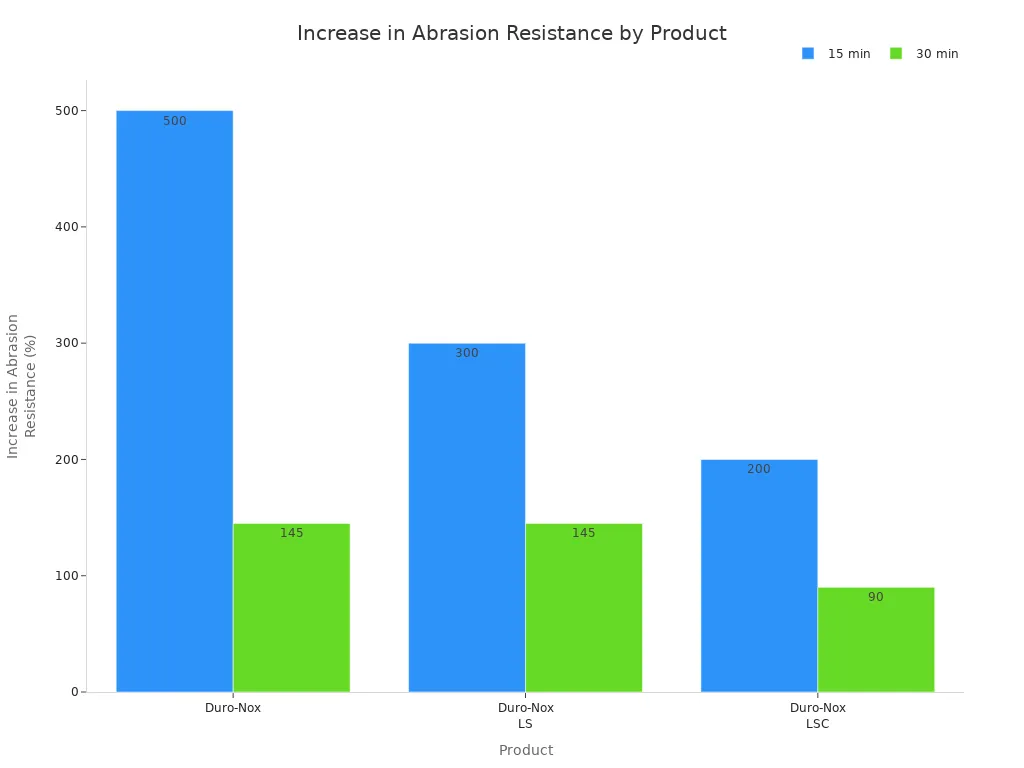
Traffic Levels: High-traffic areas, like warehouses, require hardeners that offer superior abrasion resistance. For example, the Sikafloor MetalTop-200 provides up to 8 times the abrasion resistance compared to standard concrete.
Budget: Assess your budget for both initial costs and ongoing maintenance. Some hardeners may be more expensive upfront but save you money in the long run due to lower maintenance needs.
Type of Use: Think about the environment where the floor will be used. Will it be a retail space, a restaurant, or an industrial area? Each setting has different requirements.
Longevity: Some hardeners last longer than others. Liquid floor hardeners, for instance, can enhance durability and create a glossy finish over time.
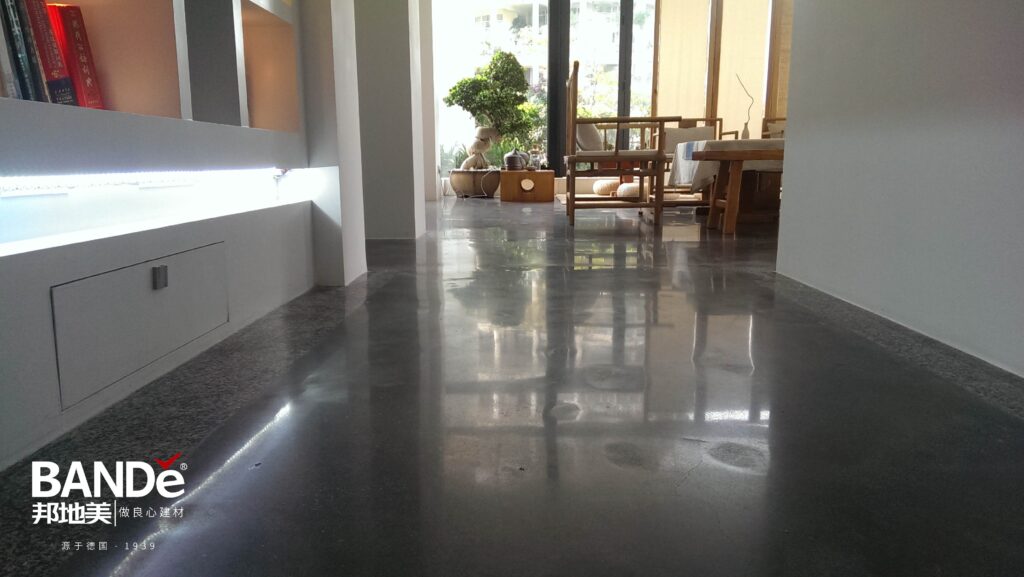
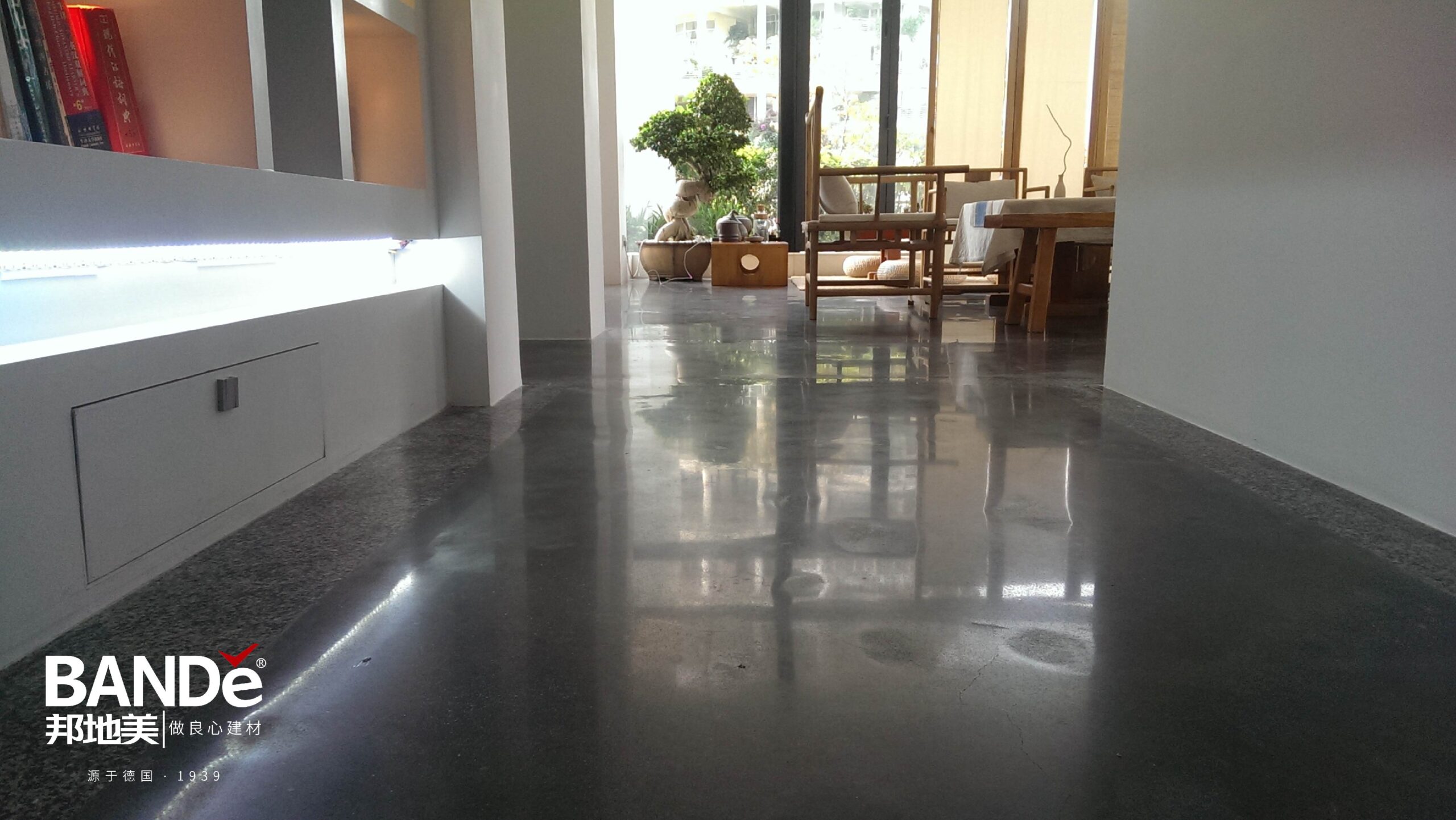
One standout option is the BANDě concrete hardener. This product is designed for quick application and deep penetration, going 3-8mm into the concrete. It offers a self-polishing effect, superior dust-proofing, and stain resistance. Plus, it’s eco-friendly, making it a great choice for those conscious of environmental impact.
By considering these factors, you can select the right concrete floor hardener that meets your specific needs and ensures a durable, long-lasting surface.
Surface Preparation for Durability
Proper surface preparation is key to enhancing the durability and strength of your concrete floor. It ensures that the floor hardener can penetrate effectively, leading to better adhesion and overall performance. Here are some essential cleaning techniques and repair methods to consider.
Cleaning Techniques
To prepare your concrete surface, follow these steps:
Thoroughly clean the concrete surface to eliminate grease, oil, and other contaminants.
Use a degreaser for stubborn spots and rinse well.
Fill any cracks or holes with a concrete patching compound and allow it to dry completely.
Ensure the surface is clean and dry before proceeding.
Additionally, grinding and honing the existing substrate can help create a smooth surface for the hardener application. This step is crucial because proper preparation allows the liquid floor hardener to react effectively with the concrete, enhancing its strength and durability.
Repairing Concrete Damage
Before applying a floor hardener, it’s vital to address any concrete damage. Here’s a quick guide on what to repair:
Type of Damage | Repair Action |
|---|---|
Loose or damaged concrete | Remove all loose and damaged concrete. |
Cracks and surface defects | Repair cracks and surface defects before coating. |
Cleanliness of surface | Ensure the surface is clean and properly prepared. |
Ignoring these repairs can lead to poor adhesion and reduced effectiveness of the hardener. For instance, if existing cracks and holes are not fixed, they can compromise the integrity of the floor, leading to bubbling or blistering due to trapped humidity.
By following these surface preparation methods, you can maximize the benefits of your concrete floor hardener, ensuring a long-lasting and durable finish.
Application Techniques for Strength
Applying a concrete floor hardener correctly is essential for maximizing its effectiveness. The right techniques can significantly enhance the durability and strength of your floor. Let’s dive into the tools and equipment you’ll need, followed by a step-by-step application process.
Tools and Equipment
Before you start, gather the necessary tools and equipment. Here’s a list to help you prepare:
Sprayer or Squeegee: For even application of the floor hardener.
Broom or Vacuum: To clean the surface thoroughly before application.
Concrete Grinder: If you need to smooth out the surface or remove any imperfections.
Measuring Tools: To ensure you mix the hardener according to the manufacturer’s instructions.
Protective Gear: Gloves, goggles, and a mask to keep you safe during the application process.
Having the right tools makes the application smoother and more efficient.
Step-by-Step Application Process
Now that you have your tools ready, follow these steps for a successful application:
Prepare the Surface: Start by cleaning the floor thoroughly. Remove all dirt, debris, and any contaminants. If there are cracks or damage, repair them and allow the repairs to cure completely.
Mix the Floor Hardener: Follow the manufacturer’s instructions for mixing the hardener. This step is crucial because the right mixture ensures optimal performance.
Apply the Floor Hardener: Use a sprayer or squeegee to apply the hardener evenly across the surface. Make sure to cover all areas without leaving any spots.
Allow to Dry: Let the first layer dry completely before applying additional layers. This step is vital for achieving maximum adhesion and strength. Typically, applying 2-3 full applications of the hardener is recommended.
Finishing Touches: Once the final layer is dry, consider applying a sealer for added protection and to enhance the appearance of your floor.
Tip: Always follow the manufacturer’s instructions closely. Adhering to these guidelines ensures that you achieve the best results in terms of durability and strength. Proper curing time is also essential, as it allows the concrete to reach its full potential. Insufficient curing can lead to weak spots and reduce the overall effectiveness of the hardener.
By following these application techniques, you can significantly improve the durability and strength of your concrete floor. Remember, the right preparation and application methods lay the foundation for a long-lasting surface.
Maintenance for Longevity
Maintaining your concrete floor is essential for ensuring its longevity and performance. With the right care, you can keep your surface looking great and functioning well for years to come.
Regular Cleaning
Regular cleaning is a breeze with polished concrete surfaces. It helps maintain their appearance and performance. Here are some tips for effective cleaning:
Sweep or dust mop at least twice a week to prevent dirt buildup.
Wet mop weekly using a pH-neutral cleaner to avoid degrading the hardener.
Use protective mats in high-traffic areas to reduce scratches and impact damage.
For optimal results, consider these cleaning agents:
Concrete Cleaners: Non-fuming cleaners are effective for maintaining treated surfaces.
DailyKlean: An EPA-recognized cleaner ideal for daily maintenance.
DiamaClean-30: Designed specifically for floors treated with lithium silicate hardeners.
Addressing Wear and Tear
Even with proper maintenance, wear and tear can occur. Look out for signs like cracks wider than ¼ inch, scratches, or dust emissions in busy areas. Here’s how to address these issues:
Regularly inspect your concrete floor for any signs of damage.
Call a professional for serious issues, but address minor cracks before they worsen.
Ensure proper sealing and curing to prevent moisture-related failures.
By staying proactive with maintenance, you can enjoy the benefits of using floor hardeners, ensuring your concrete floor remains strong and durable for years to come.
In summary, maximizing the benefits of concrete floor hardeners involves several key practices. Start with proper surface preparation to ensure effective penetration. Repair any imperfections and test for moisture to enhance adhesion. Regular maintenance is crucial for longevity.
Remember, a well-cured concrete structure lasts longer and requires less maintenance, saving you time and money in the long run!
Implement these tips for optimal results and enjoy a durable, beautiful floor.
FAQ
What is a concrete floor hardener?
A concrete floor hardener is a solution that enhances the durability and strength of concrete surfaces, making them more resistant to wear and tear.
How do I apply a floor hardener?
To apply a floor hardener, clean the surface, mix the product as instructed, and evenly spread it using a sprayer or squeegee.
Can I use coatings over a floor hardener?
Yes, you can apply coatings over a floor hardener. Ensure the surface is clean and fully cured for best results.
See Also
Choosing The Ideal Concrete Floor Hardener For 2025
Five Simple Tips For Concrete Hardener In 2025
Understanding BANDě Concrete Floor Hardener: Essential Information
Floor Hardener: Definition And Functionality Explained
Selecting The Right Concrete Densifier For Warehouse Flooring
