


Art invites you to touch, feel, and connect. The textures you encounter can transform your experience, especially when you explore natural fiber-based texture paint. These materials not only enhance the tactile quality of your artwork but also echo the beauty of nature. How do these unique textures influence your artistic expression?
Natural fibers are renewable, biodegradable, and often locally sourced, making them a friend to both the environment and your home’s design.
Key Takeaways
Natural fibers enhance the tactile experience of art, evoking emotions and memories through their unique textures.
Engaging with fiber art allows for personal expression and storytelling, connecting you to cultural narratives and your own journey.
Crafting with natural fibers offers psychological benefits, such as stress reduction and improved mental well-being, making it a rewarding creative outlet.
Tactile Experience of Natural Fibers
The Power of Texture in Art
When you engage with art, texture plays a crucial role in shaping your experience. Natural fibers bring a unique tactile experience that can evoke emotions and memories. Imagine running your fingers over a piece of fiber art; the varying textures can transport you to different places and times. Artists often describe how texture enhances emotional connections, making their work more immersive.
Here are some ways texture influences your interaction with art:
Emotional Connection: Different textures can evoke specific feelings. A rough surface might remind you of rugged landscapes, while a smooth one could bring to mind calm waters.
Storytelling: Artists use texture as a storytelling tool. Each fiber can convey a narrative, inviting you to explore deeper meanings behind the artwork.
Personal Experience: Engaging with fiber art allows you to create personal experiences. The tactile nature of these materials transforms your interaction into a multi-sensory journey.
Scientific studies support these claims. They show that sensory design enhances visitor engagement by integrating tactile elements with other sensory stimuli. Tactile installations foster personal connections by allowing physical interaction with the art. Moreover, multisensory environments improve cognitive processing and enhance memory retention of the experience.
Varied Textures in Fiber Art
The world of fiber art is rich with diverse textures, each offering a different experience. From the softness of cotton to the coarseness of jute, the variety of natural materials allows artists to create unique pieces that resonate with viewers.
Consider the innovative work of Wayan Arnata, who incorporates traditional techniques with modern materials. His use of the Ngodi technique, which applies natural fibers to his compositions, showcases how texture can bridge cultural heritage and contemporary art. This blend not only reflects the rich heritage of Indonesian textiles but also pushes the boundaries of materiality in contemporary art.
As you explore fiber art, pay attention to the textures. Each one invites you to touch, feel, and connect. Engaging with fiber art opens up a world of possibilities, where the power of texture becomes a vital part of your artistic journey.
Storytelling Through Fiber Art
Cultural Narratives
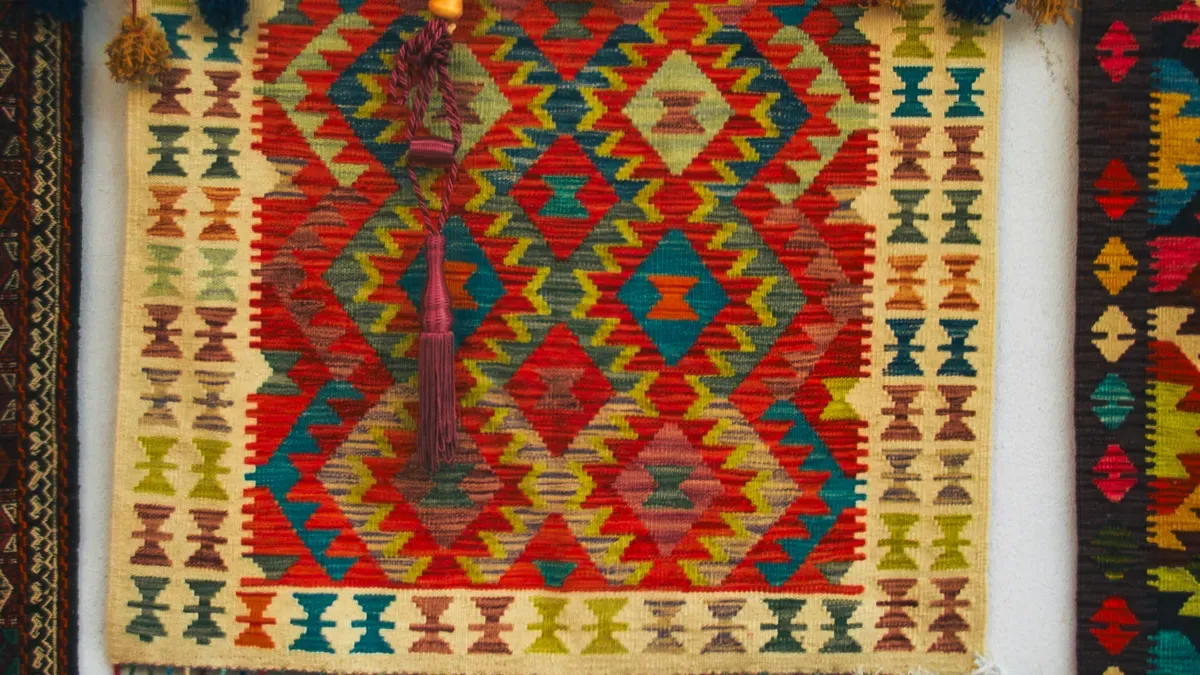
Natural fibers do more than just create beautiful textures; they weave stories that connect us to our cultural roots. Each piece of fiber art can reflect the history, beliefs, and traditions of a community. For instance, the ikat weaving technique, prevalent in Indonesian culture, transforms natural fibers into stunning artworks that tell stories through intricate patterns and motifs. These textiles often embody historical, artistic, and philosophical values, showcasing how deeply intertwined art and culture can be.
When you explore fiber art, consider how these pieces serve as symbols of cultural identity. They carry narratives that speak to the experiences of generations. The fabrics produced through traditional techniques not only beautify spaces but also preserve and communicate the essence of a culture. By engaging with these artworks, you participate in a dialogue that spans time and geography, enriching your understanding of the world.
Personal Expression
Creating fiber art allows you to express your individuality and emotions. The textures and colors you choose can reflect your personal journey, making each piece a unique representation of your thoughts and feelings. Engaging in fiber arts can lead to a ‘flow state’ where you become fully immersed in the process. This state of mind fosters creativity and helps you connect with your inner self.
Moreover, crafting with natural fibers has psychological benefits. It can reduce stress and anxiety, providing a calming effect through focused handiwork. The rhythmic movements involved in activities like knitting or weaving can trigger your body’s relaxation response, helping you stay present and alleviate worries. Here are some benefits of engaging in fiber arts:
Stress Reduction: Crafting can distract from anxiety, offering a sense of calm.
Sense of Control and Belonging: Participating in fiber arts fosters community connections.
Reduction of Depression: The rhythmic nature of crafting can release serotonin, acting as a natural anti-depressant.
Memory Loss Prevention: Activities like knitting can help postpone age-related memory loss.
Sensory Stimulation: Engaging with fiber arts promotes tactile and visual stimulation.
As you create, you not only express yourself but also connect with others who share your passion. Fiber art becomes a medium for storytelling, allowing you to share your experiences and emotions with the world. So, whether you’re crafting alone or in a group, remember that each stitch carries a piece of your narrative.
Natural fibers enrich your art with unique textures and emotional depth. They foster a multi-sensory journey, connecting you to nature and your creative spirit. As you explore these materials, consider how they can transform your artistic practice. The future of art lies in sustainable practices that honor tradition while embracing innovation.
FAQ
What are natural fibers?
Natural fibers come from plants, animals, or minerals. They include materials like cotton, wool, and jute, known for their sustainability and unique textures.
How can I incorporate natural fibers into my art?
You can use natural fibers in various ways, such as weaving, knitting, or collage. Experiment with different textures to enhance your artwork’s depth.
Why are textures important in art?
Textures add emotional depth and sensory engagement to your art. They invite viewers to connect with your work on a personal level.
See Also
Choosing The Ideal Versatile Waterproof Sealer For Your Needs
Acrylic And Epoxy Slip-Resistant Coatings: A 2025 Overview
Comparing Moisture Barriers For Walls And Flooring Options
