

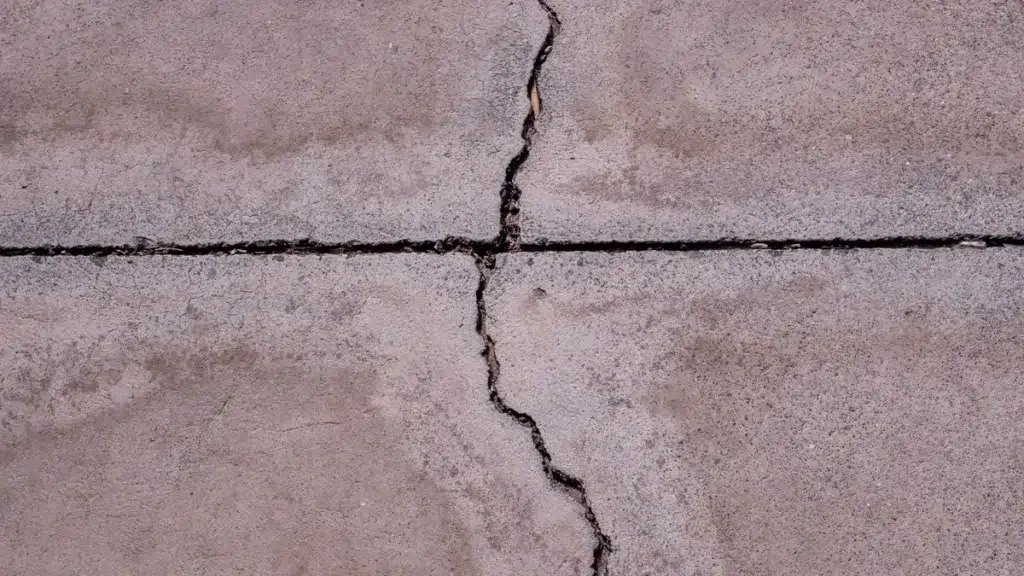
Old House Walls: The Most Intuitive Pain Point of Living Quality
Many older homes, traditional residential buildings, and self-built houses that have been lived in for 10 to 20 years share the same chronic issues: yellowing and darkening walls, crumbling and powdery paint, recurring mold in inner corners, efflorescence (white salt deposits), and wall cracking or hollowing. Many homeowners want to renovate but face a dilemma: completely gutting and rebuilding the walls is time-consuming, labor-intensive, and expensive; yet simply applying a fresh coat of latex paint often leads to mold and peeling within six months.
Many older homes, traditional residential buildings, and self-built houses that have been lived in for 10 to 20 years share the same chronic issues: yellowing and darkening walls, crumbling and powdery paint, recurring mold in inner corners, efflorescence (white salt deposits), and wall cracking or hollowing. Many homeowners want to renovate but face a dilemma: completely gutting and rebuilding the walls is time-consuming, labor-intensive, and expensive; yet simply applying a fresh coat of latex paint often leads to mold and peeling within six months.
Renovating old walls is not just about “applying fresh paint to cover up flaws.” After over a decade, the wall structure has aged, the base layer has suffered severe moisture damage, and heavy salt deposits have accumulated. The interior of the walls has already gathered a massive amount of moisture, salts, and mold. If standard renovation methods are used, it will only treat the symptoms, not the root cause, and the renovation will quickly become a rework. This article explains the causes of old interior wall damage, common renovation mistakes, a quick renovation process, and professional material selection in simple terms, helping old house owners solve the problem of aging walls with low cost, high efficiency, and permanent results.
1. What Are the Common Wall Problems in 20-Year-Old Homes?
1. Efflorescence and Repeated Peeling:
Early construction techniques were simple, with no alkali-resistant or moisture-proof protection. The cement and red brick base layers contain high levels of alkaline salts. Constantly affected by underground moisture and outdoor rainwater penetration, these salts continuously seep to the surface, forming white crystalline deposits. These alkaline substances continuously corrode the putty and paint layers, causing the walls to powder, shed dust, and peel. Touching the wall leaves white dust on your hands, and no paint will adhere properly.
Early construction techniques were simple, with no alkali-resistant or moisture-proof protection. The cement and red brick base layers contain high levels of alkaline salts. Constantly affected by underground moisture and outdoor rainwater penetration, these salts continuously seep to the surface, forming white crystalline deposits. These alkaline substances continuously corrode the putty and paint layers, causing the walls to powder, shed dust, and peel. Touching the wall leaves white dust on your hands, and no paint will adhere properly.
2. Severe Dampness and Mold, with Permanently Blackened Corners:
Older communities had low waterproofing standards, aging and cracking exterior walls, and failed window frame seals, allowing a constant influx of moisture. Combined with poor ventilation designs in early homes, moisture from kitchens and bathrooms gets trapped indoors. Inner corners, walls without direct light, and walls behind beds are highly susceptible to mold. Even if you repeatedly wipe away the mold spots, the black stains return. The mold spores are deeply embedded in the base layer and cannot be eradicated by simple wiping.
Older communities had low waterproofing standards, aging and cracking exterior walls, and failed window frame seals, allowing a constant influx of moisture. Combined with poor ventilation designs in early homes, moisture from kitchens and bathrooms gets trapped indoors. Inner corners, walls without direct light, and walls behind beds are highly susceptible to mold. Even if you repeatedly wipe away the mold spots, the black stains return. The mold spores are deeply embedded in the base layer and cannot be eradicated by simple wiping.
3. Cracking, Hollowing, and Yellowing:
After over a decade of thermal expansion, contraction, and natural settling, old house walls commonly develop fine cracks, alligator cracking, and hollowing. Meanwhile, years of accumulated cooking oil, moisture, and dust cause the walls to turn yellow and dull. Even with brand-new furniture, the house still looks old and oppressive, severely affecting the visual appeal and property value.
After over a decade of thermal expansion, contraction, and natural settling, old house walls commonly develop fine cracks, alligator cracking, and hollowing. Meanwhile, years of accumulated cooking oil, moisture, and dust cause the walls to turn yellow and dull. Even with brand-new furniture, the house still looks old and oppressive, severely affecting the visual appeal and property value.
4. Poor Indoor Air Quality and Strong Odors:
Old, moldy walls continuously release mold toxins and musty odors, resulting in turbid, dusty, and foul-smelling indoor air. For the elderly, children, and people with sensitive constitutions, this can easily trigger rhinitis, skin itching, and respiratory discomfort, seriously affecting long-term health.
Old, moldy walls continuously release mold toxins and musty odors, resulting in turbid, dusty, and foul-smelling indoor air. For the elderly, children, and people with sensitive constitutions, this can easily trigger rhinitis, skin itching, and respiratory discomfort, seriously affecting long-term health.
2. The Most Common Mistakes in Old House Renovation
1. Sanding and Painting Directly (Surface Cover-up):
This is the biggest mistake. The old base layer is inherently damp, alkaline, and loose. Applying latex paint directly means the new film adheres to a moldy, loose layer. Moisture cannot escape; it looks clean for a short time, but within 3 to 5 months, it will inevitably bubble, peel, and turn black again.
This is the biggest mistake. The old base layer is inherently damp, alkaline, and loose. Applying latex paint directly means the new film adheres to a moldy, loose layer. Moisture cannot escape; it looks clean for a short time, but within 3 to 5 months, it will inevitably bubble, peel, and turn black again.
2. Applying Large Areas of Wallpaper/Wall Cloth to Hide Flaws:
Many homeowners choose wall cloth to cover up mold and cracks for aesthetic reasons. However, sealed wallpaper completely locks in the wall’s moisture. The base layer’s humidity cannot evaporate, causing continuous internal rot and mold. After half a year, the wallpaper will turn black, bulge, and develop mold, making future removal even more expensive.
Many homeowners choose wall cloth to cover up mold and cracks for aesthetic reasons. However, sealed wallpaper completely locks in the wall’s moisture. The base layer’s humidity cannot evaporate, causing continuous internal rot and mold. After half a year, the wallpaper will turn black, bulge, and develop mold, making future removal even more expensive.
3. Using Strong Acid for Mold Removal and Simple Rinsing:
Cheap mold removers and strong alkali-removal agents on the market can only temporarily remove surface mold and white frost. The acid-base reaction produces new salts, accelerating salt accumulation in the wall. This leads to more frequent efflorescence and mold, and the wall becomes increasingly loose.
Cheap mold removers and strong alkali-removal agents on the market can only temporarily remove surface mold and white frost. The acid-base reaction produces new salts, accelerating salt accumulation in the wall. This leads to more frequent efflorescence and mold, and the wall becomes increasingly loose.
4. Blindly Gutting the Entire House, Leading to High Workload and Costs:
Many renovation companies suggest scraping everything down to the red brick. This results in extremely high labor and debris removal costs and a long construction period, severely disrupting normal living. In reality, a qualified “minimally invasive renovation” doesn’t require excessive scraping; retaining the solid base layer can significantly save the budget.
Many renovation companies suggest scraping everything down to the red brick. This results in extremely high labor and debris removal costs and a long construction period, severely disrupting normal living. In reality, a qualified “minimally invasive renovation” doesn’t require excessive scraping; retaining the solid base layer can significantly save the budget.
3. Scientific and Quick Interior Wall Renovation Process (Ideal for 10-20 Year Old Homes)
1. Partial Scraping to Remove Diseased Layers:
No need for large-scale violent scraping. Only scrape away loose walls that are hollowed, powdered, moldy, or peeling. Retain the hard, solid original base layer to reduce construction time and lower renovation costs. Professionally sterilize and treat the blackened mold spots to completely eliminate deep mold spores and remove musty odors.
No need for large-scale violent scraping. Only scrape away loose walls that are hollowed, powdered, moldy, or peeling. Retain the hard, solid original base layer to reduce construction time and lower renovation costs. Professionally sterilize and treat the blackened mold spots to completely eliminate deep mold spores and remove musty odors.
2. Penetrating Waterproofing and Alkali Locking to Reinforce the Aging Base Layer (Core Step):
The success of old house renovation does not depend on the topcoat, but on base layer reinforcement. After cleaning, evenly apply BANDě penetrating inorganic aqueous waterproofing agent to the cement wall and plaster layer. Relying on small molecules, the product penetrates 3-5 mm deep into the wall, sealing the loose capillaries of the old wall and blocking underground moisture and indoor condensation. It simultaneously hardens and locks the alkaline salts accumulated over the years, permanently preventing efflorescence.
The success of old house renovation does not depend on the topcoat, but on base layer reinforcement. After cleaning, evenly apply BANDě penetrating inorganic aqueous waterproofing agent to the cement wall and plaster layer. Relying on small molecules, the product penetrates 3-5 mm deep into the wall, sealing the loose capillaries of the old wall and blocking underground moisture and indoor condensation. It simultaneously hardens and locks the alkaline salts accumulated over the years, permanently preventing efflorescence.
Unlike ordinary film-forming coatings, inorganic penetrating materials are breathable. Internal wall moisture can escape normally, preventing trapped moisture, bubbling, and delamination, making it perfectly suited for aging, loose old walls.
3. Fine Leveling to Repair Cracks and Defects:
Use BANDě alkali-resistant and anti-mold inorganic powder to repair and level holes, cracks, and joints. For common alligator cracks and settlement joints in old houses, apply reinforcement and anti-cracking treatments to increase wall density and prevent future cracking.
Use BANDě alkali-resistant and anti-mold inorganic powder to repair and level holes, cracks, and joints. For common alligator cracks and settlement joints in old houses, apply reinforcement and anti-cracking treatments to increase wall density and prevent future cracking.
4. Eco-Friendly Inorganic Topcoat for a Healthy Makeover:
For the top layer, prioritize BANDě negative ion inorganic interior wall paint. The inorganic material is fireproof, moisture-proof, antibacterial, and anti-mold, perfectly adapting to the damp environment of old houses. It continuously releases negative oxygen ions to settle indoor dust and decompose residual odors, improving turbid air. The paint film is hard, scrub-resistant, and ages without yellowing. After renovation, the wall looks clean, elegant, and premium, with a lifespan far exceeding ordinary latex paint.
For the top layer, prioritize BANDě negative ion inorganic interior wall paint. The inorganic material is fireproof, moisture-proof, antibacterial, and anti-mold, perfectly adapting to the damp environment of old houses. It continuously releases negative oxygen ions to settle indoor dust and decompose residual odors, improving turbid air. The paint film is hard, scrub-resistant, and ages without yellowing. After renovation, the wall looks clean, elegant, and premium, with a lifespan far exceeding ordinary latex paint.
5. Ventilation After Completion for Quick Move-In:
The entire renovation process uses inorganic eco-friendly materials with no formaldehyde, heavy metals, or irritating odors. After a few days of ventilation, the space is safe to move into, with no need for long-term empty airing. This is especially suitable for quick renovations in owner-occupied homes, elderly rooms, and children’s rooms.
The entire renovation process uses inorganic eco-friendly materials with no formaldehyde, heavy metals, or irritating odors. After a few days of ventilation, the space is safe to move into, with no need for long-term empty airing. This is especially suitable for quick renovations in owner-occupied homes, elderly rooms, and children’s rooms.
4. Why Recommend Inorganic Functional Materials for Old House Renovation?
For 10-20 year old walls, using ordinary organic latex paint or poor-quality sealers is strictly taboo. Ordinary paint films have poor breathability and weak alkali resistance, making them highly susceptible to corrosion by old wall salts. BANDě inorganic materials have a pH level close to cement, sharing the same properties as the wall and offering extreme compatibility. After penetrating and hardening, they are moisture-resistant, mold-resistant, and salt-alkali resistant, perfectly adapting to old, loose base layers. Additionally, BANDě inorganic paint is fire-retardant, stain-resistant, dust-proof, and ages without discoloration. A single renovation can last over a decade without repeated repairs.
For 10-20 year old walls, using ordinary organic latex paint or poor-quality sealers is strictly taboo. Ordinary paint films have poor breathability and weak alkali resistance, making them highly susceptible to corrosion by old wall salts. BANDě inorganic materials have a pH level close to cement, sharing the same properties as the wall and offering extreme compatibility. After penetrating and hardening, they are moisture-resistant, mold-resistant, and salt-alkali resistant, perfectly adapting to old, loose base layers. Additionally, BANDě inorganic paint is fire-retardant, stain-resistant, dust-proof, and ages without discoloration. A single renovation can last over a decade without repeated repairs.
5. Old House Renovation Summary: Avoid Detours, Renovate Scientifically
For houses lived in for 10-20 years, wall mold, efflorescence, peeling, and yellowing are structural aging issues, not just surface dirt. The biggest mistake in old house renovation is only doing surface beautification while ignoring base layer reinforcement. For a one-time, long-lasting renovation, you must follow the scientific process: Sterilization & Mold Removal — Penetrating Alkali Locking — Base Layer Reinforcement — Fine Leveling — Eco-Friendly Topcoat.
For houses lived in for 10-20 years, wall mold, efflorescence, peeling, and yellowing are structural aging issues, not just surface dirt. The biggest mistake in old house renovation is only doing surface beautification while ignoring base layer reinforcement. For a one-time, long-lasting renovation, you must follow the scientific process: Sterilization & Mold Removal — Penetrating Alkali Locking — Base Layer Reinforcement — Fine Leveling — Eco-Friendly Topcoat.
Low cost, short construction time, zero pollution, and minimal disruption are the core demands of modern old house renovation. Adopting the “inorganic penetrating protection + inorganic paint makeover” solution solves the chronic issues of mold, efflorescence, and shedding, while optimizing indoor air quality and eliminating musty odors, dust, and bacteria. It allows old houses to regain a clean, fresh, and healthy living environment without massive demolition, breathing new life into old properties.
About the Manufacturer
Shenzhen Bangshifu Technology Co., Ltd. is a core member of Yuchuan International Group. Founded in 2008 and certified as a “Dual High-Tech Enterprise,” the company focuses on green, low-carbon, eco-friendly inorganic building materials, with business coverage spanning the globe.
Shenzhen Bangshifu Technology Co., Ltd. is a core member of Yuchuan International Group. Founded in 2008 and certified as a “Dual High-Tech Enterprise,” the company focuses on green, low-carbon, eco-friendly inorganic building materials, with business coverage spanning the globe.
On the production end, the company boasts a smart factory where automated production lines are combined with a four-tier quality control system to ensure product stability and green manufacturing throughout the entire process. The company offers flexible cooperation models, providing OEM/ODM customization, drop-shipping, and comprehensive testing reports to meet personalized needs.
Currently, the products have served countries and regions including Canada, the Solomon Islands, and Indonesia, adapting to various regional scenarios. With its technical strength and premium service, the company has become a reliable partner in the global green inorganic building materials sector.
