

Unsightly stains, oil spills, and water damage often frustrate homeowners with concrete patios. You might see cracking, fading, or even efflorescence. What if you could repel all these issues with one simple, all-in-one solution? A well-maintained patio boosts your home’s curb appeal and lasts longer. What if you could repel all these issues with one easy application, ensuring the concrete doesn’t get dirty?
Key Takeaways
Keep your concrete patio clean with regular sweeping and mild soap. This stops dirt from building up and prevents stains.
Seal your patio to protect it from stains, oil, and water. Sealing makes your patio last longer and easier to clean.
Always clean and fix your patio before sealing it. This helps the sealer work best and keeps your patio looking good for many years.
Concrete Vulnerabilities
Why Concrete Stains Easily
You might think your concrete patio is a solid, impenetrable surface, but that’s not entirely true. Concrete can be porous due to its manufacturing process, specifically how it is mixed and cured. This porous characteristic allows spills to penetrate the surface, making the concrete vulnerable to staining and challenging to clean effectively. Imagine tiny sponges all over your patio; that’s essentially what you’re dealing with. When you spill coffee, wine, or even just dirt, these substances soak right into those pores. Once they’re deep inside, simply wiping them away becomes impossible. This inherent vulnerability makes preventing stains a constant battle if your patio remains unprotected.
Oil and Water Damage
Beyond everyday spills, oil and water pose significant threats to your concrete. Oil from a leaky car or a dropped burger can quickly seep into the concrete, leaving dark, stubborn grease spots that are incredibly difficult to remove. Water, while seemingly harmless, causes even more insidious damage. Water infiltration contributes to spalling when moisture penetrates concrete (or brick), freezes, and causes the surface to chip or flake off. This process is common in cold climates and indicates significant moisture issues. Furthermore, if your patio has any existing cracks, water will find its way in. Crack sealing is crucial to prevent water penetration, which can lead to further damage in concrete. By sealing cracks, a waterproof barrier is created, extending the concrete’s lifespan. This constant cycle of freezing and thawing can expand those cracks, leading to more severe structural problems over time.
Daily Habits for Keeping Concrete from Getting Dirty
Maintaining a clean concrete patio doesn’t always require heavy-duty work. Simple, consistent habits can make a huge difference. You can keep your patio looking great and prevent many common issues with just a little effort.
Regular Sweeping and Rinsing
You can easily prevent a lot of dirt buildup on your concrete patio. Make regular sweeping or blowing a habit. This is important to stop debris from embedding in the concrete. Think about sweeping or blowing your patio monthly. This simple cleaning step removes loose dirt, leaves, and other small particles. You stop them from grinding into the surface. A quick rinse with a garden hose can wash away any remaining dust after sweeping. This keeps your patio looking fresh. It also significantly reduces the need for more intensive cleaning later. This consistent effort is your first line of defense against a dirty patio. You are actively preventing stains before they even start.
Mild Detergent Cleaning
For a deeper routine cleaning, use water and a pH-neutral cleaner. This type of cleaning is gentle on your concrete. It effectively deters mold, algae, and mildew from taking hold. You just need a bucket of warm water, a mild detergent, and a soft-bristle brush. Scrub the surface gently. Then, rinse it thoroughly with your hose. This regular washing prevents unsightly green or black spots. It also keeps your patio hygienic. This simple cleaning method makes a big difference in maintaining your patio’s appearance. You are actively protecting your investment with consistent cleaning. This proactive approach saves you time and effort in the long run. It also prepares your patio for any future protective treatments.
Deep Cleaning Techniques for Stains
Sometimes, your daily habits aren’t enough. You need more intensive cleaning methods for those stubborn stains that just won’t budge. Don’t worry; you have powerful tools at your disposal for a truly deep cleaning.
Effective Pressure Washing
Pressure washing is your go-to for a powerful, overall cleaning. It blasts away grime and embedded dirt from your concrete patio. You’ll see a huge difference in its appearance. Just make sure you use the right pressure setting for your concrete type. Too much pressure can damage the surface. This method offers a quick and effective way to refresh your entire patio.
Chemical Stain Removal
For specific, tough stains, chemical cleaning works wonders. You can pre-treat these spots before a full wash. For oil, a good degreaser is essential. It breaks down the grease so you can rinse it away. For mildew and mold, bleach is an effective disinfectant. Be careful with bleach, though; it can potentially bleach or damage surfaces if you don’t use it correctly. Always wear appropriate personal protective equipment (PPE) when you use it. You also find specialized cleaners available for targeting specific stains like rust. Always follow the manufacturer’s instructions carefully for optimal results with these products. They give you the best results for your deep cleaning efforts.
Manual Scrubbing Methods
Sometimes, you just need to get in there with a brush. Manual scrubbing is a reliable cleaning method for those really set-in spots. Use a stiff-bristle brush with your chosen cleaner. Work in small sections. This focused cleaning can lift stains that other methods might miss. It’s a bit more work, but it’s incredibly effective for targeted stain removal.
Concrete Sealing: The Ultimate Protection
You have swept, rinsed, scrubbed, and even pressure washed your patio. Now, you want to keep it looking great for the long haul. This is where concrete sealing comes in. Think of it as the ultimate shield for your outdoor living space.
What Concrete Sealing Does
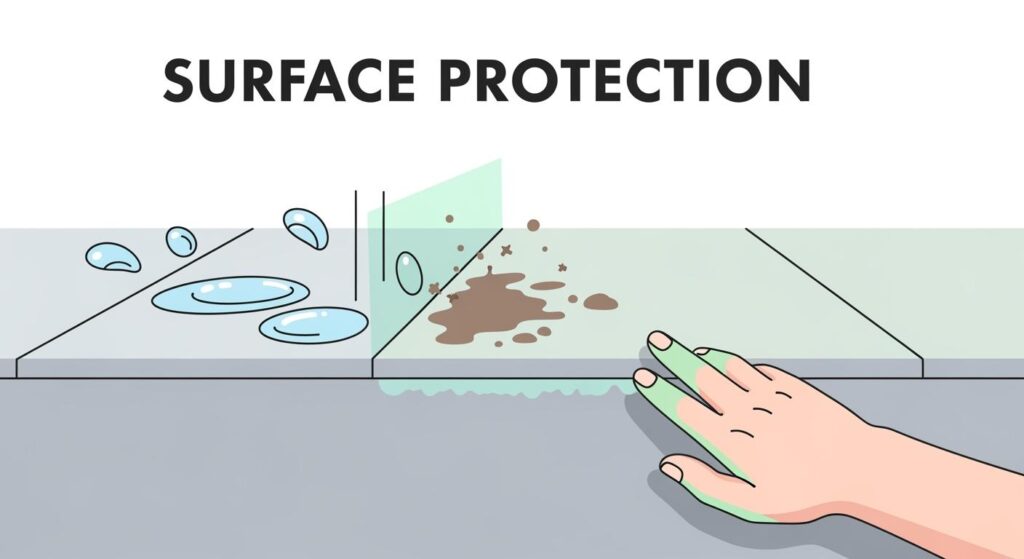
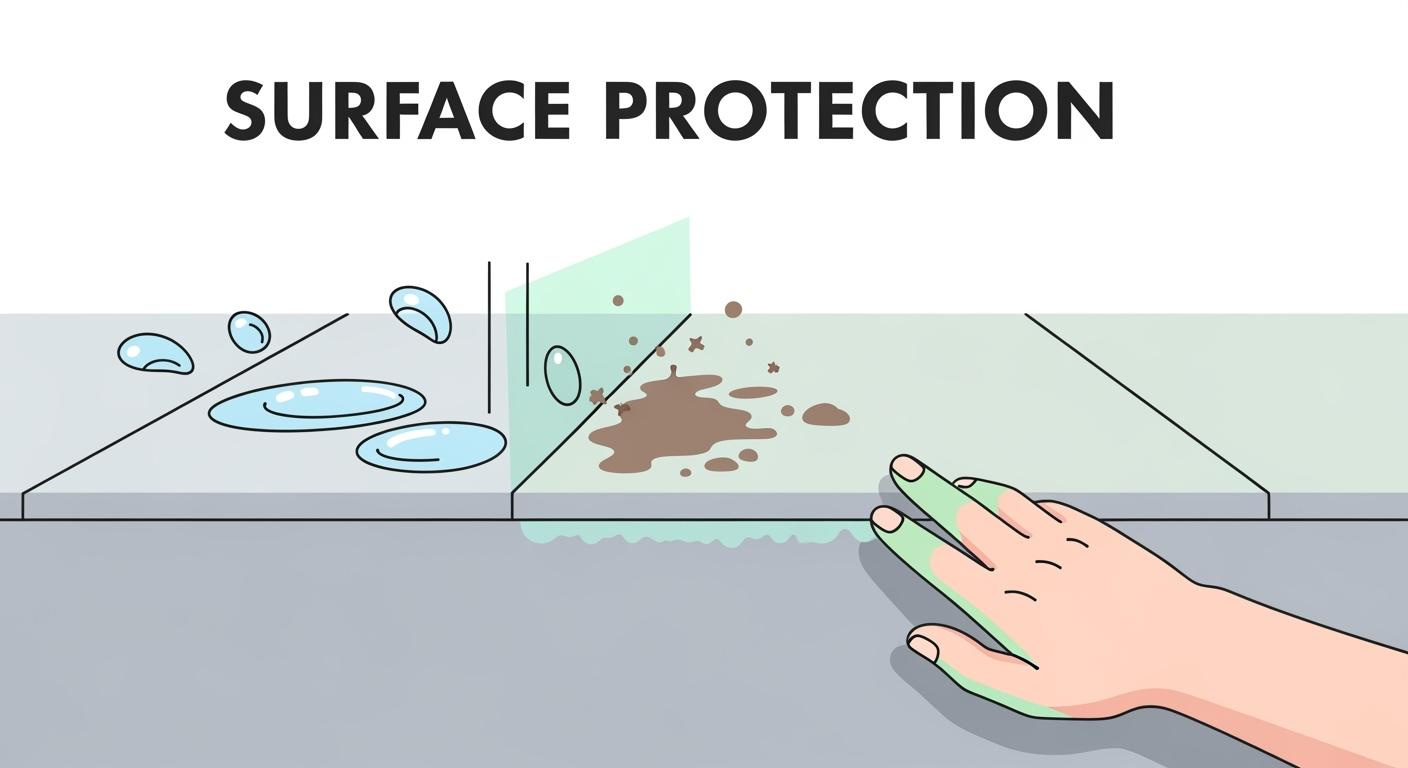
Concrete sealing applies a protective layer to your patio’s surface. This layer acts like an invisible force field. It stops harmful elements from getting into your concrete. You are essentially creating a barrier. This barrier protects against stains, oil, water, and even UV rays. It helps your patio resist wear and tear. Sealing also makes your concrete easier to clean in the future. You will spend less time scrubbing and more time enjoying your beautiful patio.
How Sealants Repel Elements
You might wonder how these sealants actually work their magic. It is all about creating a powerful defense against moisture and other liquids. Many advanced sealing solutions use special techniques. They establish a durable, water-resistant barrier. This barrier gives your patio long-term defense against leaks, moisture damage, and environmental stress.
Some sealants, like cement-based renders, have specially formulated chemicals. These chemicals penetrate deep into the concrete. They react with un-hydrated cement particles and water. This reaction creates millions of tiny crystals (floor coating materials/protective coating materials). These crystals are similar to natural ones but are longer and thicker. They fill up the tiny pores and capillaries inside your concrete. This process creates a solid, integral waterproof layer.
Other sealants use a unique combination of technologies. They reduce water absorption significantly. These products create a hydrophobic and pore-blocking system. They make the concrete repel water. They also reduce the surface tension within the concrete’s pores. This action helps reduce shrinkage and improves the overall water resistance of your patio. You get a surface that actively pushes water away.
Benefits of a Sealed Patio
Sealing your patio offers many fantastic benefits. First, you get enhanced appearance. A sealed patio often looks richer and more vibrant. It can even bring out the natural colors of your concrete. Second, you extend its lifespan. The protective barrier prevents damage from weathering and daily use. This means your patio lasts much longer. Third, you reduce maintenance effort. Spills sit on the surface instead of soaking in. This makes cleanup a breeze. You just wipe them away. Finally, you protect your investment. A well-maintained and sealed patio adds value to your home. It gives you a beautiful, worry-free outdoor space for years to come.
Patio Preparation for Sealing
Before you apply any sealer, you need to get your patio ready. Proper preparation is key for the sealer to work its best. Think of it as setting the stage for ultimate protection.
Through Cleaning Before Sealing
You must give your patio a thorough cleaning before you seal it. This is perhaps the most important step. Any dirt, grime, oil, or old sealer left on the surface will prevent the new sealer from bonding correctly. You can use a pressure washer for a deep cleaning, or scrub it by hand with a good concrete cleaner. Make sure you remove all debris and stains. This initial cleaning ensures a clean slate for your protective layer.
Repairing Surface Imperfections
Next, you need to inspect your patio for any damage. Look for cracks, chips, or areas where the concrete has flaked. You must repair these surface imperfections before sealing. Use a suitable concrete patch or crack filler. If you seal over damaged areas, the sealer will not perform well. It can even highlight the flaws. Taking the time to fix these issues now will give you a much smoother and more durable finish.
Ensuring Complete Dryness
Finally, your concrete must be completely dry before you apply any sealer. This step is crucial. Moisture trapped under the sealer can cause it to fail, leading to bubbling or peeling. The recommended moisture content for concrete before sealer application is less than 5%, based on ASTM F2659. After your thorough cleaning and repairs, allow plenty of time for the patio to dry. This might take several days, depending on the weather and humidity. You want to make sure no moisture remains. A dry surface ensures the sealer penetrates and adheres properly, giving you the best possible protection.
Selecting the Right Concrete Sealer
You’ve done all the hard work cleaning and preparing your patio, right? Now, you face a crucial decision: choosing the right concrete sealer. This choice directly impacts how well your patio resists stains, oil, and water. It also affects its look and how long that protection lasts. You want a sealer that fits your patio’s needs and your lifestyle. Let’s explore your options.
Types of Concrete Sealers
You have several excellent choices when it comes to concrete sealers. Each type offers different benefits and characteristics. Understanding these differences helps you pick the best one for your patio.
Acrylic Sealers: These are very popular. You will find them easy to apply. They often enhance your concrete’s color, giving it a “wet look” or a subtle sheen. Acrylics form a protective film on the surface. They offer good protection against water and stains. However, they typically need reapplication every 1-3 years. They are not as durable as other options.
Epoxy Sealers: You get superior durability with epoxy sealers. They create a very hard, tough surface. These sealers resist chemicals, abrasions, and heavy traffic. They are often used in garages or industrial settings. Epoxy sealers usually provide a high-gloss finish. They can be more challenging to apply. They also might become slippery when wet.
Penetrating Sealers: These sealers work differently. They don’t form a film on the surface. Instead, they soak into the concrete. They react chemically within the pores. This creates a barrier that repels water and other liquids from within. You won’t see a change in your concrete’s appearance. They offer long-lasting protection, often for 5-10 years or more. They are excellent for natural-looking, breathable protection.
Key Sealer Features
When you choose a sealer, you should consider more than just its type. Several key features will influence your decision. Think about what matters most for your patio.
Durability: How long do you want the protection to last? Some sealers wear down faster than others. A more durable sealer means less frequent reapplication for you.
Finish: Do you prefer a natural, matte look? Or do you want a high-gloss shine? Sealers come in various finishes. You can pick one that complements your home’s aesthetic.
UV Resistance: Your patio sits outside in the sun. A good sealer will resist yellowing or degrading from UV rays. This keeps your patio looking good for longer.
Breathability: Concrete needs to “breathe.” A breathable sealer allows moisture vapor to escape from beneath the surface. This prevents issues like bubbling or peeling.
Ease of Application: Some sealers are simpler for you to apply than others. Consider your comfort level with DIY projects.
Anti-Slip Considerations
You want your patio to be beautiful, but you also want it to be safe. Some sealed surfaces can become slippery, especially when wet. This is a crucial safety consideration for you and your family.
You have options to address this. Many sealers offer anti-slip additives. You can mix these tiny, gritty particles into the sealer before application. They create a textured surface. This texture provides better traction. You can also find sealers specifically formulated with anti-slip properties built-in.
For enhanced safety, especially in areas prone to moisture, you might consider a specialized product. BANDě Anti-Slip Tile Treatment is an excellent option. It creates a microscopic tread pattern on the surface. This significantly increases friction. You get a much safer walking surface, even when it’s wet. This treatment works on many surfaces, including concrete. It gives you peace of mind. You can enjoy your patio without worrying about slips and falls.
Concrete Sealer Application Steps
You have chosen your sealer and prepared your patio. Now comes the exciting part: applying the sealer! This process is straightforward. You just need to follow a few key steps for the best results.
Required Tools and Materials
Before you start, gather everything you need. This makes the job much smoother. You will want:
A paint roller with an extension pole (a ⅜-inch nap roller works well)
A paint tray
A good quality brush for edges and corners
Safety glasses and gloves
Painter’s tape (optional, for protecting adjacent surfaces)
A low-pressure spray unit (optional, for larger areas)
First Coat Application
You are ready for the first coat. This layer is crucial for good adhesion and protection. First, stir the product well before you use it. This helps mix any slight separation. For very porous surfaces, you might need to thin your sealer. For example, you could thin a product like Deltacoat AC by 20-25% with water. This ensures a uniform finish.
You can apply the sealer with a brush, roller, or airless spray. If you use spray equipment, test it on a small area first. Apply the product in a continuous, even film. Work in small sections. Do not apply the sealer if the temperature is below 5°C. Also, avoid applying it when humidity is over 90%. For fresh concrete, apply the sealer right after finishing. If your concrete has a dry-shake hardener, apply it immediately after power-floating.
Second Coat and Curing
After the first coat dries, you can apply the second coat. Check the sealer’s instructions for drying times. Usually, you wait a few hours. Apply the second coat just like the first. Make sure it is even. Two thin coats are always better than one thick coat. After the second coat, your patio needs to cure. This means letting it dry and harden completely. Avoid heavy foot traffic or placing furniture on it for at least 24-48 hours. Full curing can take several days. This waiting period ensures maximum durability and protection for your patio.
Long-Term Concrete Maintenance
You have sealed your patio, giving it excellent protection. Now, you want to keep it looking fantastic for years. Ongoing concrete maintenance is simple, but it makes a big difference. You will protect your investment and enjoy your outdoor space even more.
Routine Care for Sealed Surfaces
You should regularly clean your sealed concrete. Sweep away dirt and debris often. This prevents scratches. Then, hose down your patio to remove surface grime. For tougher spots, use a mild detergent and a brush. This routine concrete care helps maintain the protective layer. Remember, you should use a low-pressure setting if you pressure wash. Too much pressure can etch the surface.
Prompt Spill Cleanup
Even with a sealed patio, you need to act fast on spills. Liquids sit on the surface instead of soaking in. This gives you time to clean them up. Wipe spills immediately to prevent new stains. This simple habit keeps your patio pristine.
Avoiding Damaging Chemicals
You must avoid harsh chemicals on your sealed concrete. Bleach, acidic cleaners, and de-icing salts can damage the surface. They break down the sealer. Instead, choose concrete-safe products. For example, Mould Cleaner 25 L Prolix P804 is suitable for outdoor patio cleaning. It is biodegradable, non-toxic, and safe for kids and pets. This careful maintenance protects your patio’s finish. It ensures long-lasting concrete care.
When to Reapply Sealer
Your sealer will not last forever. You need to reapply a quality concrete sealer as per the manufacturer’s instructions. This maintains its barrier against stains, water penetration, and UV damage. Reapplication is a crucial part of long-term maintenance. It keeps your patio protected and beautiful.
Sealing your concrete patio is a simple, effective solution. You repel stains, oil, and water all at once. You get an enhanced appearance, extended lifespan, and less maintenance. Take proactive steps in 2025. Protect your investment and enjoy a beautiful, worry-free outdoor space. Your well-protected patio offers lasting value.
FAQ
How often do I need to reapply concrete sealer?
You should reapply sealer every 1-5 years. The exact time depends on the sealer type, traffic, and weather. Always check the manufacturer’s recommendations for your specific product.
Can I seal my patio if it’s already stained?
Yes, but you must clean it thoroughly first. Remove all stains, dirt, and debris. Sealing over stains will trap them, making them permanent. A clean surface ensures proper adhesion.
Is concrete sealing a DIY project?
Absolutely! Many concrete sealers are easy for you to apply. Just follow the product instructions carefully. Proper preparation is key for a successful DIY sealing job. You can definitely do it!
See Also
Shielding Your Patio: Preventing Unsightly Oil and Stain Damage
Top 10 Concrete Sealers: Superior Protection for All Your Surfaces
Selecting the Ideal Concrete Sealer: An Essential Protective Guide
Ultimate Concrete Sealer Guide: Safeguarding Your Industrial Flooring Effectively
Elevate Your Surfaces: Premier Concrete Protective Sealers for 2025
