


Textured wall coating manufacturers offer products that transform your space by adding depth and character. These finishes not only cover imperfections but also enhance the visual appeal of your interiors. In fact, they can increase perceived value by up to 10%. Additionally, textured coatings improve sound absorption, creating a more inviting and comfortable environment.
Key Takeaways
Textured wall coatings enhance your home’s beauty and can increase its value by up to 10%.
These coatings are durable, lasting over 15 years, which saves you money on frequent repainting.
Proper preparation is key for applying textured paint; clean and prime your walls for the best results.
Textured Wall Types
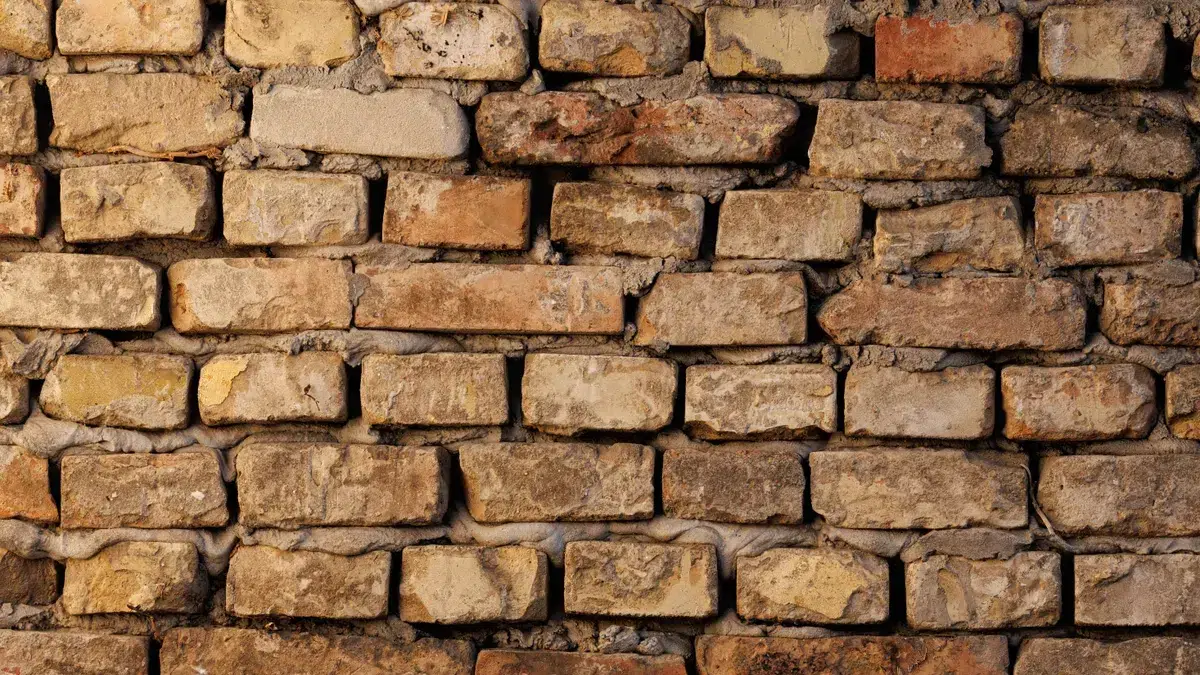
Popular Textured Paints
When you consider creating a textured wall, several popular textured paint types can enhance your space. Here are some of the most sought-after options:
Stucco Texture: This finish gives a warm, earthy look, making it ideal for living rooms and entrance halls.
Sand Swirl: With its rough texture and round pattern, this style works well in art rooms or children’s spaces.
Brushed Finish: Soft and cloth-like, this finish suits bedrooms and study areas perfectly.
Metallic or Pearl Finish: This luxurious option creates an elegant ambiance, making it great for accent walls in dining rooms or lounges.
These textured paint finishes not only add visual interest but also help conceal wall imperfections, enhancing the overall aesthetic of your home.
Benefits of Textured Wall Coatings
Textured wall coatings offer numerous advantages that make them a popular choice among homeowners. Here are some key benefits:
Durability: Textured coatings can last over 15 years, significantly outlasting traditional paint, which typically lasts only 5-7 years. This longevity means you save money on frequent repainting.
Waterproof and Elastic: These coatings resist water damage and adapt to temperature changes, making them suitable for various climates.
Low Maintenance: You only need to clean textured walls occasionally with mild soap and water. Their robust nature means they don’t chip or peel easily, reducing the need for touch-ups.
Improved Indoor Air Quality: Materials like lime plaster are breathable, helping regulate humidity and minimize condensation. This feature reduces indoor air pollutants, creating a healthier living environment.
Additionally, modern texture paint designs often incorporate eco-friendly materials, aligning with the growing demand for sustainable living. Textured wall paints, such as natural finishes like limewash and microcement, are becoming increasingly popular due to their aesthetic appeal and environmental benefits.
Applying Textured Paint
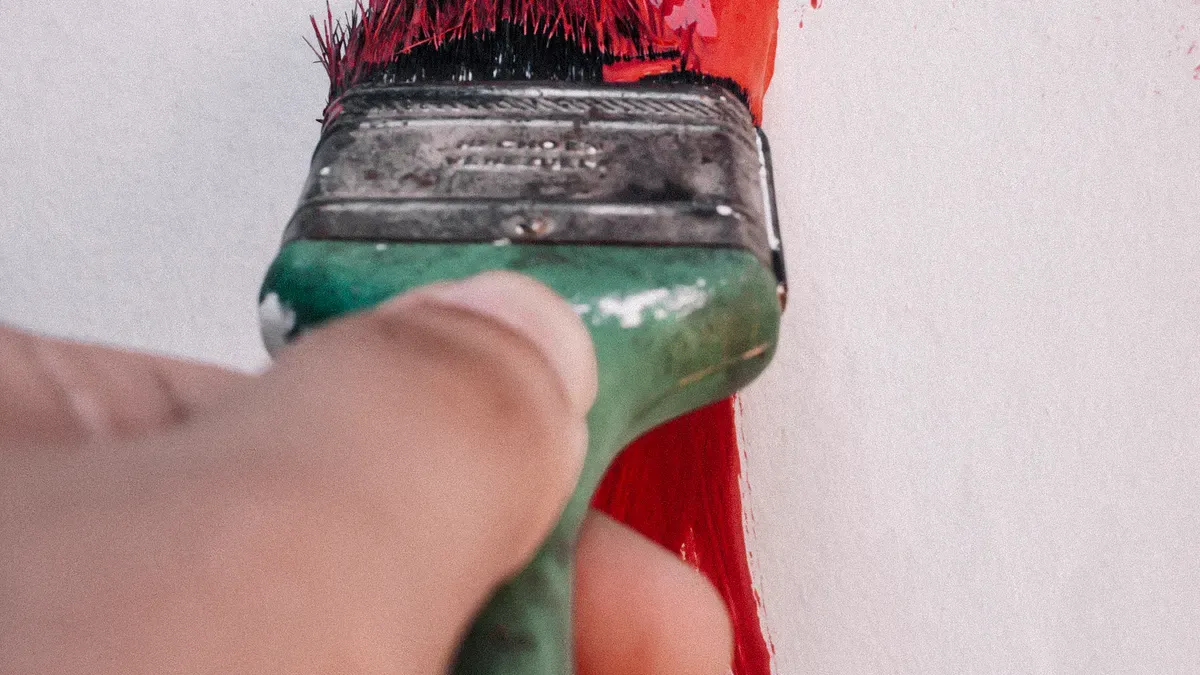
Preparation Steps
Before you create a textured wall, proper preparation is crucial. Follow these steps to ensure a successful application:
Cover Your Space: Protect your furniture, walls, and floors with drop cloths and painter’s tape. This prevents spills from causing damage.
Clean the Walls: Remove dust, dirt, and grease from the walls. Ensure they are completely dry before proceeding.
Prep the Surface: Apply a drywall primer to create a solid base. If you notice any cracks or imperfections, fill them with joint compound and sand the area smooth.
A properly prepared surface is essential for achieving good-looking and long-lasting results. Ensure that the surface is clean, solid, and dry. Skipping these steps can lead to uneven finishes and poor adhesion.
The most expensive job for any painting contractor is the one they have to go back to. Callbacks often trace back to substrate preparation shortcuts or inadequate drying time between coats.
Application Techniques
Once you complete the preparation, you can start the application process. Here are some techniques to consider:
Textured Wall with a Paint Roller: This method works well for larger areas. Use a roller with a thick nap to apply the texture evenly.
Textured Wall with a Sprayer: For a more uniform finish, consider using a sprayer. This technique is ideal for achieving a popcorn texture or other intricate designs.
Textured Wall with a Brush: A brush allows for more control and detail. Use it for creating patterns like sand swirl or slap brush textures.
Textured Wall with a Putty Knife: This tool is perfect for applying joint compound and creating a smooth finish before adding texture.
When applying texture, remember to work in small sections. This approach helps maintain a wet edge, preventing visible lines between sections.
If you feel uncertain about your skills, hiring a professional might be wise. Professionals bring expertise in wall preparation and coating application. They can help avoid issues like uneven surfaces and poor finishes. Hiring experts ensures high-quality results, enhancing the durability and aesthetics of your interior.
Textured wall coatings enhance your home’s beauty and durability. They cover imperfections and improve sound absorption. However, you should consider maintenance. Common concerns include dust accumulation and cleaning difficulties. To keep your walls looking great, follow these tips:
Clean your exterior coatings annually.
Inspect sealants around doors and windows yearly.
Use low-pressure water blasting for cleaning.
By choosing textured coatings, you invest in a stylish and functional upgrade for your home.
FAQ
What are textured wall coatings made of?
Textured wall coatings often consist of materials like acrylic, plaster, or specialty additives. A textured wall coating manufacturer can provide various options tailored to your needs.
How long do textured wall coatings last?
Typically, textured wall coatings last over 15 years. This durability makes them a cost-effective choice compared to traditional paint.
Can I apply textured wall coatings myself?
Yes, you can apply textured wall coatings yourself. However, hiring a textured wall coating manufacturer ensures professional results and saves you time.
See Also
BAND: Transform Your Walls With Decorative Coatings in 2025
Comparing Inorganic And Organic Wall Coatings for 2025
Utilizing Inorganic Seven-Color Wall Coating For Eco-Friendly Living
Expert Techniques For Applying Waterproof Coatings Effectively
The Rising Trend of Inorganic Seven-Color Wall Coatings in America
