

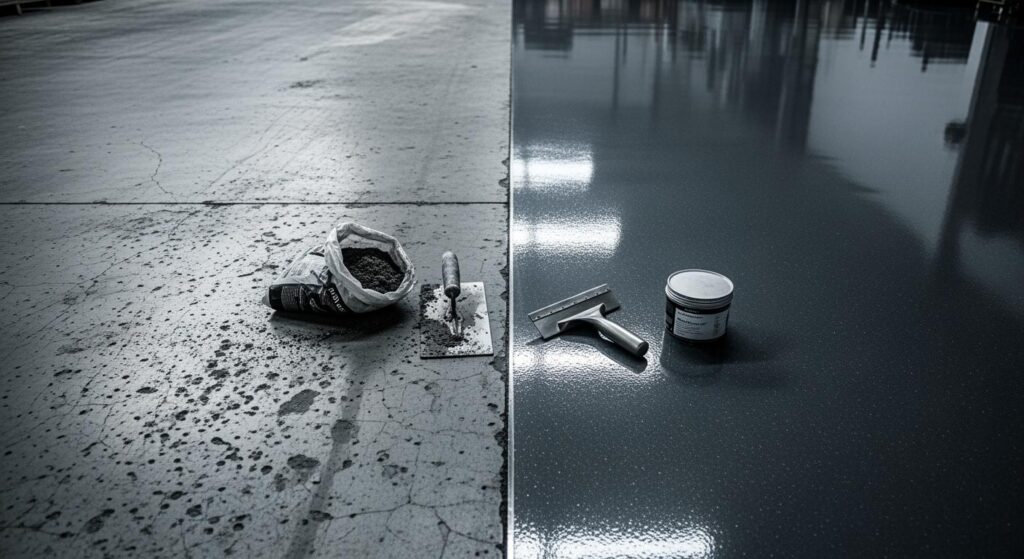
Does your dusty warehouse floor pose safety risks, contaminate products, or just look unappealing? That constant dust is a real headache. Imagine a floor that boosts safety, efficiency, and your brand image! You can achieve this. We’ll guide you through deep cleaning, surface preparation, protective coatings, and ongoing maintenance. Proper cleaning is key.
Key Takeaways
Clean your warehouse floor well. Remove all dirt and stains. This makes the floor ready for new treatments.
Prepare the floor carefully. Fix cracks and make the surface smooth. Use special liquids to make the concrete harder and stop dust.
Protect your floor with coatings. Choose strong materials like epoxy. Clean the floor daily and fix small problems fast. This keeps your floor looking good for a long time.
Initial Assessment and Deep Cleaning for Your Dusty Warehouse Floor
Transforming your dusty warehouse floor starts with a thorough initial assessment and deep cleaning. You need to remove all the grime and prepare the surface for its new, glossy future. This crucial first step sets the stage for everything that follows.
Assess Floor Type, Condition, and Contaminants
Before you grab any cleaning tools, take a good look at your floor. What kind of floor do you have? Is it concrete, epoxy, or perhaps tiles? You also need to check its current condition. Do you see cracks, potholes, or uneven surfaces? Are there oil stains, grease spots, or chemical spills? Identifying these issues helps you choose the right cleaning approach and the best cleaning supplies. Understanding the contaminants helps you select effective cleaning solutions.
Essential Safety Precautions Before Cleaning
Safety always comes first when you tackle a big cleaning project. You must protect yourself and your team. Make sure everyone wears the right personal protective equipment (PPE). This includes gloves to protect your hands, anti-slip shoes to prevent falls, masks to avoid inhaling dust and fumes, and safety goggles to shield your eyes. You should also ensure good ventilation in the area. Put up warning signs and, if possible, isolate the cleaning area to keep others safe.
Dry Sweeping and Vacuuming for Debris Removal
You always start with dry cleaning. This is super important before you introduce any water. First, use industrial brooms to sweep up larger debris. Then, bring out the heavy-duty equipment. Industrial sweepers are perfect for large areas and handle high volumes of dirt. They ensure a dust-free environment with their advanced filter systems. For fine dust, Kärcher’s push sweepers and industrial vacuum sweepers use a “dustpan principle.” This method is ideal because it sweeps with low dust, uses lower brush speeds, and has a short sweep path. Vacuum sweepers are excellent cleaning tools for removing all kinds of dirt from both inside and outside surfaces. They disperse dust with a roller brush and then vacuum it into a filter system. Warehouse and logistics facilities commonly use vacuum sweepers. For smooth indoor floors, a main sweeper roller with soft bristles works best for removing dirt and fine dust. For smaller, hard-to-reach spots, a handheld vacuum cleaner can be very useful. This initial dry cleaning removes loose dust and debris, preparing the floor for deeper treatment.
Degreasing and Stain Removal Techniques
After dry cleaning, you’ll likely find stubborn oil, grease, and other stains. You need to tackle these next. Effective degreasers are your best friends here. For example, Alkaline Cleaner and Degreaser VC-351 uses a powerful blend of nonionic and anionic surfactants, solvents, and dispersants. AV 406 Solvent degreaser is another great option; it’s a solvent emulsifier liquid with penetrating properties from hydrocarbons and surfactants. You can also use ND-165, a water-soluble industrial solvent, or CHEMSEARCH CONCENTRATE, an all-purpose cleaner and degreaser with a biodegradable surfactant. Apply these degreasers directly to the stains. Let them sit for a bit, then scrub vigorously with a stiff brush or a cleaning cloth. For really tough spots, you might need a microfiber cloth.
Power Washing and Scrubbing for Deep Dirt
Now it’s time for the deep cleaning. Power washing is incredibly effective for removing embedded dirt and grime from concrete floors. Use an industrial-grade power washer with appropriate detergents. For floors that need intense scrubbing, industrial scrubbers are essential cleaning tools. These machines use rotating brushes, often a robust floor brush, to agitate the cleaning solution and lift deep-seated dirt. This step is crucial for cleaning warehouses thoroughly and getting rid of years of accumulated filth. If you’re considering factory cleaning services, they often use these powerful machines.
Thorough Rinsing and Drying
After all that scrubbing and washing, you must rinse the floor completely. Any leftover cleaning solution can leave a residue or affect subsequent coatings. Use clean water and a wet vacuum to suck up all the dirty water. For larger areas, squeegees can help push water towards drains. For smaller sections, a clean mop or even a spray mop can work wonders. Make sure you rinse until the water runs clear. Then, focus on drying. Good ventilation and air movers speed up the drying process. You want the floor completely dry before moving on to the next steps. You can also use a self wringing mop bucket for efficient rinsing and drying in smaller areas. If you plan to disinfect, now is the time to apply a disinfectant liquid.
Surface Preparation for Hardness, Shine, and Dust Control
You have completed the deep cleaning. Now, you will prepare your floor for its new, hard, and glossy finish. This stage focuses on making the floor durable and attractive. It involves several key steps.
Repairing Cracks and Potholes
First, you must address any damage. Old warehouse floors often have cracks and potholes. These are not just ugly. They create safety hazards. They can also lead to further damage over time. You need to fix them properly. Start by cleaning out any loose debris from the damaged areas. Use a wire brush or a vacuum to ensure the area is clean. Then, choose a high-quality epoxy or concrete repair compound. Apply the repair material according to the manufacturer’s instructions. Make sure the repaired area is level with the rest of the floor. This creates a smooth, safe foundation for the next steps.
Grinding and Polishing for Smoothness
Next, you will make your floor incredibly smooth. Grinding and polishing achieve this. This process removes old coatings, stains, and minor imperfections. You use specialized industrial grinding machines. These machines have diamond-impregnated pads. You start with coarse-grit pads. This removes the top layer of concrete. Then, you gradually move to finer and finer grits. Each pass makes the floor smoother. After grinding, a thorough cleaning removes all grinding residue. Polishing then brings out a natural shine. This step is crucial. It creates a perfectly smooth surface. This surface is ready for densification and sealing.
Concrete Densification for Enhanced Hardness
You want a truly hard floor. Concrete densification is the answer. You apply a chemical densifier to the concrete surface. This liquid penetrates deep into the concrete. It reacts with the free lime and calcium hydroxide within the slab. This chemical reaction creates a much denser, harder surface. Densification significantly increases your floor’s abrasion resistance. It makes the concrete stronger. It also reduces the floor’s porosity. This means liquids are less likely to penetrate. Your floor becomes more durable. It will withstand heavy traffic and impacts better. This step is vital for long-term performance.
Applying BANDě Concrete Dust Sealer for Dust Proofing
Finally, you will make your floor dust-proof. A dusty floor is a constant problem. It affects air quality. It can contaminate products. Applying a high-quality dust sealer solves this. BANDě Concrete Dust Sealer is an excellent choice. This product penetrates the concrete. It binds loose particles together. This stops the concrete from “dusting” up. The sealer creates a protective barrier. It makes your floor much easier to clean. You simply apply it evenly across the surface. Follow the manufacturer’s instructions for the best application. This step ensures a cleaner, healthier, and more modern environment.
Protective Coatings and Long-Term Floor Maintenance
Now that your floor is prepped, it’s time to protect your investment. This stage involves applying protective layers and setting up a consistent cleaning routine to keep your transformed floor looking great.
Choosing the Right Protective Coating
Selecting the right coating is crucial for your warehouse floor. You need something tough! Consider these options:
Coating Type | Key Performance Characteristics | Suitable Applications (including warehouses) |
|---|---|---|
Epoxy | Chemical resistance, abrasion resistance | Automotive factories, electronics, chemical labs, food/beverage production areas, warehouses, car park areas |
Polyurethane Concrete | Resistance to extreme temperatures, chemicals, abrasion resistance | Food production areas with hot ovens, cold storage, blast freezers, warehouses |
Epoxy is a popular choice for its durability and resistance. Polyurethane concrete offers even more extreme temperature resistance, perfect for certain warehouse environments.
Proper Coating Application Techniques
Applying the coating correctly ensures its longevity. Pay close attention to environmental conditions. For example, if it’s too hot (above +25 °C), the material might gel too fast. If it’s too cold (below +10 °C), it could thicken, making it hard to apply. Always check the manufacturer’s guidelines for material, ambient air, and substrate temperatures. Ensure the substrate and uncured product are at least +3 °C above the dew point to prevent condensation.
Curing Times and Post-Application Care
After application, your floor needs time to cure. This is when it hardens and reaches its full strength.
Temperature | Light Traffic | Full Cure |
|---|---|---|
+20 °C | ~3 days | ~7 days |
+30 °C | ~2 days | ~5 days |
You should avoid heavy traffic until the full cure time passes. This ensures maximum durability.
Daily Cleaning Routines for a Dust-Free Floor
Maintaining your floor means consistent cleaning. Daily sweeping is a must. Use industrial vacuums or scrubber dryers for effective dust control. These cleaning tools are essential. For smaller spills, a quick wipe with a microfiber cloth or a spray mop works wonders. Regular cleaning prevents dust buildup and keeps your floor looking new.
Regular Inspections and Spot Treatment
Inspect your floor regularly for any new damage or spills. Address small issues immediately. Use appropriate cleaning tools and solutions for spot treatment. A quick clean with a damp cloth and a mild disinfectant liquid can prevent bigger problems.
Re-coating and Re-sealing Schedules
Even the toughest floors need periodic re-coating or re-sealing. Follow your coating manufacturer’s recommendations. This proactive maintenance extends your floor’s life and keeps it looking glossy.
Best Practices for Spill Management
Spills happen. Act fast! Clean up spills immediately using absorbent materials and appropriate cleaning solutions. For hazardous spills, use specialized cleaning tools and follow safety protocols. This quick action prevents stains and protects your floor.
Transforming your dusty warehouse floor is a valuable investment. You start with comprehensive cleaning, then meticulous surface preparation, including densification and dust sealing with BANDě Concrete Dust Sealer. Strategic coating application and consistent cleaning maintenance are crucial. This process transforms your dusty warehouse floor into a safer, more efficient, and dust-free environment. Upgrade your facility’s floor!
FAQ
How long does a warehouse floor transformation take?
The timeline varies. It depends on your floor’s condition and the chosen treatments. A full transformation can take several days to a few weeks.
Is a professional service necessary for this transformation?
Yes, for best results, you should hire professionals. They have the right equipment and expertise. This ensures proper application and a durable finish.
How often do I need to re-coat my warehouse floor?
Re-coating frequency depends on traffic and coating type. Typically, you re-coat every 3-5 years. Regular inspections help you decide.
See Also
Top UK Floor Hardeners: Optimal Solutions for Industrial Warehouse Floors
Permanent Solutions: Eliminating Dampness and Dust from Basement Concrete Floors
Ditch Epoxy: Upgrade Your Garage Floor with a Simple Densifier
Selecting the Ideal Concrete Densifier for Your Warehouse Flooring Needs
Philippines Floor Hardener: Premier Solutions for Warehouse Concrete Surfaces
