

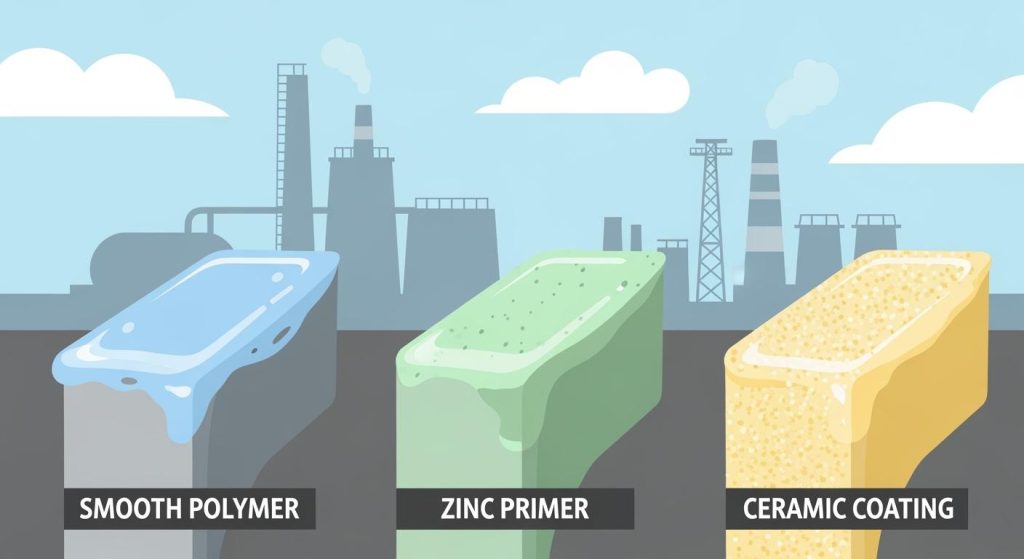
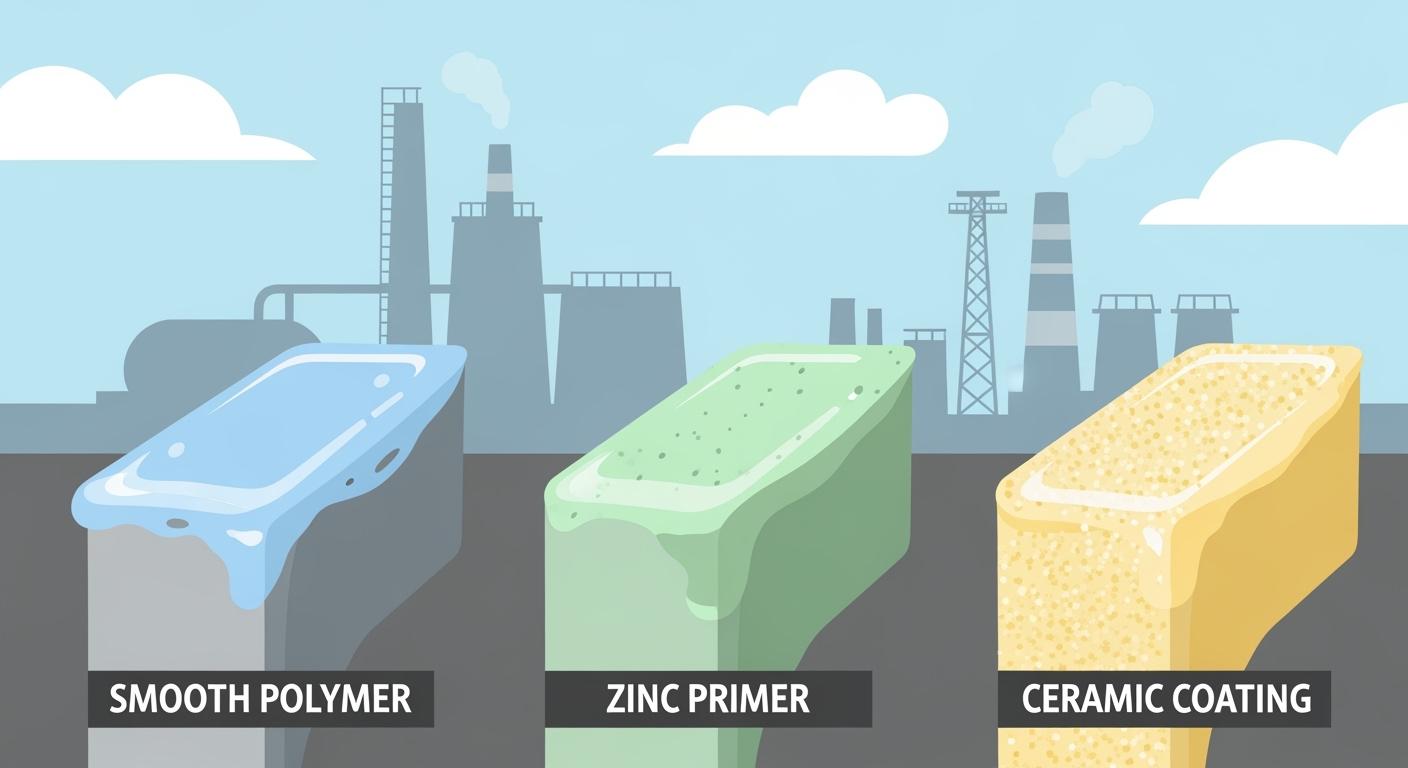
Anti-corrosion coatings are very important. They protect buildings and equipment in many industries. These coatings stop rust and damage. This helps avoid expensive repairs and safety risks. The worldwide market for anti-corrosion coatings is expected to grow. It will rise from USD 34.21 billion in 2024 to USD 171.23 billion by 2035. This big increase shows how important these coatings are. Knowing the different types of anti-corrosion coatings helps you choose the right one for your needs.
Key Takeaways
Anti-corrosion coatings keep metal surfaces safe from rust and harm. This helps you save money on repairs.
Pick the right type of coating—barrier, inhibitive, or sacrificial—based on where you are and what you need.
Think about common coatings like epoxy, zinc-rich primers, and polyurethane. They are strong and work well.
Special coatings like fluoropolymer and coal tar epoxy give great protection in tough conditions.
Spending money on good coatings now can make your things last longer and lower maintenance costs.
Types of Anti-corrosion Coatings
Knowing the different types of anti-corrosion coatings is very important for stopping rust. Each type has a special job and gives specific benefits. We will look at three main groups: barrier coatings, inhibitive coatings, and sacrificial coatings.
Barrier Coatings
Barrier coatings make a protective layer. This layer stops harmful things from reaching the metal. These coatings act like a shield. They block moisture, salts, and other bad substances. For example, coal tar epoxy is a well-known barrier coating. It is great at resisting moisture and chemicals. It protects surfaces in tough places, like tanks and pipelines.
Tip: When picking a barrier coating, think about the environment. A careful site check helps you find the best coating for strong protection.
Category | Description |
|---|---|
Barrier coatings | Form a protective non-porous layer over a substrate to prevent environmental effects on the base metal. |
Inhibitive Coatings
Inhibitive coatings work in a different way. They have chemicals that react with metal and moisture. This creates a passive layer that slows down rust. These coatings are often used in primers. For example, zinc phosphate is a common anodic inhibitor. It makes a barrier layer that cuts down metal oxidation.
Inhibitive coatings release chemicals that stop rust.
They are great for marine areas, where parts like propellers meet seawater.
Sacrificial Coatings
Sacrificial coatings give a special kind of protection. They corrode first, meaning they break down instead of the metal underneath. Zinc-rich coatings are a good example. They act as a protective layer, giving themselves up to protect the metal below.
Zinc-rich coatings act as a protective layer.
Zinc is more reactive, so it corrodes instead of the metal underneath.
This process keeps the metal safe from moisture and oxygen.
Note: Sacrificial coatings still work even if they get damaged, unlike barrier coatings. This makes them a good choice for many uses.
Category | Description |
|---|---|
Sacrificial coatings | Corrode sacrificially to protect the underlying material, remaining effective even if damaged. |
By knowing these types of anti-corrosion coatings, you can make smart choices for your needs. Each type has its own benefits, so think about your environment and use when choosing the right coating.
Common Anti-corrosion Coatings
To protect surfaces from rust and damage, some common anti-corrosion coatings are very effective. Each type has special features that make it good for certain uses. Let’s look at three of the most popular coatings: epoxy coatings, zinc-rich primers, and polyurethane coatings.
Epoxy Coatings
Epoxy coatings are well-liked because they stick well and last a long time. They form a strong barrier that keeps surfaces safe from moisture, chemicals, and other harmful things. Here are some important points about epoxy coatings:
Physical Barrier: Epoxy coatings create a solid shield against bad weather like humidity and water.
Strong Adhesion: They attach well to surfaces, stopping moisture from getting trapped underneath, which can cause rust.
Durability: The way epoxy resins link together makes a strong structure that helps resist corrosion.
You can find epoxy coatings in many industries. For example, they are very important in marine areas to protect against saltwater damage. They also help in chemical storage tanks, cutting down leaks by about 90%. In cars, epoxy coatings help make undercarriages last longer by protecting them from road salt and moisture.
Zinc-rich Primers
Zinc-rich primers give great protection against corrosion by using zinc to cover the metal. Here’s how they work:
Galvanic Protection: Zinc breaks down instead of the steel, creating a protective layer that stops rust.
Barrier Formation: These primers make a barrier between the steel and the outside, effectively stopping corrosion.
High Durability: Zinc-rich primers keep working well over time, even in tough conditions.
These primers usually have 40% to 90% zinc. This high zinc amount greatly improves corrosion resistance. You can use zinc-rich primers in many places, like steel structures and pipelines. They work especially well where there is a lot of moisture.
Advantage | Description |
|---|---|
Galvanic protection | Zinc breaks down instead of the steel, protecting the underlying metal. |
Barrier protection | Creates a barrier between steel and the outside, stopping corrosion. |
Abrasion resistance | Resists wear and tear, making it last longer. |
High durability | Keeps working well over time in tough conditions. |
Polyurethane Coatings
Polyurethane coatings are known for being flexible and having great protective features. They give a strong finish that resists UV rays and chemicals. Here are some benefits of polyurethane coatings:
UV Resistance: Aliphatic polyurethanes resist UV rays well, keeping their color in sunlight.
Chemical Stability: These coatings stay stable in different environments, making them good for many uses.
Durability: Polyurethane coatings can handle tough conditions, making them perfect for outdoor use.
You will often see polyurethane coatings used as topcoats in protective systems. Common uses include highway bridges, concrete walls in nuclear power plants, and the outsides of wastewater treatment plants. Their ability to resist weather makes them a popular choice for long-lasting protection.
Coating Type | Durability | Cost-Effectiveness |
|---|---|---|
High-Performance Coatings | Superior resistance | Lowers maintenance costs and extends lifespan |
Acrylic Coating | Moderate to high | Eco-friendly and cost-effective for outdoor use |
Alkyd Coatings | Moderate | Affordable for atmospheric environments |
Bitumen-Based Coating | Good moisture resistance | Limited solvent resistance, cost-effective for specific uses |
Epoxy Coal Tars | High resistance | Good for industrial uses, cost-effective over time |
By knowing these common anti-corrosion coatings, you can make smart choices about which one is best for you. Each type has its own benefits, so think about your specific use and environment when picking a coating.
Specialty Anti-corrosion Coatings
Specialty anti-corrosion coatings give strong protection for special places. These coatings are different from regular ones because they have special ways to protect. They often use galvanic protection, barrier formation, and chemical inhibition. This section looks at three important types: fluoropolymer coatings, inorganic zinc coatings, and coal tar epoxy coatings.
Fluoropolymer Coatings
Fluoropolymer coatings are special because of their great features. They resist corrosion very well and handle chemicals better than many others. These coatings also repel water and resist bad weather. You can find fluoropolymer coatings in many industries, like:
Industry | Application Description |
|---|---|
Oil and Gas | |
Petrochemical | Protects against harmful substances in equipment. |
Waterworks | Helps systems that deal with water to stop corrosion. |
Chemical Processing | Important for equipment that works with strong chemicals. |
General Industry | Used in many industrial jobs for strength. |
Military/Defense | Used in defense jobs to resist corrosion in important parts. |
These coatings are great for places where strength is very important.
Inorganic Zinc Coatings
Inorganic zinc coatings give great protection using galvanic action. They work better than organic zinc coatings in many ways. For example, they resist wear better and are good for very corrosive places. Here’s a quick look:
Feature | Inorganic Zinc Coatings | Organic Zinc Coatings |
|---|---|---|
Galvanic Protection | Better than organic coatings | Works well but not as good as inorganic |
Abrasion Resistance | Higher than organic coatings | Moderate |
Surface Preparation Requirement | Needs more preparation | Less strict requirements |
Topcoating Requirement | Often needs a topcoat in many uses | Can be used without a topcoat in some cases |
These coatings are perfect for industrial jobs where long-lasting protection is needed.
Coal Tar Epoxy Coatings
Coal tar epoxy coatings give strong protection against water and chemicals. They create a thick barrier that stops corrosion well. You can use these coatings in many places, like:
Marine Environments: Protecting ships and offshore structures.
Pipelines: Guarding against harsh chemicals and moisture.
Industrial Tanks: Ensuring long-lasting strength in storage areas.
These coatings are especially helpful in places with a lot of water and chemicals.
By knowing about these specialty anti-corrosion coatings, you can pick the right one for your needs. Each type has special benefits that improve protection in tough places.
In conclusion, knowing the different types of anti-corrosion coatings is very important for good protection. There are barrier coatings, inhibitive coatings, and sacrificial coatings. Each type has its own job. When picking a coating, think about these important points:
Description | |
|---|---|
Environmental Factors | Think about the specific conditions the coating will face, like humidity and chemicals. |
Compatibility with Substrates | Make sure the coating works well with the material to avoid sticking problems. |
Importance of Certifications | Check for industry certifications to ensure the coating meets quality standards. |
Choosing the right coating can save you a lot of money over time. High-quality coatings last longer, lower maintenance costs, and help your assets last more years. Always consider your needs when making a choice.
Remember, spending on the right anti-corrosion coating now can save you time and money later! 🌟
FAQ
What are anti-corrosion coatings?
Anti-corrosion coatings keep metal surfaces safe from rust and damage. They make barriers against moisture, chemicals, and other harmful things. You can find these coatings in many industries, like construction, cars, and boats.
How do I choose the right anti-corrosion coating?
Think about your environment, what the surface is made of, and your specific needs. Check things like humidity, chemical exposure, and the type of surface. This helps you pick the best coating for your project.
Can I apply anti-corrosion coatings myself?
Yes, you can put on some anti-corrosion coatings by yourself. But make sure to follow the manufacturer’s instructions for preparing the surface and applying the coating. For tricky projects, it might be better to hire a professional for the best results.
How long do anti-corrosion coatings last?
The life of anti-corrosion coatings depends on the type, how they are applied, and the environment. Usually, good-quality coatings can last between 5 to 20 years. Regular maintenance can help them work better for longer.
Are there eco-friendly anti-corrosion coatings?
Yes, there are eco-friendly choices. Look for coatings that have low volatile organic compounds (VOCs) and use sustainable materials. These coatings protect while being kinder to the environment.
See Also
2025 Showdown Between Chemical Non-Slip Treatments And Coatings
Inorganic Versus Organic Wall Coatings A 2025 Analysis
Expert Techniques For Applying Waterproof Coatings On Surfaces
