

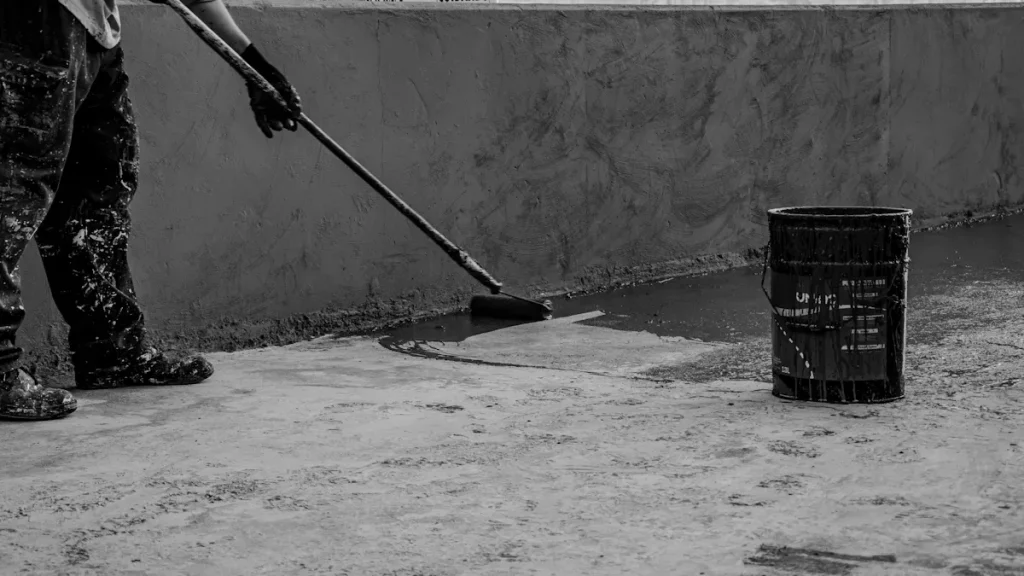
Sealers are very important for protecting concrete surfaces. They help prevent damage and wear. Many concrete surfaces in homes and businesses use sealers. In 2020, penetrating concrete sealers made up 31.4% of the market. This shows how popular they are. Knowing the differences between penetrating concrete sealers and surface sealers can help you choose the best product. Whether you want something strong or nice-looking, the right sealer can improve how long your concrete lasts and how it looks.
Key Takeaways
Penetrating sealers go deep into surfaces. They give long-lasting protection against water and stains.
Topical sealers create a layer on the surface. This layer provides quick protection and makes things look better.
Penetrating sealers are best for driveways and pool areas. Topical sealers are good for indoor floors and decorative concrete.
Penetrating sealers need to be reapplied less often. This saves money over time.
Topical sealers need regular care and reapplication to work well.
Overview of Penetrating Sealers
How Penetrating Sealers Work
Penetrating sealers are very important for protecting concrete and stone. They work by going into the tiny holes in these materials. This process causes a chemical change with the surface, creating a solid barrier that lets air pass through. Because of this, you get long-lasting protection from water, stains, and other harmful things.
The properties of penetrating sealers make them a great choice for many uses. They last a long time, so you don’t have to apply them often. This long life saves you money over time. For example, when you look at the costs of different sealers, penetrating sealers usually end up being cheaper.
Many types of sealers are part of penetrating sealers. Here are some common types and where they work best:
Silanes: Best for sealing strong surfaces like high-performance concrete and clay bricks.
Siloxane Blends: Great for very porous materials like block.
Siliconates: Used for sealing porous concrete, brick, and stone, plus curing new concrete.
Silicates: Good for making machine trowel concrete stronger and sealing vertical stone and masonry.
Penetrating Epoxies: Useful for many applications based on the base material.
Our BANDe Concrete Dust Sealer shows how well penetrating sealers work. This product is made for both new and old concrete floors. It goes deep into the concrete, starting the cement hydration reaction. This makes a dust-free, strong, and wear-resistant surface, helping your concrete last longer while keeping it usable.
Overview of Topical Sealers
How Topical Sealers Work
Topical sealers help protect surfaces like concrete, stone, and tile. They make a film on the surface. This film stops water, stains, and scratches. It’s like how a raincoat keeps you dry. When you use a topical sealer, you get quick protection and a better look.
Here are some important things about topical sealers:
Immediate Protection: Topical sealers quickly stop spills and stains. This is helpful in busy places where spills happen.
Aesthetic Enhancements: These sealers make surfaces look better. They often add a shiny finish to concrete and stone.
Topical sealers have different types, each with special features. Here are some common types:
Acrylic-based sealers: Easy to use and give medium protection from stains and acids.
Urethane sealers: Good at stopping scratches and stains. They come in shiny or dull finishes.
Epoxy sealers: Great for stopping stains and acids. They usually make surfaces very shiny.
Wax sealers: Used as an extra layer. They don’t protect much but make surfaces look nice.
Topical sealers last different times. Usually, they last 1-3 years with normal use. If put on by experts, they can last 5-7 years, depending on wear and weather.
Strengths of Penetrating Sealers
When you pick penetrating sealers, you get many benefits. They help your concrete last longer and look better. These sealers are strong and keep water out. This makes them a good choice for long-lasting protection.
Durability and Moisture Resistance: Penetrating sealers make a water-repelling layer inside the concrete. This stops water from getting in. Your surfaces stay safe from water damage over time. Unlike topical sealers, which can peel, penetrating sealers stay effective.
Sealer Type | Moisture Resistance Characteristics | Longevity of Effectiveness |
|---|---|---|
Penetrating Sealer | Makes a water-repelling layer inside the concrete. | Stays effective over time. |
Topical Sealer | Makes a film on top that can peel. | Loses effectiveness over time. |
Another big plus of penetrating sealers is keeping surfaces looking natural. They put a water-repelling resin inside the stone. This stops water and oil but keeps the stone’s natural look. You don’t have to worry about color changes. Water-based sealers don’t turn yellow like oil-based ones.
Penetrating sealers put a water-repelling resin inside the stone. This stops water and oil but keeps the stone’s natural look.
Water-based sealers are less likely to turn yellow than oil-based ones. This shows that good sealing can stop color changes.
By choosing penetrating sealers, your surfaces stay strong, resist water, and keep their natural look without turning yellow. Products like the BANDe Concrete Dust Sealer show these strengths. They work well for both new and old concrete floors.
Strengths of Topical Sealers
Topical sealers have many benefits that make them a popular choice for protecting surfaces. One big advantage is that they provide quick protection. When you use a topical sealer, it forms a non-porous layer on the surface. This layer helps resist stains and water, making it easier to clean spills. You can stop permanent stains and keep your surfaces looking new. Also, topical sealers give some protection against scratches, making surfaces harder and more durable.
Here are some key strengths of topical sealers:
Quick Application: You can apply topical sealers fast, so you can enjoy their benefits right away.
Aesthetic Enhancements: These sealers often add a shiny finish, improving the look of concrete and stone surfaces.
When you think about how long they last, topical sealers usually don’t last as long as penetrating sealers. The table below shows the typical lifespan and reapplication steps for different types of sealers:
Sealer Type | Typical Lifespan (Exterior) | Reapplication Process |
|---|---|---|
Penetrating (Silane/Siloxane) | 7 to 15 years | Clean surface, reapply. No stripping needed. |
Topical (Standard Acrylic) | 1 to 3 years | Clean surface, reapply. Stripping needed if peeling/yellowing happens. |
Topical (Epoxy/Polyurethane) | 5 to 10 years | Clean surface, light sanding/etching, reapply topcoat. |
Ease of Application
Topical sealers need careful preparation and exact application. You must clean the surface well before putting on the sealer. This preparation helps the sealer stick properly and gives the best protection. While they may take a little more effort to apply than penetrating sealers, the quick benefits often make the extra work worth it.
Weaknesses of Penetrating Sealers
Penetrating sealers have many good points, but they also have some downsides. One big problem is how they protect against chemical stains. Even tough industrial floors can get damaged from chemical spills because concrete has tiny holes. This weakness can lead to higher maintenance costs and safety risks.
Penetrating sealers offer some protection but are not as good as topical coatings against chemical damage.
They do not make a full waterproof barrier, which limits their ability to handle spills.
While they make concrete denser, they still have limited chemical resistance.
The tiny holes in concrete let chemicals soak in, which can cause damage. Problems like Alkali Silica Reaction (ASR) can happen with some sealers, making the concrete worse.
Fixing or reapplying penetrating sealers on damaged areas can be hard. You need to clean the area well to get rid of dirt, grime, and old sealer. If the old sealer is peeling, you might have to take it all off. Also, the surfaces must be completely dry to avoid moisture problems.
Efflorescence on masonry can happen.
The sealer might peel off.
There is a higher chance of mold growth.
These points show why it’s important to know the limits of penetrating sealers. They do offer some protection, but you should think about your needs, especially for chemical stain protection and maintenance.
Weaknesses of Topical Sealers
Topical sealers give quick protection and make surfaces look nice. However, they need a lot of care. You should know what to do to keep your surfaces looking good. Here are some common tasks for maintenance:
Topical sealers protect surfaces, but they need regular care.
How often you need to reapply depends on how much you use the surface. More foot traffic means you need to reapply more often.
Before putting on a new coat, you must take off the old sealer. This can damage some stone surfaces.
Peeling or flaking can also happen with topical sealers. Doing the right preparation and application can help reduce these issues. Follow these steps:
Step | Description |
|---|---|
Proper Preparation | Make sure the surface is clean and has no old sealer to stop moisture from getting trapped. |
Thorough Cleaning | Get rid of dirt and leftovers to help the new sealer stick well. |
Removing Old Sealer | If the old sealer is not working, it must be taken off to avoid more problems. |
Allowing Surfaces to Dry | Make sure surfaces are completely dry to stop moisture issues. |
These steps are very important for keeping topical sealers working well. You need to check the surface condition before adding a new layer. This helps the sealer stick properly and gives the protection you want.
While topical sealers give quick benefits, they need ongoing care to stay effective. By knowing these weaknesses, you can make smart choices about using topical sealers. Products like BANDe Concrete Dust Sealer show how important it is to pick the right sealer for your needs, giving long-lasting protection and less maintenance.
When to Use Penetrating Sealers
You should think about using penetrating sealers in many situations. These sealers are great for protecting surfaces that get a lot of use or face tough weather. Here are some good times to use them:
Driveways: Penetrating sealers are perfect for driveways. They can handle heavy traffic and stop oil stains from cars. This keeps the driveway looking nice over time.
Patios: If you have a patio, penetrating sealers can keep it safe from water and stains. They help the surface look natural while giving strong protection against the weather.
Pool Areas: Areas around pools really benefit from penetrating sealers. Their ability to resist moisture helps prevent damage from water and keeps surfaces safe and slip-resistant.
Some materials also gain a lot from using penetrating sealers. These include:
Natural Stone: Natural stone has tiny holes and needs sealing to stop water and stains. Penetrating sealers make it tougher against wear and tear, which is important for busy areas.
Masonry and Pavers: These materials soak up water and stains because they are porous. Using penetrating sealers protects them while keeping their natural look. They also help reduce efflorescence by controlling water movement.
Concrete Applications: For concrete surfaces, penetrating sealers give great protection against freeze-thaw damage and rust. They dry quickly and do not change how the surface feels.
When to Use Topical Sealers
Topical sealers are great for certain situations. They give quick protection and make surfaces look better. Here are some times when you should think about using them:
Indoor Floors: Topical sealers are good for indoor surfaces. They create a protective layer against spills and stains. This makes cleaning easier and keeps your floors looking nice.
Decorative Concrete: If you have stained or decorative concrete, use topical sealers. They protect and brighten the color, giving your surfaces a lively look. You can get a color boost that penetrating sealers can’t provide.
Stamped Concrete: For stamped or decorative concrete, high-quality acrylic or urethane topical sealers are best. These sealers show off your design while adding protection.
Topical sealers also give a shiny finish that improves how your surfaces look. This shine can really change the appearance of your floors.
Here’s a quick overview of materials that benefit from topical sealers:
Material Type | Benefits of Topical Sealers |
|---|---|
Indoor Concrete Floors | Protects against spills and enhances appearance. |
Decorative Concrete | Brightens color and gives a lively finish. |
Stamped Concrete | Shows off design features while providing protection. |
Using topical sealers can be a smart choice when you want to improve both the look and strength of your surfaces. They are easy to apply and give quick benefits, making them a popular choice for many homeowners and businesses.
Choosing the right sealer for your concrete surfaces is very important. You need to think about things like how well it works, how much it costs, and how much care it needs. Penetrating sealers give long-lasting protection and save money for areas with light traffic. On the other hand, topical sealers offer quick protection and make surfaces look better. This makes them great for decorative uses.
Here are some tips to help you decide:
Evaluate Traffic Volume: Busy areas may need stronger options.
Assess Current Conditions: Make sure the surface is in good shape for the best results.
Plan for Maintenance: Think about how often you can put on new sealers.
By knowing when to use both types of sealers, you can make a smart choice that fits your needs.
FAQ
What is the main difference between penetrating and topical sealers?
Penetrating sealers go deep into the surface for long-lasting protection. Topical sealers make a layer on top, giving quick protection and improving looks.
How often should I reapply sealers?
How often you need to reapply depends on the sealer type. Penetrating sealers last 7-15 years. Topical sealers usually last 1-3 years and need more care.
Can I use penetrating sealers on all surfaces?
You can use penetrating sealers on porous materials like concrete, brick, and stone. But they might not work well on non-porous surfaces.
Do topical sealers change the appearance of my concrete?
Yes, topical sealers can make concrete look better by adding shine and color. They can also show off decorative details.
Is it necessary to clean the surface before applying sealers?
Yes! Cleaning the surface helps the sealer stick well and work properly. It also stops problems like peeling or flaking later.
See Also
Understanding Penetrating Sealers and Their Surface Protection Benefits
Choosing Between Film-Forming and Penetrating Sealers in Australia
Expert Tips for Applying Waterproof Coatings on Various Surfaces
A Comprehensive Guide to Crack Sealers for All Surfaces
The Ultimate Buying Guide for Concrete Densifiers and Sealers
