


Choosing water-based inorganic wall paint in the UK for your renovation projects offers numerous benefits. This type of paint dries quickly and emits less odour, making it ideal for indoor applications. When you use water-based inorganic wall paint in the UK, proper surface preparation becomes essential. Cleaning, priming, and repairing surfaces will ensure a smooth and durable finish.
Key Takeaways
Proper surface preparation is essential. Clean, prime, and repair surfaces to ensure strong adhesion and a smooth finish.
Water-based paints dry quickly and have low odour. This makes them ideal for indoor use, allowing for a more pleasant painting experience.
Avoid common mistakes like skipping surface prep and overloading your brush. These errors can lead to poor adhesion and an uneven finish.
Surface Preparation for Water-Based Paint
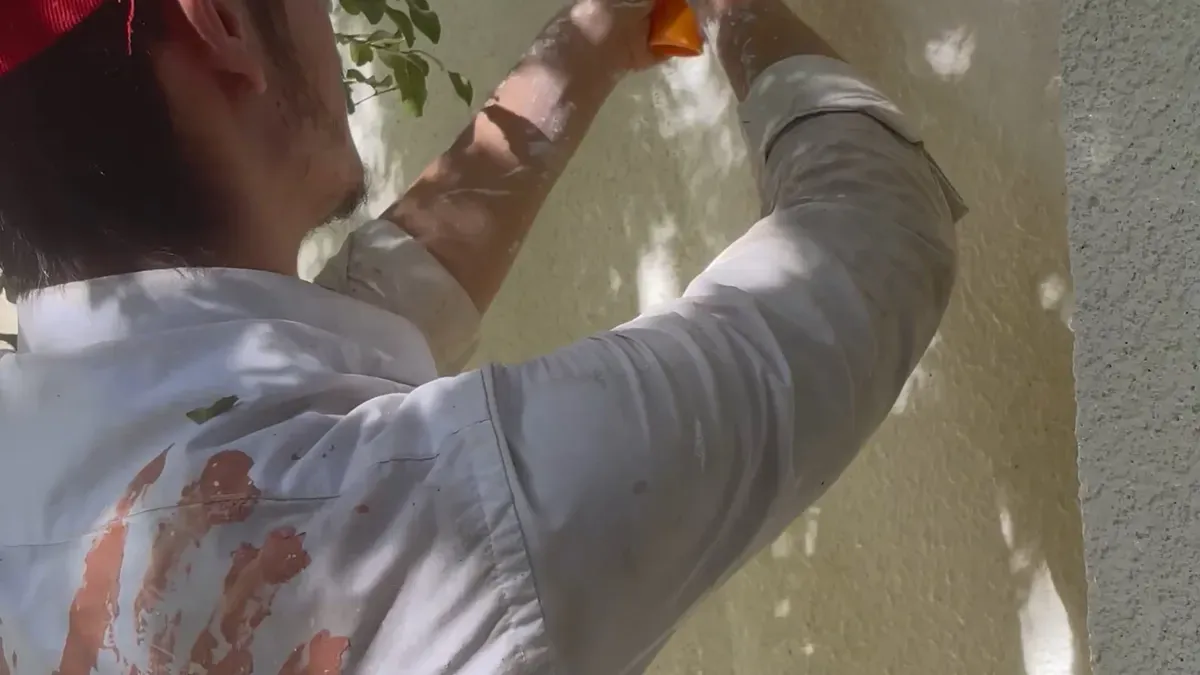
Preparing surfaces properly is crucial when applying water-based paint. It ensures better adhesion, enhances durability, and provides a uniform finish. Here are the essential steps to follow:
Cleaning the Surface
Start by cleaning the surface thoroughly. Remove dust, dirt, grease, and any old paint. Use a mild detergent mixed with water for effective cleaning. Rinse with clean water and allow the surface to dry completely. This step is vital as it prevents contaminants from interfering with the paint’s adhesion.
Priming Techniques
Priming is another key step in surface preparation. Apply a suitable primer that matches your water-based inorganic wall paint UK. Primers help seal the surface and create a smooth base for the paint. They also improve the paint’s coverage and quality. Choose a primer designed for the specific surface you are painting, whether it’s wood, metal, or masonry.
Repairing Imperfections
Before painting, inspect the surface for any imperfections. Fill in cracks, holes, or dents with a suitable filler. Once the filler dries, sand the area smooth to ensure an even surface. This attention to detail will enhance the overall appearance of your finished project.
Tip: Proper surface preparation can significantly impact the longevity and appearance of your paint.
Benefit | Description |
|---|---|
Better Adhesion | Ensures that the paint adheres properly to the surface, reducing the risk of peeling and blistering. |
Enhanced Durability | Increases the lifespan of the paint by preventing common issues that can lead to deterioration. |
Uniform Finish | Provides a consistent appearance, improving the overall aesthetic of the painted surface. |
By following these steps, you will achieve a professional-looking finish that lasts.
Advantages of Water-Based Paints
Using water-based paints in your renovation projects offers several significant advantages. These benefits make them a popular choice among homeowners and professionals alike.
Lower Odour: One of the most noticeable benefits of water-based paints is their low odour. Unlike oil-based paints, which emit strong fumes, water-based paints provide a more pleasant experience during application. This feature allows you to work in enclosed spaces without worrying about lingering smells.
Faster Drying Times: Water-based paints dry much quicker than their oil-based counterparts. You can typically expect them to dry within a couple of hours, allowing you to complete your project in a shorter timeframe. In contrast, oil-based paints can take a minimum of 16 hours to dry, which can significantly delay your renovation schedule.
Feature | Water-Based Paints | Oil-Based Paints |
|---|---|---|
Odour | Low Odour | Strong Odour |
Drying Time | Takes a minimum of 16 hours to dry |
In addition to these benefits, water-based paints excel in outdoor applications. They offer remarkable flexibility and UV resistance, making them suitable for the variable UK climate. Here are some key points to consider:
Water-based paints resist UV rays better than oil-based options. This resistance helps maintain the sheen and colour over time, ensuring your exterior surfaces look vibrant for longer.
Their flexibility allows them to expand and contract with changing weather conditions. This adaptability reduces the risk of cracking, which can occur with less flexible paints.
Water-based paints handle the UK’s varying temperatures and moisture levels effectively. They are less likely to break down under UV light, making them a reliable choice for outdoor surfaces.
Moreover, water-based paints contribute positively to indoor air quality. They have lower emissions compared to oil-based paints, which leads to a healthier environment. The absence of harmful VOCs (Volatile Organic Compounds) makes them safer for both you and the planet.
Tip: Choosing water-based paints not only enhances the quality of your renovation but also supports a healthier living space.
By understanding these advantages of water-based paints, you can make informed decisions for your renovation projects, ensuring a successful and lasting finish.
Tools for Application
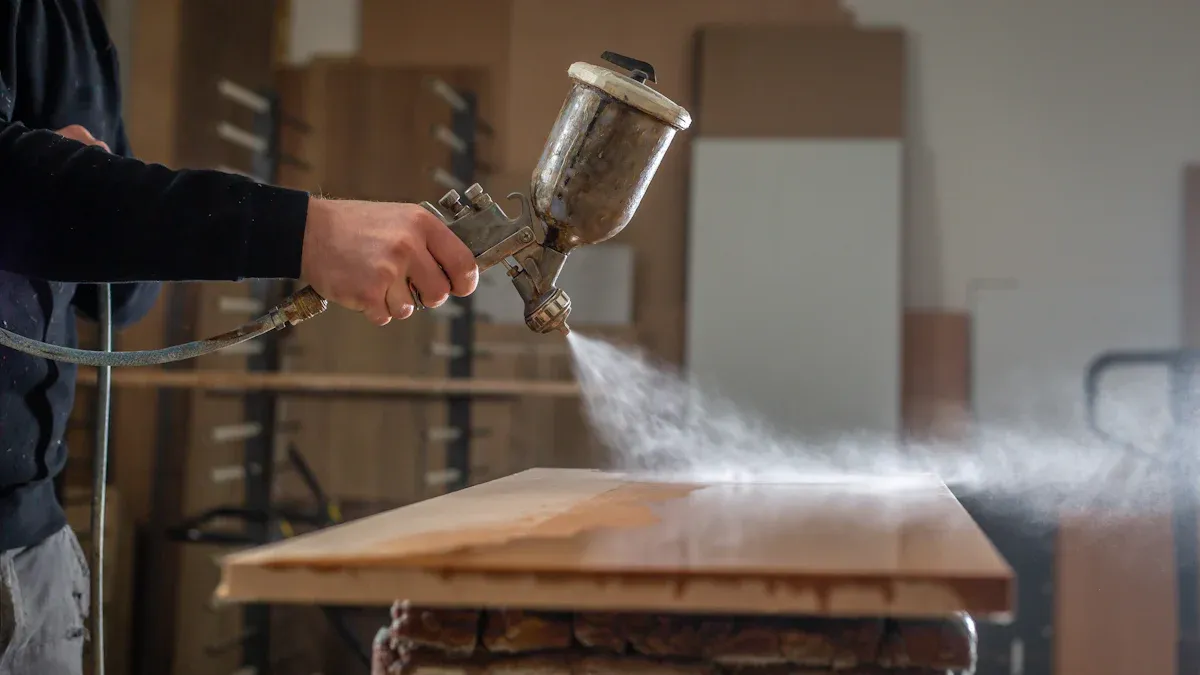
When you embark on your painting project, having the right tools is essential for achieving a professional finish. Here’s a list of the essential painting tools you will need:
Paintbrushes: Use high-quality brushes for edges and detailed work. Choose sizes that suit your project.
Rollers: Rollers cover large areas quickly. Opt for a roller with a nap that matches your surface texture.
Paint Tray: A tray helps you load your roller evenly, ensuring consistent application.
Drop Cloths: Protect your floors and furniture from paint splatters with durable drop cloths.
Sandpaper: Use sandpaper to smooth surfaces before painting, ensuring better adhesion.
Safety Equipment
Safety should always come first when working with water-based paint. Here are some essential safety items to consider:
Respirators: These protect you from inhaling paint particles and vapours, especially in poorly ventilated areas.
Safety Goggles: Goggles shield your eyes from paint splashes and debris.
Coveralls: Wear coveralls to protect your skin and clothing from paint splatters.
Tip: Always ensure proper ventilation when applying water-based paint indoors. This practice enhances air quality and reduces exposure to any fumes.
Recommended Storage and Handling Practices
Proper storage and handling of your water-based inorganic wall paint UK can extend its shelf life and maintain its quality. Follow these guidelines:
Practice | Details |
|---|---|
Storage Location | Store in original sealed packaging in a cool, dry, frost-protected room. |
After Opening | Reseal the packaging and use the remainder as soon as possible. |
Shelf Life | 18 months from the manufacture date if storage conditions are observed. |
By equipping yourself with the right tools and safety gear, you set the stage for a successful painting project.
Application Methods
When applying water-based paint, you have several methods at your disposal. Each technique has its advantages, depending on the area you are painting and the finish you desire.
Brush vs Roller
Choosing between a brush and a roller can significantly affect your painting outcome. Here are some key points to consider:
Brushes are perfect for detailed work and cutting in around edges. They allow for precision but can leave visible seams if not timed correctly with roller application.
Rollers excel in covering larger areas quickly and evenly. They are efficient, especially when paired with the right nap thickness for textured surfaces. This choice ensures even coverage without leaving unpainted peaks.
Achieving a Smooth Finish
To achieve a smooth finish, you must apply the paint evenly. Start by loading your brush or roller with the right amount of paint. Avoid overloading, as this can lead to drips and uneven texture. Use long, even strokes, and maintain a wet edge to prevent lap marks. If you notice any imperfections, sand the area lightly once dry and apply a second coat if necessary.
Working in Sections
Working in manageable sections helps maintain control and consistency. Divide your wall into smaller areas, painting one section at a time. This approach allows you to focus on achieving a quality finish without the paint drying too quickly. Always start from the top and work your way down to catch any drips.
Tip: Remember that water-based paint offers ease of cleanup with soap and water, making your post-painting process much simpler.
By mastering these application methods, you can ensure a professional-looking finish with your water-based inorganic wall paint UK.
Water-Based vs Oil-Based Paint
When choosing between water-based and oil-based paint, you must consider several factors, including durability, sheen, and the surfaces you plan to paint. Each type has its unique characteristics that can significantly impact your renovation project.
Durability
Durability is a crucial factor in paint selection. Here’s how water-based and oil-based paints compare:
Paint Type | Durability Characteristics | Flexibility Characteristics | UV Resistance Characteristics |
|---|---|---|---|
Oil-Based Paint | Dries harder, providing excellent resistance to wear. However, it can crack and become brittle over time. | Lacks flexibility, making it more prone to cracking under temperature changes. | Poor UV resistance; tends to yellow and develop a chalky surface when exposed to sunlight. |
Water-Based Paint | Dries hard enough for durability, effectively resisting damage and wear. It remains flexible, coping well with substrate expansion and contraction. | More flexible, reducing the risk of cracking during weather changes. | Excellent UV resistance; retains sheen and colour over long periods, making it ideal for exterior use. |
Sheen and Finish Quality
The sheen and finish quality of your paint can affect the overall appearance of your project. Here’s a comparison:
Paint Type | Sheen Quality | Finish Quality |
|---|---|---|
Oil-Based Paint | Provides a rich, glossy finish, ideal for high-traffic areas. | Creates a hard, durable surface that withstands wear. |
Water-Based Paint | Offers a smoother, more even finish, drying quickly. | Improves resilience over time, maintaining its appearance. |
Suitability for Different Surfaces
Choosing the right paint for your surfaces is essential. Here’s a breakdown of where each type excels:
Paint Type | Characteristics | |
|---|---|---|
Oil-Based Paints | Ideal for interior and exterior trims, cabinetry, and furniture. | High durability and glossy finish, perfect for high-traffic areas. |
Suitable for high-moisture areas like kitchens and bathrooms. | Moisture-resistant, maintaining colour and gloss despite humidity. | |
Water-Based Paints | Best for interior walls and ceilings. | Lower VOC levels, quick drying, suitable for indoor air quality. |
Excellent for exterior surfaces, retaining colour without yellowing. | Easier to clean, lower odour, making it viable for woodwork applications. |
Maintenance Requirements
Maintenance needs can also differ between the two types of paint. Water-based paints generally require less upkeep due to their improved durability and lower VOC emissions. In contrast, oil-based paints may need more frequent touch-ups and maintenance because of their lower durability.
Tip: Consider the long-term maintenance requirements when selecting your paint type. This choice can save you time and effort in the future.
By understanding the differences between water-based and oil-based paints, you can make an informed decision that best suits your renovation needs.
Common Mistakes to Avoid
Skipping Surface Prep
Many people underestimate the importance of surface preparation. Skipping this step can lead to poor adhesion and an uneven finish. Always clean, prime, and repair surfaces before applying water-based paint. This preparation ensures that the paint adheres properly and lasts longer.
Overloading the Brush or Roller
Overloading your brush or roller with paint can create drips and uneven textures. Instead, dip your brush or roller into the paint and remove excess by tapping it against the side of the container. This technique helps you apply the paint evenly and reduces the risk of mess.
Ignoring Drying Times
Ignoring recommended drying times can significantly impact your project. Here are some consequences of rushing this step:
Blistering may occur, ruining the finish.
Poor adhesion can lead to peeling paint.
The overall appearance may become inconsistent.
Always follow the manufacturer’s guidelines for drying times. This practice ensures a smooth and durable finish.
Tip: Plan your painting schedule to allow for adequate drying times. This approach will enhance the quality of your work and save you from future touch-ups.
By avoiding these common mistakes, you can achieve a professional-looking finish with your water-based inorganic wall paint UK.
In summary, proper surface preparation and application techniques are vital for successful renovation projects. You must clean surfaces thoroughly to ensure strong adhesion. Applying suitable primers enhances durability and prevents issues like corrosion. Remember, investing time in preparation safeguards your work and leads to a lasting finish.
Tip: Always follow best practices to achieve the best results in your renovation efforts.
FAQ
What are the ideal applications for water-based paints?
Water-based paints work best for interior walls, ceilings, and outdoor surfaces. They offer excellent coverage and durability in various conditions.
When should I use oil-based paints instead?
You should consider oil-based paints for high-traffic areas, furniture, and trim. They provide a glossy finish and are ideal applications for oil-based paints.
How can I ensure good coverage with my paint?
To achieve good coverage, apply a primer first. Use even strokes and avoid overloading your brush or roller during application.
See Also
Discover The Advantages Of Inorganic Anti-Alkali Primers
Begin Your Healthy Home Journey With Inorganic Anion Paint
Perfecting The Application Of Waterproof Coatings On Surfaces
A Comprehensive 2025 Guide To Concrete Dust Sealers
A Thorough Comparison Of Inorganic And Organic Wall Coatings
