

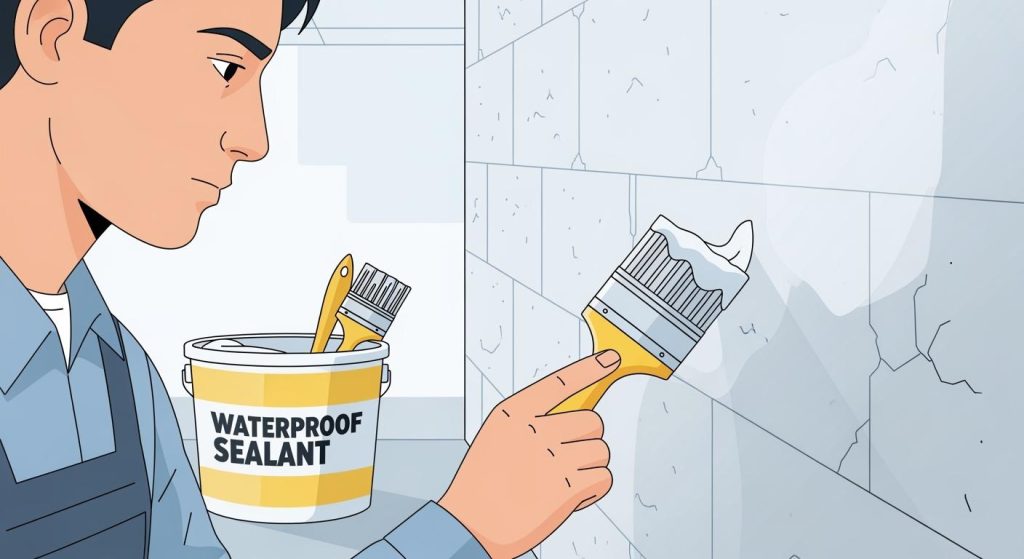
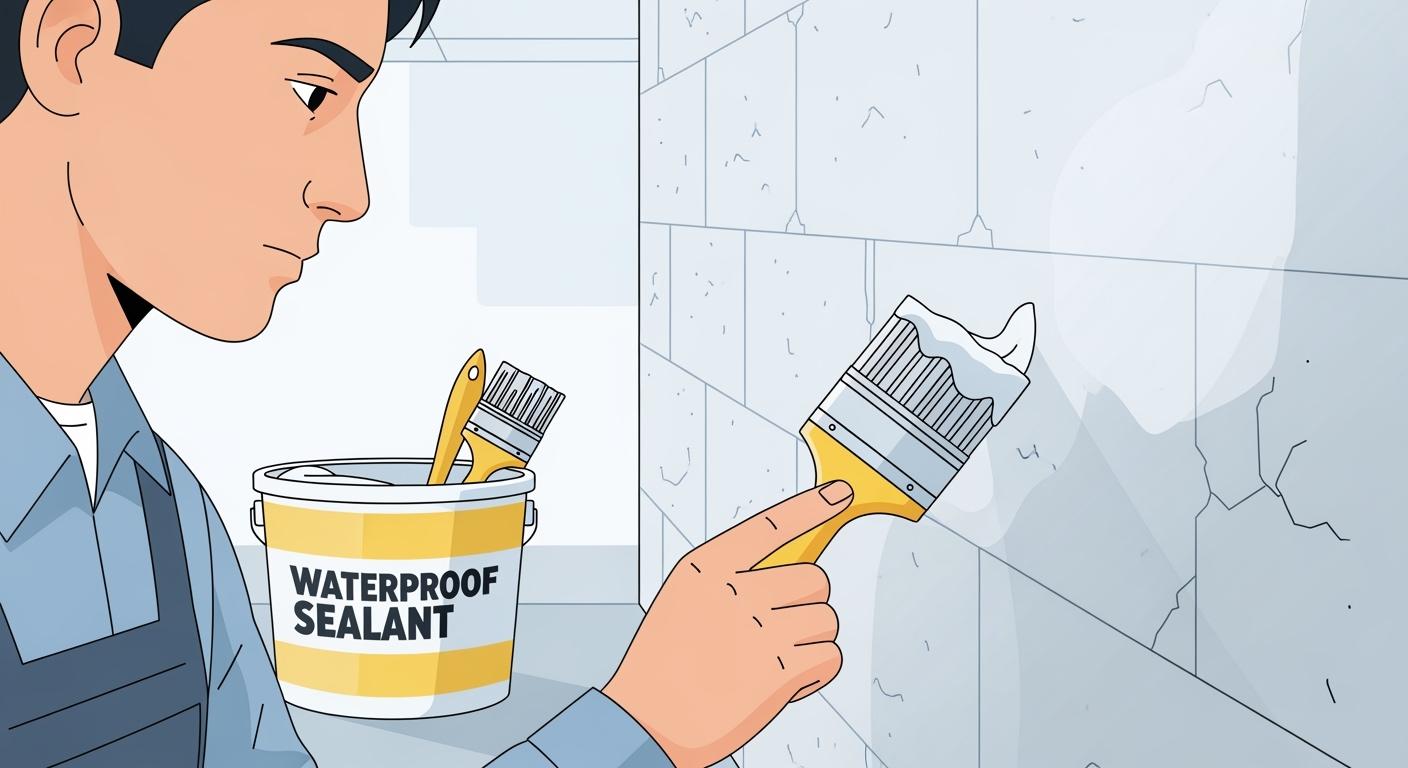
Waterproofing your basement is crucial, especially when it comes to waterproofing basement walls from inside. Over 60% of U.S. homes with basements face water penetration each year. This can lead to serious problems like structural damage, mold growth, and reduced insulation efficiency. Interior waterproofing methods effectively prevent water damage, allowing you to tackle existing leaks directly and protect your home.
Key Takeaways
Understanding water movement is crucial. Recognize how hydrostatic pressure and other factors contribute to basement leaks.
Interior waterproofing is cost-effective and quick. It minimizes disruption and provides immediate results, making it a practical choice for homeowners.
Regular maintenance is essential. Schedule yearly inspections and keep your waterproofing systems in good condition to prevent future water intrusion.
Water Movement
Water movement plays a significant role in how moisture enters your basement. Understanding this can help you take effective steps to prevent water intrusion.
Causes of Water Intrusion
Several factors contribute to water intrusion in basements. The primary causes include:
The primary causes of basement leaks include hydrostatic pressure, capillary action, vapor diffusion, and lateral water movement. Hydrostatic pressure is the force exerted by groundwater against foundation walls, leading to seepage through cracks. Capillary action allows moisture to rise through porous concrete, causing dampness. Vapor diffusion results in water vapor moving into the basement, leading to condensation. Additionally, improper drainage can direct surface water towards the foundation, increasing the risk of water intrusion.
Hydrostatic Pressure Explained
Hydrostatic pressure is a major player in basement leaks. It occurs when groundwater builds up around your foundation, especially during heavy rains or snowmelt. Here’s how it affects your home:
Hydrostatic pressure can increase during seasonal shifts, exerting pressure on basement walls and potentially causing leaks.
Weak areas in the foundation are especially susceptible to water intrusion due to hydrostatic pressure, necessitating effective drainage systems.
Indicators of basement leakage include moisture buildup, foundation cracks, and soil saturation around homes, often resulting from inadequate drainage or high hydrostatic pressure.
Drainage systems and waterproofing techniques, like foundation sealing and moisture barriers, are essential in reducing hydrostatic pressure and preventing basement leaks.
By understanding these factors, you can take proactive measures for keeping the water out and protecting your basement from moisture intrusion.
Importance of Interior Waterproofing
When it comes to protecting your home, interior waterproofing offers several advantages that you shouldn’t overlook. Let’s dive into the benefits of these indoor solutions and see how they stack up against exterior methods.
Benefits of Indoor Solutions
Indoor waterproofing methods can be a game-changer for your basement. Here are some key benefits:
Cost-Effective: Interior solutions often require less investment than exterior methods. You can achieve significant results without breaking the bank.
Quick Installation: Many indoor waterproofing systems can be installed relatively quickly, allowing you to enjoy a dry basement sooner rather than later.
Less Disruption: Unlike exterior waterproofing, which may involve digging around your foundation, interior methods typically cause minimal disruption to your landscaping and daily life.
Immediate Results: You’ll often notice immediate improvements in your basement’s dryness and air quality after implementing indoor solutions.
Ignoring the need for waterproofing can lead to serious consequences. Mold growth can thrive in damp conditions, leading to respiratory issues like allergies and asthma. Poor indoor air quality can result from airborne mold spores circulating in your home. Plus, damp conditions can attract pests, which may carry diseases that contaminate the air.
Comparing Interior and Exterior Methods
Both interior and exterior waterproofing methods have their strengths. Here’s a quick comparison to help you decide which might be best for your situation:
Feature | Interior Waterproofing | Exterior Waterproofing |
|---|---|---|
Cost | Generally lower | Typically higher |
Installation Time | Quicker | Longer due to excavation |
Disruption | Minimal disruption to landscaping | Significant disruption to landscaping |
Effectiveness | Best for existing leaks | Best for preventing future leaks |
Maintenance | Requires regular checks | May require less frequent maintenance |
Interior waterproofing is particularly effective when water enters through the walls. It helps manage hydrostatic pressure and adapts to changing soil conditions, ensuring consistent water control regardless of weather.
In contrast, exterior waterproofing involves applying a coating to the outside walls to prevent water infiltration. While it can be effective, it may not address existing issues as thoroughly as interior methods.
Ultimately, investing in waterproofing can yield a substantial return on investment. A dry, usable basement adds functional square footage to your home, significantly increasing its marketable value. According to a report by the National Association of Realtors, waterproofing your basement can lead to a 10% to 20% increase in overall property value, highlighting its importance in the real estate market.
By understanding the importance of interior waterproofing, you can make informed decisions that protect your home from water damage and enhance its value.
Effective Basement Waterproofing Techniques
When it comes to keeping your basement dry, several effective basement waterproofing techniques can make a significant difference. Let’s explore some of the most reliable methods you can use to protect your home from water intrusion.
Sealants and Coatings
Sealants and coatings are essential for creating a barrier against moisture. They work by sealing cracks and preventing water from seeping through your basement walls. Here are some of the most effective options available:
UGL Drylok Extreme
Koster
Xypex
In the words of expert Joe Lstiburek: “Waterproof coatings are not bad; they are not, however, a substitute for an adequate drainage system.” This highlights the importance of combining sealants with other waterproofing methods for the best results.
Sani-Tred stands out as a unique option. It’s the only complete basement or foundation sealing system in the world that can retain ‘negative hydrostatic pressure’. This means it can effectively prevent water from entering your basement even under challenging conditions.
When choosing a sealant, look for rubber-polymer based formulas. These offer flexibility and performance improvements, allowing application to damp concrete with instant cure times. This means you can start enjoying a drier basement sooner!
Interior Drainage Systems
An interior drainage system is another powerful tool in your waterproofing arsenal. These systems consist of a network of pipes, sumps, and drains that channel water away from your foundation. They play a crucial role in managing excess groundwater, especially during heavy rains.
Here’s what you need to know about interior drainage systems:
Cost: Installing an interior drain tile typically costs between $40 and $85 per linear foot. Total project costs usually range from $4,000 to $12,000. For a 100-foot perimeter foundation, you can expect to pay around $4,000 to $10,000.
Effectiveness: These systems actively mitigate hydrostatic pressure, preventing water from entering through cracks and joints. They help maintain a dry and healthy environment in your basement, protecting your home’s structural integrity and reducing the risk of mold growth.
Evidence Type | Description |
|---|---|
Hydrostatic Pressure Management | Interior drainage systems actively mitigate hydrostatic pressure, preventing water from entering through cracks and joints. |
Cost Savings | Properly installed systems can save homeowners from costly repairs by preventing water entry through floor cracks. |
Structural Integrity | These systems protect the foundation’s structural integrity by managing water before it reaches the basement floor. |
Sump Pumps
Sump pumps are often the last line of defense against basement flooding. They work by removing water that accumulates in a sump basin, typically located in the lowest part of your basement. Here’s what you should know:
Lifespan: The average lifespan of a sump pump ranges from 7 to 10 years. Factors like frequency of use, quality of the pump, and maintenance practices can affect this.
Common Causes of Failure: Sump pumps can fail for several reasons, including power outages, incorrect sizing, and maintenance neglect. Regular checks and maintenance can help ensure your pump operates effectively when you need it most.
To keep your sump pump running smoothly, consider these tips:
Ensure proper installation linked to your drainage system.
Regularly clean the pump and discharge lines to prevent clogs.
Test the pump periodically to confirm it’s functioning correctly.
By implementing these effective basement waterproofing solutions, you can significantly reduce the risk of water intrusion and protect your home from potential damage.
Best Practices for Implementation
Preparing Your Basement
Before you start waterproofing, you need to prepare your basement properly. Here are some essential steps to follow:
Assess the Basement Condition: Inspect the walls and floors for cracks, mold, or damp spots. Look for any signs of water intrusion.
Clear the Basement Area: Remove all items, furniture, and storage boxes. This ensures you have easy access to all surfaces for effective waterproofing.
Taking these steps helps you create a clean slate for your waterproofing project.
Maintenance Tips
Once you’ve waterproofed your basement, regular maintenance is key to keeping it effective. Here are some tips to help you maintain your system:
Regular Inspections: Schedule inspections at least once a year. This helps you catch any potential issues early.
Cleaning and Upkeep: Keep gutters clear and ensure proper grading around your foundation. This prevents water from pooling near your home.
Repairing Minor Damage: Seal any cracks and replace damaged weatherstripping. Addressing these small issues can prevent bigger problems down the line.
Enhancing Existing Waterproofing Systems: Consider applying additional waterproof sealants or installing drainage systems as needed.
By following these maintenance tips, you can ensure your basement remains dry and protected for years to come. Remember, a little effort goes a long way in preserving your home’s integrity!
In summary, interior waterproofing methods effectively protect your basement from water damage. You can prevent costly repairs and improve your home’s value by using sealants, drainage systems, and sump pumps. Take a moment to assess your basement and consider these techniques to keep your space dry and safe! 🏡
FAQ
What is the best method for waterproofing basement walls?
The best method combines sealants, interior drainage systems, and sump pumps for comprehensive protection against water intrusion.
How often should I inspect my waterproofing system?
Inspect your waterproofing system at least once a year to catch any potential issues early and maintain effectiveness.
Can I waterproof my basement myself?
Yes, you can use sealants and drainage systems for DIY waterproofing, but consider hiring professionals for complex installations.
See Also
A Comprehensive DIY Guide To Waterproofing Your Basement
An In-Depth Guide To Methods For Concrete Waterproofing
Selecting The Ideal Moisture Barriers For Your 2025 Project
A Vital Guide To Moisture Barriers For Walls And Floors
Understanding Rigid Waterproofing Sealers And Their Functionality
