

Moisture protection plays a crucial role in construction and home improvement. Waterproof paint and BANDě inorganic wall coatings effectively combat moisture-related issues. In fact, waterproofing problems account for up to 80% of all construction failures. Without proper protection, you risk structural damage, health issues from mold, and significant financial burdens.
Key Takeaways
Waterproof paint protects your home from moisture, preventing structural damage and mold growth.
BANDě inorganic wall coatings improve indoor air quality by reducing harmful emissions, making your space healthier.
Choosing the right product depends on your needs: waterproof paint is cost-effective, while BANDě coatings offer long-lasting durability.
Waterproof Paint Overview
Definition and Types
Waterproof paint creates a protective barrier that prevents water from penetrating surfaces. You can use it on walls, roofs, decks, and other areas exposed to moisture. This paint helps keep your building dry and safe from water damage.
There are several types of waterproof paint available, each designed for specific applications. The following table shows some common products and where you can apply them:
Product Name | Type of Paint | Application Area |
|---|---|---|
Single-component liquid waterproofing | Roofs, decks, and balconies | |
Liquid waterproofing | High-quality coatings for roofs | Commercial, industrial, and residential |
RD-Elastodeck | One-component water-based liquid | Renovation and life extension of membranes |
waterproofing coating | on flat or low-pitched roofs |
Waterproof paint often contains specific ingredients that give it its water-resistant properties. The table below highlights the main components that differentiate these paints:
Ingredient Type | Description |
|---|---|
Potassium Silicate | A key component in silicate paints, providing waterproofing properties. |
Inorganic Pigments | Must resist potassium silicate, ensuring durability and color retention. |
Inorganic Fillers | Enhance the texture and performance of the paint. |
Organic Content | Limited to a maximum of 5% by weight, keeping the paint mostly inorganic. |
Standards Compliance | Must meet DIN 18363 2.4.1 to qualify as true silicate paint. |
Resistance Properties | Includes resistance to water, acids, chemical solvents, and mold growth. |
Key Benefits
Using waterproof paint offers many advantages for your home or building. Here are some key benefits you can expect:
Protection Against Moisture: It creates a strong barrier that stops water from seeping into walls and surfaces.
Enhanced Durability: Waterproof paint helps extend the life of your building by reducing damage and the need for repairs.
Mold and Mildew Prevention: By keeping moisture out, it lowers the chances of mold growth, which improves indoor air quality.
Energy Efficiency: Some waterproof paints improve insulation, helping you save on heating and cooling costs.
Aesthetic Preservation: It prevents water stains and surface deterioration, keeping your walls looking fresh and clean.
Water can cause serious problems if it penetrates your building materials. It may weaken structures, cause cracks, and lead to flaking paint. In severe cases, water damage can cause walls or ceilings to collapse, creating safety hazards. Applying waterproof paint helps you avoid these risks and maintain a healthy, durable environment.
BANDě Inorganic Wall Coatings
Unique Properties
BANDě inorganic wall coatings stand out due to their unique composition and performance. These coatings utilize potassium silicate, which provides excellent adhesion and durability. They create a breathable surface that allows moisture to escape while preventing water penetration. This feature helps maintain the integrity of your walls and reduces the risk of mold growth.
Another remarkable property is their resistance to UV radiation. This quality ensures that the colors remain vibrant over time, making your surfaces look fresh and appealing. Additionally, these coatings are environmentally friendly, containing minimal organic content, which contributes to healthier living spaces.
Advantages for Indoor Air Quality
Using BANDě inorganic wall coatings can significantly improve indoor air quality. These coatings do not emit harmful volatile organic compounds (VOCs), which are common in many traditional paints. By choosing these coatings, you create a safer environment for your family or employees.
Several certifications support the air quality benefits of BANDě coatings. For instance, the Singapore Green Label indicates environmental friendliness. The DIN 18363 2.4.1 standard ensures that the organic content remains below 5% by weight. Furthermore, the EN 13300 Class 3 classification confirms their wet abrasion resistance. Here’s a summary of these certifications:
Certification/Standard | Description |
|---|---|
Singapore Green Label | Indicates environmental friendliness and compliance with specific standards. |
DIN 18363 2.4.1 | Standard for silicate paint with organic content <5% by weight. |
EN 13300 Class 3 | Wet abrasion resistance classification. |
DIN 53778 | Wash resistance and chemical bonding properties. |
By opting for BANDě inorganic wall coatings, you not only protect your walls but also enhance the air quality in your home or workplace.
Comparing Waterproof Paint and BANDě Coatings
Durability and Longevity
When considering durability, both waterproof paint and BANDě inorganic wall coatings offer significant advantages. Waterproof paint creates a barrier that protects against moisture, enhancing the lifespan of your building. It prevents water penetration, which can lead to structural damage. However, several factors affect its longevity:
Environmental Conditions: Extreme weather and UV exposure can degrade waterproofing materials over time.
Material Quality: Using high-quality materials ensures better performance and longevity.
Quality of Installation: Proper installation by experienced professionals is crucial for long-lasting effectiveness.
Maintenance: Regular inspections and timely repairs can significantly extend the lifespan of waterproofing systems.
On the other hand, BANDě coatings utilize potassium silicate, which provides excellent adhesion and durability. They create a breathable surface that allows moisture to escape while preventing water penetration. This unique property helps maintain the integrity of your walls and reduces the risk of mold growth.
Application Methods
Applying waterproof paint and BANDě inorganic wall coatings requires careful preparation and execution. Here are the recommended application methods for each:
Waterproof Paint Application Steps:
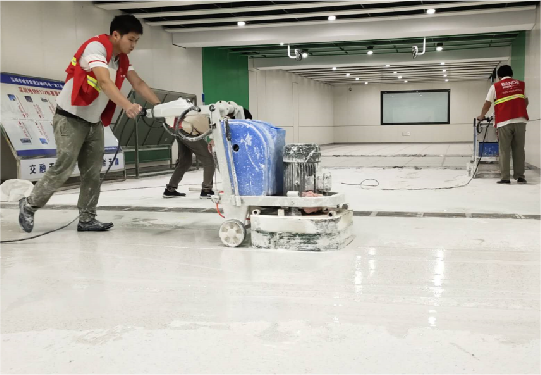
Prepare the surface by thoroughly cleaning and drying it, removing any dirt, grease, or old paint to ensure good adhesion.
Repair any cracks or holes with suitable fillers to create a smooth base.
Apply a primer if recommended by the manufacturer to improve adhesion and uniformity.
Apply the waterproof paint under appropriate weather conditions, avoiding extreme temperature or humidity.
Use multiple coats as advised, allowing each coat to dry completely before applying the next.
Perform regular maintenance by inspecting the waterproof coating and repairing any damage promptly.
BANDě Coatings Application Steps:
Clean the surface thoroughly to remove all dirt and dust.
Repair any cracks, voids, or holes in the structure.
Apply a primer coat and wait until it becomes tacky.
Apply waterproofing materials in successive, even layers.
Allow each layer to cure fully before applying the next.
After full curing, conduct water or adhesion tests to ensure effectiveness.
Following these steps ensures that you achieve the best results with either product.
Cost-Effectiveness
Cost is an essential factor when choosing between waterproof paint and BANDě coatings. Here’s a breakdown of typical costs for each:
Waterproof Paint Costs:
Roof waterproofing ranges from SGD 8 to SGD 30 per square meter.
Small bathroom waterproofing costs between SGD 500 and SGD 2,000.
Larger balconies cost between SGD 1,000 and SGD 3,500 depending on condition.
Basement waterproofing ranges from SGD 3,000 to SGD 10,000 for full tanking.
BANDě coatings may have a higher initial cost due to their advanced technology and benefits. However, their durability and low maintenance requirements can lead to long-term savings. You may find that investing in BANDě coatings pays off over time, especially in areas prone to moisture issues.
Here’s a quick look at waterproof paint’s strengths:
Description | |
|---|---|
Strong and Flexible Coat | Forms a durable barrier that blocks water and moisture. |
Versatile Bonding | Bonds tightly to wood, metal, concrete, and more. |
UV Resistance | Resists fading and damage from sunlight. |
Quick Drying | Allows faster project completion. |
Elasticity | Stays firm and flexible under wet conditions. |
Cost-Effective | Offers affordable protection and lowers repair costs. |
Both waterproof paint and BANDě coatings help you build sustainably by:
Minimizing material erosion
Enhancing energy efficiency
Preserving structural integrity
Promoting healthier indoor air
Choose waterproof paint for quick, cost-effective protection. Opt for BANDě coatings if you want long-lasting breathability and improved air quality.
FAQ
What surfaces can I apply waterproof paint on?
You can apply waterproof paint on walls, roofs, decks, and other moisture-exposed areas.
How long does BANDě inorganic wall coating last?
BANDě coatings can last for many years, depending on environmental conditions and proper application.
Is waterproof paint safe for indoor use?
Yes, many waterproof paints are safe for indoor use, but check for low VOC options for better air quality.
See Also
BANDě: Transform Your Walls With Decorative Coatings in 2025
Five Best BANDě Epoxy Wall Coatings for Indoor Spaces 2025
Comparing Inorganic And Organic Wall Coatings for 2025
Expert Techniques for Applying Waterproof Coatings on Surfaces
Discover the Advantages of Inorganic Anti-Alkali Primers for Durability
