

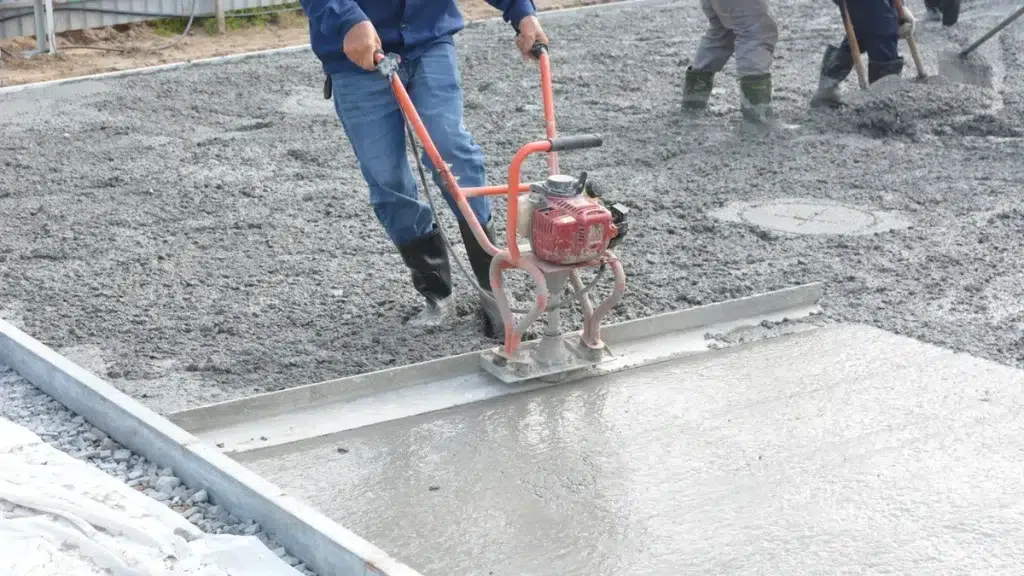
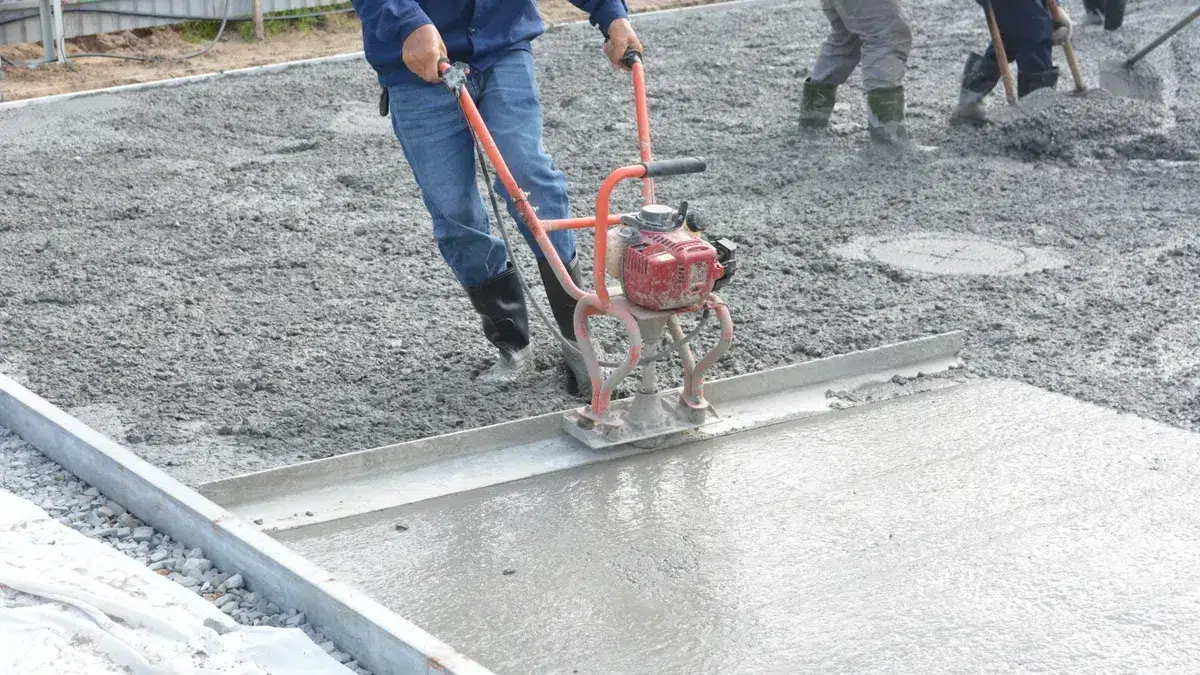
Waterproofing concrete is crucial for maintaining its integrity over time. Effective sealers play a vital role in this process. They prevent moisture ingress, which leads to concrete deterioration. By enhancing durability, sealers also reduce maintenance expenses. You can achieve long-lasting protection with a weatherproof concrete sealer, ensuring your structures remain strong and resilient.
Key Takeaways
Choose the right type of sealer for your concrete. Penetrating sealers offer deep protection, while film-forming sealers enhance appearance.
Prepare your concrete surface thoroughly before applying sealers. Clean, inspect, and repair any cracks to ensure effective waterproofing.
Regularly reseal your concrete every 2 to 3 years. This practice maintains durability and prevents costly repairs in the future.
Types of Waterproof Concrete Sealers
When it comes to waterproofing concrete, understanding the types of sealers available is essential. Two primary categories of sealers exist: penetrating sealers and film-forming sealers. Each type offers unique benefits and mechanisms for protecting your concrete surfaces.
Penetrating Sealers
Penetrating sealers absorb into the concrete, sealing it from within. They do not alter the surface appearance, making them ideal for maintaining the natural look of your concrete. Here are some key features of penetrating sealers:
They increase durability and resist both water and oil-based staining.
They are non-film forming, which means they do not create a visible layer on the surface.
They effectively reduce moisture transport and chloride ion penetration.
Some common types of penetrating sealers include:
Sealer Type | Effectiveness | Key Features |
|---|---|---|
Soy Methyl Ester Polystyrene | Reduces moisture transport and chloride ion penetration | Eco-friendly, sustainable protection options |
DensiCrete | Creates a permanent moisture barrier by densifying concrete | One-time application, strong protection against elements and de-icers |
These sealers are particularly effective in areas exposed to harsh weather conditions, as they provide long-lasting protection against water ingress.
Film-Forming Sealers
In contrast, film-forming sealers create a protective layer on the surface of the concrete. This layer acts as a barrier against moisture and environmental elements. Here are some characteristics of film-forming sealers:
They offer a glossy finish and UV resistance, enhancing the aesthetic appeal of your concrete.
They may require more frequent reapplication due to surface wear.
They provide excellent protection against stains and chemicals.
Film-forming sealers are suitable for decorative concrete surfaces, where appearance is a priority. However, they may not penetrate as deeply as penetrating sealers, which can affect their longevity and effectiveness.
Both types of sealers play a crucial role in achieving waterproof concrete. Selecting the right sealer depends on your specific needs and the environmental conditions your concrete will face. For instance, if you require a product that penetrates deeply and offers long-term protection, consider using BANDě Flexible Waterproof Sealer. This environmentally friendly, water-based inorganic nanomaterial penetrates 3-5mm into cement substrates, forming a flexible, impermeable layer that encapsulates concrete ions. This dual-layer approach ensures permanent moisture-proof and waterproof properties.
Ultimately, understanding the differences between penetrating and film-forming sealers will help you make an informed decision for your waterproofing project.
Preparing Concrete for Waterproofing
Before applying any waterproofing sealers, you must prepare the concrete surface thoroughly. Proper surface preparation enhances the effectiveness of the sealers and ensures long-lasting protection against moisture.
Surface Inspection
Begin by inspecting the concrete surface for any signs of damage or contamination. Follow these steps to conduct a thorough inspection:
Remove dirt, oil, and any previous coatings from the surface.
Repair any cracks or damaged areas you find.
Ensure the concrete is fully cured, which typically takes about 28 days for new concrete.
Test the moisture content when necessary.
During your inspection, pay attention to the following aspects:
Look for damp or wet spots on the floor.
Tape a 1m x 1m sheet of thick polythene to the floor to check for moisture vapour.
Inspect for porosity, exposed aggregate, cracks, and laitance.
Check the surface soundness using a screwdriver or hammer.
These steps will help you identify any issues that could compromise the waterproofing process.
Filling Cracks and Gaps
Addressing cracks and gaps is crucial for achieving waterproof concrete. Different types of cracks require specific repair methods. Here’s a summary of common crack types and their recommended repair methods:
Type of Crack | Description | Recommended Repair Method |
|---|---|---|
Hairline surface cracks | Very thin, can allow water in, sealing recommended. | Use sealers to fill and seal the cracks. |
Expansion or contraction cracks | Long, straight lines due to concrete movement, manageable. | Apply appropriate fillers or sealants. |
Settlement cracks | Caused by soil movement, may indicate instability. | Monitor closely, consider professional advice. |
Structural cracks | Wide, uneven, may indicate serious issues, needs professional assessment. | Professional evaluation and repair required. |
By filling these cracks and gaps, you prevent water ingress and enhance the overall durability of your concrete.
Proper surface preparation, including thorough inspection and effective crack repair, significantly impacts the performance of waterproofing sealers. Ensure you follow these steps diligently to achieve the best results in your waterproofing project.
Applying a Weatherproof Concrete Sealer
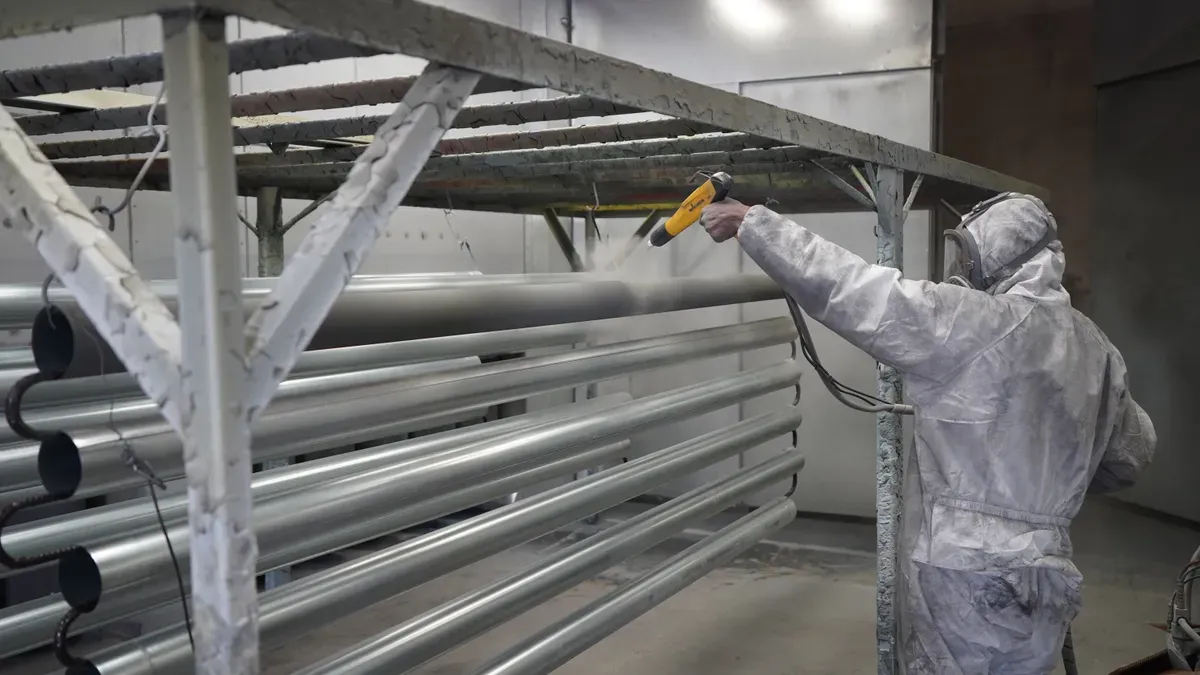
Applying a weatherproof concrete sealer requires careful preparation and the right tools to ensure optimal results. This section will guide you through the essential tools needed and the step-by-step process for effective application.
Tools Required
To achieve the best coverage and protection when applying a weatherproof concrete sealer, gather the following tools:
Sprayers: Ideal for quick and even distribution of sealers.
Rollers: Best for large areas, ensuring uniform coverage and control over thickness.
Brushes: Useful for detail work and tight spaces, allowing for precise application.
Here’s a summary of application techniques and their key benefits:
Application Technique | Key Benefits |
|---|---|
Spraying | Fast, even coverage |
Back-Rolling | Smooth, consistent sealer layer |
Two Thin Coats Strategy | Enhances adhesion and durability |
Using a clear polyurethane primer and sealer provides deep penetration into the concrete, superior adhesion, and a hard-wearing finish that resists oil, water, and chemicals. This enhances the durability and longevity of your concrete surface, making it essential for optimal protection.
Application Steps
Follow these steps to apply your weatherproof concrete sealer effectively:
Clean the Surface: Remove everything from the floor, use a putty knife to remove skirting boards, clear debris, degrease the floors, scrub oily areas, rinse with a wet mop, and ensure the floor is completely dry. Fill any cracks with concrete filler.
Remove Old Concrete Sealer: Test for existing sealer, strip it using a floor stripper, scrape the surface with diamond grinding, and clean and dry the area thoroughly.
Apply Concrete Sealer Coating: Check the manufacturer’s instructions, wear protective clothing, and apply the sealer in thin coats using a sprayer or roller. Ensure even coverage without puddling. Follow up with a second coat after the first has dried.
While applying the sealer, avoid common mistakes that can compromise the waterproofing process:
Not cleaning the surface properly can hinder adhesion.
Applying sealer to wet concrete may trap moisture.
Using the wrong type of sealer can lead to ineffective results.
Over-applying the sealer can cause peeling.
Not allowing enough time between coats can affect bonding.
Sealing in extreme weather conditions can impact curing.
Ignoring reapplication guidelines can reduce long-term protection.
By following these steps and using the right tools, you can effectively apply a weatherproof concrete sealer, ensuring your surfaces remain protected against moisture and other environmental factors.
To achieve weatherproof concrete, you must select the right sealers and apply them correctly. Consider these key takeaways:
Sealed concrete acts as a barrier against moisture, preserving structural integrity.
Regular resealing every 2 to 3 years maintains durability and moisture resistance.
Effective moisture management extends the lifespan of your installations and reduces costs.
Take proactive steps in your waterproofing projects to ensure long-lasting protection and minimise future repair expenses.
FAQ
What is the best time to apply a concrete sealer?
Apply a concrete sealer during dry weather, ideally when temperatures range between 10°C and 30°C for optimal curing.
How often should I reseal my concrete?
You should reseal your concrete every 2 to 3 years to maintain its waterproofing effectiveness and overall durability.
Can I apply sealer on wet concrete?
No, applying sealer on wet concrete can trap moisture, leading to poor adhesion and ineffective waterproofing.
See Also
A Comprehensive Handbook for Selecting Ideal Concrete Sealers
The Definitive Resource for Effective Concrete Waterproofing Techniques
The 2025 Handbook for Selecting Your Ideal Concrete Sealer
