

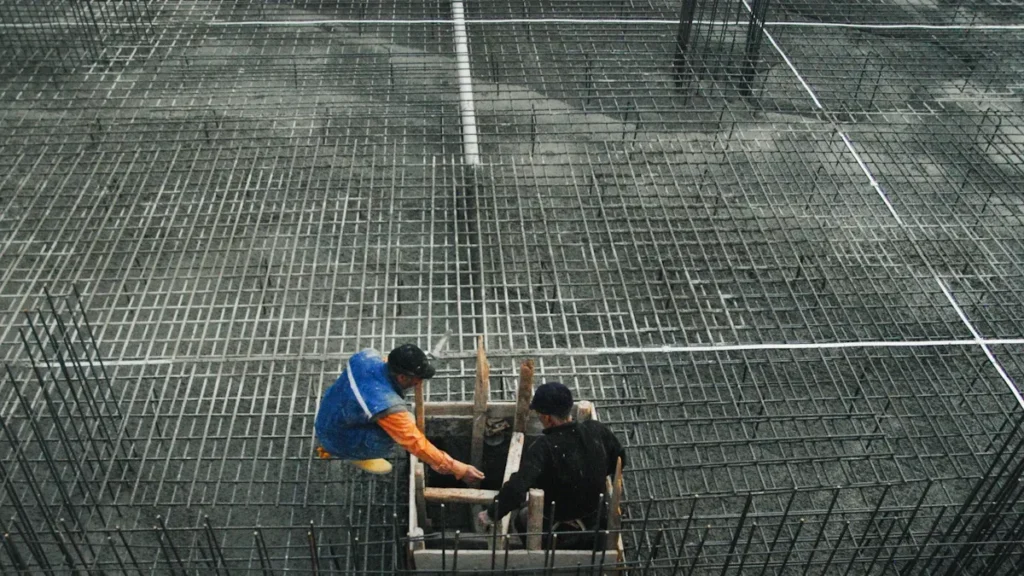
Does your concrete floor suffer from constant dusting or wear? Many concrete surfaces face these issues. A concrete hardener offers a powerful solution. This specialized treatment applied to concrete surfaces works to strengthen and densify the material. It dramatically improves durability and appearance, making your floor last longer.
Key Takeaways
A concrete hardener is a liquid that makes concrete stronger. It goes into the concrete and reacts with it. This makes the concrete harder and last longer.
Concrete hardeners work by a chemical reaction. They create a strong material inside the concrete. This helps the concrete resist damage and wear.
Using a concrete hardener has many benefits. It makes floors last longer and easier to clean. It also protects them from stains and damage.
What is a Concrete Hardener?
Defining Concrete Hardeners and Their Purpose
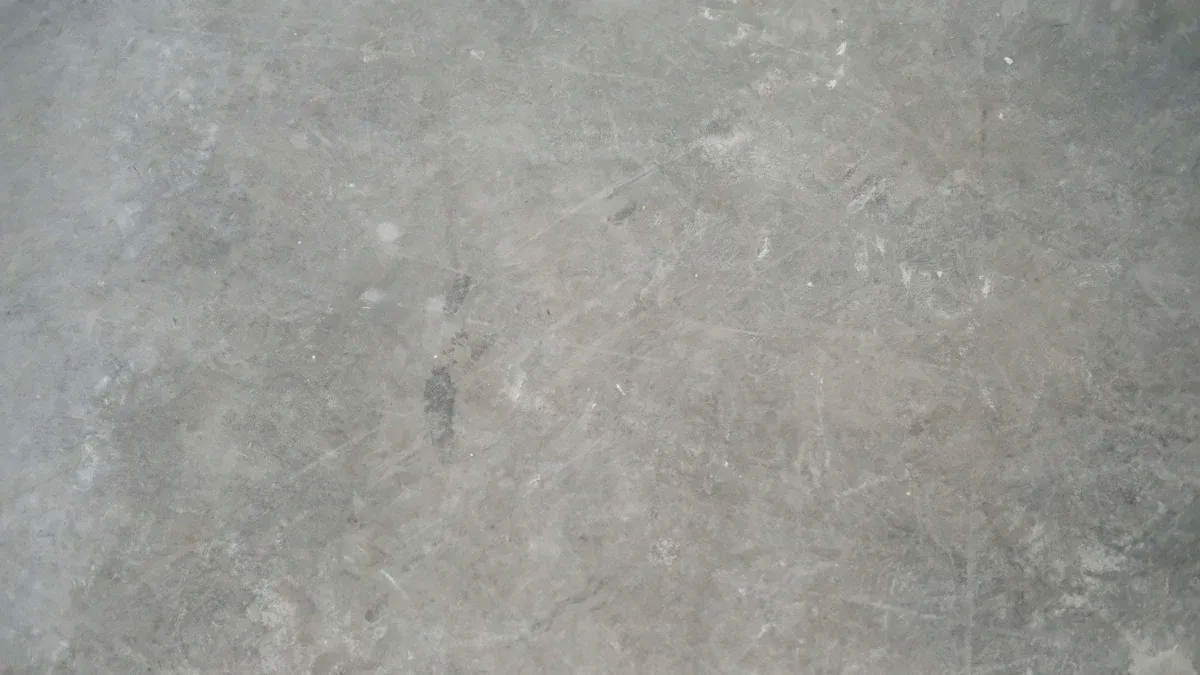
A concrete hardener is a specialized liquid solution. It is typically water-based and non-toxic. This product works by penetrating deep into the concrete surface. People sometimes call it a concrete sealer or a densifier. These names highlight its dual function. A concrete hardener does more than just sit on top; it becomes an integral part of the concrete itself. Its main purpose is to make concrete stronger and more resistant to damage. Think of it as a super-booster for your concrete.
Immediate Impact on Concrete Surfaces
When you apply a concrete hardener, it immediately begins its work. The liquid soaks into the pores of the concrete. This process of penetrating the concrete starts a transformation. You might not see dramatic changes instantly, but the product is actively engaging with the concrete’s internal structure. It begins to fill microscopic voids and strengthen the material from within. This initial action significantly improves the surface quality. It prepares the floor for enhanced durability and a longer lifespan. The concrete starts its journey to becoming a much tougher and more resilient surface.
How Concrete Hardeners Work
he Chemical Reaction for Densification
A concrete hardener does its magic through a fascinating chemical reaction deep within the concrete. When you apply the liquid, it penetrates the surface and finds calcium salts, especially calcium hydroxide, which naturally exist in concrete. These inorganic hardeners, the most common type, react with the calcium hydroxide. This reaction creates additional calcium silicate hydrate (C-S-H), the same dense, hard compound that gives concrete its strength. Think of it like filling tiny internal gaps with super-strong glue. This process significantly increases the density and toughness of the concrete.
Physical Changes and Enhanced Durability
This internal densification leads to remarkable physical changes. The concrete becomes much harder and less porous. This increased density helps the concrete resist micro-pitting, which often causes dusting and wear on a concrete floor. It also forms a protective barrier. This barrier guards against stains, chipping, cracking, corrosion, erosion, and even damage from freeze-thaw cycles. For example, a treated concrete surface shows a dramatic reduction in water absorption.
Condition | Water Absorption Rate (kg·m-2·h-0.5) |
|---|---|
Untreated Substrate | > 1 |
Treated with Sikafloor® CureHard-24 | 0.03 |
This table shows how effectively the hardener works to enhance durability. However, remember not to wet the treated concrete surface for at least three days after application. This prevents efflorescence, which is a powdery white deposit, and ensures the product fully cures.
Types of Concrete Hardeners and Their Mechanisms
Concrete hardeners come in different types, each with unique mechanisms. We primarily categorize them as inorganic, organic, and hybrid.
Inorganic Hardeners: As we discussed, these are the most common. They include materials like sodium silicate, potassium silicate, and nano silica. They work by reacting with calcium hydroxide inside the concrete to form more C-S-H. This makes the concrete denser and tougher. People often use them in industrial areas like parking lots and warehouses.
Organic Hardeners: These hardeners, made from materials like epoxy resin, polyurethane, or acrylic, create a protective film on the concrete surface. This film makes the concrete more elastic, improves its resistance to corrosion, and makes it easier to clean. They are perfect for specialized environments. For instance, food processing plants benefit from their acid and alkali resistance. Electronics factories use them for their anti-static properties.
Hybrid Hardeners: These combine the best of both worlds. They blend inorganic silicates with organic resins. Sometimes, they even include reinforcing fibers like polypropylene or steel. The inorganic part hardens the surface, while the organic resin provides toughness and resistance to cracks. The fibers further improve the concrete’s ability to bear heavy loads and prevent peeling. These hardeners are ideal for high-traffic and high-load areas, such as airport runways, ports, and logistics centers. Choosing the right concrete hardener depends on the specific needs of your floor.
Benefits and How to Apply a Concrete Hardener
Key Advantages of Hardened Concrete
Hardened concrete offers many significant advantages. It dramatically increases abrasion resistance, meaning your floor stands up better to heavy traffic and wear. You will also notice reduced dusting, which keeps your environment cleaner and healthier. Hardened concrete boasts improved chemical resistance, protecting it from spills and corrosive substances. Plus, it becomes much easier to maintain. Hardened concrete floors are associated with reduced long-term maintenance costs due to a decreased need for repairs and general upkeep. This makes them a vital component in construction. These durable floors extend the life of concrete floors significantly. You find hardened concrete beneficial in many applications across various industries, such as industrial floors, busy warehouses, and residential garages.
Step-by-Step Guide to Apply a Concrete Hardener
Applying a concrete hardener is a straightforward process, but proper preparation is key. First, the concrete floor surface must be thoroughly cleaned of dirt, dust, and other foreign matter. This ensures the hardener can penetrate effectively. Once clean, you can apply the hardener using various methods. You can use a brush, a roller, or a spray, especially for larger areas. Make sure to apply a concrete hardener evenly across the entire surface.
After application, the hardener needs time to react and cure.
Temperature | |
|---|---|
+10 °C | 6 hours |
+20 °C | 5 hours |
+30 °C | 4 hours |
Note: Times are approximate and will be affected by changing ambient conditions, particularly temperature and relative humidity. Treated concrete surface must not be wetted for the first 3 days at least. This could lead to efflorescence.
The surface typically becomes touch-dry in about 2 hours at +20 °C. Maximum sealing and hardening occur around 7 days at +20 °C. After a concrete hardener has reacted, which typically takes about 24 hours, the surface can be polished. Curing times for concrete hardeners generally range from a few hours to a day, depending on the product and conditions.
Ultimately, a concrete hardener significantly prolongs the lifespan and enhances the performance of your concrete floor. These treatments offer increased durability, sustainability, and lower maintenance costs, making them an economic solution. They also provide floor protection and increased friction resistance. Proper selection and application ensure optimal results for any project.
FAQ
Does a concrete hardener change the color of the concrete?
Typically, a concrete hardener does not significantly change the concrete’s color. It might slightly deepen the natural tone, giving it a richer appearance.
How long does a concrete hardener last?
A concrete hardener offers a permanent solution. It chemically reacts with the concrete, becoming an integral part of the floor. This means it does not wear away or delaminate.
Can you apply a concrete hardener to old concrete?
Yes, you can apply a concrete hardener to old concrete. The surface must be clean and free of contaminants for proper penetration and reaction.
See Also
Unveiling the Science: How Concrete Surface Hardeners Achieve Durability
Densifiers Versus Hardeners: Understanding Their Distinct Roles in Concrete
BANDě Concrete Densifier: Its Function and Operational Mechanism Explained
The Definitive 2025 BANDě Guide: Densifiers and Hardeners Explored
BANDě Concrete Densifier: A Comprehensive Guide to Its Functionality
