


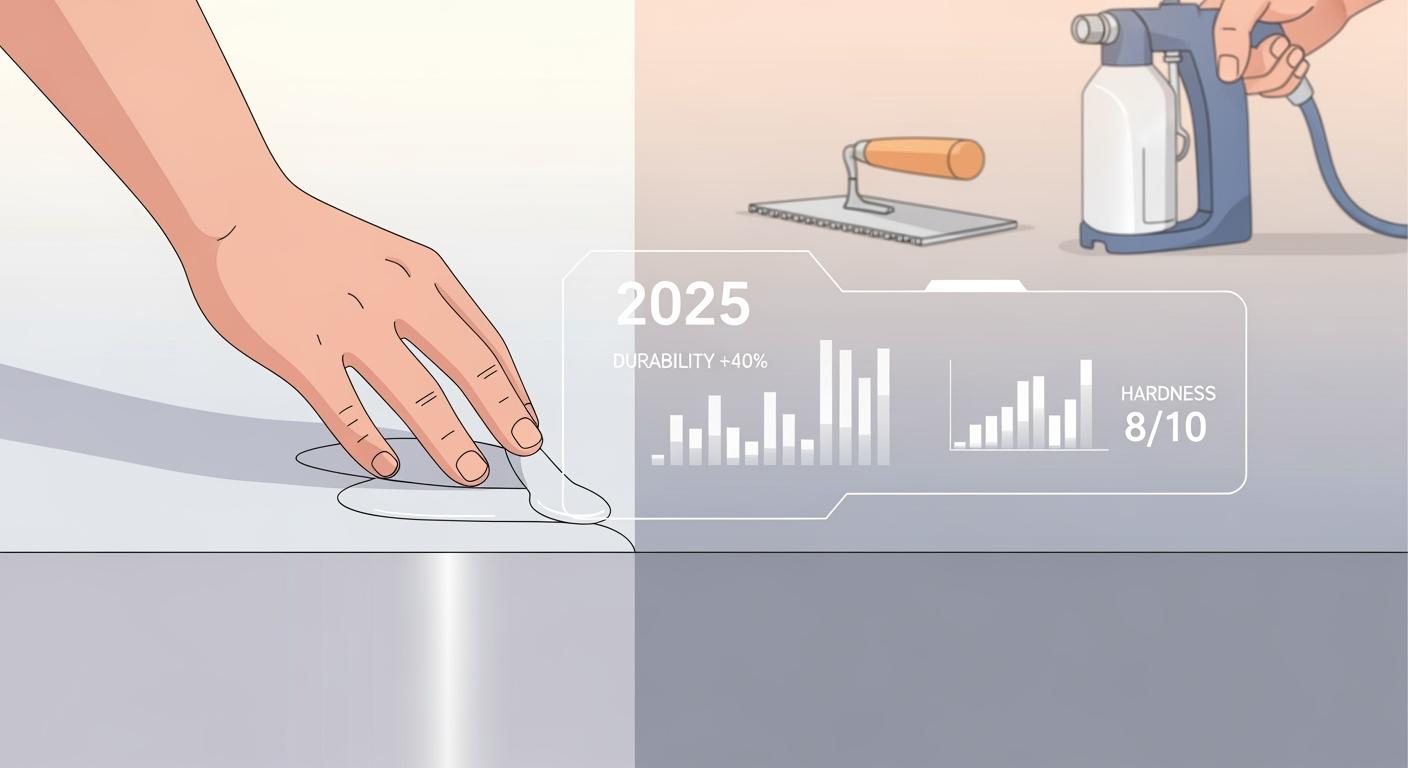
Your concrete often shows signs of wear. You need enhanced durability for these concrete surfaces. A concrete floor hardener offers an excellent solution. It gives your concrete an extended lifespan and better protection. You can choose between dry-shake and liquid floor hardener application. This guide helps you with applying floor hardener effectively. You will achieve optimal concrete surface durability.
Key Takeaways
Concrete floor hardeners make concrete stronger and last longer.
You can use dry-shake hardeners for new concrete or liquid hardeners for old concrete.
Properly applying hardener helps your concrete resist wear and tear, saving you money.
Understanding Concrete Floor Hardener Benefits
Defining Floor Hardener Types
You want your concrete to last. A concrete floor hardener is a special material you apply to concrete surfaces. It significantly enhances the concrete’s strength and durability. This treatment makes your concrete dense, abrasion-resistant, and dust-proof. You will find two main types: dry-shake and liquid.
A dry-shake hardener involves sprinkling a dry compound onto fresh concrete. You then work it into the surface. This method creates a monolithic bond with the concrete. It is perfect for heavy-duty industrial environments. Think about car washes, high-traffic production halls, or industrial warehouse flooring. These places see heavy loads and constant stress. A dry-shake hardener handles forklifts and temperature changes well.
A liquid concrete hardener, on the other hand, penetrates existing concrete. It reacts chemically to densify and harden the surface. This type of floor hardener is excellent for reducing dusting on both new and old concrete. It seals dust, making the surface hard and preventing dust generation.
Key Durability Advantages
Using a concrete floor hardener offers many benefits. You get increased hardness and enhanced abrasion resistance. This leads to long-term durability for your concrete. The surface becomes dust-proofed, which also makes it much easier to clean and maintain.
These hardeners improve the overall performance characteristics of your concrete. They create a tougher surface that resists wear and tear from heavy traffic and impacts. You will notice less chipping and cracking. This means your concrete stays in better condition for a longer time. Investing in a quality floor hardener protects your concrete and reduces future repair costs.
Applying Floor Hardener for Optimal Concrete Life
You want to get the most out of your concrete. Applying floor hardener correctly is key. This section gives you a step-by-step guide for both dry-shake and liquid hardener application methods. You will learn how to achieve maximum concrete life.
Choosing the Right Hardener
Selecting the right concrete floor hardener is your first crucial step. You need to consider several factors. Think about the type of concrete you are using. What is the intended use of the floor? What level of protection do you desire? Consider the volume of traffic the floor will experience, whether it is foot traffic or heavy vehicles. Also, think about potential exposure to chemicals. Do not forget aesthetic considerations for the concrete’s appearance.
Liquid hardeners work well for existing concrete. They penetrate and strengthen the surface. Dry-shake hardeners are ideal for new concrete installations. You apply them during the finishing process. Your choice impacts the entire application process.
Concrete Surface Preparation
Proper concrete surface preparation is vital for successful hardener application. You must ensure the concrete surface is clean. It needs to be free from dust, dirt, oil, and other impurities. You can use a high-pressure washer, a floor scrubber, or an industrial vacuum for effective cleaning.
Next, repair any cracks, holes, or damage to the concrete. This allows for even hardener penetration. Check the moisture levels. The surface should not be visibly wet. However, it should be slightly damp. This helps the hardener penetrate. If the surface is too dry, lightly mist it with water. Monitor the temperature and humidity. Maintain a stable temperature and moderate humidity. Avoid extreme weather conditions. This ensures effective hardener reaction.
For surface preparation, you will need specific tools. Abrasives are useful for smoothing or shaping the surface. These include powders, pastes, sandpaper, or grinding wheels. Abrasive products like wheels are crafted for precision sanding and polishing. Cutting and grinding wheels are also essential. They help with heavy-duty material removal. An electric concrete breaker is a valuable tool for repairing or demolishing parts of the concrete. When you choose one, consider its power, anti-vibration system, weight, and bit compatibility.
Dry-Shake Hardener Application
Applying dry-shake hardener requires careful timing. You apply this dry shake concrete hardener onto fresh concrete. First, the bleed water on the concrete surface must fully evaporate. The surface should be moist but no longer have flowing water. You can use a bull float before bleeding begins. This helps to evenly spread the surface cream.
Here is how you apply the dry shake concrete hardener:
First Application: Distribute about two-thirds of the recommended dry shake concrete hardener evenly. You can do this by hand or with a mechanical spreader.
Floating: Work the applied dry shake concrete hardener into the concrete. Use a bull float or a power trowel with float blades. Continue until it becomes saturated with the concrete’s moisture.
Second Application: After the initial floating, apply the remaining one-third of the dry shake concrete hardener. Make sure it is also evenly distributed.
Floating (Repeat): Float the surface again. This fully incorporates the second application of dry shake concrete hardener into the concrete. This ensures a strong bond for your concrete floor hardener.
Liquid Hardener Application
Liquid concrete hardener is excellent for existing concrete. This application method is straightforward. You will need a low-pressure sprayer for large areas.
Here are the steps for applying liquid concrete hardener:
Mix the Hardener: Prepare the liquid concrete hardener according to the manufacturer’s instructions.
Apply Evenly: Distribute the liquid concrete hardener uniformly across the concrete surface. Use a sprayer, mop, or roller.
Allow Penetration: Let the product soak into the concrete. This typically takes between 30 minutes to an hour.
Buff the Surface: Use a floor polisher to enhance the finish. This also ensures even coverage of the applied hardener.
For liquid hardeners like BANDě Crystal Floor Hardener, a general guideline suggests using approximately 0.2-0.3 liters per square meter. Always consult the specific product instructions. Usage can vary. You may need to adjust based on the concrete’s absorption and surface condition. This ensures your liquid concrete hardener works effectively.
Working and Curing the Hardener
After applying floor hardener, you need to work it into the concrete. Use a polishing machine or a hand trowel for a professional finish. This step helps densify the surface. It also ensures the hardener fully integrates with the concrete.
Proper curing is essential for the hardener to achieve its full strength. Curing protects the concrete from rapid moisture loss. This prevents cracking and ensures the hardener performs optimally. Follow the manufacturer’s recommendations for curing time. This often involves keeping the surface moist or covered. Proper curing significantly contributes to the long-term durability of your concrete. It allows the concrete to gain maximum strength.
Safety and Environmental Tips
When applying floor hardener, safety comes first. Always wear personal protective equipment. This includes rubber gloves, dust masks, and eye protection. Other safety equipment may also be necessary. Read the product’s safety data sheet. It provides specific handling instructions.
Consider environmental impact. Dispose of any waste materials properly. Follow local regulations for chemical disposal. Choose products with low VOC (Volatile Organic Compound) content when possible. This minimizes environmental harm.
Properly applied floor hardeners give your concrete increased durability, wear resistance, and reduced dusting. This extends the life of your concrete surfaces. You save money on repairs and maintenance for your concrete. Investing time in correct application for your concrete surface is cost-effective. Apply this knowledge to protect your concrete. Durable concrete offers lasting value.
FAQ
How often do you need to reapply floor hardener?
You typically apply floor hardener once. It creates a permanent bond with your concrete. You will not need to reapply it unless you resurface the concrete.
Can you use hardener on old, damaged concrete?
Yes, you can! Liquid hardeners work well on existing concrete. First, you must clean and repair any damage. This ensures proper penetration and effectiveness.
What is the main difference between dry-shake and liquid hardeners?
Dry-shake hardeners go on fresh concrete. They become part of the new slab. Liquid hardeners penetrate and strengthen existing concrete surfaces. You choose based on your concrete’s age.
See Also
Selecting the Optimal Concrete Floor Hardener: A 2025 Comprehensive Guide
Choosing Ideal Concrete Densifiers, Hardeners, and Sealers: Your 2025 Handbook
A Comparative Guide: Top Floor Hardeners for 2025 Selection
BANDě’s 2025 Essential Guide to Concrete Densifiers and Hardeners
Top 5 Concrete Floor Hardeners for Industrial Use: A Selection Guide
