

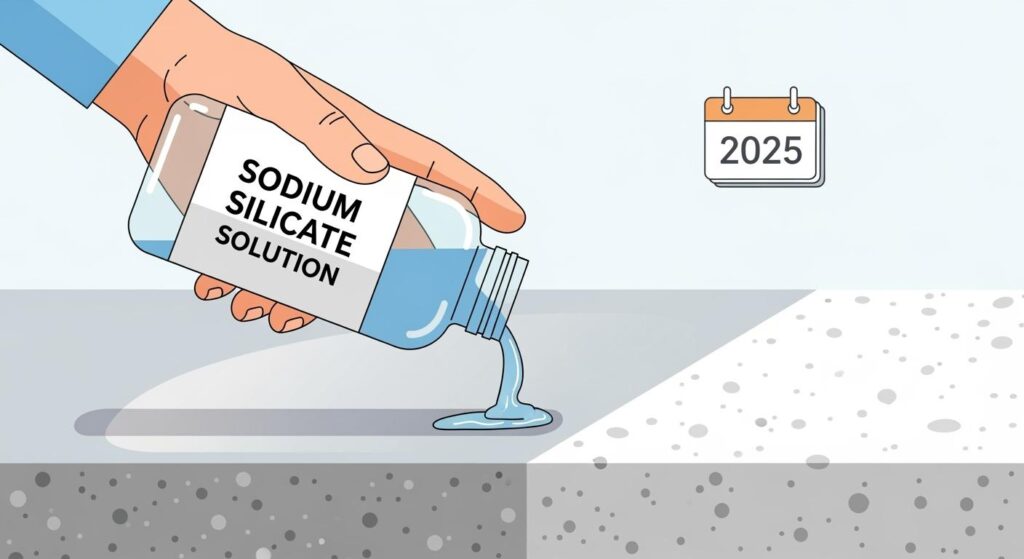
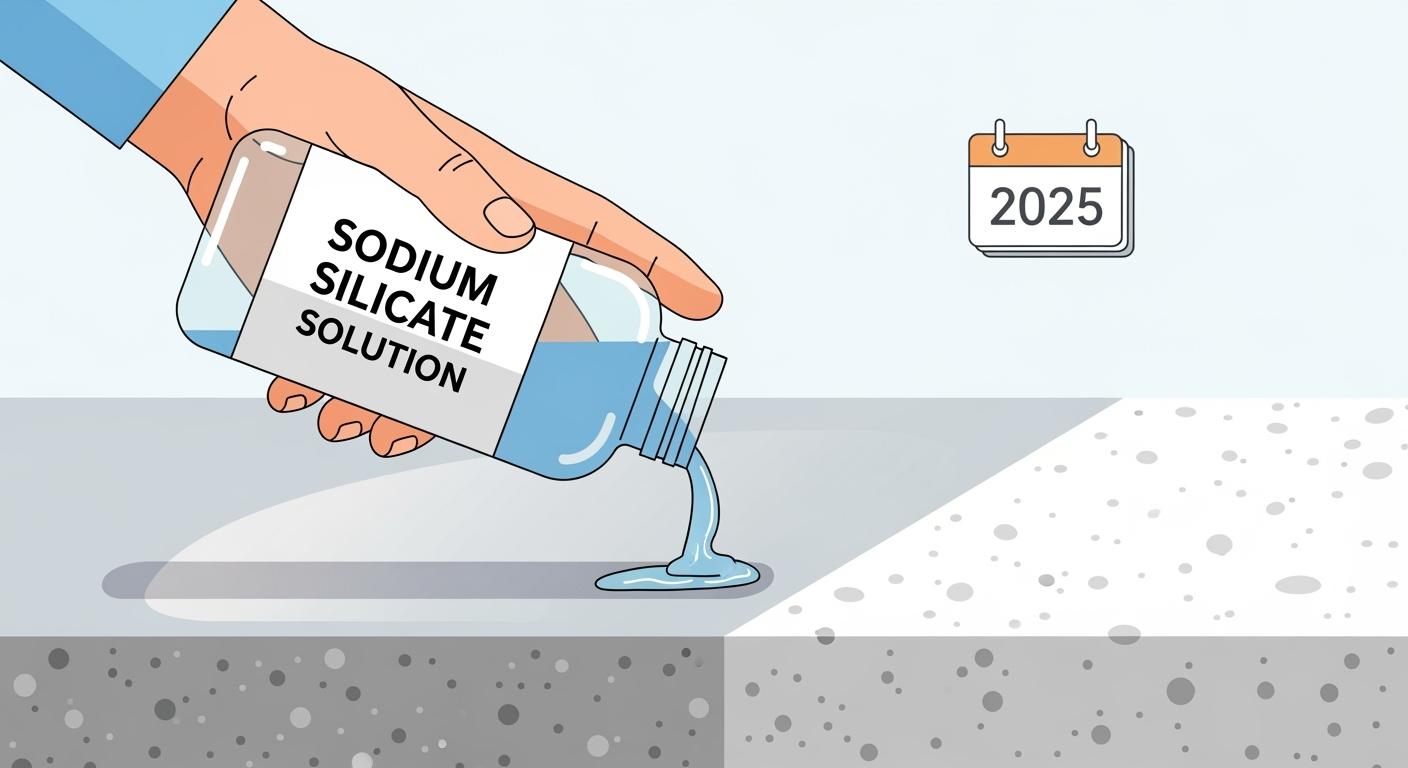
In 2025, durable concrete floors are paramount for diverse industrial and commercial applications. You need a concrete floor with minimal maintenance requirements, ensuring long-term performance. Sodium silicate concrete hardener offers a cost-effective, long-lasting solution, significantly improving your concrete surface and its durability. This guide helps you select the best product for your concrete floor’s finish. You can achieve exceptional floor polishing, transforming your concrete floor into a stunning polished concrete floor. For a distinct aesthetic, consider honed concrete. The proper polishing technique elevates the floor’s appearance and functional performance. This choice adds immense value to your concrete floor installation, providing a superior concrete finish. It ensures your concrete floor maintains its pristine surface, reducing future maintenance. Effective polishing is key to a beautiful floor, whether a honed concrete floor or a polished concrete floor, enhancing its surface and overall finish. This guide assists your floor polishing journey, ensuring a perfect floor.
Key Takeaways
Sodium silicate hardeners make concrete floors stronger and last longer. They stop dust and help floors look better.
Choose the right hardener by checking your concrete type, what you want the floor to do, and how easy it is to put on. Also, think about safety and cost.
Always clean your concrete floor well before putting on the hardener. Use the right amount and think about the weather to get the best results.
Understanding Sodium Silicate Concrete Hardeners
What is Sodium Silicate Concrete Hardener
A sodium silicate concrete hardener is a liquid solution you apply to concrete surfaces. It works to improve the strength and durability of your concrete. Typical sodium silicate concrete hardeners, such as Civilox-Si25, are composed of sodium silicate, also known as water glass. These are one-component densifiers designed to penetrate concrete and react chemically to seal and harden the surface. You use this product to create a more resilient concrete floor. It helps you achieve a better finish on your floor.
Chemical Reaction and Concrete Benefits
When you apply a sodium silicate hardener, it penetrates the concrete surface. The silicates react with calcium hydroxide, a byproduct of cement hydration, present in the concrete. This reaction forms a calcium silicate hydrate (C-S-H) gel. This gel fills the pores within the concrete, making the surface denser and harder. This process significantly increases the concrete’s strength and reduces its porosity. You will notice improved performance and greater durability for your concrete floor. This chemical change also helps to prevent dusting, a common problem with untreated concrete. It gives your floor a much stronger finish.
Why Use a Sodium Silicate Hardener
You should use a sodium silicate hardener to address common issues with concrete floors. Untreated concrete often suffers from dusting, abrasion, and general wear. A hardener provides a cost-effective and long-lasting solution. It enhances the surface, making your concrete floor more resistant to traffic and spills. This treatment reduces maintenance needs for your floor. For those considering floor polishing, a hardened concrete surface is ideal. It prepares the concrete for a superior polished concrete or honed concrete finish. This improves the overall aesthetic and functional performance of your floor. It is a smart investment for many applications.
2025 Trends in Concrete Hardening
In 2025, the focus for concrete hardening continues to be on sustainability and enhanced performance. You see a growing demand for low VOC (Volatile Organic Compound) formulations. These products offer environmental benefits without compromising effectiveness. Manufacturers are developing advanced hardeners that integrate seamlessly with modern floor polishing techniques. This allows you to achieve even higher levels of shine and durability for your polished concrete and honed concrete floors. The trend also includes hardeners offering improved stain resistance and easier application. You can expect better long-term performance from these innovative solutions for your concrete floor. This ensures a lasting, high-quality finish.
Choosing the Best Sodium Silicate Concrete Hardener
Selecting the right sodium silicate concrete hardener is crucial for achieving the best results for your floor. You need to consider several factors to ensure you pick a product that meets your specific project needs. This careful choice helps you avoid common problems like dusting, high maintenance, and a short lifespan for your concrete.
Concrete Type and Condition
You must first assess your concrete. Is it new or old? New concrete has more free lime, which reacts well with hardeners. Older concrete might have less free lime, affecting the hardener’s effectiveness. Look at the concrete’s porosity. A very dense concrete surface might not absorb the hardener as deeply. You should also check for existing damage, cracks, or previous coatings. These factors influence how the hardener penetrates and reacts with the concrete. Understanding your concrete’s current state helps you choose a hardener that will truly improve its surface.
Desired Performance Characteristics
Think about what you want your floor to achieve. Do you need high abrasion resistance for heavy traffic? Do you require enhanced chemical resistance against spills? Perhaps you want a brighter, more reflective concrete finish. Different hardeners offer varying levels of performance. If you plan for extensive floor polishing, you need a hardener that creates a very dense and strong surface. This allows for a superior shine and durability. For a polished concrete floor, a high-quality hardener is essential. If you prefer a honed concrete look, the hardener still plays a vital role in strengthening the surface before honing. Clearly defining your desired performance characteristics guides your selection.
Application Method and Ease
Consider how you will apply the hardener. Some products are easy to apply with a simple spray and mop. Others might require more specialised equipment or techniques. You should think about the size of your floor. A large industrial floor might benefit from a product designed for quick, wide-area application. For smaller areas, ease of use might be your top priority. The application method also impacts the overall project timeline and labour requirements. Choosing a hardener that matches your application capabilities ensures a smoother process and a better finish.
Environmental and Safety Factors
In today’s world, environmental and safety factors are very important. You should look for hardeners with low VOC (Volatile Organic Compound) content. These products are better for air quality and worker safety during application. Some hardeners are non-toxic and odourless, making them suitable for occupied spaces like retail stores or schools. Always check the product’s safety data sheet (SDS). This document provides important information about handling, storage, and any necessary personal protective equipment. Prioritising safety and environmental responsibility is a smart choice for any concrete project.
Cost-Effectiveness and Budget
Your budget plays a significant role in your decision. However, you should not just look at the initial price per litre. Consider the long-term cost considerations. A cheaper product might require more applications or offer less durability, leading to higher maintenance costs later. A slightly more expensive hardener could provide superior performance and a longer-lasting finish, offering better value over time. Factor in the initial installation costs, including labour and equipment. A high-quality hardener can reduce future floor polishing needs and extend the life of your concrete floor, saving you money in the long run.
Manufacturer Reputation and Support
Finally, you should choose a product from a reputable manufacturer. A company with a strong track record often provides reliable products and excellent customer support. They can offer technical advice, application guidelines, and troubleshooting assistance. Look for manufacturers who stand behind their products with warranties or guarantees. Good support can be invaluable, especially if you encounter unexpected challenges during your floor polishing project. A trusted manufacturer ensures you get the most out of your investment, whether you are creating a polished concrete or honed concrete floor.
Types of Sodium Silicate Hardeners
Standard Sodium Silicate
You find standard sodium silicate hardeners widely available. They are a traditional choice for concrete. This type reacts with the free lime in your concrete. This reaction forms a dense calcium silicate hydrate gel. This gel fills the pores. It hardens the concrete surface. You use it for basic dust-proofing and abrasion resistance. It provides a good base for a durable floor. This hardener improves the overall finish of your concrete floor. This initial polishing step is crucial.
Modified Sodium Silicate Formulations
Manufacturers enhance standard sodium silicates. They create modified formulations. These often include special additives. These additives improve penetration depth. They also speed up the chemical reaction. You get a denser, harder concrete surface faster. These formulations are excellent for floor polishing projects. They prepare the concrete for a high-gloss finish. You achieve superior results for your polished concrete floor. This type of polishing ensures a long-lasting shine. These are ideal applications where you need enhanced performance for your floor. The intensive polishing process benefits greatly from these formulations.
Hybrid Silicate Hardeners
Hybrid silicate hardeners combine different silicate types. Each silicate offers unique benefits for your floor. Sodium silicates provide good initial hardening. Lithium silicates offer better stain resistance and reduced efflorescence. Potassium silicates penetrate deeply. This combination creates a multi-faceted hardening effect. You get a very strong and durable concrete floor. These are perfect for high-traffic areas. They are also ideal applications for premium polished concrete or honed concrete floors. This advanced polishing technique gives an exceptional finish. You achieve a brilliant shine through this polishing process. For a truly unique look, consider honed concrete with this type of polishing. This ensures a superior polished concrete floor. These products have diverse applications.
Advantages of BANDě Crystal Flooring Hardener
BANDě Crystal Flooring Hardener offers many benefits for your concrete floor. You can address common issues and enhance your floor’s overall performance. This product provides a superior finish for various applications.
Deep Penetration for Permanent Hardening
BANDě Crystal Flooring Hardener deeply penetrates your concrete surface. It reacts with the concrete to create a permanent hardening effect. This process ensures your floor becomes much stronger. You get lasting durability for your concrete. This deep action improves the entire surface.
Lasting Shine and Brighter Concrete
You will notice a lasting shine on your concrete floor after using BANDě. This hardener helps create a brighter concrete finish. It prepares the floor perfectly for floor polishing. You can achieve a high-gloss polished concrete look. This enhances the aesthetic value of your floor. The polishing process becomes more effective.
Dust-Proofing and Stain Resistance
BANDě effectively dust-proofs your concrete floor. It fills the pores in the surface, preventing dust from forming. You also gain improved stain resistance. Spills are less likely to penetrate the concrete. This makes cleaning your floor much easier. It maintains the clean finish.
Eco-Friendly and Safe Formulation
This hardener features an eco-friendly and safe formulation. It contains no harmful chemicals. You can use it without worrying about strong odours. This makes it safe for both applicators and the environment. It is a responsible choice for your floor installation.
Easy Application and Fast Curing
Applying BANDě is straightforward. You can apply it easily, saving time and effort. It also offers fast curing times. This means your concrete floor is ready for use sooner. You can proceed with floor polishing quickly. This speeds up your project.
Superior Durability for Concrete
BANDě provides superior durability for your concrete. It significantly increases the strength of the floor. This makes your concrete resistant to heavy traffic and abrasion. You get a long-lasting floor that withstands daily wear. This enhances the overall performance.
Wide Applicability for Concrete Surfaces
You can use BANDě on many concrete surfaces. It works well for both new and old concrete. It is ideal for polished concrete and honed concrete floors. This versatility makes it suitable for various applications. You can achieve an excellent finish on any concrete floor.
Applying Sodium Silicate Concrete Hardener
Surface Preparation for Concrete
You must prepare your concrete surface thoroughly before applying any sodium silicate concrete hardener. First, you clean the concrete. Remove all dirt, grease, oil, and existing coatings. You can use a degreaser or a mild detergent. Rinse the floor completely with clean water. Allow the concrete to dry fully. Any moisture on the surface can hinder the hardener’s penetration. Proper preparation ensures the hardener reacts effectively. This gives your floor a strong, durable finish. This step is vital for a successful installation.
Application Techniques
You apply the hardener evenly to the concrete floor. You can use a low-pressure sprayer or a soft-bristle broom. Ensure you achieve full saturation of the surface. Avoid puddling the product. If puddles form, you spread them out with a broom or squeegee. You keep the floor wet with the hardener for a specific contact time, usually 20-30 minutes. This allows the chemical reaction to occur. You may need to reapply the hardener in areas that dry too quickly. This ensures deep penetration and optimal polishing results. This careful application leads to a superior polished concrete or honed concrete finish.
Curing and Post-Application Care
After the recommended contact time, you remove any excess hardener from the floor. You can use a wet vacuum or mop. Rinse the concrete surface with clean water. Allow the floor to dry completely. The concrete will begin to harden and densify over the next few days. You can typically walk on the floor within a few hours. Full curing takes several days to weeks. During this time, you protect the floor from heavy traffic and spills. This ensures the hardener fully integrates. You will then have a durable concrete finish, ready for any further polishing. This careful process guarantees a long-lasting installation.
Common Mistakes in Hardener Application
Ignoring Concrete Condition
You often make a big mistake by not checking your concrete floor properly. You must understand the age and porosity of your concrete. Old concrete may react differently than new concrete. If you ignore the concrete’s condition, the hardener might not penetrate well. This leads to an uneven finish. Your floor will not achieve its full potential. Always assess your concrete surface before starting any installation.
Incorrect Application Rates
Applying the wrong amount of hardener is another common error. You might apply too little, and the concrete floor will not harden enough. This results in a weak finish. If you apply too much, the excess product can dry on the surface. This leaves a white residue. This residue is difficult to remove. It also affects the final look of your polished concrete. Always follow the manufacturer’s guidelines for application rates. This ensures proper polishing and a durable floor. You will achieve a superior polished concrete finish.
Improper Surface Preparation
You cannot skip proper surface preparation. If your concrete floor has dirt, oil, or old coatings, the hardener cannot penetrate. It will sit on top of the contaminants. This prevents the chemical reaction from happening. The result is a patchy finish and poor hardening. You must clean the concrete surface thoroughly. This step is crucial for a successful installation and effective floor polishing. A clean floor ensures the hardener works correctly, leading to better polishing results.
Overlooking Environmental Factors
You must also consider the environment. Temperature and humidity greatly affect hardener application. Applying hardener in very hot conditions can make it dry too quickly. This prevents proper penetration. Cold temperatures slow down the chemical reaction. High humidity can also impact curing. Ensure good ventilation during application. These factors influence the final finish of your floor. They also affect the quality of your polished concrete or honed concrete. Proper conditions lead to better floor polishing results. Your floor will look its best after careful polishing.
You must choose the right sodium silicate concrete hardener for your concrete project in 2025. This ensures optimal performance, enhancing your concrete floor’s durability and surface. It reduces maintenance and improves aesthetics. For a superior polished concrete or honed concrete floor, consider advanced solutions. This adds significant value, impacting your roi and property value impact through excellent concrete polishing. You achieve a lasting finish on your concrete surface. This floor will offer superior performance after polishing. You will see the benefits of this concrete polishing. A durable concrete surface is key for any polished concrete application. This ensures a superior polished concrete for your honed concrete.
FAQ
What is the main benefit of using a sodium silicate hardener?
You gain a denser, harder concrete surface. This reduces dusting and increases abrasion resistance. Your floor becomes more durable. ✨
Can I use a sodium silicate hardener on old concrete?
Yes, you can. Ensure you clean the surface thoroughly first. Older concrete may have less free lime, but the hardener still improves its strength.
How long does a sodium silicate hardener last?
A properly applied hardener offers permanent benefits. It becomes an integral part of your concrete. You will enjoy enhanced durability for many years.
See Also
Selecting the Ideal Concrete Floor Hardener: A 2025 Comprehensive Guide
Optimal Concrete Densifiers, Hardeners, and Sealers: Your 2025 Selection Handbook
The Ultimate 2025 Comparative Guide to Superior Floor Hardeners
Selecting the Finest Cementitious Repair Mortar: A 2025 Essential Handbook
BANDě Concrete Sealer: Your Definitive 2025 Selection Handbook
