

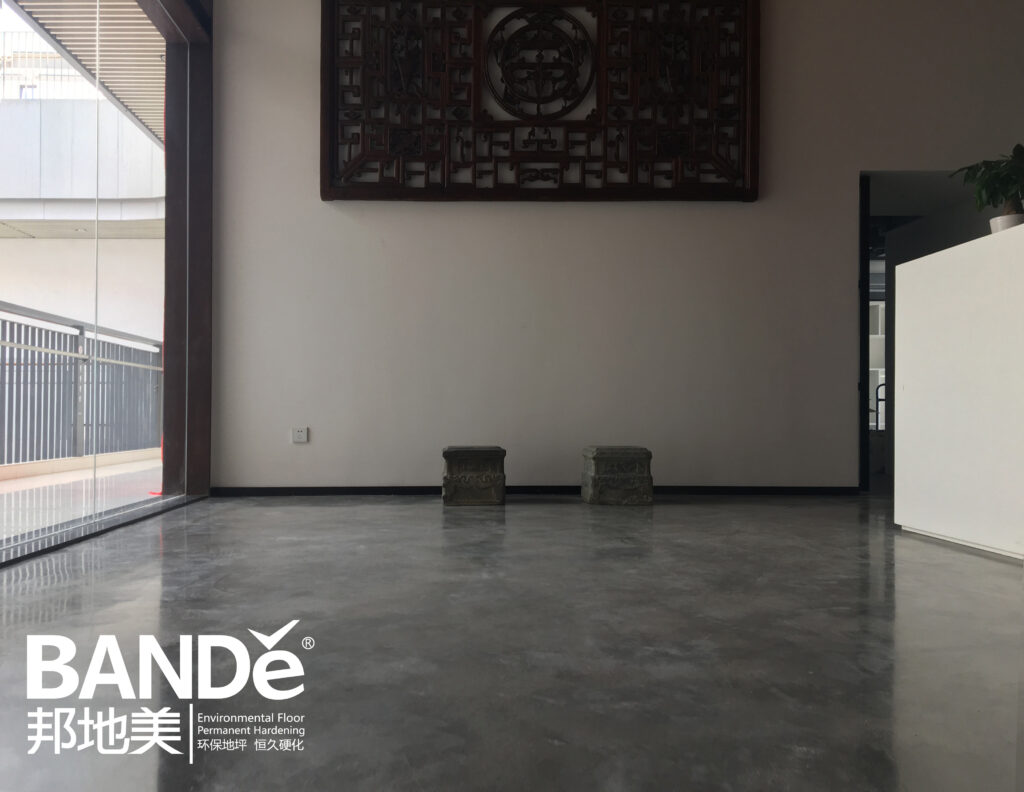
Your concrete floor often struggles with dusting, wear, and weakness. Crystalline floor hardener provides the ultimate solution for superior strength and durability. Proper application is key to unlocking these benefits. This densifier deeply penetrates your concrete floor, transforming it. The densifier creates a super strong surface. This densifier improves durability. The densifier works through a chemical process. This densifier is vital.
Key Takeaways
Prepare your concrete floor well. Clean it, fix cracks, and make the surface rough. This helps the hardener work best.
Apply the hardener carefully. Use the right product and spread it evenly. This makes your floor much stronger and last longer.
Crystalline hardener makes floors very strong. It stops dust and makes floors shine. This protection can last for ten years.
Floor Preparation for Optimal Results
Thorough preparation forms the bedrock for your crystalline floor hardener’s effectiveness. You must ensure deep penetration and a strong bond. Skipping these crucial steps compromises the final strength and longevity of your concrete floor. Proper preparation maximizes the benefits of the densifier.
Assess Concrete Condition
Before you begin, evaluate your concrete floor’s current state. You need to identify its age, any existing coatings, and signs of damage. Older concrete may require more aggressive cleaning. Previously sealed or painted surfaces demand complete removal of those layers. This initial assessment guides your subsequent preparation steps.
Clean and Decontaminate Surface
You must meticulously clean the concrete surface. Remove all dirt, dust, oil, grease, and any other contaminants. These substances prevent the densifier from penetrating properly. Use a heavy-duty degreaser for oil and grease stains. For existing sealers or coatings, you will need mechanical removal methods. A clean surface ensures the densifier can bond effectively. This step is critical for successful application.
Repair Surface Imperfections
Address any cracks, spalls, or uneven areas on your concrete floor. You should fill cracks with an appropriate concrete repair material. Patch spalled areas to create a smooth, uniform surface. Unevenness can lead to inconsistent densifier absorption. Proper repairs ensure the crystalline floor hardener distributes evenly. This creates a consistent surface strength across the entire area.
Ensure Proper Surface Profile
Achieving the correct surface profile is essential. This profile allows the densifier to penetrate deeply. You can achieve this through mechanical methods like grinding or shot blasting. These methods open the concrete pores. They remove the weak surface laitance. A properly profiled surface provides the ideal foundation for the densifier. It ensures maximum adhesion and performance for your concrete surface treatments. This final preparation step guarantees the densifier works as intended.
Applying Crystalline Hardener Effectively
You now understand the importance of preparation. This section guides you through the core process: applying crystalline floor hardener. This densifier works at a chemical level. It penetrates your concrete surface, typically 3-8mm deep. The densifier reacts with calcium hydroxide within the concrete. This reaction forms a dense calcium silicate hydrate (C-S-H) gel. This gel fills the microscopic pores. It creates a much stronger, denser floor. You will see a significant increase in hardness, up to 300% on the Mohs scale. Compressive strength can improve by 40%. Over time, your floor develops a natural crystal luster. This product is eco-friendly and non-toxic. Correct application provides ten-year protection for your floor.
Select the Right Crystalline Hardener
Choosing the right densifier is your first critical step. Different concrete types and ages require specific formulations. Consider your concrete’s porosity and current condition. Some products work best on new concrete. Others are ideal for older, more porous surfaces. Research product specifications carefully. Selecting the right densifier ensures maximum chemical reaction and optimal results. Do not compromise on finding the right densifier for your project.
Mix the Concrete Densifier for Consistency
Proper mixing ensures the densifier performs as intended. Always follow the manufacturer’s instructions precisely. Use clean water for dilution if required. Mix the solution thoroughly. You want a consistent, lump-free mixture. Inconsistent mixing leads to uneven penetration. This affects the final strength and appearance of your floor. A well-mixed densifier guarantees uniform chemical reaction across the entire surface.
Apply for Even Coverage
Effective application requires precision. Use a low-pressure sprayer or a microfiber applicator. Apply the densifier in thin, even coats. Avoid puddling the product. Ensure the entire surface remains wet for the manufacturer’s recommended dwell time. This allows the densifier to penetrate deeply into the concrete pores. Proper application ensures the chemical reaction occurs uniformly. This creates a consistently strong and durable floor.
Optimize Coverage Rates
Achieving the correct coverage rate is crucial. Too little densifier will not provide sufficient penetration or reaction. Too much product can lead to residue buildup and wasted material. Always consult the manufacturer’s guidelines for coverage rates. Adjust these rates based on your concrete’s porosity. More porous concrete may require slightly more product. Optimizing coverage ensures the densifier works efficiently. This maximizes the benefits for your floor.
Tools for Efficient Application
The right tools make application easier and more effective. You will need a low-pressure sprayer for even distribution. A microfiber mop or applicator helps spread the densifier uniformly. A squeegee can remove excess product. Always wear appropriate safety gear, including gloves and eye protection. These tools ensure smooth and efficient application methods. They help you achieve professional results.
Cure and Protect Post-Application
After application, allow your floor to cure properly. The densifier needs time to react fully and harden the concrete. Protect the treated area from heavy traffic and spills during the initial curing period. This typically ranges from a few hours to a few days, depending on the product. Proper curing ensures the full development of the C-S-H gel. This maximizes the floor’s long-term durability and wear resistance.
Troubleshoot Application Issues
Sometimes, issues arise during application. Uneven absorption might occur on areas with varying porosity. Reapply the densifier to dry spots. White residue can appear if too much product was applied or not properly rinsed. Rinse the surface thoroughly with water. Missed spots will not achieve the desired hardness. Ensure thorough coverage during initial application. Addressing these issues promptly guarantees optimal wear resistance and a flawless finish.
You mastered meticulous preparation and precise application of crystalline floor hardener. This is non-negotiable for optimal results. Your concrete floor gains enhanced durability, reduced dusting, and increased wear resistance. This densifier provides superior aesthetics. It also improves wear resistance. Follow this guide. Your effort creates a super strong, long-lasting concrete floor.
FAQ
How long does crystalline hardener last?
You can expect your properly applied crystalline hardener to provide ten-year protection. This ensures long-lasting durability and strength for your concrete floor.
Can you apply hardener to old concrete?
Yes, you can apply hardener to old concrete. You must first thoroughly clean and repair the surface. This ensures proper penetration and optimal results.
What is the main benefit of crystalline hardener?
The main benefit is significantly increased floor strength and durability. It reduces dusting and enhances abrasion resistance. Your floor also gains a natural crystal luster.
See Also
Liquid Concrete Solutions: Hardening, Sealing, and Densifying Your Floors Effectively
Understanding Concrete Floor Hardeners: Their Purpose and Operational Mechanics Revealed
Selecting Optimal Floor Hardeners: A Comprehensive Comparison Guide for 2025
Smart Floor Hardening Choices: Benefits and Drawbacks for All Surfaces
Ditch Epoxy Hassles: Elevate Your Garage Floor with Simple Densifier
