

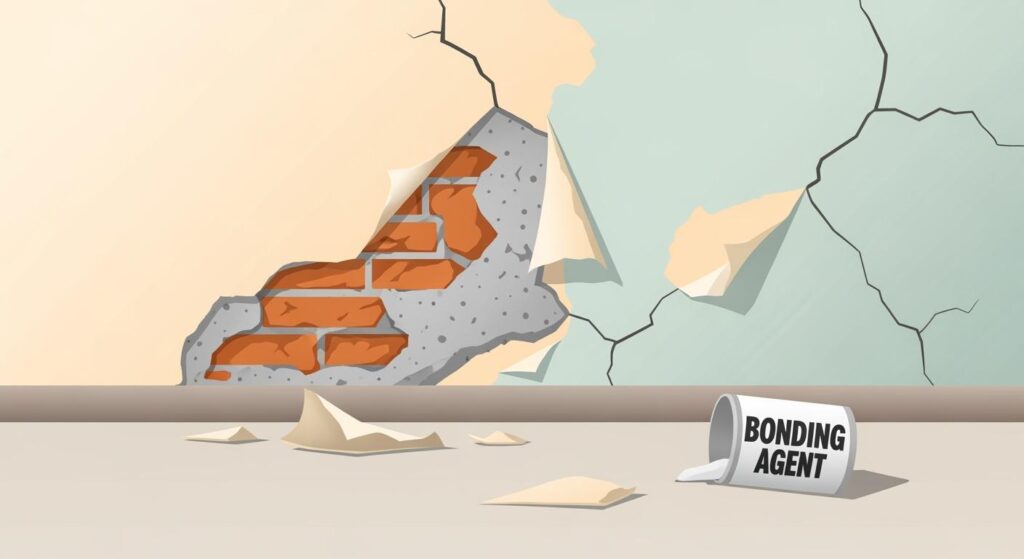
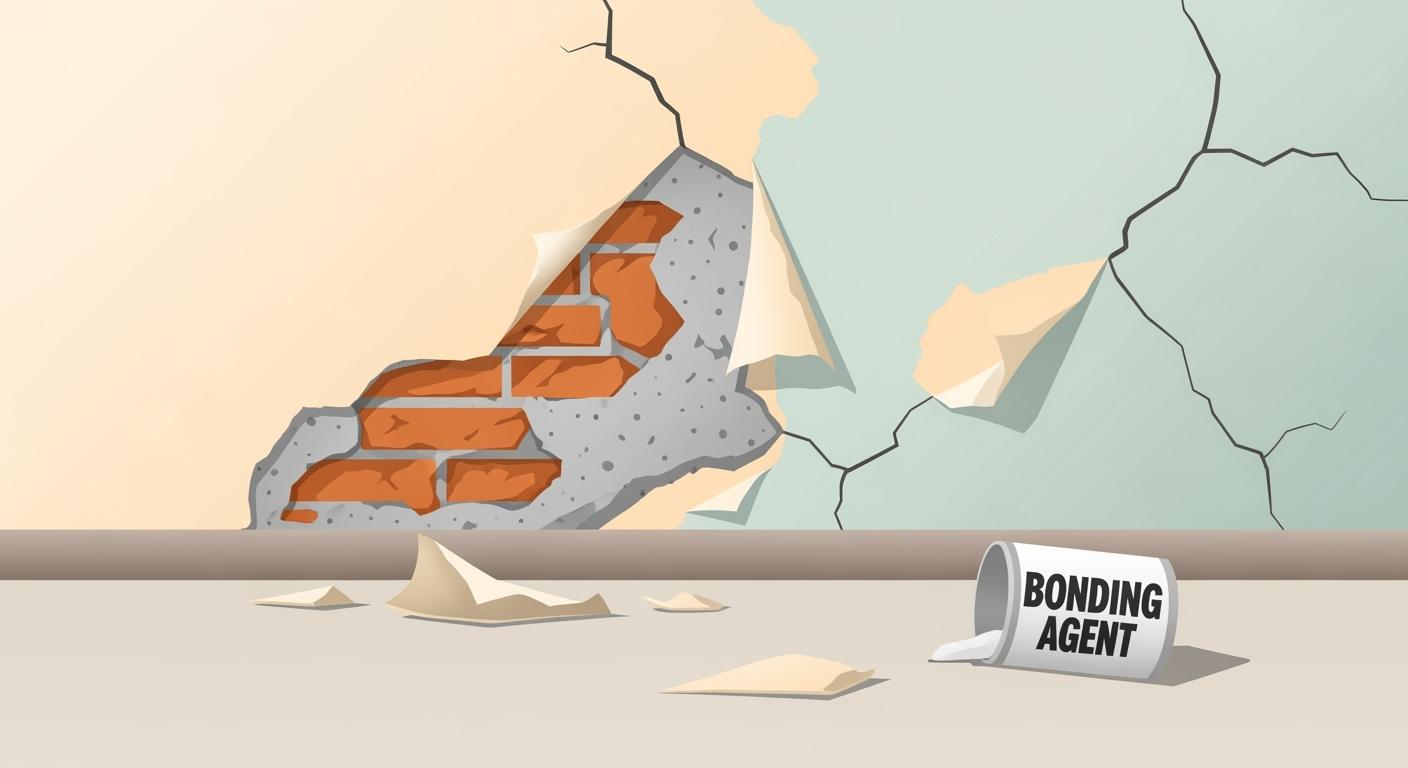
It’s incredibly frustrating when your new cement plaster starts failing, leaving you with ‘plaster not sticking’. You often wonder why your plaster won’t stick. This common issue stems from poor adhesion. You likely forgot a crucial bonding agent, or you neglected proper surface preparation. Using the correct bonding agent is vital. We will show you how to ensure strong plaster adhesion with the right plaster.
Key Takeaways
Always use a bonding agent. It helps plaster stick to the wall, especially on smooth surfaces.
Clean the wall well before you put on plaster. Dirt and dust stop the plaster from sticking.
Mix the plaster correctly and let it dry slowly. This makes the plaster strong and keeps it from cracking.
The Science of Plaster Adhesion
Have you ever wondered how plaster actually sticks to a wall? It is not magic! Understanding the science behind it helps you prevent future failures. Plaster adhesion relies on two main types of bonding: mechanical and chemical. Both play crucial roles in creating a strong, lasting finish.
Mechanical vs. Chemical Adhesion
Think of plaster sticking to a surface in two ways. Mechanical adhesion is like tiny fingers gripping the wall. The plaster physically locks into the surface’s imperfections. Chemical adhesion involves actual molecular bonds forming between the plaster and the substrate. This creates a much stronger connection. Here is a quick look at their differences:
Feature | Chemical Adhesion | Mechanical Adhesion |
|---|---|---|
Mechanism | Molecular contact, bonds between functional groups | Adhesive flows into pores, physical interlocking |
Strength | Strongest mechanism | Provides physical impediment to crack propagation |
Result | Forms strong bonds, contributes to structural strength | Increases surface area, builds strength over time |
Examples | Epoxies bonding aluminum | Liquid adhesives filling pores, bonding tapes flowing |
The Role of Surface Porosity and Texture
A wall’s surface texture and porosity are super important for good plaster adhesion. A rough, slightly porous surface gives the plaster something to grab onto. The plaster mix can seep into tiny pores and irregularities. This creates thousands of little anchors, significantly boosting mechanical adhesion. Imagine trying to climb a smooth wall versus a rock wall with lots of handholds. The rock wall offers better grip.
Smooth Surfaces and Poor Adhesion
Smooth surfaces are the enemy of good plaster adhesion. If your wall is too smooth, the plaster has nothing to grip. There are no pores or textures for the plaster to interlock with. This means you get very little mechanical adhesion. The plaster just sits on top, waiting for gravity or a slight bump to make it fall off. This is why proper surface preparation is so vital before you apply any plaster.
Why Plaster Fails to Stick: Common Causes
When your new cement plaster starts to fail, leaving you with plaster not sticking, you need to understand why. Many factors contribute to this frustrating problem. You can avoid these issues with proper knowledge.
The Missing Bonding Agent
Often, the biggest culprit is a missing bonding agent. You might think this material just sticks, but it frequently needs help. Without a proper bonding agent, your finish lacks the necessary grip. This crucial bonding agent creates a strong link between the wall and the applied layer. It acts like a super-glue, ensuring excellent adhesion. Forgetting this step is a primary reason for failure. A good bonding agent prevents your hard work from literally falling apart.
Poor Surface Preparation
You cannot expect any coating to stick to a dirty wall. Poor surface preparation is a huge problem. Dust, dirt, and other contaminants interfere with the bonding process of cement mixes. They create a barrier, hindering its adhesion to the wall surface. Imagine trying to stick tape to a dusty table; it just won’t hold. Grease, flaky paint, or even efflorescence (those white powdery deposits) also prevent a strong bond. You must clean the surface thoroughly before you apply anything.
Insufficient Substrate Wetting
The wall’s moisture level plays a big role. If your wall is too dry, it will quickly suck water out of the mix. This rapid water absorption causes the mix to dry too fast, weakening its bond. You get a brittle, weak layer that easily detaches. On the other hand, an overly wet surface can dilute the mix, also reducing strength. Before applying cement, you should pre-wet the surface with clean water. Make sure no pooling or ponding occurs. For concrete surfaces, the moisture content must be below 4% to ensure proper bonding. Too much moisture can lead to moisture damage and poor results.
Incorrect Plaster Mix
The right recipe matters for your plaster. An incorrect mix ratio of cement, sand, and water can severely weaken the material. If you have too much sand, the plaster becomes weak and crumbly. Too much cement can make it prone to cracking. You need a balanced mix for strength and workability. Here are some common ratios you can use:
Purpose / Coat | Cement to Sand Ratio |
|---|---|
General Wall Plaster | 1:4 |
First Coat | 1:4 |
External Wall Plaster | 1:5 |
Final Coat (smoother finish) | 1:3 |
Smooth Finish | 1:3 |
Textured Finish | 1:4 or 1:5 |
You should add water gradually to the dry mix of cement and sand. Aim for a smooth, thick consistency, like peanut butter. Always use clean water to avoid weakening the plaster.
Rapid Drying Conditions
Environmental factors can sabotage your plaster. High temperatures, strong winds, or direct sunlight can cause the material to dry too quickly. When it dries too fast, it does not cure properly. This prevents the cement from developing its full strength. You end up with a weak, powdery surface that easily crumbles or peels off. It’s like baking a cake at too high a temperature; it might look done, but it’s not right inside.
Substrate Movement and Cracks
Even if you do everything else right, a moving wall can cause problems. Substrate movement or cracking that occurs after plaster application is detrimental. This movement can lead to reflective cracking of the topping. If the underlying wall shifts, the applied layer cannot withstand the stress. It will crack and detach, often in patterns that mirror the movement below. You must address any structural issues in the wall before you apply the material. Otherwise, your plaster not sticking problem will return. You need a stable foundation for a lasting finish. This is why you must use a bonding agent to help with flexibility. A good bonding agent can help mitigate minor movements. It gives the finish a bit more resilience. Always remember, a bonding agent is your friend. It helps prevent plaster not sticking.
Comprehensive Fixes for Plaster Adhesion
You can achieve strong, lasting plaster adhesion. It requires careful attention to detail and the right techniques. You can prevent common failures and ensure your plaster stays firmly on the wall by following these actionable solutions.
Bonding Agent Solutions
A high-quality bonding agent is your best friend for ensuring excellent plaster adhesion. These agents create a strong link between your wall and the new plaster. They are especially crucial on smooth or non-porous surfaces where mechanical adhesion is limited. You have several types of bonding agents available. These include acrylic, PVA (Polyvinyl Acetate), and SBR (Styrene Butadiene Rubber) based products. Each type offers unique benefits.
For example, consider products like Deltabond PVA. This is a multi-purpose polymer bonding agent. You can use it for concrete, mortar, and even ceramic tiles. When you prepare for cement plaster, you can use it in a few ways:
Sealing and Priming: First, seal the surface. Prime it with a slurry. Mix 1 part Deltabond PVA solution (1 part Deltabond PVA to 1 part water) with cement. Then, plaster or render while the bonding is still tacky.
Rendering for Rough Coat (10-30 mm thickness): Mix cement and clean sand in 1:3 proportions. Gauge it to a stiff consistency. Use a 1:1 proportion solution of Deltabond PVA and water.
Rendering for Finishing Coat (0-3 mm thickness): Mix cement with a 1:1 proportion solution of Deltabond PVA and water. Achieve a trowelable consistency.
We highly recommend BANDě Concrete Bonding Agent. It significantly enhances adhesion and durability for your plastering process. Always follow the manufacturer’s instructions for the specific bonding agent you choose.
Thorough Surface Preparation
Proper surface preparation is non-negotiable. It sets the stage for successful plaster adhesion. You must ensure the surface is clean, sound, and ready to receive the plaster.
Here is a step-by-step guide for preparing your wall:
Remove all old, deformed plaster. Thoroughly clean the area of any loose plaster.
Assess the area for problems. Look for cracks, dampness, or salt bursts.
Repair cracks using appropriate crack fillers. Products like the Ressichem Crack Heal range work well.
Address surface irregularities. For example, use Water Guard Crysta Coat 101 for dampness.
Additionally, you must:
Clean off all loose particles of dust and oil from the surface.
For hot climatic conditions, dampen the surface with potable water.
If you apply plaster over RCC and smooth concrete surfaces, a bottom coat of Ressi BRC 7000 may be necessary.
This meticulous preparation creates a strong “key” for the plaster to grip onto.
Optimal Substrate Wetting
Achieving the ideal dampness for your wall is crucial. You want the surface damp, but not waterlogged. An overly dry surface will rapidly absorb water from your plaster mix. This leads to premature drying and a weak bond. Conversely, a waterlogged surface can dilute the mix and reduce its strength.
Before you apply plaster, pre-wet the surface with clean water. Ensure no pooling or running water remains. The goal is a uniformly damp surface. This allows the plaster to cure slowly and develop its full strength.
Optimizing Plaster Mix
You must use the correct plaster mix. A balanced ratio of cement, sand, and water is essential for strength and workability. Refer to the guidelines provided earlier for common ratios. Always mix your ingredients thoroughly. Add water gradually until you achieve a smooth, consistent texture. This ensures the plaster has the necessary properties for strong adhesion.
Controlling Curing Conditions
Protecting fresh plaster from rapid drying is vital. High temperatures, strong winds, or direct sunlight can cause the plaster to dry too quickly. This prevents proper curing and weakens the final product.
You can take several steps to control curing:
Cover freshly plastered areas with plastic sheeting or damp hessian cloths.
Mist the plaster with water a few times a day for the first few days. This keeps it moist and allows for slow, proper hydration.
Avoid plastering during extreme weather conditions if possible.
Addressing Structural Issues
You must address any underlying structural issues in your wall before you plaster. If your wall has movement or a significant crack, the new plaster will likely fail again. Repair these issues first. For example, fix any sources of moisture damage. Ensure the substrate is stable. A stable foundation is key to a lasting finish.
Preventative Measures and Common Mistakes
You can prevent many plaster failures by being proactive. Always use a reliable bonding agent, like BANDě Concrete Bonding Agent. Never skip surface preparation. Pay attention to the weather conditions. Avoid rushing the plastering process. By understanding these principles, you empower yourself to achieve durable, professional-looking plaster finishes every time.
Successful cement plaster adhesion is not just luck; it is careful work. You need proper surface preparation, smart use of a bonding agent, and good plaster mix management. This prevents plaster not sticking and gives you durable plaster. You will achieve lasting quality with the right approach and a good bonding agent.
FAQ
❓ Why did my plaster fall off even with a bonding agent?
You might have applied the bonding agent incorrectly. Or, you did not prepare the surface well enough. Always follow product instructions carefully.
💧 How much water should I use for plaster mix?
You should add water gradually. Aim for a thick, peanut butter-like consistency. Too much water weakens the mix.
☀️ Can weather affect my plaster?
Yes, it can. Hot, windy, or sunny conditions dry plaster too fast. This prevents proper curing. Protect your fresh plaster from these elements.
See Also
Alkali-Resistant Primer: The Essential Step to Prevent Paint Peeling
Concrete Bonding Agents: Understanding Their Purpose and Application
Cementitious Waterproofing Slurry: Functionality and Future Applications Explained
Cement Crack Sealer: Your Ultimate Guide for Durable Repairs
Concrete Floor Hardeners: Demystifying Their Role and Performance
