

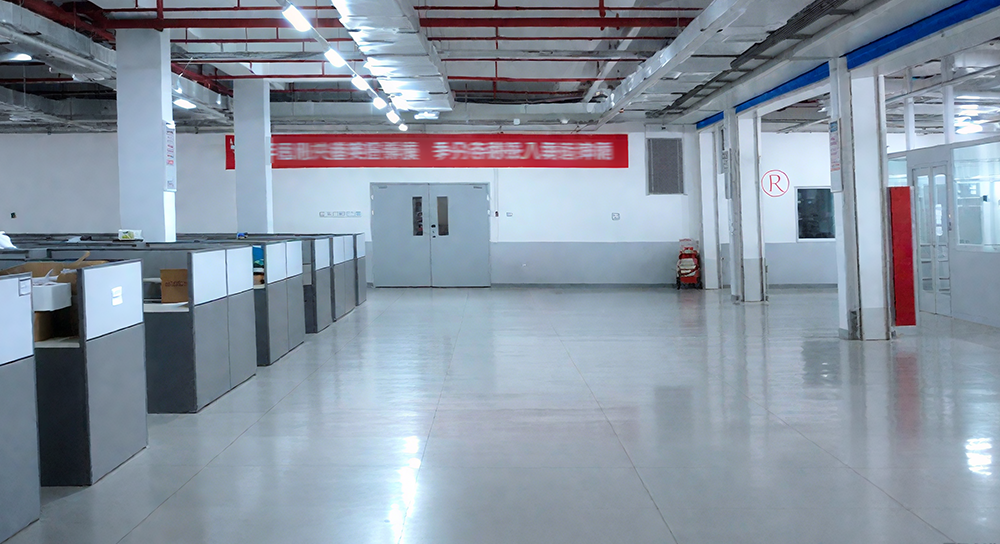
Applying the best concrete densifier correctly is crucial for achieving durable floors. When done right, these products enhance surface hardness, reduce dusting, and improve stain resistance. This means less maintenance and a longer lifespan for your concrete floors. So, let’s dive into the best practices for effective application!
Key Takeaways
Proper application of concrete densifiers enhances durability and extends the lifespan of your floors by increasing surface hardness and reducing dusting.
Always clean and repair the concrete surface before applying a densifier. This ensures better penetration and effectiveness of the product.
Choose the right type of densifier based on your concrete’s age and usage demands. This decision can significantly improve the performance of your concrete surfaces.
Why Application Matters
Enhancing Durability
Proper application of concrete densifiers is essential for enhancing the durability of concrete surfaces. When applied correctly, these products chemically react with the concrete, filling in the pores and creating a denser surface. This process significantly increases the compressive strength of the concrete. For instance, a study found that using the CF-S2 densifier improved the compressive strength of cement mortar by 36.4% compared to ordinary Portland cement after sulfate erosion tests. This means that your floors can withstand harsher conditions and last longer.
Additionally, applying a concrete densifier can increase the abrasion resistance of the surface. Here’s a quick look at some measurable improvements you can expect:
Improvement Type | Measurement |
|---|---|
Hardness Increase | 30-40% |
Service Life Extension | 20-30 years vs. 5-10 years for untreated concrete |
By increasing the abrasion resistance, you not only protect your investment but also reduce the frequency of repairs and maintenance.
Preventing Common Issues
Improper application of concrete densifiers can lead to several common issues, such as dusting and cracking. Dusting occurs when a weak surface layer, known as laitance, forms due to an incorrect cement-to-water ratio during placement. This results in a fine, powdery dust on the surface, which can be a nuisance and indicate a compromised floor.
To avoid these problems, consider the following tips:
Avoid adding water to the surface during finishing.
Ensure proper curing by keeping the concrete moist and covered.
Use the correct mix design to achieve a strong surface layer.
When applied correctly, concrete densifiers can effectively prevent these issues. They improve surface hardness, which leads to less dusting and enhances the overall longevity of your floors. The benefits of proper application include:
Increased compressive strength
Lower porosity and water penetration
Improved gloss and longevity of polished concrete
Surface Preparation Steps
Cleaning the Concrete
Before applying a concrete densifier, it’s crucial to ensure that the surface is clean and free from any sealers. A clean surface allows the densifier to penetrate effectively, maximizing its benefits. Here are some recommended cleaning methods:
Vacuum or rinse the floor to remove all grinding dust.
Ensure the surface is clean and dry before applying the densifier.
Taking these steps helps create an optimal environment for the densifier to work its magic. Remember, a well-prepared surface is key to achieving the best results!
Repairing Surface Imperfections
Next, you need to address any surface imperfections. These can hinder the effectiveness of the densifier and lead to unsatisfactory results. Here’s what to look for:
Fill cracks with a concrete patching compound.
Repair chips and other surface imperfections.
Grind down high spots or uneven areas.
Additionally, weak or damaged concrete must be removed. Surface defects like blowholes and voids should be detailed and repaired. A smooth, level surface is essential for the polishing process. By taking the time to repair these imperfections, you ensure a solid foundation for your densifier application.
Choosing the Best Concrete Densifier
When it comes to choosing the best concrete densifier, understanding the different types available is essential. Each type has unique characteristics that can affect the performance of your concrete surface. Let’s break down the main types of densifiers you might encounter:
Types of Densifiers
Type of Densifier | Chemical Composition | Characteristics |
|---|---|---|
Sodium Silicate | Sodium silicate and water | Affordable, requires more coats, higher alkalinity, and residual salt. |
Lithium Silicate | Lithium silicate and water | Deep penetration, quick reaction, less residue, ideal for high-traffic areas. |
Potassium Silicate | Potassium silicate and water | Strong performance in industrial settings, less common for residential use. |
Colloidal Silica | Ultra-fine silica particles | Excellent penetration, often used in advanced polishing systems. |
Each type of densifier has its strengths. For example, lithium silicate densifiers penetrate deeply and react quickly, making them suitable for high-traffic areas. On the other hand, sodium silicate densifiers are cost-effective but may need multiple applications and careful cleaning.
Factors to Consider
Choosing the right densifier involves more than just picking a type. Here are some important factors to keep in mind:
Application Environment: Consider the climate where the concrete will be located. In regions with varying temperatures and moisture levels, select a densifier that can withstand these conditions. For outdoor applications or areas with high humidity, a densifier with excellent moisture resistance is crucial to prevent issues like efflorescence.
Concrete Age and Condition: The age and condition of your concrete slab matter. Older slabs may require a densifier that can penetrate deeper to enhance strength. If the surface has imperfections, ensure they are repaired before applying the densifier.
Usage Demands: Think about how the concrete will be used. For industrial settings, you might need a densifier that offers superior durability and resistance to wear. In contrast, residential applications may allow for more flexibility in choice.
Moisture Vapor Transmission: This is especially important in climates with significant stress on concrete surfaces. A densifier that allows for proper moisture vapor transmission can help maintain the integrity of the concrete over time.
By considering these factors, you can make an informed decision when choosing the best concrete densifier for your project. Remember, the right choice can significantly enhance the performance and longevity of your concrete surfaces.
Application Methods and Tools
Using a Low-Pressure Sprayer
When you apply concrete densifier, using a low-pressure sprayer is one of the best methods. This tool allows for an even distribution of the product, ensuring that it can effectively penetrate the surface. Here are some key points to remember:
Clean and prepare the surface before applying the densifier to ensure deep penetration and strong bonding.
Use the sprayer to apply enough material on the floor to completely saturate the surface.
Keep the floor wet for about 20 minutes after application. This helps achieve full saturation without letting the product dry out.
Using a low-pressure pump sprayer is not only effective but also cost-efficient. It’s recommended to avoid airless sprayers, as they can lead to uneven application.
Ensuring Even Coverage
Achieving uniform coverage is crucial for the effectiveness of your densifier. Here are some best practices to follow:
Densify until rejection to achieve optimal wear resistance.
Flood the floor with the silicate for at least 30 minutes or until no more material is accepted.
Aim for a coverage rate of 400-500 square feet per gallon for effective application.
Monitor the first 10 minutes to assess the absorbency of the concrete.
Ensure the surface is free from oils or contaminants that could hinder densifier penetration.
By following these methods, you can ensure that your concrete densifier application is successful, leading to a durable and long-lasting finish.
Timing and Conditions for Application
Ideal Weather Conditions
When applying concrete densifiers, the weather plays a significant role. You want to aim for milder months when temperatures and humidity levels are more favorable. Here are some key points to keep in mind:
Temperature Range: Surface and air temperatures should be maintained between 40°F and 95°F during application. This range ensures that the densifier can penetrate effectively.
Humidity Levels: High humidity can hinder the treatment’s effectiveness. Try to avoid applying densifiers during rainy or excessively humid days.
By choosing the right weather conditions, you can enhance the performance of your densifier and achieve better results.
Curing Time Considerations
Curing time is crucial for the effectiveness of concrete densifiers. Newly poured concrete slabs need to harden for about 28 days before applying any liquid densifier. This waiting period allows for proper hydration of the cement, which is essential for the densification process.
If you apply densifiers too soon, you might face several issues:
Insufficient curing limits hydration, reducing the densifier’s penetration.
Early application can lead to weaker concrete, as the densifier won’t bond effectively.
Proper curing allows more calcium hydroxide to be available, enhancing the long-term chemical reaction necessary for effective densification.
So, remember to be patient! Waiting for the right curing time can make a significant difference in the durability and performance of your concrete surface.
Common Mistakes to Avoid
Over-application
One of the biggest mistakes to avoid during application is over-application of the densifier. Applying too much can lead to uneven results and moisture issues. Here are some common pitfalls:
Inconsistent Densifier Application: This can create blotchy areas on the surface.
Poor Timing: If you apply the densifier too early, it may lock in contaminants. Waiting too long can result in minimal penetration.
To ensure successful densification, always follow the manufacturer’s guidelines for application rates. A little goes a long way!
Ignoring Surface Conditions
Ignoring surface conditions before applying the densifier can have serious consequences. Here’s a quick look at how neglecting this step can impact your results:
Issue | Impact |
|---|---|
Leads to premature wear or delamination of the surface. | |
Uneven finishes | Results in an aesthetically unpleasing final product. |
Reduced durability | Affects the longevity and performance of the polished surface. |
Before applying the densifier, make sure the surface is clean and free from any contaminants. Taking the time to prepare properly can save you from costly mistakes down the line.
By being aware of these mistakes to avoid during application, you can achieve a more durable and visually appealing concrete surface. Remember, preparation and careful application are key!
Applying concrete densifiers using best practices can significantly enhance your floors. Following these methods leads to improved durability, reduced maintenance, and extended service life. Here are some key benefits:
Multiple applications boost surface hardness and reduce porosity.
Enhanced stain resistance minimizes upkeep and lowers costs.
Investing time in proper application pays off in the long run!
FAQ
What is a concrete densifier?
A concrete densifier is a chemical treatment that strengthens concrete surfaces by filling pores and enhancing durability.
How long does it take for a densifier to dry?
Typically, a densifier dries within 1 to 4 hours, but full curing may take up to 24 hours.
Can I apply densifiers on old concrete?
Yes, you can apply densifiers on old concrete, but ensure the surface is clean and free from imperfections for best results.
See Also
Your 2025 Handbook for Selecting Top Concrete Densifiers
Understanding Concrete Densifiers: Their Function and Benefits
A Detailed Overview of BANDě Concrete Densifier Functionality
Selecting the Ideal Concrete Densifier for Warehouse Flooring
Understanding the Key Differences Between Densifiers and Hardeners
