

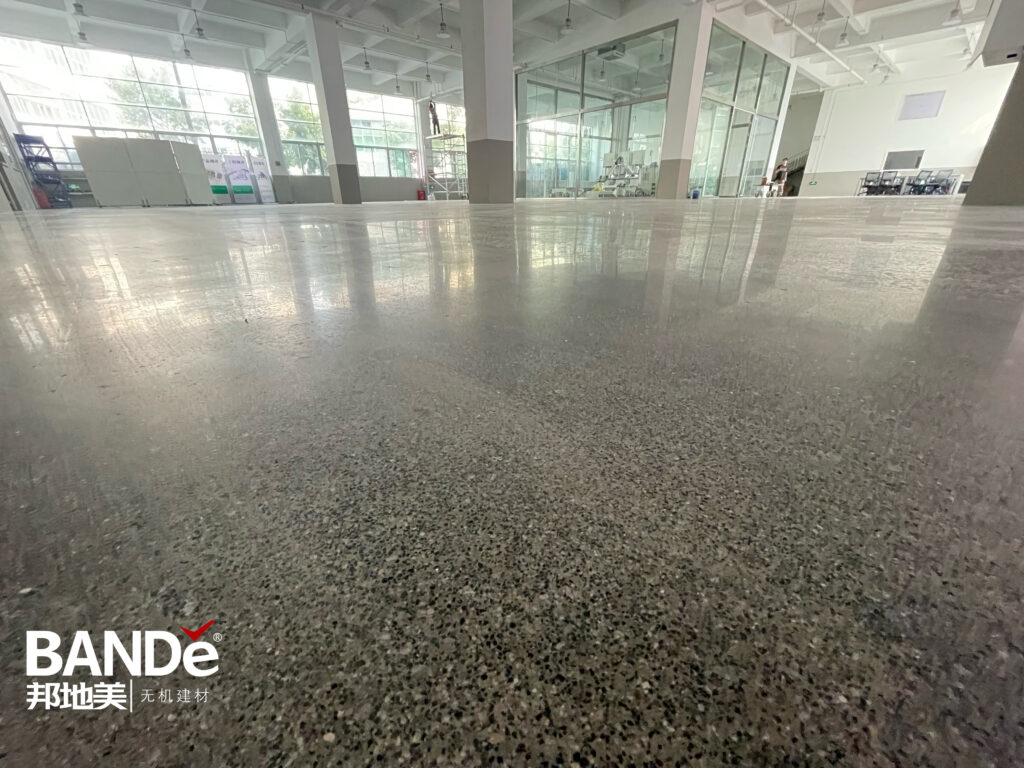
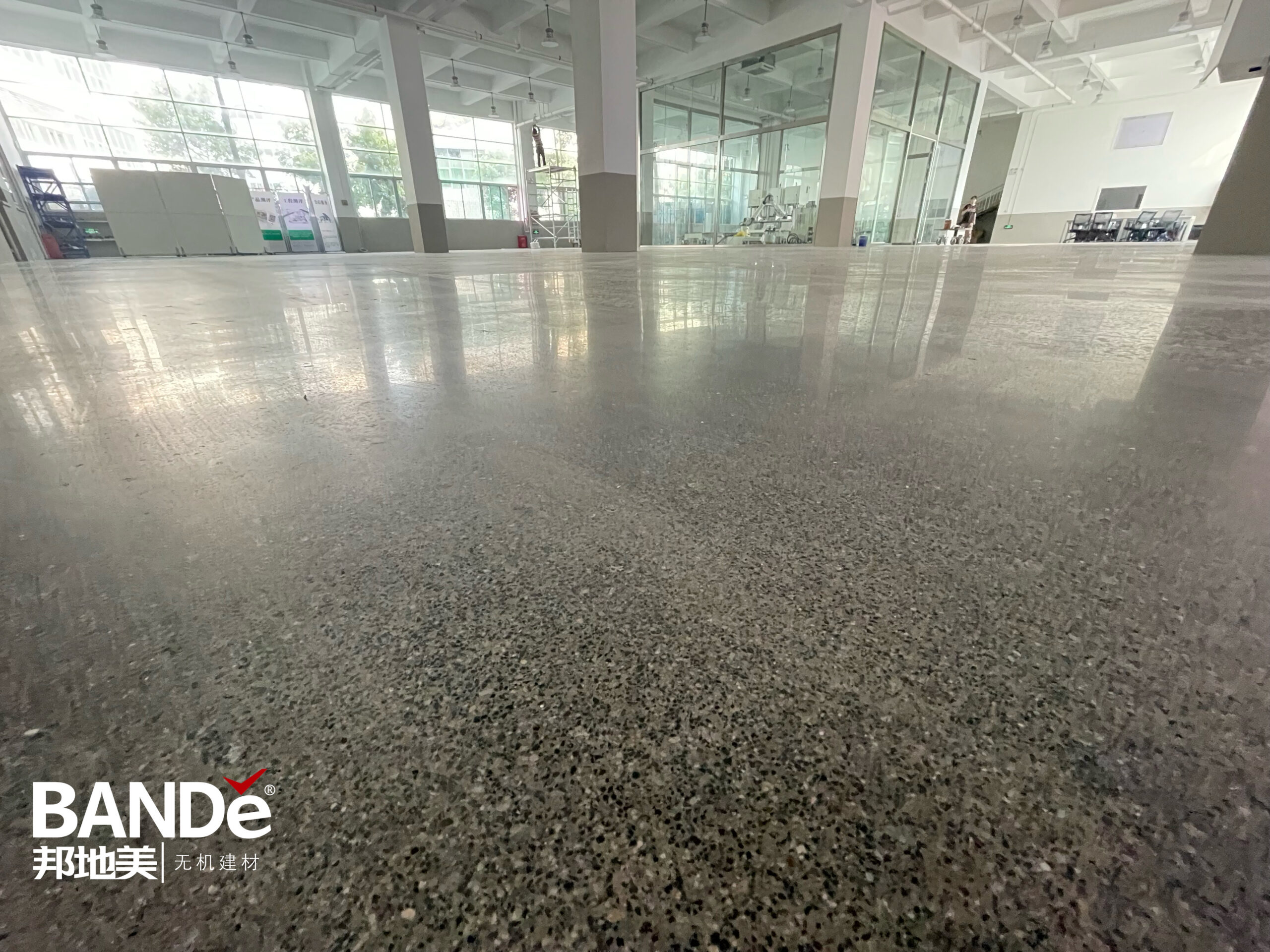
Concrete surfaces need protection from various threats. Without it, you risk damage from moisture, weather, and poor finishing techniques. Both concrete densifier sealers and traditional sealers play crucial roles in safeguarding your surfaces. They help prevent issues like premature troweling and inadequate curing, ensuring your concrete stays strong and durable.
Key Takeaways
Concrete densifiers enhance durability by increasing surface hardness by 30-40%. This makes them ideal for high-traffic areas.
Concrete sealers create a moisture barrier, protecting surfaces from water and stains. They also improve the appearance of concrete with various finishes.
Choose a densifier for strength and abrasion resistance, and a sealer for moisture protection and aesthetics. Using both can provide comprehensive protection.
Concrete Densifiers
Benefits of Densifiers
A concrete densifier is a liquid chemical hardener that enhances the durability of your concrete surfaces. It primarily works by reacting with calcium hydroxide in the concrete to form calcium silicate hydrate (CSH). This reaction fills the pores and microcracks, resulting in a denser and more durable surface. Here are some key benefits of using a concrete densifier:
Increased Surface Hardness: Applying a concrete densifier can lead to a 30-40% increase in surface hardness. This improvement makes your concrete less susceptible to damage from heavy traffic, which is especially beneficial in high-traffic areas like warehouses and retail stores.
Enhanced Moisture Resistance: Densifiers significantly reduce water permeability. A study showed that lithium silicate densifiers performed about 20% better than untreated samples in a 24-hour water permeability test. This means your concrete will be better protected against moisture-related issues.
Longer Lifespan: Densified concrete can last 15-20 years, compared to just 5-10 years for untreated concrete. This longevity translates to lower maintenance costs, making it a smart investment for your surfaces.
Improved Stain Resistance: The densification process creates a surface that is more resistant to staining. This is particularly useful for outdoor surfaces exposed to spills or environmental contaminants.
Application Process for Densifiers
To achieve the best results with a concrete densifier, follow these steps for proper application:
Evaluate the Concrete: Start by testing the substrate’s hardness using a Mohs hardness pick. This helps you determine the right timing for application.
Surface Preparation: Ensure the surface is clean and free from dust, sealers, or curing compounds. A clean surface allows for better penetration of the densifier.
Timing of Application: Apply the densifier after the appropriate grinding stage, typically after 200-400 grit for medium to hard concrete. This timing is crucial for optimal performance.
Application Method: Use a low-pressure sprayer to saturate the surface evenly. Keep the surface wet for about 20 minutes to ensure full penetration. Avoid letting the densifier puddle, as this can lead to film formation.
Consider Chemical Reactions: If you’re using acid stains, apply the densifier after neutralizing the stain. For dyes, apply it after densification to allow for better penetration.
Following these steps will help you maximize the effectiveness of your concrete densifier, ensuring that your surfaces are well-protected and durable.
Concrete Sealers
A concrete sealer is a protective coating applied to concrete surfaces to enhance their durability and longevity. It acts as a barrier against moisture, stains, and other damaging elements. There are several types of concrete sealers available on the market, each designed for specific applications. Here’s a quick overview of the primary types:
Type | Description |
|---|---|
Silane | A water repellent sealer that penetrates and reacts chemically with the concrete. |
Siloxane | Similar to Silane, providing water repellency and durability. |
Siliconate | Offers water repellency and is often used for various applications. |
Silicate or Silica | Typically used as densifiers and hardeners, enhancing the concrete’s strength. |
Fluorinated | Provides both water and oil repellency, suitable for more demanding environments. |
Benefits of Sealers
Using a concrete sealer offers numerous advantages, especially when it comes to moisture protection. Here are some key benefits:
Moisture Barrier: Sealers create a protective layer that prevents water from penetrating the concrete. This is crucial for outdoor surfaces exposed to rain or snow, as it helps avoid issues like cracking and spalling.
Stain Resistance: Sealers help keep your concrete looking clean and new. They resist stains from oil, grease, and other substances, making maintenance easier.
Enhanced Appearance: Depending on the type of sealer you choose, you can achieve various finishes, from matte to high-gloss. This allows you to customize the look of your concrete surfaces.
UV Protection: Some sealers provide protection against harmful UV rays, which can cause fading and discoloration over time. This is particularly important for outdoor concrete surfaces.
Increased Lifespan: By protecting against moisture and stains, sealers can significantly extend the life of your concrete surfaces, saving you money on repairs and replacements.
Application Process for Sealers
Applying a concrete sealer correctly is essential for achieving the best results. Here’s a step-by-step guide to help you through the process:
For new concrete, allow at least one month for curing before applying a sealant. This ensures the concrete has reached its full strength.
For existing concrete, thoroughly clean and prepare the surface. Repair any damage before sealing to ensure a smooth finish.
After cleaning, ensure the surface is dry for at least 24 hours before applying the sealer. Moisture can interfere with adhesion.
For outdoor applications, check the weather conditions. You want to avoid sealing during rain or extreme temperatures.
Follow the manufacturer’s instructions regarding the number of coats and application methods. This ensures you get the best performance from your sealer.
By following these steps, you can avoid common mistakes that lead to poor adhesion and uneven finishes. Here are a few pitfalls to watch out for:
Neglecting surface preparation can lead to poor adhesion and an uneven finish.
Choosing the wrong sealer can result in inadequate protection.
Sealing in poor weather can lead to streaks and uneven finishes.
Taking the time to apply your concrete sealer correctly will pay off in the long run, ensuring your surfaces remain protected and looking great.
Choosing Between Densifiers and Sealers
When to Use Densifiers
You should consider using a concrete densifier when you need to enhance the durability of your concrete surfaces. Densifiers are ideal for high-traffic areas like warehouses or retail spaces. They increase surface hardness and reduce wear, making them perfect for environments with heavy machinery or foot traffic. If you want to improve resistance to abrasion and chemical attack, a densifier is your best bet.
When to Use Sealers
On the other hand, concrete sealers shine when it comes to moisture protection and aesthetics. If your concrete surfaces are exposed to rain, snow, or spills, a sealer will create a barrier against water and stains. Sealers are also great for achieving a specific look, whether you prefer a glossy finish or a more natural appearance. They work well in residential settings, driveways, and patios where visual appeal matters.
Both products can be beneficial in certain scenarios. For instance, using a concrete densifier sealer can provide the best of both worlds. You can enhance the internal strength of the concrete while also protecting the surface from stains and moisture.
Here’s a quick comparison to help you decide:
Factor | Concrete Densifier | Concrete Sealer |
|---|---|---|
Traffic Levels | Best for high-traffic areas due to hardening | Suitable for lower traffic areas |
Desired Aesthetics | Natural look | Offers glossy, colored, or enhanced finishes |
Exposure to Chemicals | Limited protection against stains | Provides a surface barrier against stains |
Budget | Higher initial cost, no reapplication | Lower initial cost, requires maintenance |
Longevity Expectations | Permanent solution | Needs reapplication every few years |
Environmental Conditions | Suitable for various conditions | Better for freeze-thaw cycles and sun exposure |
By selecting the best system for your needs, you can ensure your concrete surfaces remain protected and visually appealing for years to come.
Choosing the right product for your concrete surfaces is crucial. Whether you opt for a densifier or a sealer, each has unique benefits tailored to your needs. Remember to consider factors like surface type, exposure conditions, and desired appearance. If you’re unsure, consulting a professional can help you make the best choice for long-lasting protection.
Tip: Always wait at least 7 days after pouring concrete before applying densifiers to ensure proper curing.
FAQ
What is the difference between a densifier and a sealer?
A densifier strengthens concrete by filling pores, while a sealer protects against moisture and stains.
How often should I apply a concrete sealer?
You should reapply a concrete sealer every 3 to 5 years, depending on wear and environmental conditions.
Can I use both a densifier and a sealer together?
Yes, using both can enhance durability and provide moisture protection for your concrete surfaces.
See Also
A Comprehensive Guide to Selecting Top Concrete Sealers
Discovering the Ideal Concrete Sealer for Your Requirements
The 2025 Handbook for Selecting Concrete Densifiers and Sealers
BANDe’s 2025 Manual for Picking the Right Concrete Densifier
Selecting the Ideal Concrete Densifier for Warehouse Flooring
