

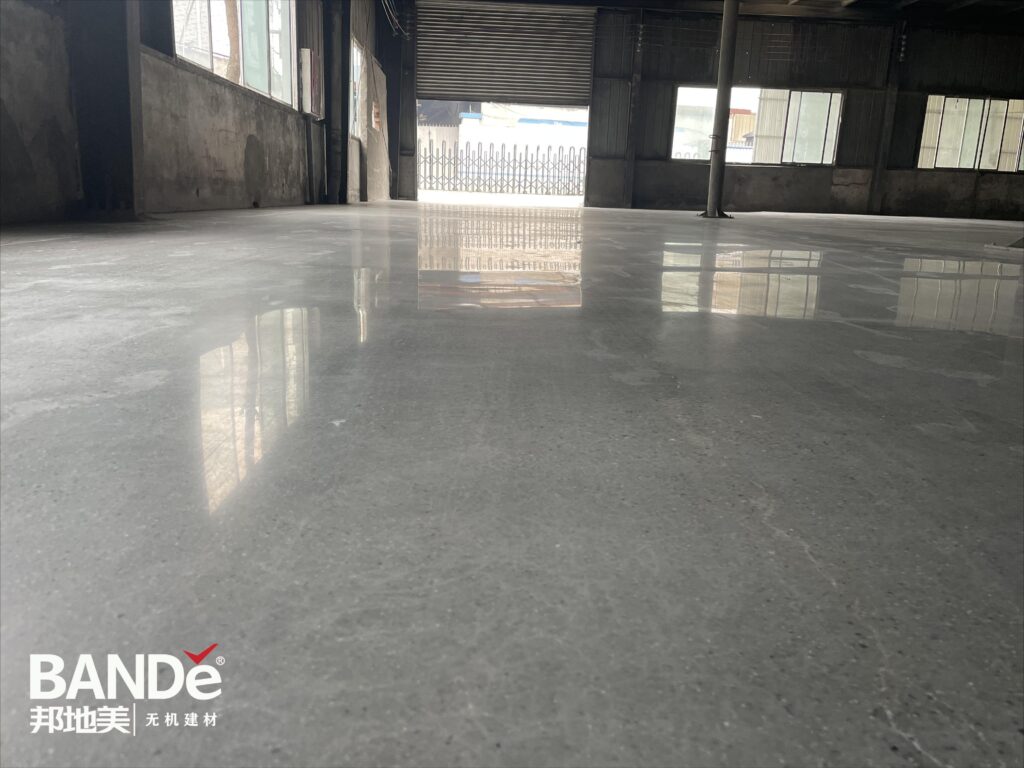
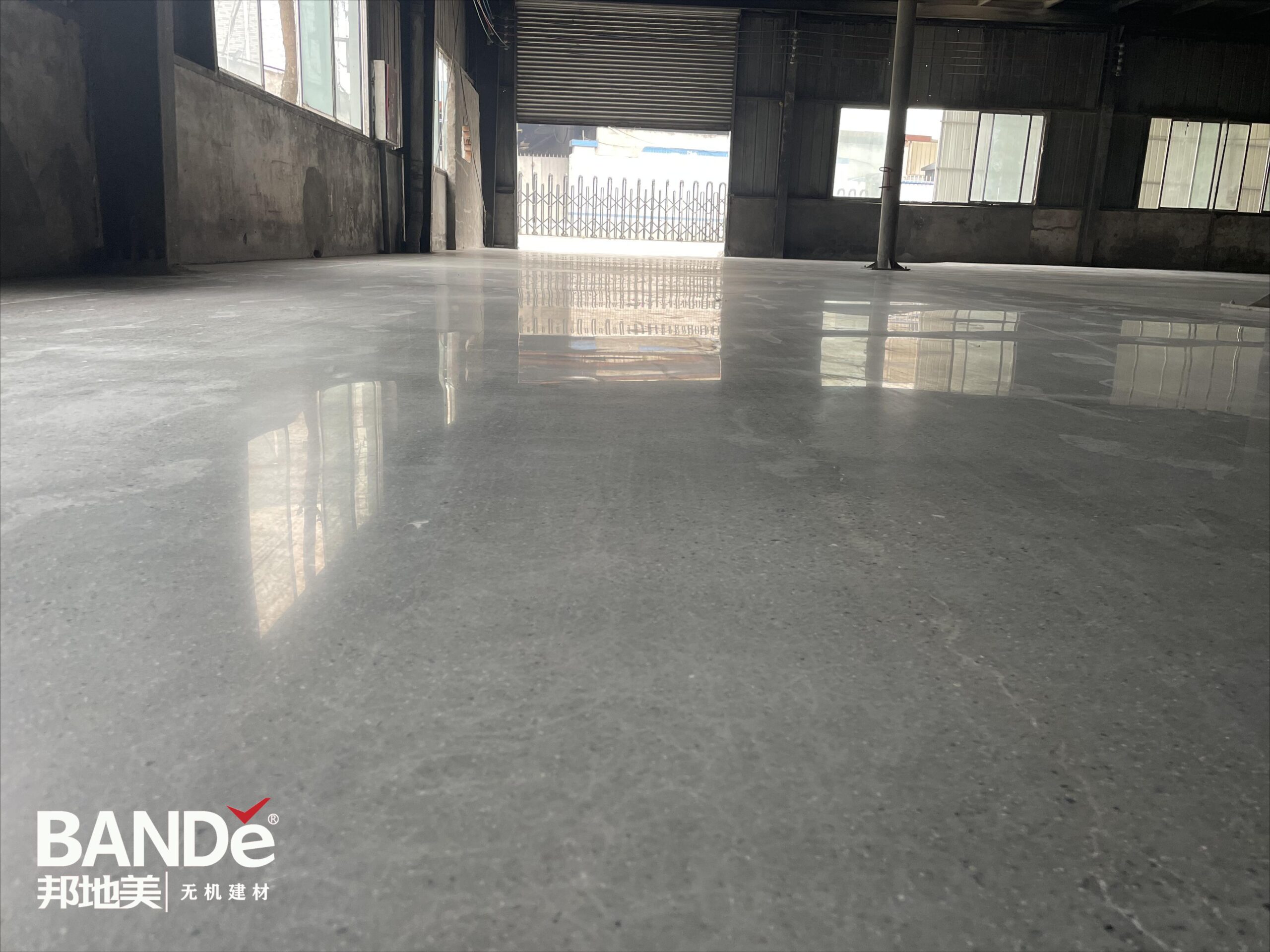
Concrete densifiers are essential for tackling common factory floor issues. These products enhance durability, making floors resistant to wear and tear. With lower maintenance costs compared to traditional flooring, they save money over time. For instance, concrete densifiers can improve lifespan by 45%, offering a cost-effective solution for busy factory environments.
Key Takeaways
Concrete densifiers significantly enhance the durability of factory floors, extending their lifespan to 15-20 years compared to just 5-10 years for untreated surfaces.
Using concrete densifiers can reduce maintenance costs by up to 25%, leading to a more efficient and cost-effective maintenance routine.
Densifiers improve safety by minimizing dust and enhancing slip resistance, creating a cleaner and safer working environment.
Densifier Benefits
Increased Durability
Concrete densifiers play a crucial role in enhancing the durability of factory floors. By penetrating the concrete surface, they increase compressive strength and reduce porosity and water penetration. This means that the floors can withstand heavy loads and resist damage from chemicals and spills.
A study showed that applying a concrete densifier can significantly boost compressive strength. For instance, at a dosage of 0.1%, the compressive strength at 28 days reached the highest observed value, demonstrating the effectiveness of these products. Here’s a quick look at the results:
Densifier Dosage | Compressive Strength at 3 Days (MPa) | Compressive Strength at 28 Days (MPa) |
|---|---|---|
0.0% | 64.2 | 54.7 |
0.1% | 74.6 | Highest observed |
0.2% | Slight decrease observed | Slight decrease observed |
With increased durability, factory floors can last longer, often extending their lifespan to 15-20 years. This is a significant improvement compared to untreated concrete, which typically lasts only 5-10 years. The longer lifespan not only saves money on replacements but also minimizes disruptions to production.
Reduced Maintenance
One of the standout benefits of concrete densifiers is their ability to reduce maintenance costs. After applying a densifier, many facilities report a noticeable decrease in the frequency of required cleaning and repairs. This is because densifiers enhance surface hardness and improve abrasion resistance, making floors less prone to damage.
For example, a major industrial facility operator in the U.S. experienced a 22% reduction in annual floor maintenance costs after implementing concrete densifiers. Similarly, a large logistics hub saw a 25% reduction in floor maintenance downtime. These statistics highlight how effective densifiers can be in creating a more efficient and cost-effective maintenance routine.
Here’s a summary of the benefits observed:
Benefit | Description |
|---|---|
Enhances the floor’s ability to withstand heavy traffic and equipment, reducing damage and maintenance. | |
Enhanced Abrasion Resistance | Improves durability in high-traffic areas, minimizing wear and the need for repairs. |
Reduced Dusting | Binds the concrete surface, decreasing dust production and creating a cleaner environment. |
Improved Stain Resistance | Makes the surface less porous, facilitating easier cleaning and reducing stains. |
Common Pain Points
Dusting and Surface Degradation
Dusting and surface degradation are major issues for factory floors. Untreated concrete can shed dust, which affects air quality and worker health. In fact, poor air quality can lead to serious health problems, including respiratory diseases and skin issues. Here are some key points to consider:
Dust accumulation can reduce visibility, increasing the risk of accidents.
The life expectancy of workers in dusty environments can be significantly lower than average.
To illustrate, untreated concrete floors can lead to:
Issue | Description |
|---|---|
Slip Hazards | Untreated concrete can become slick when wet, leading to slips and falls. |
Impact Resistance | Unprotected concrete can crack and deteriorate under heavy loads, creating trip hazards. |
Chemical Spill Protection | Untreated floors are vulnerable to damage from spills, posing safety risks and increasing maintenance. |
Dust Control | Bare concrete sheds dust, affecting air quality and cleanliness in the facility. |
Visibility | Lack of clear markings can lead to navigation issues, increasing the risk of accidents. |
Cracking and Damage
Cracking and damage are also prevalent on factory floors. Various factors contribute to these issues, including natural shrinkage, environmental changes, and heavy mechanical stress. Here are some common causes:
Natural Shrinkage: Concrete shrinks as it hardens, leading to hairline cracks shortly after installation.
Environmental Changes: Severe temperature fluctuations can cause expansion and cracking.
Moisture Intrusion: Water can seep through unsealed concrete, causing damage over time.
Unresolved floor issues can disrupt productivity and safety. When cracks appear, they can lead to recurring repairs, which drain time and resources. This cycle of inefficiencies complicates production schedules and can even impact customer satisfaction. Addressing these pain points with concrete densifiers can significantly enhance the durability and safety of factory floors.
Solutions with Densifiers
Application Methods and Tools
When it comes to applying concrete densifiers, the right methods and tools can make all the difference. Here are some effective application methods that yield consistent results in industrial settings:
Application Method | Effectiveness Description | Notes |
|---|---|---|
Flood Coat Application | Provides significant increases in abrasion resistance. | Recommended for sodium silicate densifiers. |
Ensures maximum penetration and reaction of the densifier. | Must be clean and free of contaminants. | |
Application Timing | Optimal timing is crucial for achieving desired outcomes. | Should be tailored to specific conditions of the concrete. |
To achieve the best results, follow these steps:
Prepare the Surface: Clean the floor thoroughly by vacuuming or rinsing to eliminate any dust or debris. This step is crucial for ensuring that the densifier penetrates effectively.
Apply the Densifier: Use a pump sprayer to apply the densifier evenly across the concrete. A microfiber pad or soft broom can help spread it out smoothly.
Maintain Wetness: Keep the surface wet with the densifier for about 10-20 minutes. This allows for proper absorption, which is key to maximizing its effectiveness.
Distribute Excess: If you notice any puddling, distribute the excess densifier to drier areas. This helps avoid uneven application.
For new concrete, wait 7-14 days after finishing before applying the densifier. For older concrete, ensure the surface is clean and dry before starting the application.
Long-Term Solutions
Concrete densifiers provide long-term protection against common factory floor challenges. They penetrate the concrete and react with its components, forming a denser, less permeable surface. This process significantly enhances the concrete’s resistance to wear, dusting, and chemical damage. Here’s how they help:
Increased Hardness: The densification process increases the surface hardness, improving resistance to abrasion and wear from heavy machinery.
Improved Stain Resistance: Densifiers reduce susceptibility to chemical spills, making cleanup easier and protecting the integrity of the floor.
Extended Lifespan: With a lifespan of 15-20 years, concrete treated with densifiers outlasts untreated surfaces, which typically last only 5-10 years.
Several case studies illustrate the effectiveness of concrete densifiers in resolving dusting and surface degradation:
Case Study Description | Results |
|---|---|
Maverik Laboratories: Durable floor for high traffic in a laboratory warehouse. | Improved durability, reduced maintenance costs, dustproof, abrasion resistant, 30% improved light reflectivity. |
50,000 sq. ft. warehouse: Achieved a dust-free floor for heavy forklift traffic. | Eliminated concrete dusting, easy maintenance, improved appearance. |
Jewelry warehouse: Enhanced facility appearance with RetroPlating. | Intense shine, dust-proof environment, high-end look. |
Volkswagen facility: 900,000 sq. ft. area treated. | Hard, dust-proof finish, easy to clean, polished look. |
These examples show how concrete densifiers not only enhance the appearance of factory floors but also contribute to a safer and more efficient working environment.
Best Practices for Application
Surface Preparation
Proper surface preparation is crucial for the effectiveness of concrete densifiers. Before applying the densifier, ensure the concrete is clean and free of debris. This step allows the densifier to penetrate effectively. Here’s a quick checklist for surface preparation:
Repair any cracks or imperfections.
Remove dust, oil, and other contaminants.
Ensure the surface is dry before application.
Failing to prepare the surface can lead to common floor failures caused by poor application. For instance, if you don’t repair cracks or remove debris, you might end up with a poor-quality finish. This can result in visible imperfections and a high potential for rework.
Issue | Impact |
|---|---|
Failing to properly prepare the concrete surface before beginning the polishing process. | Leads to a poor-quality finish with visible imperfections and a high potential for rework. |
Applying densifiers too early in the process or not allowing adequate time for the densifier to penetrate and react with the concrete. | Prevents the concrete from reaching its full hardness and durability, affecting the longevity and performance of the final polished surface. |
Curing Techniques
Curing is another essential step that shouldn’t be overlooked. After applying the densifier, allow adequate time for it to react with the concrete. Rushing this process can disrupt the chemical reaction that strengthens the floor. Here are some tips for effective curing:
Follow the manufacturer’s recommended curing time.
Avoid moving to the next polishing step too quickly.
Keep the surface moist during the curing period.
Common mistakes during application include applying the densifier too late or using too much product. These errors can lead to residues and ineffective results. Always select the right type of densifier for your project to avoid wasting resources.
By following these best practices, you can ensure a successful application of concrete densifiers, leading to durable and long-lasting factory floors.
FAQs about Concrete Densifiers
What are concrete densifiers made of?
Concrete densifiers are typically composed of silicates, which play a key role in enhancing the density and hardness of concrete. Here are the primary components you’ll find in most commercial densifiers:
Sodium, potassium, or lithium silicates: These react with free lime in the concrete.
Reactive silica: This is delivered into the microscopic pore system of the cement paste, improving overall strength.
The most commonly used silicates include lithium, sodium, and potassium, often blended to maximize their benefits.
How long do the effects of densifiers last?
The longevity of densifier performance on factory floors can vary based on several factors. Here’s what influences how long you can expect the effects to last:
Quality of the densifier: Higher-quality products tend to perform better over time.
Surface preparation: Properly preparing the surface before application is crucial.
Contractor experience: Skilled application can significantly impact results.
Environmental conditions: Humidity and temperature can affect the curing process.
Application techniques: Following best practices ensures optimal results.
Densifiers work by reacting with free lime in concrete to form calcium silicate hydrate (C-S-H). This process fills pores and voids, making the concrete denser and more durable. As a result, you can expect a lifespan of 15-20 years for treated surfaces, compared to just 5-10 years for untreated concrete.
Lithium Silicate | Sodium/Potassium Silicate | |
|---|---|---|
Molecular Structure | Smaller, allowing better penetration | Larger, leading to quicker surface reaction |
Reaction Speed | Slower, more controlled | Faster, can cause surface whitening |
Surface Effects | Less whitening, easier to clean | Potential for hard-to-remove residues |
pH Level Impact | Does not raise pH, safer for surfaces | Raises pH, can lead to ASR issues |
By understanding these aspects, you can make informed decisions about using concrete densifiers in your factory settings.
Concrete densifiers are game-changers for factory floors. They boost durability and reduce maintenance costs. Plus, they enhance safety by improving slip resistance and minimizing dust. Here’s a quick recap of their benefits:
Increased surface hardness
Dust-proof surfaces
Reduced risk of slip and fall accidents
With these advantages, densifiers truly enhance operational efficiency.
FAQ
What types of surfaces can concrete densifiers be applied to?
Concrete densifiers work well on various surfaces, including new and old concrete, polished floors, and industrial settings.
How soon can I walk on a treated floor?
Typically, you can walk on a treated floor within 24 to 48 hours after application, depending on the product used.
Are concrete densifiers environmentally friendly?
Yes! Most concrete densifiers are water-based and low in VOCs, making them safe for indoor use and compliant with green building standards.
See Also
Selecting The Ideal Concrete Densifier For Your Warehouse
Understanding Concrete Densifiers And Their Functionality Explained
Top Five Concrete Floor Hardeners For Industrial Use
The Ultimate 2025 Guide To Selecting Polished Concrete Densifiers
