

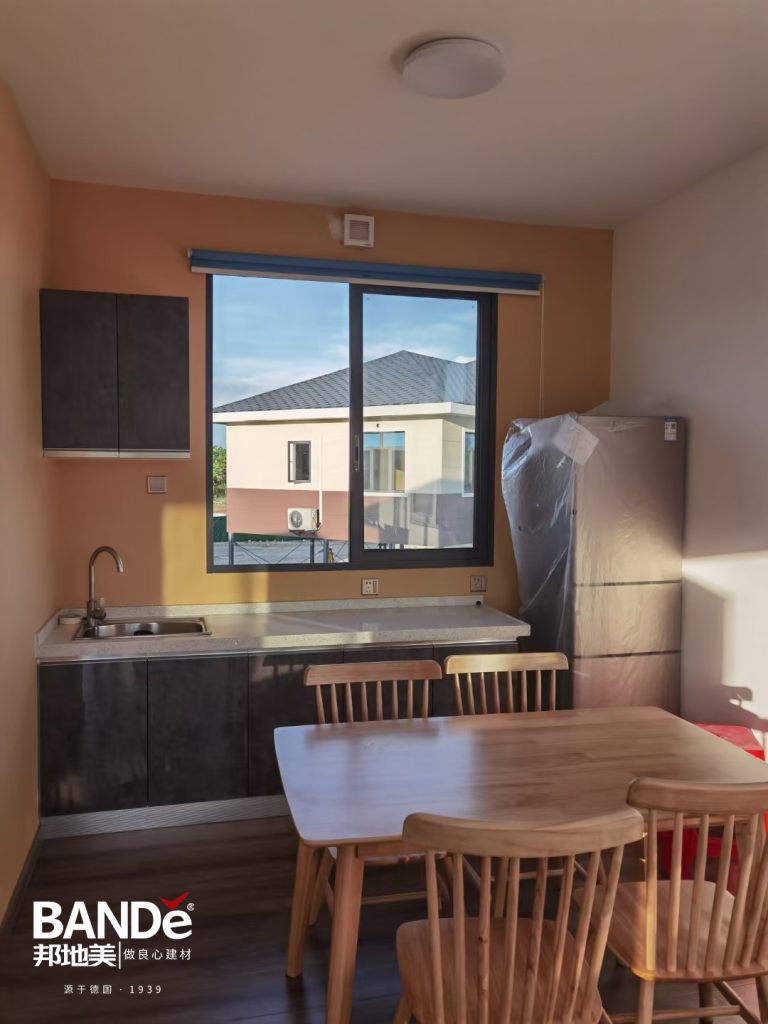
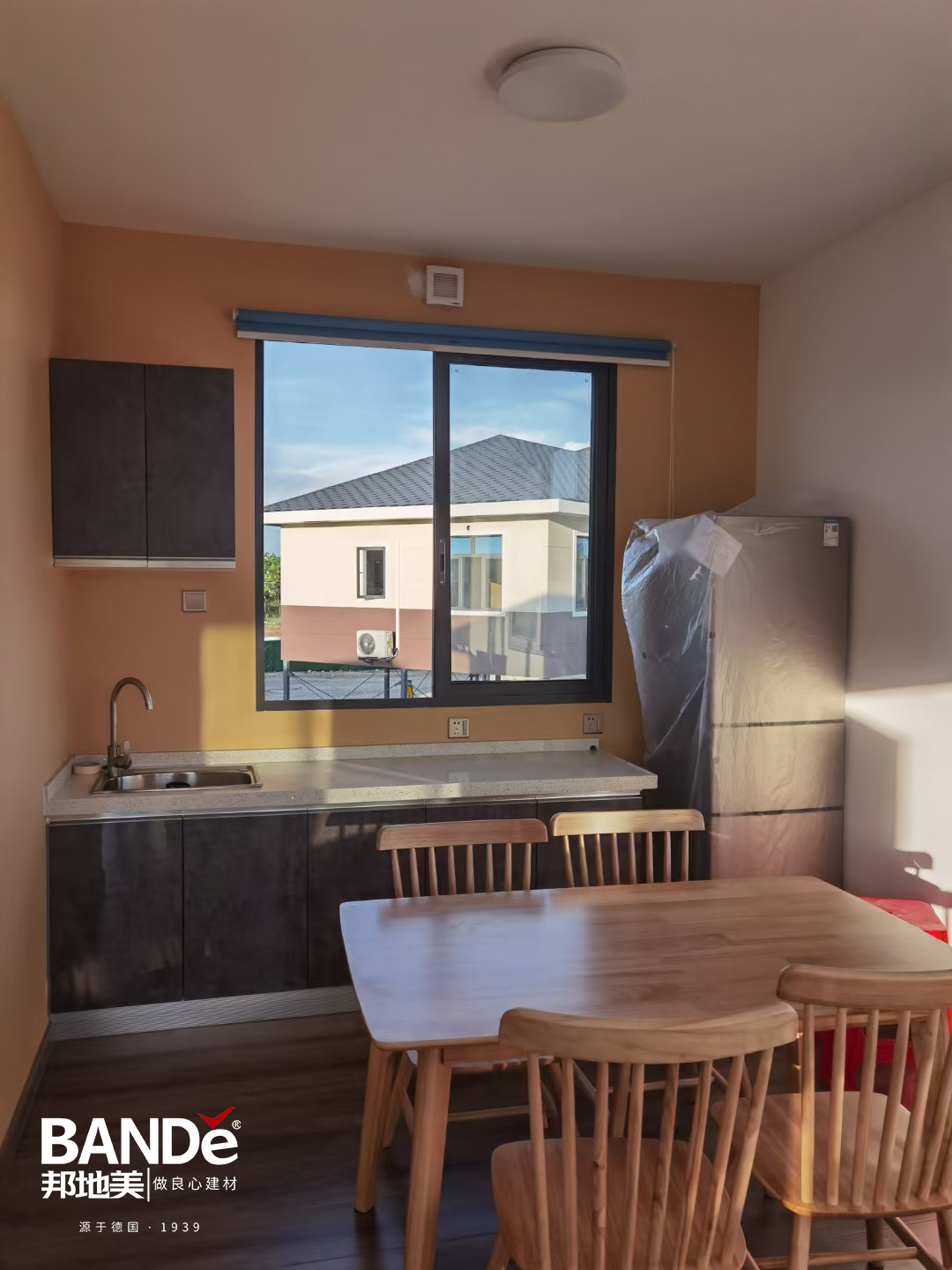
Choosing eco-friendly paint is crucial for both your health and the environment. Many homeowners are now opting for these safer options, thanks to their benefits like improved indoor air quality. BANDě Inorganic Anion Wall Paint stands out as a top choice, blending sustainability with excellent performance.
Key Takeaways
Choosing eco-friendly paint improves indoor air quality by reducing harmful chemicals, making your home healthier for your family.
Eco-friendly paints are durable and resistant to fading and mold, ensuring your walls stay fresh and safe for years.
Using eco-friendly paint lowers your environmental impact, contributing to a healthier planet while enhancing your home’s aesthetic.
Safety Benefits of Eco-Friendly Paint
Health Advantages
When it comes to painting your home, the health benefits of using eco-friendly paint are hard to ignore. One of the standout features of these paints is their zero-VOC (volatile organic compounds) formulation. Unlike traditional paints, which can release harmful chemicals into the air, eco-friendly options help create a healthier indoor environment.
Research shows that using zero-VOC paints can significantly improve air quality. For instance, a controlled clinical trial in South Africa and Ghana is exploring how reflective cooling paint can lower indoor temperatures and enhance health outcomes. The study indicates that these paints can reduce indoor temperatures by 3°C to 6°C, which may help alleviate heat-related health issues like sleep disruption and chronic diseases. This is especially important for families with children or elderly members who may be more vulnerable to heat stress.
Non-Toxic Formulations
Eco-friendly paint is designed with your health in mind. Here are some key points that highlight the advantages of these non-toxic formulations:
Healthier indoor air quality due to reduced harmful chemicals.
Lower contribution to air pollution and climate change.
Enhanced durability and longevity of finishes, conserving resources.
Feature | Zero-VOC Paints | Conventional Paints |
|---|---|---|
VOC Content | Zero or very low VOCs | High VOCs |
Indoor Air Quality Impact | Significantly improves air quality | Contributes to poor air quality |
Health Risks | Reduces exposure to harmful chemicals | Associated with headaches and allergies |
Odor | Minimal odor during and after application | Strong paint smell due to VOCs |
Using eco-friendly paint is particularly beneficial in spaces like bedrooms and nurseries, where air quality is crucial. It helps prevent respiratory issues, especially in sensitive individuals. By choosing these paints, you’re not just enhancing your home’s aesthetic; you’re also creating a safer environment for your loved ones.
Environmental Impact
Air Quality Improvement
Using eco-friendly paint can significantly enhance the air quality in your home. Here’s how:
Low VOC emissions: Eco-friendly paints minimize the release of harmful volatile organic compounds (VOCs). This means you can breathe easier, especially in enclosed spaces.
Immediate benefits: You’ll notice an improvement in air quality right after application. This is crucial for creating a healthier living environment, particularly in homes and offices.
Long-term effects: Over time, these paints continue to contribute to a healthier atmosphere. They align with sustainable practices, reducing environmental impact as they age.
Traditional paints, on the other hand, can release VOCs that lead to serious health issues. Many VOCs found around the house, such as paint strippers and wood preservatives, contribute to sick building syndrome. Short-term effects can include headaches, dizziness, and irritation of the eyes, nose, or throat. Long-term exposure can lead to respiratory diseases, liver and kidney damage, and even central nervous system disorders.
Sustainable Practices
Eco-friendly paint isn’t just good for your health; it’s also better for the planet. Here are some sustainable practices associated with these paints:
Lower carbon footprint: The manufacturing process for eco-friendly paint typically has a lower carbon footprint than conventional paint production. This reduction is largely due to the use of waterborne, powder, UV, or plant-based coating technologies, which are less carbon-intensive.
Innovative materials: Many eco-friendly paints utilize plant-based resins, further enhancing their sustainability. These innovations help reduce the environmental impact of paint production.
Certifications: Look for eco-labels that indicate a product’s sustainability. For example, the EcoStandard EcoProduct certification is awarded based on a comprehensive assessment using Life-cycle Analysis (LCA) to ensure environmental sustainability.
Certification Name | Description |
|---|---|
EcoStandard EcoProduct | Awarded based on a comprehensive assessment using Life-cycle Analysis (LCA) to ensure environmental sustainability. |
3-Star EcoStandard EcoProduct | Specific ratings awarded to Superfine Pigment Colours for their natural pigments, indicating high eco-friendliness. |
By choosing eco-friendly paint, you’re not just making a choice for your home; you’re also making a positive impact on the environment. It’s a win-win situation!
Durability of Eco-Friendly Paint
Long-Lasting Solutions
When you choose eco-friendly paint, you’re not just making a healthier choice; you’re also opting for durability. Many eco-friendly paints, like BANDě products, are designed to withstand the test of time. They resist fading and wear, keeping your walls looking fresh for years. Plus, these paints often come with mold-resistant properties, making them perfect for areas prone to moisture, such as bathrooms and kitchens.
Mold and Mildew Resistance: Eco-friendly paints typically have low to zero VOC content, which helps maintain a healthier indoor environment. This is especially important in moisture-prone areas where mold can thrive.
Sustainable Materials: Many eco-friendly waterproof paints are made from sustainable materials, ensuring that your choice is good for both your home and the planet.
Performance Comparison
How does eco-friendly paint stack up against traditional options? The results are impressive. While conventional paints may offer a quick finish, they often come with hidden costs, like frequent touch-ups and poor air quality.
Feature | Eco-Friendly Paint | Conventional Paint |
|---|---|---|
Longevity | Long-lasting, resistant to fading | May require more frequent repainting |
Mold Resistance | Often includes mold-resistant options | Limited options for mold resistance |
Indoor Air Quality | Improves air quality | Can contribute to poor air quality |
Application Tips for Eco-Friendly Paint
Preparation Steps
Getting ready to paint with eco-friendly paint is key to achieving great results. Here are some essential steps to follow:
Clean the surfaces: Make sure they are free from oil, grease, dust, and dirt. Use sugar soap or clean water to wash the surfaces before applying any primers or sealants.
Patch and prime: Surface preparation is crucial. Fill in any cracks or holes and apply a primer to ensure a smooth finish.
Check the weather: Avoid painting in extreme temperatures. This can affect drying time and the overall finish.
Using innovative application techniques can also help reduce waste. Unlike traditional paints, eco-friendly options minimize overspray and simplify cleanup.
Care and Maintenance
To keep your eco-friendly paint looking fresh, regular maintenance is a must. Here are some tips to maximize its lifespan:
Inspect regularly: Look for any signs of wear or damage. Catching issues early can save you time and effort later.
Clean surfaces: Use a gentle cleaner like FORMULA 555, which is biodegradable and safe for the environment. This helps remove dirt and mold without harming your paint.
Address minor issues promptly: Fix small problems before they turn into larger ones. This includes touching up areas that may need a little extra care.
By following these steps, you can enjoy the beauty and benefits of eco-friendly paint for years to come!
Switching to eco-friendly paint offers numerous benefits for your home. You get healthier air quality, lower environmental impact, and long-term cost savings. Plus, these paints come in vibrant colors and durable finishes. 🌿 Why not make the change today? Your home and the planet will thank you!
FAQ
What is eco-friendly paint?
Eco-friendly paint is a type of paint that contains low or zero volatile organic compounds (VOCs), making it safer for indoor air quality and the environment.
How long does eco-friendly paint last?
Eco-friendly paint typically lasts as long as conventional paint, often providing durability and resistance to fading, mold, and mildew.
Can I use eco-friendly paint outdoors?
Yes! Many eco-friendly paints are suitable for outdoor use, offering protection against the elements while being safe for the environment.
See Also
Utilizing Inorganic Seven-Color Coating For Eco-Friendly Living
Discover Inorganic Anion Wall Paint For Healthier Homes
Best Paint And Primer Combinations For Your Home
