

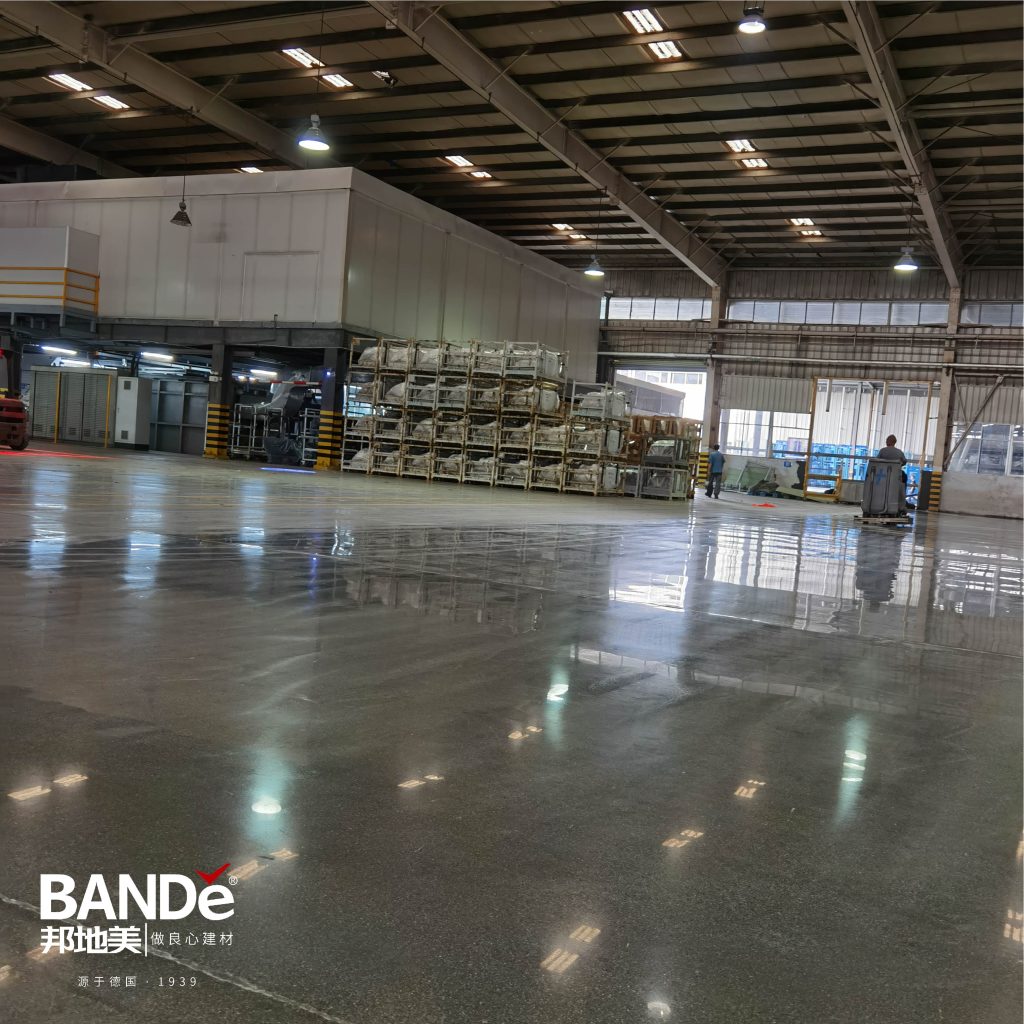
Concrete densifiers are very important for making your concrete last longer and work better. They react with the concrete in a special way. This makes the surface harder and stronger. This helps your concrete last longer and keeps it safe from water and chemicals. If you want your concrete to look good and stay strong, using a concrete densifier is a smart idea. After all, who wouldn’t want to use something that makes it 50% tougher?
Key Takeaways
Concrete densifiers make surfaces stronger and last longer. They help lower maintenance costs.
Pick the right densifier for your project. Think about how it performs and if it meets standards.
Use densifiers when the weather is good. This is usually between 40°F and 95°F. Wait at least 28 days after the concrete has cured for the best results.
Get the surface ready by cleaning, drying, and fixing any problems before using the densifier. This helps it soak in better.
Densifiers are not the same as sealers. Densifiers improve the concrete itself. Sealers only protect the top layer.
Concrete Densifiers Overview
Concrete densifiers are very important for making concrete stronger and last longer. They go into the concrete and react with its parts. This makes the surface harder and tougher. Let’s look at the different types of densifiers and what they are made of.
Types of Densifiers
You can find many types of concrete densifiers in stores. Each type has special features. Here’s a quick list:
Category | Description |
|---|---|
Usually the cheapest, but needs scrubbing and rinsing because it has more alkalinity and salt. | |
Potassium silicate | Like sodium silicate but has slightly different solubility. |
Lithium silicate | Goes deeper into the concrete, reacts faster, and has fewer problems like residue or whitening. |
Colloidal silica | Very fine particles that help improve reactivity and surface performance, often mixed with other silicates. |
Choosing the right densifier depends on what you need and the project conditions.
Chemical Composition
Concrete densifiers mainly have different silicates in them. Here are the common types you might see:
Sodium silicate
Potassium silicate
Lithium silicate
Colloidal silica
These silicates react with calcium hydroxide in the concrete. This creates a denser structure. This reaction is important for making the surface harder and more durable.
Some people have wrong ideas about how these densifiers work. For example, many think they improve the tobermorite structure, but that’s not true. They actually react with calcium hydroxide compounds, which is key to how they work.
By knowing the types and chemical makeup of concrete densifiers, you can make better choices for your concrete projects.
Benefits of Concrete Densifiers
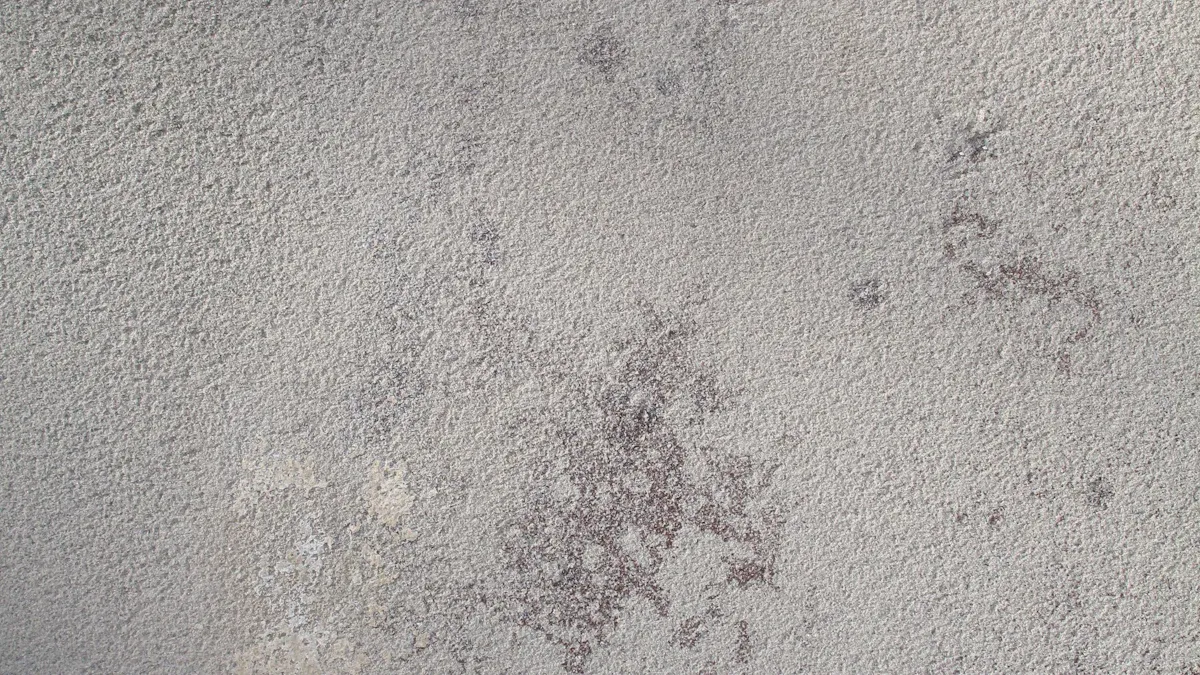
Concrete densifiers have many benefits that can make your concrete surfaces better. When you use a densifier, it can make your concrete harder and last longer. This is a smart choice for any project.
Increased Surface Hardness
When you put a concrete densifier on, it reacts with calcium hydroxide in the concrete. This reaction changes weaker materials into stronger ones, like calcium silicate hydrate (CSH). Because of this, you can expect:
A surface hardness increase by up to 400%.
Better resistance to wear, making your concrete tougher.
A tighter, denser surface that can handle foot traffic without damage.
This means your floors will look nicer and last longer. Experts say this change is permanent. It helps create a surface that is less likely to wear out.
Improved Durability
Using concrete densifiers also makes your surfaces more durable. Here’s how:
Densifiers fill the pores in the concrete, making a dustproof surface. This means no more concrete dust in your home or workspace.
They help lower maintenance needs over time. With better hardness and less dust, you’ll spend less time and money on care.
Better resistance to moisture and chemicals means your concrete can deal with spills and stains better. This is especially helpful in commercial places.
In fact, using a densifier can lead to lower long-term maintenance costs. The table below shows how densifiers affect maintenance:
Evidence Description | Impact on Maintenance Costs |
|---|---|
Densifiers make concrete surfaces more durable and longer-lasting. | Leads to lower long-term maintenance costs. |
Better surface hardness and less dusting. | Helps reduce maintenance needs over time. |
Better resistance to wear and chemical damage. | Lowers how often maintenance is needed. |
By choosing to use a concrete densifier, you’re making an investment. It not only improves your concrete’s performance but also saves you time and money in the future.
When to Apply Densifiers
Applying concrete densifiers at the right time is very important. It can really help your project succeed. Let’s look at the best times to use them during the curing process.
Ideal Application Conditions
You need to make sure the conditions are perfect when you apply your concrete densifier. Here are some important points to remember:
The best temperature for applying concrete densifiers is between 40°F and 95°F. This helps the densifier work well.
Stay away from high humidity, especially on rainy or very humid days. Moisture can stop the densifier from soaking in and reacting with the concrete.
By following these tips, you can get the best results from your densifier. This will help create a strong, dustproof surface.
Timing in Curing Process
Timing is very important when applying densifiers. The success of the densifier depends on when you use it during curing. If you apply it too soon, while the concrete is still wet, there won’t be enough calcium hydroxide for a full chemical reaction. This can make it less effective.
On the other hand, applying densifiers after 28 days gives enough calcium hydroxide. This timing helps ensure a better reaction, which makes the concrete stronger. By waiting for the right time, you can greatly improve your concrete’s performance and help prevent moisture issues.
Application Methods for Densifiers
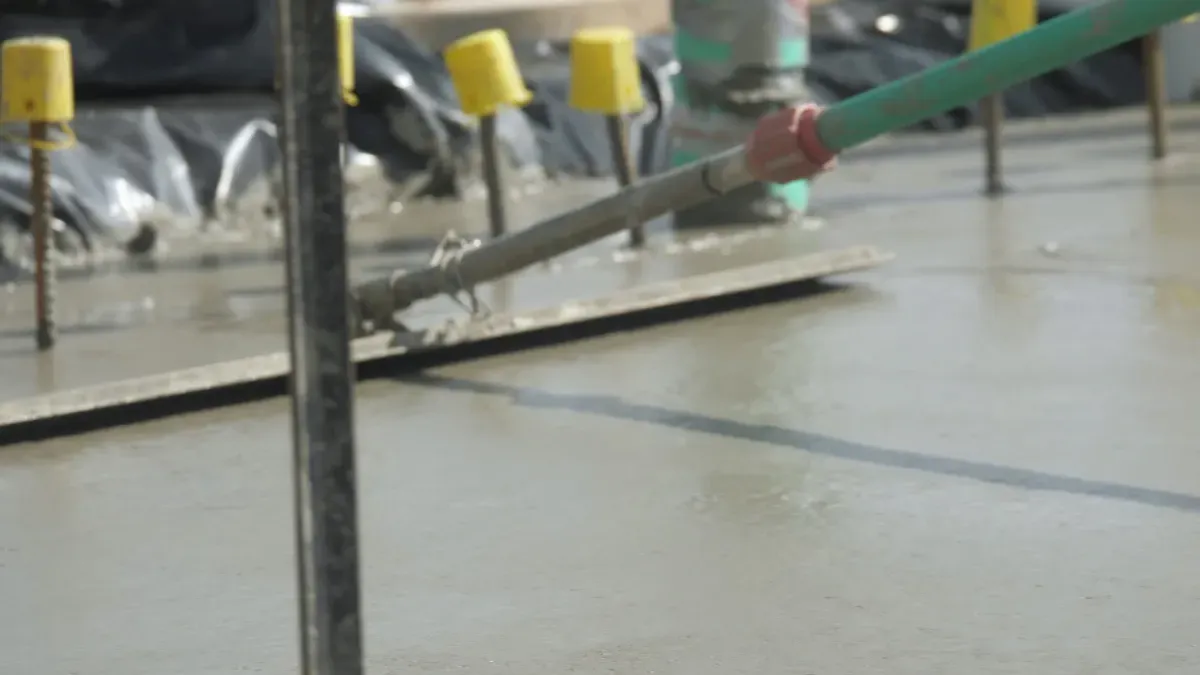
Using concrete densifiers the right way can really help your project succeed. Before you start, you need to get the surface ready. Let’s look at the best ways to prepare the surface and apply the densifier.
Surface Preparation Techniques
Before you put on a concrete densifier, make sure the surface is ready. Here are some important steps to take:
Clean the Surface: Get rid of any sealers, dirt, or dust. A clean surface helps the densifier soak in well.
Vacuum or Rinse: Vacuum or rinse the floor well to remove any leftover debris. This step is key for a smooth finish.
Dry the Surface: Ensure the concrete is completely dry before applying the densifier. Moisture can stop the chemical reaction.
Repair Imperfections: Fix any cracks, chips, or uneven spots. Use a concrete patch for cracks and grind down high areas to make a flat surface.
By doing these steps, you prepare for a successful densifier application.
Effective Application Techniques
Now that your surface is ready, it’s time to apply the densifier. Here are some tips to make it work better:
Avoid Thick Applications: Putting on too much densifier can cause peeling or not enough soaking in. Instead, aim for a thin, even layer.
Multiple Applications: For very porous surfaces, you might need to apply the densifier several times. This helps with a complete chemical reaction and better results.
Timing Matters: Watch the timing between applications. Good timing helps improve chemical reactions and stops oversaturation of the concrete surface.
Here’s a quick overview of the drying or curing time after applying the densifier:
Step | Instruction | |
|---|---|---|
1 | Broom excess Ashford Formula from the surface | 2 to 3 hours |
By using these application techniques, you can effectively stop concrete moisture issues and make your surfaces stronger. Remember, the right method can lead to lasting results!
Best Practices for Using Densifiers
Choosing the Right Densifier
When picking a densifier, make sure it meets your project needs. Here are some important things to think about:
ASTM F150 Compliance: Find densifiers that follow this standard. It helps control static electricity. This is important in places with sensitive equipment. It keeps your electronics safe from static buildup.
Performance Characteristics: Pick densifiers based on how well they harden, densify, and protect your concrete. They should stop dust, wear, and moisture from getting in. This keeps your surfaces strong and lasting.
By remembering these points, you can choose the right densifier for your concrete work.
Tools and Safety Precautions
Using the right tools and being safe is very important when applying densifiers. Here’s a quick list of safety gear you need:
Purpose | |
|---|---|
Boots and gloves | Protect your skin from irritation and burns; resist cuts and scrapes. |
Safety goggles | Keep your eyes safe from chemicals and dust; shatterproof for heavy impacts. |
Face protection | Protect your lungs from dust; helps avoid breathing problems. |
Full-length clothing | Shield your skin from chemicals and lower the risk of burns. |
Make sure to wear this gear to stay safe while applying the densifier.
After applying the densifier, keep your surface in good shape with silicon-based products. These help resist oxidation and keep thermal stability. Light maintenance is also useful. Make sure any extra product is absorbed into the surface. Spread out any excess within 10-15 minutes to keep the surface looking good. For cleaning, use pressurized water with or without soap to keep your concrete nice and to prevent moisture issues.
By following these best practices, you can have a successful densifier application and enjoy a strong, long-lasting concrete surface.
Densifiers vs. Other Treatments
When you want to protect your concrete, you may ask how densifiers compare to sealers. Both have their own benefits, but they do different things. Let’s look at the details.
Densifiers vs. Sealers
Feature | Concrete Densifiers | Sealers |
|---|---|---|
Purpose | Make concrete harder and more durable | Protect the surface |
Maintenance | Little, no need to reapply | Needs regular reapplication |
Ideal Use | Areas with a lot of foot traffic | Protecting from moisture and chemicals |
Long-term Performance | Cuts down on repairs | Keeps the look nice |
Concrete densifiers work by reacting with the concrete. They go deep into the surface and react with calcium hydroxide. This creates a strong gel-like material. This process makes the concrete denser and tougher. On the other hand, sealers just form a protective layer on top. They don’t change the concrete itself but help keep out moisture and stains.
Advantages of Densifiers
Using densifiers has many benefits compared to other treatments. Here are some important ones:
Increased Hardness: Densifiers make concrete much harder, so it resists wear better.
Reduced Water Permeability: They fill the concrete’s pores, stopping water from getting in.
Enhanced Compressive Strength: Densified concrete can support more weight and pressure, which is great for busy areas.
In the long run, densifiers can save you money. They help your concrete last longer, which means fewer repairs and lower upkeep costs. This is especially true in businesses where durability matters. By choosing a densifier, you are investing in a solution that protects your concrete and improves its performance.
By knowing the differences between densifiers and sealers, you can make a smart choice for your concrete projects. Whether you want to boost durability or guard against moisture, understanding your options helps you get the best results.
In conclusion, using concrete densifiers can really improve your concrete surfaces. They make them last longer, lower maintenance costs, and boost safety. Here are some main benefits:
Benefit | Description |
|---|---|
Makes concrete surfaces last longer and resist wear and tear better. | |
Enhanced Resistance to Wear | Creates a harder surface that can handle heavy use and lessens damage chances. |
Cuts down on the total costs for upkeep and repairs over time. |
By following the tips in this blog, you can apply densifiers successfully. So, whether you are working on a business project or fixing up your home, think about using a densifier to protect and strengthen your concrete. Your surfaces will appreciate it! 😊
FAQ
What is a concrete densifier?
A concrete densifier is a chemical that soaks into the concrete surface. It reacts with calcium hydroxide to make the surface harder and stronger. This helps the concrete resist wear and moisture better.
How long does it take for densifiers to work?
Densifiers start working right after you apply them. But the full effect can take a few days. This happens because the chemical reactions keep going inside the concrete.
Can I apply densifiers on old concrete?
Yes, you can use densifiers on old concrete. Just make sure the surface is clean and has no sealers or dirt. This helps the densifier work well.
How often should I reapply densifiers?
Usually, you don’t need to apply densifiers again. They change the concrete permanently. But if you see damage or wear, you can apply more when needed.
Are densifiers safe to use?
Yes, most densifiers are safe if you follow the instructions. Always wear gloves and goggles to protect yourself while applying them.
See Also
Your 2025 Handbook for Selecting the Ideal Concrete Densifier
A Complete Guide to Buying Concrete Densifiers and Sealers
Understanding the Functionality of BANDě Concrete Densifier Explained
The Ultimate 2025 Guide for Selecting Concrete Densifiers and Sealers
Selecting the Right Concrete Densifier for Warehouse Flooring Needs
