

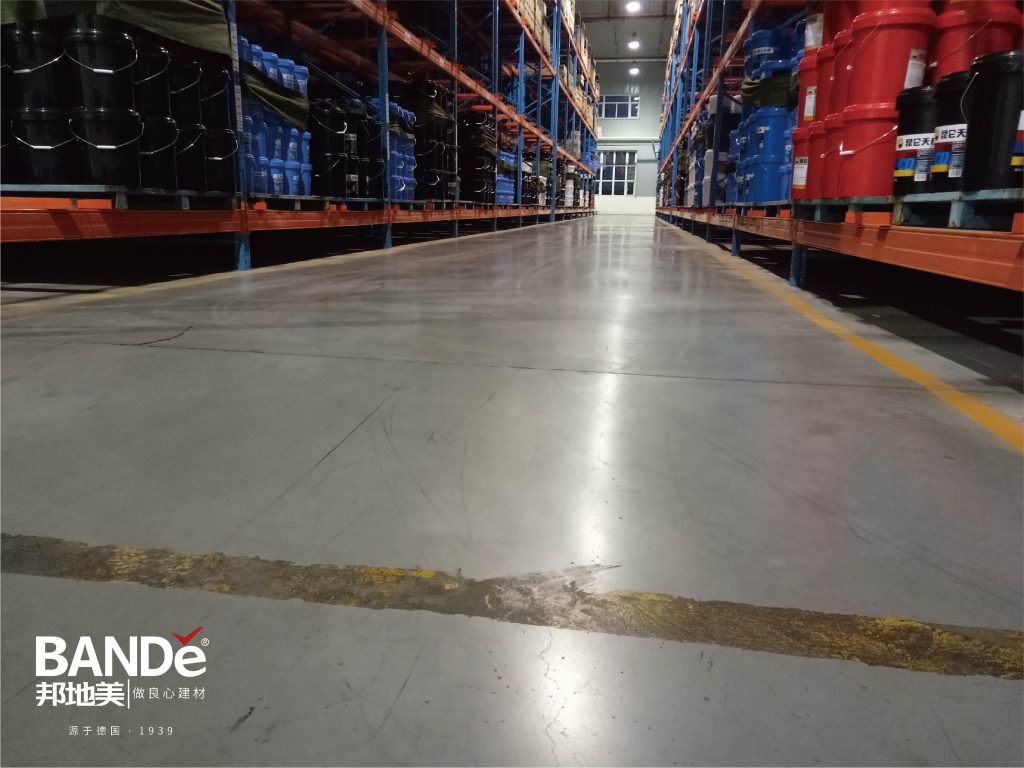
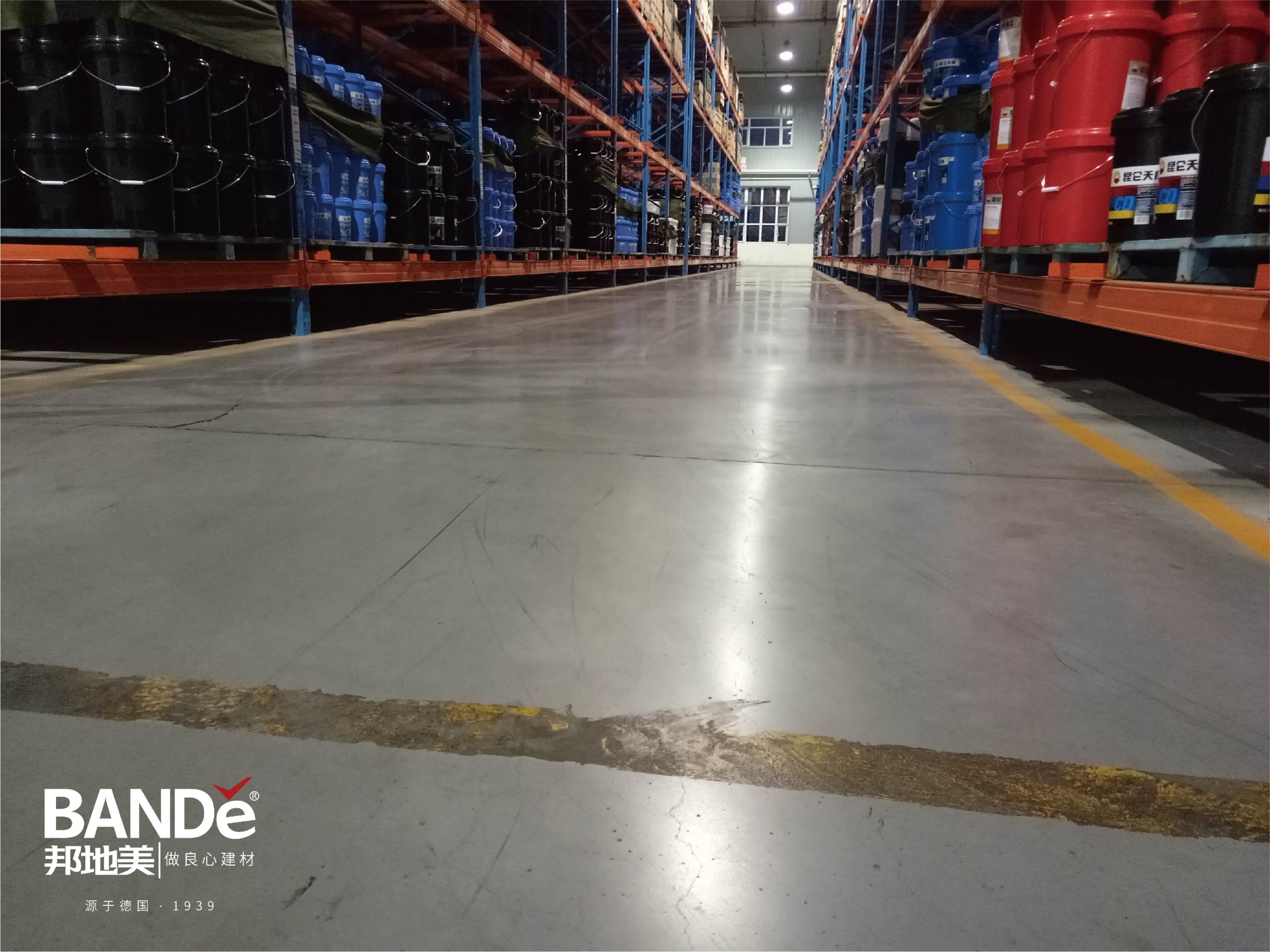
Polished concrete vs. sealed concrete are two distinct options for flooring, each with its own advantages. Polished concrete features a smooth and shiny surface, while sealed concrete is equipped with a protective layer that enhances its strength.
When comparing polished concrete vs. sealed concrete, consider these key differences:
Appearance: Polished concrete boasts a shiny finish, whereas sealed concrete can present either a matte or glossy look.
Durability: Polished concrete typically lasts longer without requiring resealing, while sealed concrete may need to be resealed every few years.
Maintenance: Sealed concrete demands regular upkeep, while polished concrete requires less long-term maintenance.
Cost: Initially, sealed concrete is less expensive, but it may become more costly over time due to maintenance needs.
Understanding these differences between polished concrete vs. sealed concrete will assist you in selecting the ideal flooring for your requirements.
Key Takeaways
Polished concrete has a shiny and smooth look. It makes places look better and needs less care over time.
Sealed concrete costs less at first. But it can cost more later because it needs to be resealed often.
Think about how you will use the space. This helps you choose between polished and sealed concrete for the best results.
Polished concrete is great for busy places like stores and restaurants. It lasts long and is easy to clean.
Sealed concrete is good for areas that spill a lot, like garages and kitchens. It gives a layer of protection against water.
Polished Concrete Overview
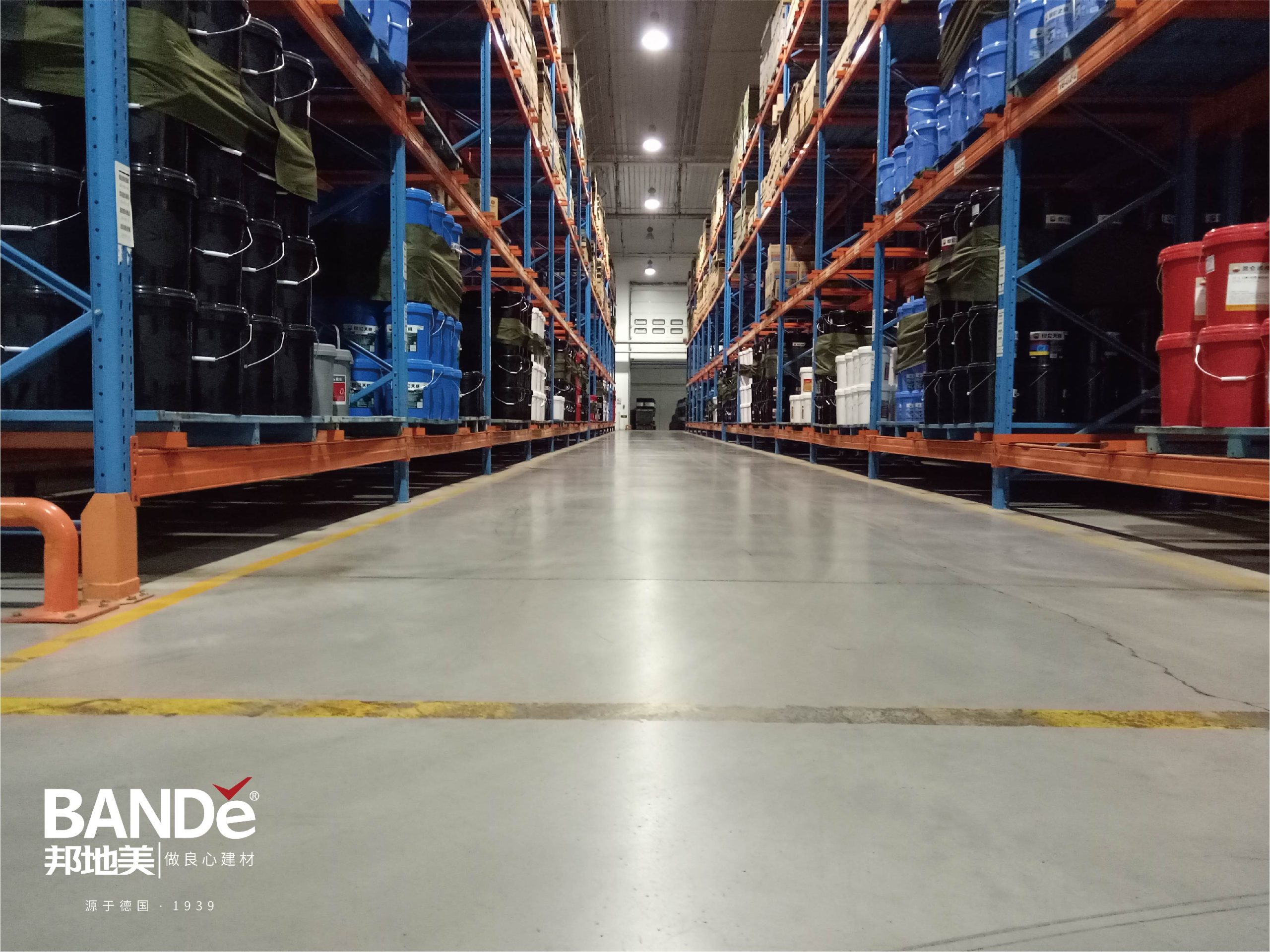
Appearance and Finish
Polished concrete looks amazing and can improve any area. You can create a shiny, reflective surface that makes your floor look better. The process has many steps, like grinding, honing, and polishing. This way, you can change the finish to fit your style.
You can pick from different gloss levels, such as:
Matte finish (200-400 grit): A low-sheen, modern style.
Standard gloss (800 grit): The most popular choice for homes.
High gloss (1500-3000 grit): A shiny, mirror-like finish that stands out.
Also, you can change the color and texture of polished concrete. Choices include integral colors, dry shake, and topical dyes. You can even show the aggregate in the concrete mix for a unique terrazzo-like look. This flexibility makes polished concrete a favorite for homes and businesses.
Labor Intensity and Process
Getting polished concrete is hard work but worth it. Here’s a quick look at the steps involved:
Preparing the Concrete Slab: Check, clean, and fix the concrete surface for a smooth finish.
Grinding: Take off the top layer of concrete to fix flaws using diamond tools.
Honing: Make the surface better with finer diamond tools to boost the natural shine.
Polishing: Use high-grit diamond pads to get a shiny, reflective surface based on your gloss choice.
Sealing: Put on a densifier and protective sealant to improve strength and stain resistance.
Most polished concrete jobs take about 2 to 7 days, depending on size and difficulty. Smaller jobs can be done in just 1–2 days, while bigger ones might take a week or more.
With polished concrete, you get a nice, strong floor that needs less care over time. It’s a smart investment for both looks and durability.
Sealed Concrete Overview
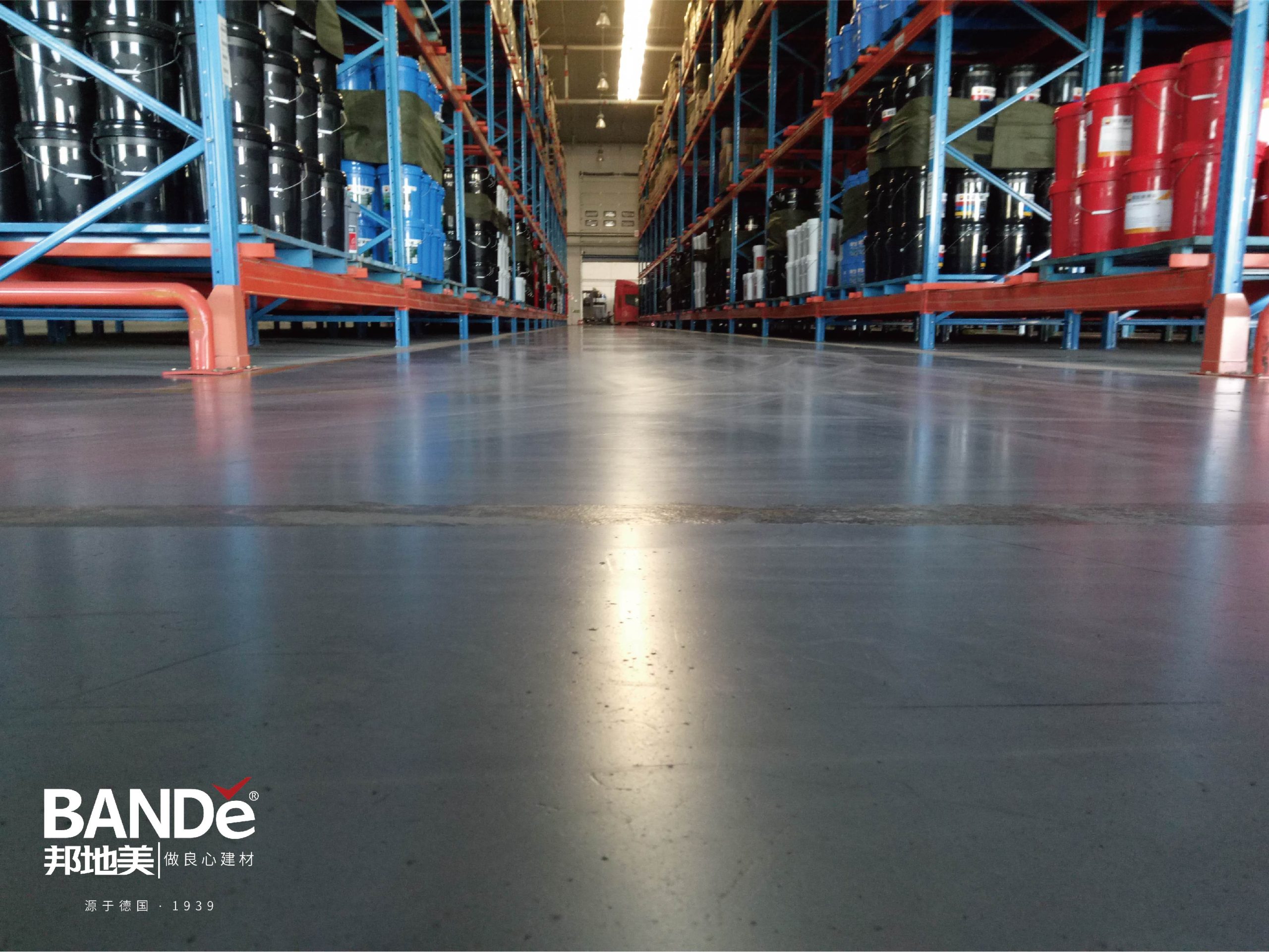
Appearance and Finish
Sealed concrete has a clean and even look. It can make any area better. You can pick a matte or glossy finish based on what you like. The process has several important steps that affect how it looks in the end:
Initial Grinding and Honing: This step makes the surface smooth and ready for sealing.
The Densifier Application: A chemical densifier makes the concrete stronger and better for polishing.
Final Polishing: This step gives the shine you want, changing how the floor looks overall.
Deep Cleaning: Cleaning well makes sure dust and dirt don’t stop the sealer from sticking.
Sealer Application: Applying the sealer correctly protects the concrete and gives it a uniform look.
Curing Time: Letting the sealer cure is very important for strength and performance.
This process creates sealed concrete floors that look good and are tough against wear.
Cost and Installation
Sealed concrete usually costs less at first than polished concrete. But remember, you might need to reseal your floors every few years. This can increase long-term costs.
Installing sealed concrete usually takes less work than polished concrete. This means it can be done faster. You can enjoy your new space sooner with sealed concrete floors.
Polished Concrete vs. Sealed Concrete: Pros and Cons
Advantages of Polished Concrete
Polished concrete has many benefits. This is why many homeowners and businesses like it. Here are some key advantages:
Durability: Polished concrete is very strong. The grinding and polishing make it resistant to wear. It is almost scratch-proof. You can expect your polished concrete floors to last for years without much damage.
Low Maintenance: Keeping polished concrete clean is easy. The smooth surface resists stains and moisture. You can clean it with just a mop and some buffing. This can lower your yearly maintenance costs a lot.
Aesthetic Appeal: Polished concrete looks great. It comes in different gloss levels and styles. You can choose from matte to high-gloss finishes. You can also add colors or textures for a unique look.
Improved Indoor Air Quality: Polished concrete does not release harmful volatile organic compounds (VOCs). This makes it a safer flooring choice. It helps create a healthier indoor space. Plus, it resists moisture, which helps stop mold and mildew.
Disadvantages of Polished Concrete
Even though polished concrete has many benefits, it has some downsides too:
Slippery When Wet: One big concern is that polished concrete can be very slippery when wet. This is important to think about in places where spills happen.
Potential for Staining: If not sealed well, polished concrete can stain from moisture. This means you need to make sure it is installed and maintained properly to avoid problems.
Hard Surface: The surface can feel hard and cold underfoot. This may not be comfortable for everyone. It can be a concern in areas where people stand for a long time.
Advantages of Sealed Concrete
Sealed concrete has its own benefits that make it a good choice:
Lower Initial Cost: Sealed concrete usually costs less at first than polished concrete. This makes it a smart choice for people on a budget.
Quick Installation: The process for sealed concrete is usually faster than for polished concrete. You can enjoy your new floors sooner with sealed concrete.
Protection Against Moisture: Sealed concrete protects against spills, stains, and moisture. This makes it good for places with high humidity or chemicals.
Customizable Finish: You can choose between matte and glossy finishes. This lets you change the look to fit your style.
Disadvantages of Sealed Concrete
Even with its benefits, sealed concrete has some downsides to think about:
Ongoing Maintenance Requirements: Sealed concrete needs resealing every one to three years. This can lead to ongoing costs for labor and materials that add up over time.
Moisture Trapping Issues: Sealing can sometimes trap moisture. This can cause bubbling or spalling. This can hurt the look and life of your floors.
Higher Long-Term Costs: While the initial costs are lower, the total cost of maintenance can be high. Over time, you might find that sealed concrete becomes more expensive because of frequent resealing.
Key Comparisons: Polished vs. Sealed
Appearance
Polished concrete and sealed concrete look different and fit different styles. Polished concrete has a shiny, smooth surface. It reflects light well, making rooms feel bigger and more modern. You can choose how shiny you want it, from matte to high gloss. This makes polished concrete a favorite for homes and fancy businesses.
Sealed concrete, on the other hand, looks clean and even. You can pick between matte and glossy finishes to match your taste. Sealed concrete is great for busy areas and places that might spill or use chemicals. This makes it a smart choice for garages, warehouses, and kitchens.
Durability
Durability is very important too. Polished concrete is very strong. The polishing process makes it tough against scratches, stains, and moisture. This strength makes it perfect for busy places with lots of foot traffic. It holds up well even with heavy use.
Sealed concrete is also durable but may not handle heavy wear as well as polished concrete. It protects against spills and stains but needs more care to stay looking good. If you expect a lot of foot traffic, polished concrete might be the better choice.
Maintenance
Taking care of polished and sealed concrete is quite different. Polished concrete is easy to maintain. You just need to clean it regularly with a gentle cleaner. You don’t have to put on protective coatings again. This makes polished concrete a smart choice for saving money over time.
Sealed concrete needs more work. You have to reseal it every one to three years, depending on how much traffic it gets. This extra sealing can add to your costs over time. Here’s a quick look at maintenance needs:
Type of Concrete | Long-term Cost Impact | |
|---|---|---|
Polished Concrete | Regular cleaning with a gentle cleaner, no need for reapplying protective coatings. | More cost-effective in the long run due to low maintenance needs. |
Sealed Concrete | Regular cleaning, resealing every one to three years based on traffic and conditions. | Higher long-term costs due to the need for resealing and maintenance. |
Cost
Cost is often a big factor for many homeowners and businesses. At first, sealed concrete usually costs less than polished concrete. But remember, the lower price can be tricky. Over time, needing to reseal and maintain it can make sealed concrete more expensive.
Polished concrete costs more at first but gives better value over time because it lasts longer and needs less care. For big projects, polished concrete can cost between $3 to $15 per square foot, depending on the finish and size. A well-kept polished floor can last 20 years or more, which is much longer than regular flooring materials.
Best Uses for Each Type
Ideal Uses for Polished Concrete
Polished concrete works well in many places because it is strong and looks good. Here are some great uses:
Retail Spaces: The shiny surface draws in customers and makes shopping better.
Restaurants: Polished concrete is simple to clean and can handle spills, making it great for dining areas.
Healthcare Facilities: Its easy care and clean surface help keep hospitals and clinics tidy.
Educational Facilities: Schools and universities enjoy its strength and modern style.
Airports and Malls: Busy places like these need floors that can take a lot of use while still looking nice.
You’ll see that polished concrete is often chosen in these places because it mixes strength, cost savings, and easy care.
Ideal Uses for Sealed Concrete
Sealed concrete is a smart choice for places that deal with tough conditions. Here are some of its best uses:
Warehouses and Manufacturing Plants: Sealed concrete protects against oil spills and chemicals, keeping things safe and lasting longer.
Garages: Its slip-resistant features make it perfect for both home and business garages.
Public Areas: Parks and plazas benefit from sealed concrete’s ability to resist cracks and damage from weather changes.
Kitchens: The easy care and protective features of sealed concrete make it good for both home and commercial kitchens.
In these places, sealed concrete adds a protective layer that boosts strength and looks, making it a smart choice for busy areas.
In conclusion, polished concrete and sealed concrete have different features for different needs. Polished concrete is very strong and easy to care for, making it a good long-term choice. Sealed concrete costs less at first but needs more upkeep over time.
When picking between the two, think about how you will use the space, what look you want, and your budget. Here are some important things to consider:
Look at how the space will be used.
Think about the look and shine you want.
Talk to flooring experts for their advice.
Think about maintenance and future costs.
By considering these points, you can make a smart choice that fits your needs.
FAQ
What is the difference between polished and sealed concrete?
Polished concrete has a shiny surface that shines bright. This look comes from grinding and polishing. Sealed concrete has a protective layer that makes it stronger but doesn’t shine as much.
How long does concrete flooring installation take?
The time for installing concrete floors can change. Polished concrete usually takes 2 to 7 days. Sealed concrete can be done faster, often in just a few days.
Can I use both types of concrete floor finish in my home?
Yes! You can use both polished and sealed concrete in different parts of your home. For example, use polished concrete in living areas and sealed concrete in garages or utility spaces.
How do I maintain polished concrete?
Taking care of polished concrete is easy. Just clean it regularly with a gentle cleaner. Avoid using harsh chemicals. You won’t need to reseal it often, so upkeep is simple.
Is sealed concrete slippery?
Sealed concrete can be slippery, especially when it’s wet. Think about adding a non-slip additive during installation to help with traction in places where spills might happen.
See Also
Your 2025 Handbook for Selecting Top Polished Concrete Densifiers
Transforming Dull Concrete Floors Into Stunning Polished Surfaces
A Comprehensive Guide to Selecting Ideal Concrete Sealers
Discovering the Perfect Concrete Sealer for Your Requirements
Steps to Effectively Use Concrete Dust Sealer for Clean Floors
