



Polished concrete floors are a popular choice for modern spaces. You can see them in trendy homes, nice offices, and stylish stores. They are popular because they are strong and look good. Did you know that businesses made up about 50% of the polished concrete floor market in 2024? Also, the home market is expected to grow quickly at 8.0% each year! With these facts, knowing the pros and cons of polished concrete is important for making smart choices about your floors.
Key Takeaways
Polished concrete floors are strong. They last over 20 years with little care. This makes them a smart choice for busy areas.
These floors need little attention. Regular sweeping and some deep cleaning keep them looking nice. This saves time compared to carpets.
Polished concrete can be slippery when wet. Regular cleaning and using anti-slip products can make it safer.
The coldness of polished concrete can feel uncomfortable in winter. Think about adding radiant floor heating for extra warmth.
Installing these floors can be tricky. There may be uneven surfaces and hydration problems. So, it’s often best to hire professionals for good results.
Benefits of Polished Concrete
Durable Flooring
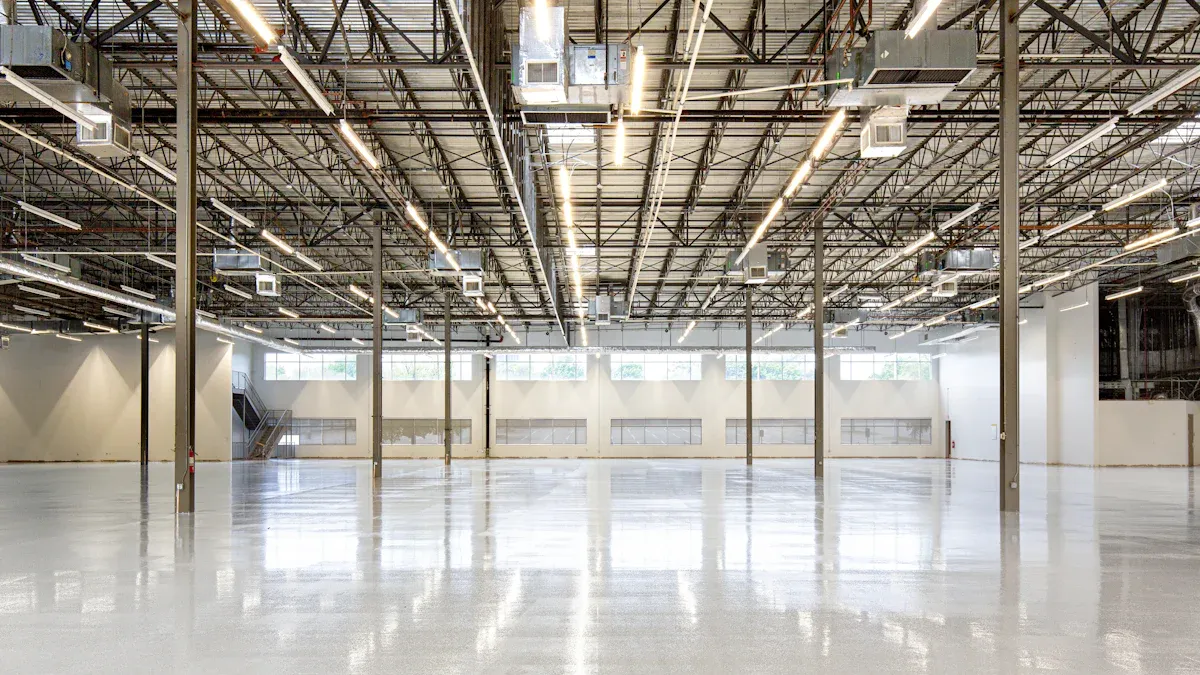
When you pick polished concrete floors, you are choosing a strong option. These floors can last 20 years or more with little care. In fact, polished concrete usually lasts longer than hardwood and tile, even in tough situations. Here’s a quick look at how long different floors last:
Flooring Type | Average Lifespan |
|---|---|
Polished Concrete | 20 years or more |
Hardwood | Shorter lifespan |
Tile | Shorter lifespan |
Polished concrete floors can handle heavy foot traffic and wear. This makes them great for busy places like stores and showrooms. They can take thousands of steps without getting damaged. This strength means you will need fewer repairs and replacements, which saves you money over time.
Low Maintenance
One great thing about polished concrete is that it needs little care. You won’t have to spend a lot of time cleaning or waxing your floors. Just sweep and do some deep cleaning now and then to keep them looking nice. Here are some tips to help your polished concrete floors last longer:
Sweep or dust mop regularly to get rid of dirt
Deep clean sometimes with pH-neutral cleaners
Clean up spills quickly to avoid stains
Compared to carpet or vinyl, polished concrete is much easier to care for. Carpets need regular vacuuming and deep cleaning, but polished concrete just needs a quick clean. This easy care saves you time and lowers your cleaning costs.
Cost-Effective
Polished concrete floors are not only strong and easy to care for; they are also a smart choice for your budget. The first cost to install them might be like other floors, but you will save a lot in the long run. You will spend less on repairs and replacements later. Here’s why polished concrete is a good financial choice:
Durability: With a lifespan of over 20 years, polished concrete lasts longer than many other floors.
Low Maintenance Costs: You will spend less on cleaning and care compared to carpets or vinyl.
Energy Efficiency: The shiny surface of polished concrete helps spread natural light, which cuts down on the need for lights and lowers your electricity bills.
Drawbacks of Polished Concrete
Slipperiness
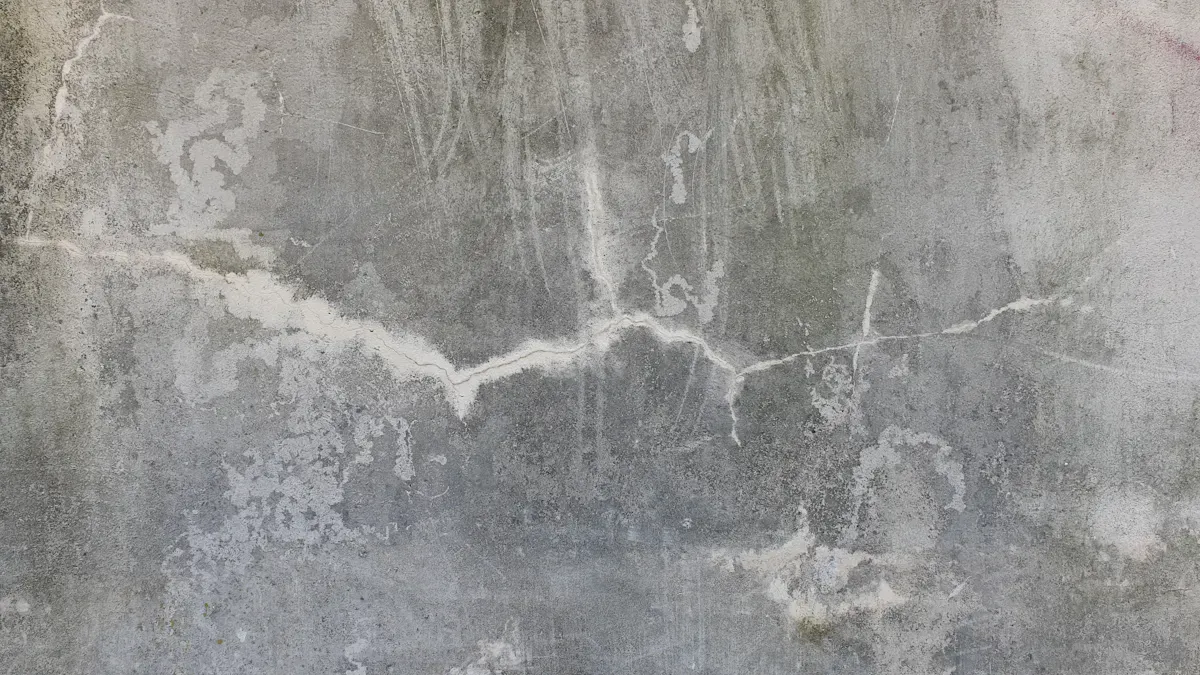
One big worry with polished concrete floors is that they can be slippery, especially when wet. Moisture and dirt can make them hard to grip. For example, in kitchens, the grip can drop by 38% compared to dry stores. If oil or other substances get on the floor, the grip can fall by up to 60% on untreated floors. A study in 2023 found that treated floors had a grip score of 0.55 when wet, while untreated ones dropped to 0.29. This shows how important it is to take care of your floors.
To keep your polished concrete floors safe, try these tips:
Clean regularly to stop oil and dirt from building up.
Use pH-neutral cleaners to avoid slippery wax films.
Use products like Slip Doctors Polish Grip to improve grip.
Think about professional coatings for better traction.
Coldness
Another downside is that polished concrete can feel very cold, especially in winter. These floors can help control indoor temperatures by soaking up heat from sunlight during the day. However, they can still feel chilly. Many homeowners feel uncomfortable because of the coldness, especially in colder areas. Some say that the hard surface can make joint pain worse for people with conditions like arthritis.
Experts say that concrete does not insulate well, making it feel cold unless you use radiant floor heating. Without this heating, your floors might feel uncomfortably cool on winter mornings.
Installation Challenges
Putting in polished concrete floors has its own problems. Here are some common issues you might face:
Challenge | Description |
|---|---|
Uneven Hydration | If water leaves the slab too quickly, it can cause hydration marks. |
Footprints | Marks may appear if the concrete isn’t hard enough before walking on it, leading to visible prints. |
Poor Edge Finishing | Edges need careful work; bad finishing can create noticeable differences that can’t be fixed later. |
Excess Fiber | Using too much fiber can lead to a rough surface. |
Foreign Material | Dirt stuck in the concrete may only show up after grinding, needing removal and patching. |
Wavy Floor | If the floor isn’t flat enough, it can create a wavy surface, affecting the final polished look. |
These problems can raise both the cost and time of your project. For example, if the floor isn’t flat, it can greatly increase preparation costs and delay the project by weeks or even months. If you’re thinking about polished concrete, be ready for these possible challenges.
Polished concrete floors have both good and bad points that you should think about. The good things are that they are strong, easy to care for, and save money. They can last more than 20 years with little work, making them a smart choice for your area. But, you also need to think about how slippery and cold they can be, especially in winter.
When you decide, balance these points with what you need. Here’s a quick look:
Factor | Polished Concrete | Alternative Flooring |
|---|---|---|
Initial Cost | Higher | |
Lifespan | 20+ years | 8-12 years |
Cleaning Frequency | Low | High |
In the end, polished concrete can raise your property’s value if you choose carefully. Just remember to think about your lifestyle and likes before you decide! 😊
FAQ
What are polished concrete floors made of?
Polished concrete floors are made from a concrete slab. This slab is ground and polished. You can also add colors or small stones to make them look nicer.
How do I maintain polished concrete floors?
To keep your polished concrete floors nice, sweep them often. Use pH-neutral cleaners for deep cleaning. Stay away from strong chemicals that can harm the surface.
Can I install polished concrete floors myself?
You can try to install polished concrete floors yourself, but it’s better to hire experts. They have the right tools and skills to make sure the finish is smooth and high-quality.
Are polished concrete floors eco-friendly?
Yes! Polished concrete floors are good for the environment. They use old concrete slabs, which helps cut down on waste. Their shiny surface can also lower energy bills by using more natural light.
How do I improve traction on polished concrete?
To make polished concrete less slippery, clean your floors often. You might also want to use anti-slip coatings. Adding rugs or mats in busy areas can help keep everyone safe.
See Also
Discover The Advantages Of Industrial Polished Concrete Floors
Selecting The Top Polished Concrete Densifier For 2025
Transforming Dull Floors Into Stunning Polished Concrete Surfaces
