

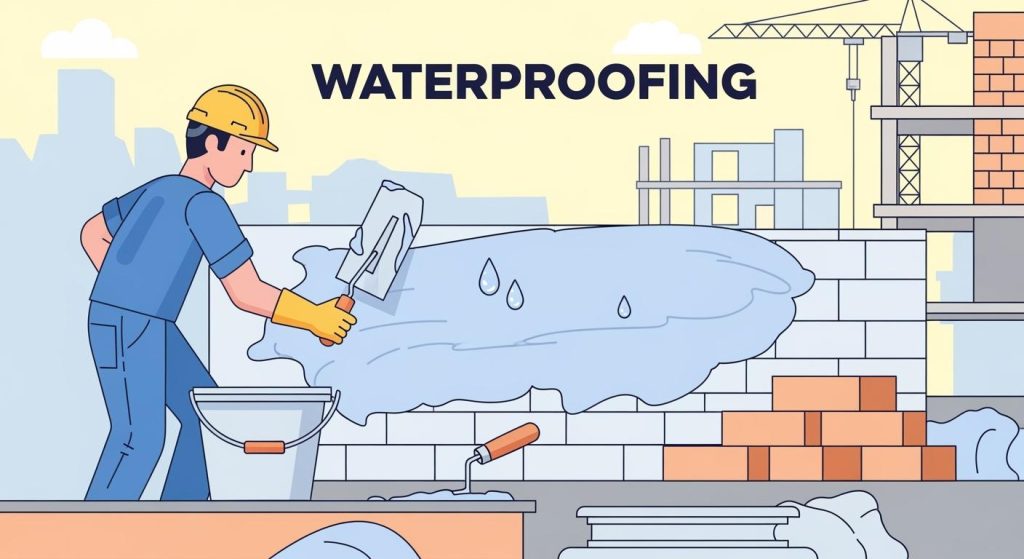
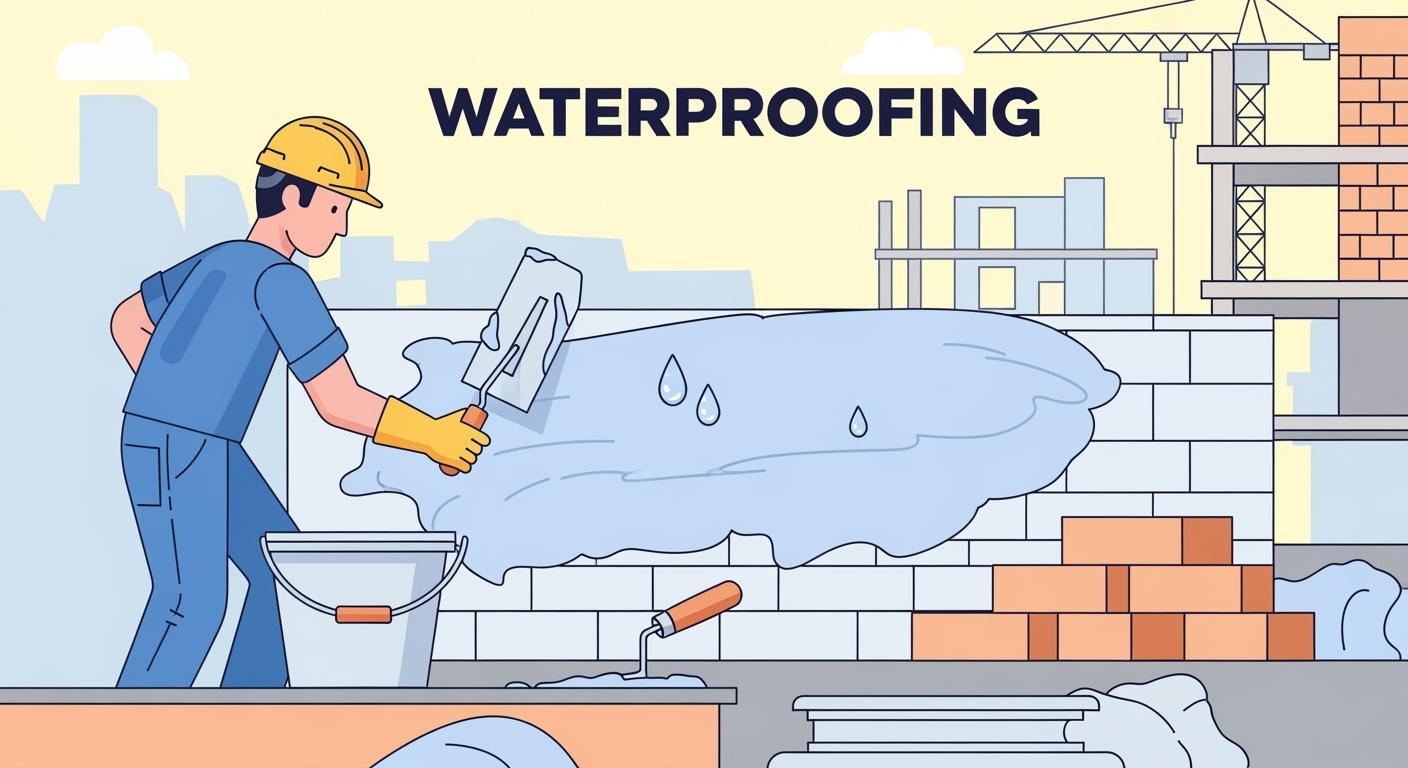
Cementitious waterproofing is a method used to protect structures from water damage. It’s crucial in construction and maintenance, ensuring long-lasting durability. This technique typically involves materials like cement, sand, and special additives. By creating a strong barrier, it helps keep water out and maintains the integrity of buildings.
Key Takeaways
Cementitious waterproofing protects structures from water damage, ensuring durability and longevity.
Proper installation is crucial; always prepare surfaces well and follow application steps carefully to avoid common mistakes.
This method is cost-effective and easy to apply, making it a popular choice for areas like bathrooms, kitchens, and swimming pools.
How Cementitious Waterproofing Works
Materials Used
Cementitious waterproofing relies on a few key materials that work together to create a strong barrier against water. Here’s a breakdown of the primary components:
Cement: This is the main ingredient, providing the structural integrity of the waterproofing layer.
Sand: It adds bulk and helps in achieving the desired texture and consistency.
Modifiers: These are special additives that enhance performance. For example, using Polycarboxylate Ether (PCE) superplasticizer can increase compressive strength by over 90% compared to standard mixes. Other waterproofing admixtures can reduce permeability, although they might slightly lower compressive strength.
Additionally, Cementitious Capillary Crystalline Waterproofing materials (CCCWs) improve the internal pore structure of concrete, making it more resistant to water penetration. Increased CCCW content can lead to lower total porosity, enhancing the overall durability of the concrete.
Application Process
Applying cementitious waterproofing is a straightforward process, but it requires careful attention to detail. Here are the standard steps involved:
Gather materials & tools: Ensure you have everything you need before starting.
Measure components accurately: Precision is key for the right mix.
Mix gradually: This helps avoid lumps in your mixture.
Let the mixture rest: Allow for slaking time to ensure proper hydration.
Check consistency: Adjust if necessary to achieve the right texture.
Use the mixture within the pot life: This ensures optimal performance.
Proper surface preparation is crucial for effective adhesion. The concrete should cure for at least 28 days to achieve the necessary strength. For lightweight concrete, a curing time of 60 days is recommended. The surface texture should ideally fall within the CSP 3 to CSP 5 range. Techniques like light shot blasting or grinding can help achieve this profile. Remember, all surfaces must be free from laitance to ensure a strong bond.
By following these steps, you can effectively apply cementitious waterproofing, ensuring your structures are well-protected against water damage.
Advantages of Cementitious Waterproofing
Durability
One of the standout features of cementitious waterproofing is its impressive durability. This method can withstand various environmental conditions, making it a reliable choice for many construction projects. Here are some key points about its durability:
Long Lifespan: Polymer-modified blends typically last between 10 to 15 years on exposed walls. Crystalline waterproofing, however, can endure for the lifetime of the structure, providing peace of mind for builders and homeowners alike.
Resistance to Water Pressure: Cementitious waterproofing is designed to resist water pressure effectively. This makes it ideal for areas like basements, swimming pools, and water tanks, where water exposure is constant.
Waterproofing Type | Durability | Flexibility | Best Use Cases |
|---|---|---|---|
Cementitious Waterproofing | Generally good, but can crack if not applied properly | Less flexible, best for static environments | Bathrooms, kitchens, swimming pools, water tanks |
Liquid-Applied Waterproofing | High durability | Highly flexible, adapts to movement | Roofs, balconies, basements |
Cost-Effectiveness
When it comes to budget considerations, cementitious waterproofing shines as a cost-effective solution. Here’s why:
Affordable Materials: The materials used in cementitious waterproofing are relatively inexpensive compared to other methods, such as bituminous waterproofing. This makes it a popular choice for both residential and commercial projects.
Ease of Application: The application process is straightforward. It requires simple tools and can be done quickly, which helps reduce labor costs. For instance, cementitious systems can be applied on damp substrates, allowing for timely project completion without extensive preparation. This efficiency minimizes potential delays and rework, which are critical in controlling labor costs.
Here’s a quick comparison of cementitious and bituminous waterproofing methods:
Waterproofing Method | Cost | Ease of Application | Durability |
|---|---|---|---|
Cementitious Waterproofing | Relatively inexpensive | Easy to apply | Rigid and durable |
Bituminous Waterproofing | More expensive | More difficult to apply | Not as durable |
Disadvantages of Cementitious Waterproofing
Limited Flexibility
One of the main drawbacks of cementitious waterproofing is its limited flexibility. This method works well in static environments but struggles when it comes to areas with significant movement. For instance, the maximum elongation percentage before cracking occurs is less than 10%. This rigidity can lead to issues in structures that experience thermal expansion or load deflection.
Property | Value |
|---|---|
Maximum Elongation Percentage | |
Type | Polymer-modified cementitious |
Application | Water tanks, internal toilets |
Suitability | Rigid, not ideal for dynamic areas |
Installation Challenges
Proper installation is crucial for cementitious waterproofing to be effective. Unfortunately, many common errors can lead to failure. Here are some frequent pitfalls:
Misapplication of materials, like over- or under-application, is a common mistake.
Neglecting regular maintenance can lead to premature system failure.
Additionally, environmental factors such as moisture and temperature variations can challenge the effectiveness of waterproofing. Structures with significant movement may compromise the integrity of the cementitious layer. Therefore, ensuring correct surface cleaning, crack repair, and joint treatment is essential for long-term success.
Remember, the performance of cementitious systems relies heavily on proper installation and preparation. They are not suitable for areas with significant movement, as they can crack or fail.
By being aware of these disadvantages of cementitious waterproofing, you can make more informed decisions about your waterproofing needs.
Cementitious waterproofing plays a vital role in protecting structures from water damage. It’s commonly used in areas like bathrooms, kitchens, and swimming pools. While it offers durability and cost-effectiveness, proper installation is crucial. Consider factors like flexibility and substrate movement when choosing your waterproofing method.
Application Area
Description
Bathrooms
Internal wet areas prone to water exposure.
Kitchens
Areas that require waterproofing due to water use.
Swimming Pools
High moisture areas needing effective waterproofing.
Water Tanks
Essential for preventing leaks and water damage.
Basements
Structural elements that require waterproofing.
Tunnels
Underground structures needing protection from water.
Reservoirs
Large storage areas for water that must remain watertight.
FAQ
What is the main benefit of cementitious waterproofing?
Cementitious waterproofing provides a strong barrier against water, protecting structures from damage and extending their lifespan.
How long does cementitious waterproofing last?
Typically, it lasts between 10 to 15 years, depending on the application and environmental conditions.
Can I apply cementitious waterproofing myself?
Yes, but proper surface preparation and application techniques are crucial for effective waterproofing.
See Also
Understanding Cementitious Waterproofing Slurry’s Function in 2025
Exploring Rigid Waterproofing Sealers: Their Functionality Explained
How Rigid Waterproofing Sealers Safeguard Your Home Effectively
Comprehensive Overview of Effective Concrete Waterproofing Techniques
Defining Concrete Hardeners and Their Operational Mechanisms
