

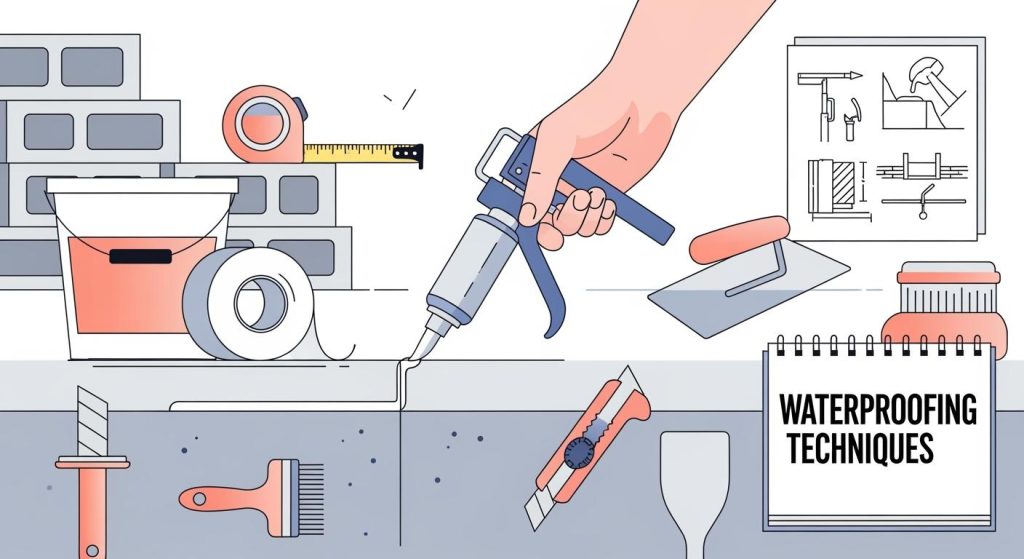
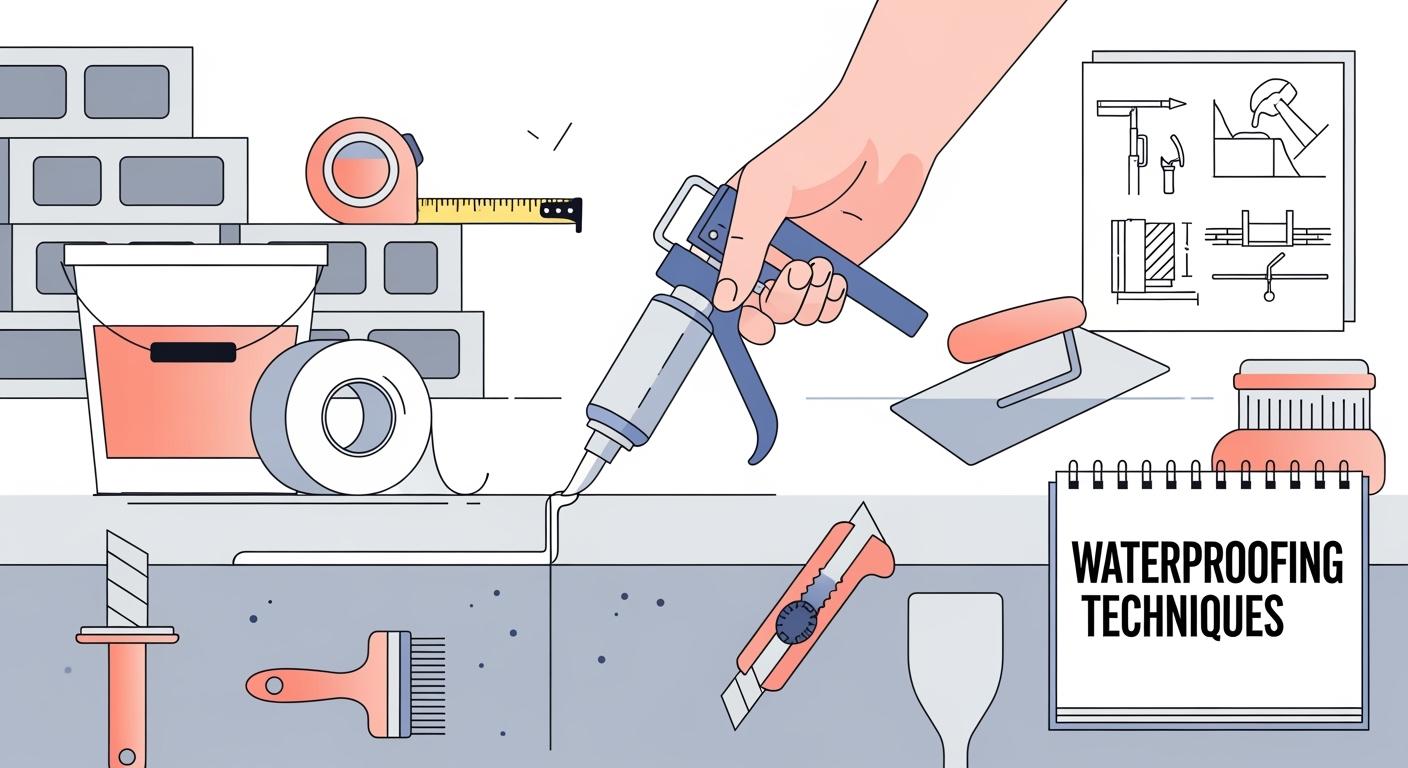
Waterproofing concrete is crucial for any construction project, and utilizing concrete waterproofing products can make a significant difference. Without proper waterproofing, you risk serious issues like water damage, which can lead to costly repairs. For example, some homeowners have faced repair costs exceeding $20,000 due to minor leaks that escalated. It’s essential to inspect and fill cracks and gaps early to avoid such expenses. In this post, we’ll explore various waterproofing solutions, including top-notch concrete waterproofing products, that will help protect your concrete structures.
Key Takeaways
Waterproofing concrete is essential to prevent costly water damage. Early inspection and repair of cracks can save you thousands in repairs.
Choose the right waterproofing method for your project. Surface solutions like sealers enhance aesthetics, while integral methods provide long-lasting protection.
Implement proper grading techniques and moisture vapor barriers to direct water away from foundations. This helps maintain the integrity and longevity of your concrete structures.
Surface Solutions
When it comes to waterproofing concrete, surface solutions play a vital role. These treatments create barriers that prevent water from penetrating the concrete, ensuring the longevity and durability of your structures. Let’s dive into two primary categories: sealers and coatings, and membrane systems.
Sealers and Coatings
Sealers and coatings are among the most popular methods for protecting concrete surfaces. They form a protective layer that keeps moisture out while allowing the concrete to breathe. Here are some common types of sealers and their benefits:
Acrylic-Based Sealers: These are easy to apply and provide a glossy finish that enhances the appearance of concrete. They are ideal for decorative surfaces and offer good water resistance. However, they may require more frequent reapplication compared to other options.
Epoxy Sealers: Known for their superior durability, epoxy sealers are perfect for high-traffic areas. They create a hard, protective layer that resists water absorption and damage. While they are more expensive upfront, their longevity can lead to lower maintenance costs over time.
Cementitious Waterproofing: This method involves using cement-based coatings to create a waterproof barrier. It’s particularly effective for foundations and areas exposed to moisture due to its durability and ease of application.
Film-Forming Sealers: These sealers, including acrylic and epoxy types, create a protective layer while enhancing aesthetics. They are effective in preventing water penetration and can improve the overall look of your concrete surfaces.
Here’s a quick comparison of acrylic and epoxy sealers:
Sealer Type | Durability | Water Resistance |
|---|---|---|
Acrylic Sealers | Less durable, frequent reapplication | Higher capillary absorption |
Epoxy Sealers | Superior durability, suitable for high-traffic areas | Negligible water absorption |
Membrane Systems
Membrane systems are another effective waterproofing solution. They provide a seamless barrier that protects concrete from water intrusion. Here are some common types of membrane systems:
Self-Adhesive Modified Bituminous Membrane: This type is composed of asphalt and polymers, often reinforced with fiberglass. It’s easy to install and provides excellent waterproofing.
Polyurethane Membrane: Known for its flexibility and durability, this membrane forms a seamless waterproof barrier. It’s suitable for various applications, including roofs and balconies.
EPDM Membrane: Made from rubber, this preformed elastomeric membrane is known for its high tensile strength and weather resistance. It’s ideal for outdoor applications.
Thermoplastic Membrane: This blend of polypropylene and ethylene-propylene is often reinforced with polyester for enhanced properties. It’s effective in various environments.
While membrane systems offer excellent protection, installation can be challenging. Proper thickness is crucial, and environmental conditions can impact performance. For instance, high humidity can interfere with adhesion, while low temperatures can prolong cure times.
Integral Methods
When it comes to waterproofing concrete, integral methods offer a unique approach. These techniques involve adding specific materials directly into the concrete mix, enhancing its ability to resist water penetration from the inside out. Let’s explore how additives can transform your concrete and the benefits they bring.
Additives for Concrete Mix
Additives play a crucial role in improving the waterproofing capabilities of concrete. They can significantly enhance the performance of your concrete mix. Here are some popular additives you might consider:
Additive Name | Functionality |
|---|---|
Hydroxypropyl Methyl Cellulose (HPMC) | Enhances durability and flexibility in waterproof construction materials. |
Redispersible Polymer Powder (RDP) | Improves the waterproofing capabilities of standard mortar. |
PCE Superplasticizers | Increases workability and reduces water content in concrete mixes. |
ADI-CON CW PLUS | Crystalline waterproofing admixture that reduces permeability and enhances water resistance. |
Hydrophobic agents are particularly noteworthy. These additives work by chemically interacting with the cement in the presence of water. This reaction increases the density of calcium silicate hydrates, effectively blocking pores and microcracks. As a result, the concrete becomes more watertight.
Moreover, crystalline admixtures can even provide self-healing properties. When microcracks form, these agents can react with moisture to fill the gaps, further reducing water permeability. This means that your concrete not only resists water but can also repair itself over time!
Benefits of Integral Solutions
So, why should you consider integral waterproofing solutions? Here are some compelling reasons:
Permanent Protection: Unlike surface-applied methods, integral solutions offer long-lasting protection. They become part of the concrete matrix, which means they won’t peel or wear away over time. This leads to fewer maintenance needs and lower repair costs.
Enhanced Durability: Integral waterproofing methods improve the overall durability of concrete structures. They create barriers against moisture, protecting both the concrete and any reinforcement from corrosion. This can extend the service life of your structures by 20 to 40 years!
Cost-Effectiveness: While the initial investment might be higher, the long-term savings are significant. Integral solutions can reduce lifecycle repair and remediation costs by 35% to 50% compared to traditional methods.
Environmental Benefits: Using chemical additives in concrete can also have positive environmental impacts. For instance, they can reduce the need for petroleum-derived polymer-based surface membranes, which are often difficult to recycle. This contributes to a lower carbon footprint and supports sustainability efforts.
Drainage and Barriers
Effective drainage and barriers are essential for preventing water damage in concrete structures. Proper grading techniques help direct water away from foundations, reducing the risk of moisture issues. Here are some key points to consider:
Proper Grading Techniques
Grading is all about creating slopes that guide water away from your concrete. This practice is crucial for maintaining the integrity of your structures. Here’s why proper grading matters:
It prevents water from saturating the soil around foundations.
It creates effective slopes that manage water flow, reducing the risk of waterlogging.
Grading contributes to the longevity of concrete by protecting it from erosion.
For optimal drainage, aim for a slope of 1/4 inch per foot (2%) away from the foundation. In dryer climates, a gentler slope of 1/8 inch per foot (1%) may suffice, while wetter areas might require a steeper slope of up to 3/8 inch per foot.
Moisture Vapor Barriers
Moisture vapor barriers are another critical component in waterproofing. They help control the movement of water vapor from the ground into your building, which is vital for maintaining indoor air quality. Here’s what you need to know about these barriers:
They reduce humidity levels, preventing mold growth.
Effective barriers keep ground moisture from affecting the interior environment.
Heavy-grade options like Polyguard offer durability and puncture resistance, ensuring long-lasting performance.
When installing a moisture barrier, ensure seams are overlapped and sealed properly. This prevents any potential leaks that could compromise the effectiveness of your waterproof barrier.
By combining proper grading with high-quality moisture vapor barriers, you can significantly enhance the waterproofing of your concrete structures.
In summary, effective waterproofing techniques like surface solutions, integral methods, and drainage systems are vital for concrete longevity. Consider factors like project location, structure type, and budget when choosing a method. Proper waterproofing not only protects your investment but also enhances durability, reducing long-term costs. 🌧️💧
FAQ
What is the best waterproofing method for concrete?
The best method depends on your project. Surface solutions work well for aesthetics, while integral methods offer long-lasting protection.
How often should I reapply sealers?
Reapplication frequency varies. Acrylic sealers may need every 1-3 years, while epoxy sealers can last up to 10 years with proper care.
Can I waterproof existing concrete?
Yes! You can apply sealers or coatings to existing concrete. Ensure the surface is clean and free of cracks for best results.
See Also
Comprehensive Strategies for Effective Concrete Waterproofing Solutions
DIY Techniques for Successfully Waterproofing Your Basement
Selecting Ideal Concrete Densifiers, Hardeners, and Sealers for 2025
Expert Techniques for Applying Waterproof Coatings on Surfaces
Understanding Cementitious Waterproofing Slurry and Its 2025 Applications
