

Concrete densifiers are essential products that enhance the durability of concrete surfaces. They work by transforming weaker, porous materials into a hard, binding product. This process not only improves the surface hardness but also helps maintain polished finishes longer. As you explore concrete options for your projects, understanding the role of concrete densifiers can significantly impact your results.
Key Takeaways
Concrete densifiers enhance durability by reacting with concrete components, leading to a stronger, less porous surface.
Using densifiers can increase surface hardness by 20-40%, making concrete more resistant to wear and extending its lifespan.
Follow best practices for application, including proper surface preparation and timing, to maximize the effectiveness of concrete densifiers.
Concrete Densifiers Defined
Concrete densifiers are specialized chemical products designed to enhance the properties of concrete surfaces. They primarily consist of silicates, which react with the components of concrete to improve its strength and durability. Understanding the composition and types of concrete densifiers can help you choose the right product for your project.
Composition and Types
Concrete densifiers typically contain various silicate compounds. Here’s a quick overview of the main chemical components found in these products:
Chemical Component | Description |
|---|---|
Sodium Silicate | A common densifier that enhances concrete durability. |
Potassium Silicate | Used for its reactive properties in densification. |
Lithium Silicate | Known for its effectiveness in concrete densifiers. |
Colloidal Silica | Helps in filling the microscopic pores in concrete. |
These components work together to create a denser, more resilient concrete surface. You can find different types of concrete densifiers on the market, each tailored for specific applications. Here’s a breakdown of some common types:
Product Type | Application/End-Use |
|---|---|
Lithium Silicate Densifiers | Ideal for industrial flooring |
Sodium Silicate Densifiers | Perfect for commercial retail spaces |
Potassium Silicate Densifiers | Best for warehouse and logistics centers |
Colloidal Silica | Great for automotive showrooms |
How They Work
Concrete densifiers work through a chemical reaction with the concrete matrix. When you apply a silicate densifier, it penetrates the surface and reacts with free calcium hydroxide present in the concrete. This reaction forms additional calcium silicate hydrate (C-S-H) gel, which is crucial for increasing the density and hardness of the concrete surface.
The process can be summarized as follows:
Silicate ions react with free calcium hydroxide.
This reaction leads to the formation of C-S-H gel.
The result is a stronger, more durable concrete surface.
For instance, when you use lithium silicate densifiers, they create an insoluble inorganic gel that fills the pores in concrete. This not only enhances hardness but also reduces water permeability, making your concrete more resistant to damage from moisture.
By understanding the composition and functionality of concrete densifiers, you can make informed decisions that will enhance the longevity and performance of your concrete surfaces.
Benefits of Concrete Densifiers
Concrete densifiers offer a range of benefits that can significantly enhance the performance and longevity of your concrete surfaces. By understanding these advantages, you can make informed decisions for your projects.
Increased Durability
One of the standout benefits of using concrete densifiers is the increased durability they provide. When you apply a densifier, it reacts with the concrete’s components, particularly calcium hydroxide. This reaction produces additional calcium silicate hydrate (C-S-H), which is essential for strengthening the concrete. As a result, you get a surface that is not only harder but also less porous.
Scientific studies support this claim. For instance, tests show that lithium silicate densifiers can reduce water permeability significantly. Treated samples outperform untreated ones, confirming their role in enhancing concrete durability. In fact, samples treated with lithium densifiers demonstrated a remarkable 20% reduction in water absorption after a 24-hour water permeability test. This means your concrete surfaces will resist moisture damage better, leading to a longer lifespan.
Moreover, densifiers help prevent dusting, a common issue with untreated concrete. Without densifiers, concrete floors tend to break down, leading to increased dust in industrial environments. By making the surface less porous, densifiers significantly reduce dust generation, creating a cleaner and more maintainable environment. This is especially beneficial in settings like warehouses and factories, where dust can interfere with operations.
Enhanced Surface Hardness
Another key benefit of concrete densifiers is the enhancement of surface hardness. When you apply a densifier, it can increase the hardness of concrete by 20-40% on the Mohs scale. This improvement means your concrete surfaces become more resistant to wear and tear, making them ideal for high-traffic areas.
To illustrate, a table summarizing the improvements in surface hardness after using concrete densifiers might look like this:
Improvement Type | Measurement |
|---|---|
Hardness Increase | 20-40% increase on Mohs scale from 3-4 to 7-9 |
Porosity Reduction | 20-40% reduction in porosity |
Efflorescence Decrease | Decrease by binding excess calcium hydroxide |
This increase in hardness not only enhances the aesthetic appeal of your concrete but also extends its service life. Densifiers can help your concrete last 20-30 years longer compared to untreated surfaces. This longevity translates to lower maintenance costs and fewer repairs over time.
Applying Concrete Densifiers
Application Process
Applying concrete densifiers is straightforward, but you need to follow specific steps for the best results. Here’s a quick guide:
Surface Preparation: Clean the concrete surface thoroughly. Remove any dust, oils, or curing compounds. This step is crucial for effective penetration.
Timing:
For new concrete, apply the densifier as soon as you can walk on it or after the frames are removed.
For existing concrete, wait at least 4-7 days after hydration is complete before applying.
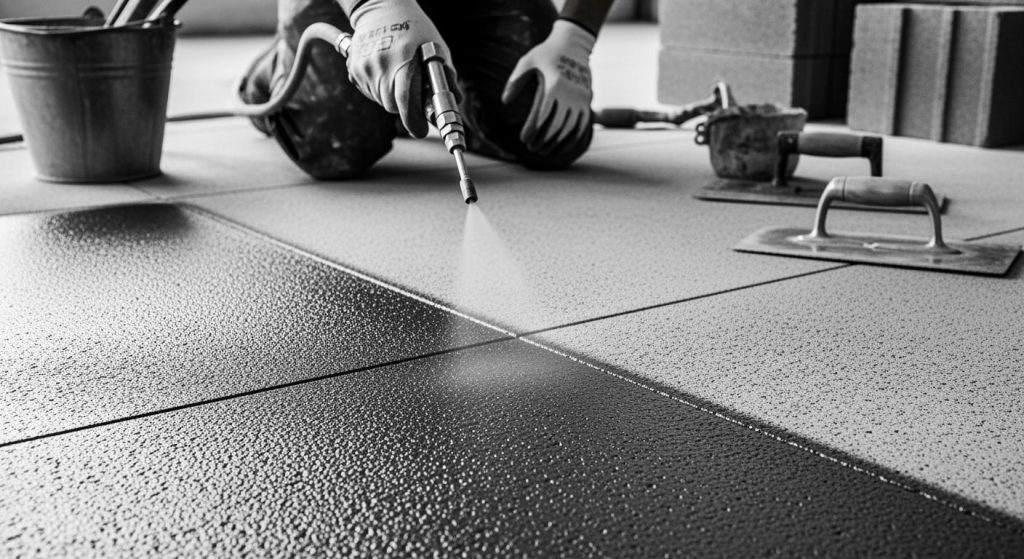
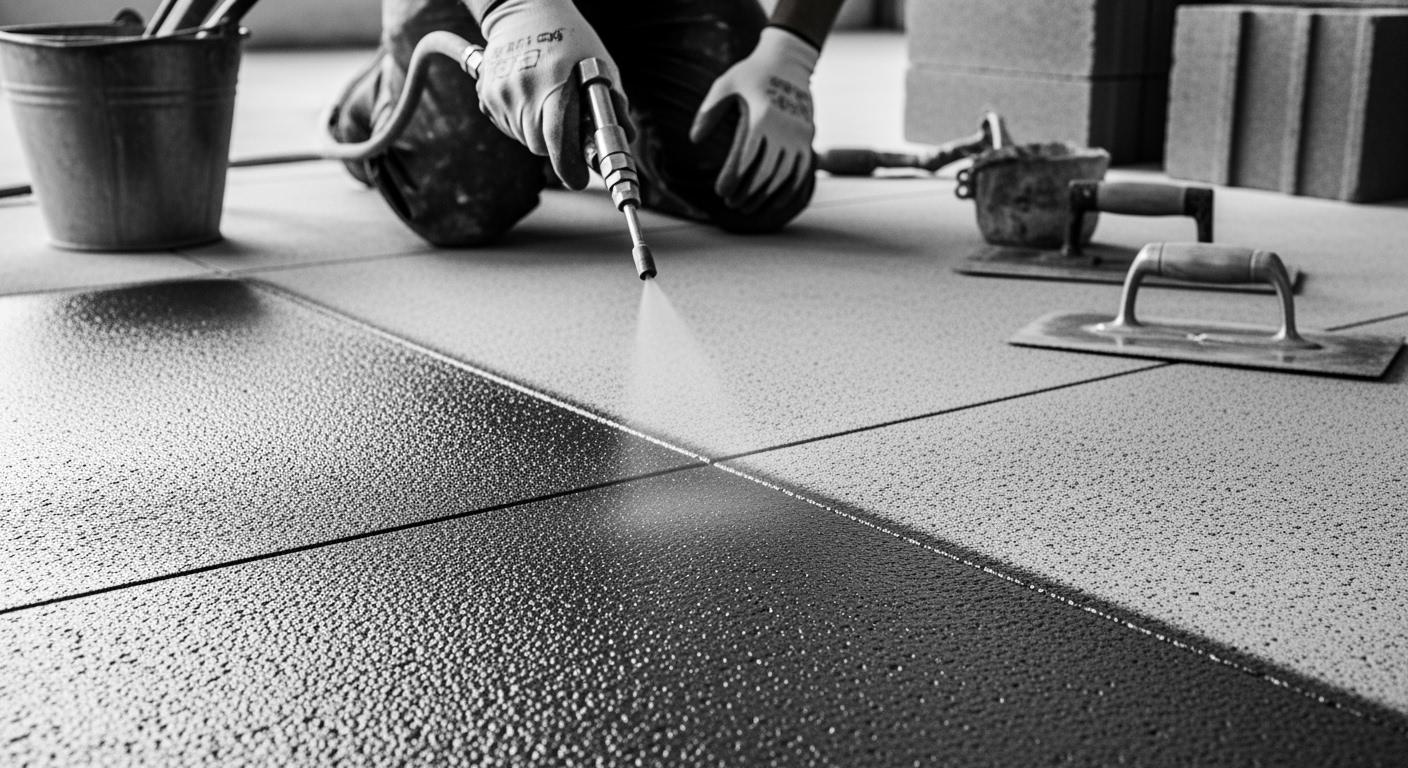
Application Method: Use a low-pressure sprayer or roller to ensure even coverage. Aim for a consistent application to avoid blotchy results.
Dwell Time: Allow the densifier to sit for 15-60 minutes. This time lets it react with the concrete before you scrub it into the surface.
Surface Type | Preparation Steps | Application Timing |
|---|---|---|
New Concrete | No special preparation required. | Apply as soon as you can walk on it or after frames are removed. |
Existing Concrete | Clean and strip old coatings (sealers, paint). | Wait at least 4-7 days for hydration to complete before applying densifier for optimal results. |
Best Practices
To maximize the effectiveness of your densifier, keep these best practices in mind:
Consistent Application: Ensure uniform coverage to avoid uneven results. Use a high-quality sprayer or microfiber applicator.
Environmental Conditions: Apply the densifier in optimal conditions. Avoid high humidity or extreme temperatures, which can affect penetration.
Curing Time: Allow the densifier to cure for 24 to 72 hours before allowing foot or vehicle traffic. For instance, light foot traffic is okay immediately after burnishing, but vehicle traffic should wait 72 hours.
By following these steps and best practices, you can effectively densify concrete surfaces, enhancing their durability and longevity.
Concrete densifiers play a vital role in enhancing the durability and performance of concrete surfaces. They increase surface hardness, reduce dusting, and improve longevity. As you plan your future projects, consider the benefits of using concrete densifiers. They not only support sustainability goals but also align with modern construction trends.
Remember, choosing the right densifier can make all the difference in your concrete’s performance!
FAQ
What is the best time to apply a concrete densifier?
You should apply a densifier to new concrete as soon as you can walk on it, or after 4-7 days for existing concrete.
Can I use densifiers on all types of concrete?
Yes, densifiers work well on most concrete types, including polished, stamped, and plain concrete surfaces.
How long does it take for a densifier to cure?
Typically, a densifier cures within 24 to 72 hours, depending on environmental conditions and the product used.
See Also
Understanding Concrete Densifiers: Their Function and Mechanism
Exploring Concrete Densifiers, Hardeners, Sealers, and Their Functions
Concrete Densifiers Versus Hardeners: Key Differences Explained
BANDě Concrete Densifier: Definition and Operational Insights
