

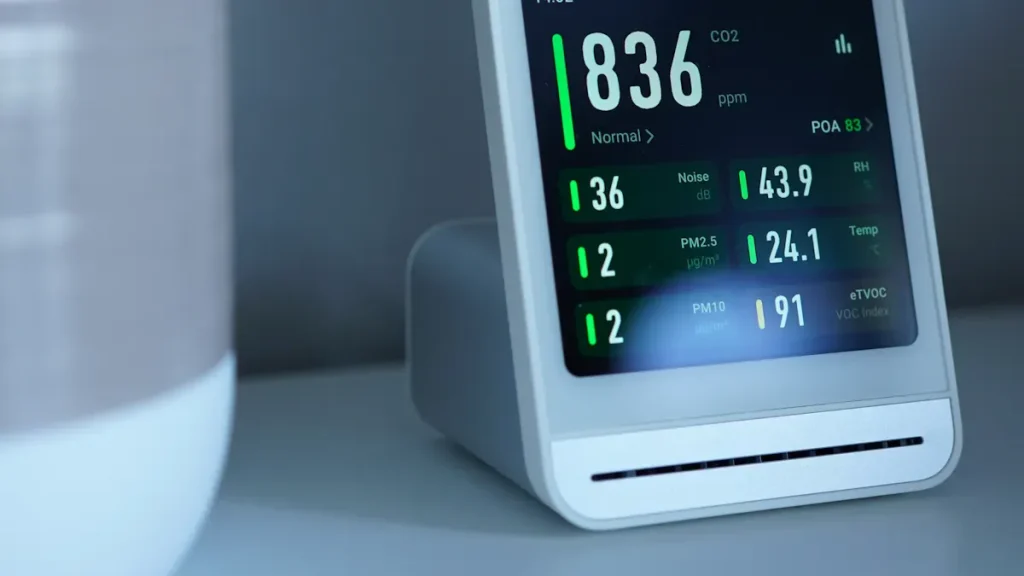
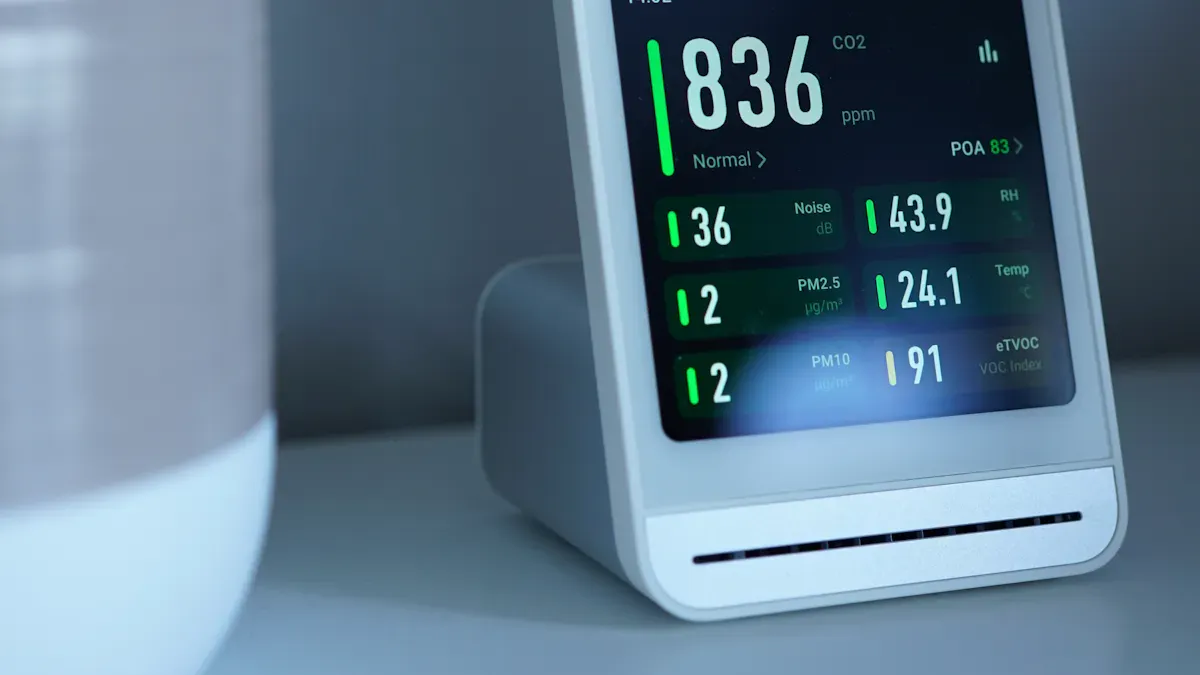
Air purifying paint is a new product that helps clean indoor air. This paint breaks down harmful pollutants. It changes them into safer substances. Clean air is very important for your health. Bad indoor air can affect you more than you know. For example, about 2.4 billion people use wood and coal for cooking. This can cause serious health problems. The World Health Organization says that 3.8 million people die each year from indoor air pollution. Using air purifying technologies, like air purifying paint, can help make your home healthier for you and your family.
Key Takeaways
Air purifying paint makes indoor air better. It changes harmful pollutants into safer things.
CO2 absorbing paints lower carbon dioxide levels inside. This makes your home healthier.
Photocatalytic paints use light to start chemical reactions. These reactions clean the air from VOCs.
Using air purifying paint can greatly cut indoor air pollution. This leads to better health for you and your family.
Buying air purifying paint may cost more at first. But it gives long-term health benefits and makes your home better.
Types of Air Purifying Paint
Air purifying paint comes in different kinds. Each type helps with specific indoor air problems. Two main types are CO2 absorbing paints and photocatalytic paints.
CO2 Absorbing Paints
CO2 absorbing paints use a method called carbonation. As these paints dry, they take in carbon dioxide from the air. This change turns carbon dioxide back into calcium carbonate. It helps lower indoor CO2 levels. This is great for places where air quality matters. By using CO2 absorbing lime paints, you can help make the indoor air healthier.
Photocatalytic Paints
Photocatalytic paints have ingredients like titanium dioxide. When light hits these paints, they start a chemical reaction. This reaction breaks down harmful pollutants. It includes things like volatile organic compounds (VOCs) and formaldehyde. This process cleans the air and lowers these harmful substances over time. Studies show that photocatalytic technology can break down many pollutants. This makes it a good choice for better indoor air quality.
These paints are very helpful in areas with poor ventilation. VOCs often build up in these spots. By using photocatalytic paints in your home, you can fight indoor air pollution. This improves the air quality in your living space.
Both types of air purifying paint help with VOCs. VOCs can come from household products and add to indoor air pollution. These paints help lessen the effects of VOCs. This keeps your home a safe and healthy place.
How Air Purifying Technology Works
Air purifying technology uses special chemical processes to clean the air in your home. Knowing how these processes work helps you see how air purifying paint can make indoor air better.
Chemical Processes
Many chemical agents work together in air purifying paints. They help break down harmful pollutants. Here’s a table that shows some of these agents and what they do:
Chemical Agent | Function/Reaction Description |
|---|---|
Sodium Bicarbonate | Helps absorb bad smells. |
Zeolite | Takes in and releases VOCs and cuts down odors. |
Activated Carbon | Works as an odor absorber. |
Cyclodextrin | Helps neutralize bad smells. |
Nano-Titanium Dioxide | Breaks down odors when UV light shines on it. |
Zinc Oxide | Helps break down VOCs when exposed to UV light. |
Hydroxyl Radicals | Made during the process, these radicals break down VOCs. |
Undecylenic Acid | Helps neutralize bad smells. |
Chloramine-T | Works as an odor neutralizer. |
Zinc Ricinoleate | Helps neutralize bad smells. |
These agents work together to lower indoor air pollution. For example, titanium dioxide (TiO2) is important as a photocatalyst. When it gets sunlight, it changes harmful nitrogen oxides (NOx) into safer nitrates. This is very helpful in cities where car emissions cause air pollution.
Light Activation
Light activation is another important part of how air purifying technology works. Here’s what happens:
This energy activates the coating, which has titanium dioxide.
The activation creates strong hydroxyl radicals that break down pollutants.
When titanium dioxide gets light, it starts a chemical reaction on its surface. This reaction releases electrons, making positive holes in the catalyst. Hydroxyl ions from water vapor react with these holes, creating hydroxyl free radicals. These radicals are strong oxidizers that can change organic pollutants into carbon dioxide and water.
Hydroxyl free radicals break down tough organic molecules.
The process turns pollutants into safe products like CO2 and water.
The reaction speeds up the breakdown of airborne contaminants.
By learning about these processes, you can understand how air purifying technology cleans the air in your home. Using anti-pollution paint not only makes your space better but also helps create a healthier environment.
Common Indoor Air Pollutants
Indoor air pollution can come from many places. Knowing where these pollutants come from helps you see risks in your home. Here are some common sources of indoor air pollution:
Particulate Matter (PM): Made by cooking and burning candles.
Volatile Organic Compounds (VOCs): Released from products like paints, cleaners, and air fresheners.
Carbon Monoxide (CO): Comes from burning fuel, often found in garages or near heaters.
Carbon Dioxide (CO2): Increases from activities like breathing and cooking.
Radon: A gas that comes from the ground into homes, especially in basements.
Mold: Grows in wet areas and can release spores that harm air quality.
Dander and Dust Mites: Tiny materials and organisms that can cause allergies.
These pollutants can hurt your health. The table below shows the short-term and long-term health effects of these indoor air pollutants:
Health Impact Type | Short-Term Effects | Long-Term Effects |
|---|---|---|
Symptoms | Headaches, irritation in eyes, nose, and throat, dizziness, tiredness | Breathing problems, heart disease, cancer |
Specific Conditions | Asthma, hypersensitivity pneumonitis | Chronic obstructive pulmonary disease (COPD), stroke |
Severe Effects | N/A | Effects on the central nervous system, reproductive system |
You should know about these health effects. Short-term exposure can cause discomfort and irritation. Long-term exposure can lead to serious health problems, like breathing issues and even cancer.
By learning about the sources and health effects of indoor air pollution, you can improve your indoor air quality. Using air purifying paint is one good way to fight these pollutants and make your home healthier.
Effectiveness of Air Purifying Paint
Research Findings
Recent studies show that air purifying paint can really help indoor air quality. Here are some important findings:
In 2022, Greystar used Graphenstone Ambient Pro+ in 1,000 student rooms in London. This saved a total of 21 tonnes of carbon compared to regular paint brands.
As the paint dried, it took in another 2.5 tonnes of CO2. This shows how well it lowers carbon levels indoors.
The paint cleans the air by removing toxins all the time when it gets natural light. This makes it a great choice for homes with lots of sunlight.
Also, air purifying paints often have certifications that show they work well:
Certified Gold by the Cradle to Cradle Institute.
Global Green Tag certification.
Eurofins Indoor Air Comfort Gold certification.
These certifications guarantee that the paint is safe and works well.
User Experiences
Many users say good things after using air purifying paint in their homes. Here are some common benefits they notice:
Users see a big drop in volatile organic compound (VOC) levels from things like carpets and fabrics. This change leads to fresher air and a nicer living space.
In the first 30-60 days after applying, the paint absorbs about 5 kg of CO2 per 15L pot. This quick absorption helps make the indoor air healthier fast.
People like that air purifying paint does two jobs. It makes their walls look nice and also cleans the air. Many families feel more comfortable and healthier at home after using these paints.
Recommended Air Purifying Paint Products
Top Brands
When picking air purifying paint, check out these top brands. They are known for being effective and high quality:
Clare: Offers premium zero VOC paint that improves indoor air.
Benjamin Moore: Known for its Natura line, which is eco-friendly and has low emissions.
AFM Safecoat: Specializes in zero-VOC paints that are safe for sensitive areas.
BANDě: Features the Negative Oxygen Ion Inorganic Art Coating. It cleans the air while looking great.
Product Features
Knowing the features of these products can help you choose wisely. Here’s a comparison of air purifying paint features and regular paint:
Feature | Oxygen Coating | Regular Paint |
|---|---|---|
Air Purification | Actively removes airborne bacteria, mold spores, and pollutants | Does not clean the air |
VOC Emissions | Zero or very low VOCs | Releases harmful fumes |
Antimicrobial Properties | Made to fight mold and bacteria | Does not have antimicrobial properties |
Odor | Almost odor-free | Gives off strong smells |
Cost-Effectiveness | Lasts longer, needs fewer repaints | Needs more frequent repaints |
The BANDě Negative Oxygen Ion Inorganic Art Coating is special because it releases negative ions. This helps neutralize airborne pollutants and allergens, making the indoor air healthier. It works well in homes and businesses.
Also, many air purifying paints have strict environmental certifications. Here are some important ones:
Green Promise® Certified: Ensures products meet high environmental standards.
Green Seal® Certified: Guarantees safety and sustainability.
LEED® Credits: Helps projects get green building certifications.
Cradle to Cradle Certification: Focuses on sustainable product design.
Greenguard Gold Certified: Tests for over 1,000 chemicals and VOC emissions.
By choosing air purifying paints with these features and certifications, you can greatly improve your indoor air quality and help the environment.
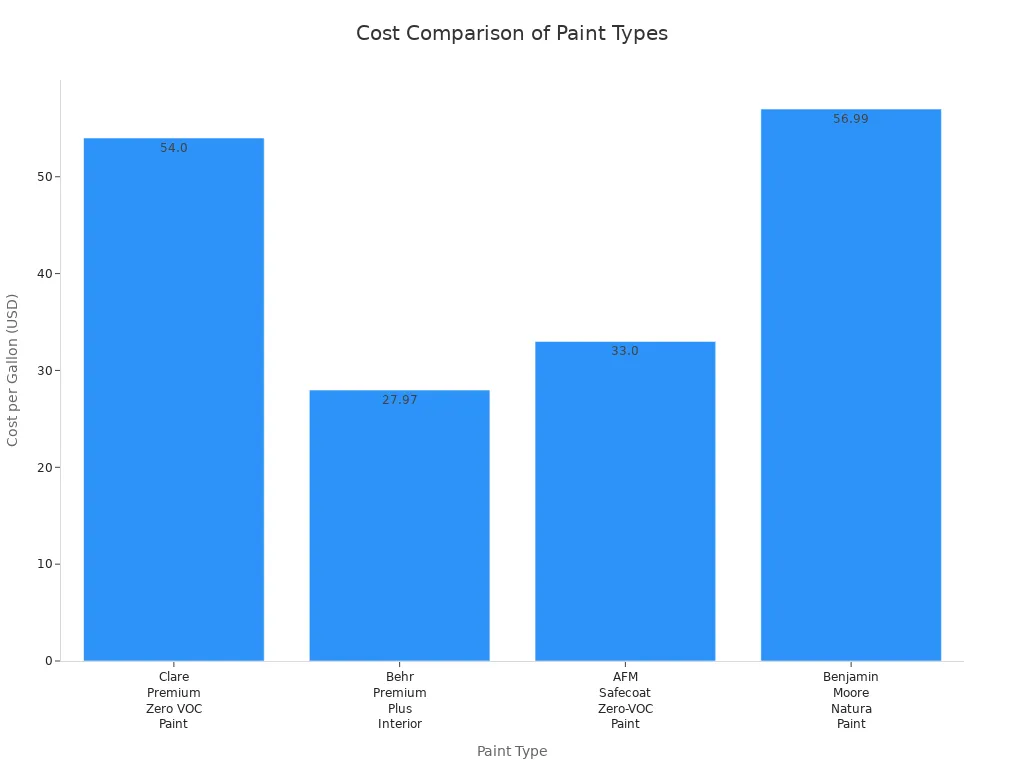
Cost Comparison
Here’s a quick look at the average costs of air purifying paints compared to regular options:
Paint Type | Cost per Gallon |
|---|---|
Clare Premium Zero VOC Paint | $54.00 |
Behr Premium Plus Interior Paint | $27.97 |
AFM Safecoat Zero-VOC Paint | $33.00 |
Benjamin Moore Natura Paint | $56.99 |
Buying air purifying paint may cost more at first, but the long-term benefits for your health and home make it worth it.
Using air purifying paint has many benefits for your home. Here are some important advantages:
Benefit/Application | Description |
|---|---|
The paint traps emissions from cars, which helps lower air pollution. | |
Health Protection | By reducing air pollutants, it helps people stay healthier. |
Versatile Applications | The paint can be used in different forms like outdoor paints, fine art paints, and graffiti inks. |
Long-lasting Quality | These products are made to be strong and feel like permanent markers. |
Efficient Production | The project has made a lot of paint from captured pollution, showing how efficient it is. |
Think about using air purifying paint in your home. It can greatly improve your indoor air quality. As more people care about the environment, now is a great time to make a change.
The air purifying paint market is expected to grow by 7.1% from 2026 to 2033.
More rules and awareness about VOCs are helping this growth.
By picking air purifying paint, you are investing in a healthier home for you and your family.
FAQ
What is air purifying paint?
Air purifying paint is a special kind of paint. It helps clean the air inside your home. This paint breaks down harmful pollutants into safer materials. This makes the air quality better.
How long does air purifying paint last?
Air purifying paint can last for several years. This depends on the brand and how you apply it. Doing regular maintenance and touch-ups can help keep it working well.
Can I use air purifying paint outdoors?
Yes, some air purifying paints can be used outside. Check the product details to make sure it is strong enough for outdoor use and can purify the air.
Is air purifying paint safe for children and pets?
Most air purifying paints have low VOCs. They are safe for kids and pets. Always look at the label for safety certifications before using it.
How do I apply air purifying paint?
You can apply air purifying paint just like regular paint. Use a brush, roller, or sprayer. Make sure the surface is clean and dry for the best results.
See Also
Discovering Inorganic Anion Wall Paints for Healthier Homes
Understanding Inorganic Anion Wall Paints: A Scientific Overview
Exploring Inorganic Anti-Alkali Primers for Durable Finishes
