

Repairing damaged concrete surfaces is very important, especially when it comes to setting concrete patch effectively. It helps keep things safe and looking good. You might see common problems like cracks, holes, and uneven areas. These issues can make the structure weak. Good patch setting techniques fix these problems well and ensure that repairs last a long time. Factors like weather, bad installation, and chemicals can cause damage. To get good results, you need to prepare, apply, and finish the setting concrete patch properly.
Key Takeaways
Clean the damaged concrete well before patching. This helps it stick better and last longer.
Pick the right patching material for the damage and weather. This makes the repairs strong and long-lasting.
Mix the concrete patching compound the right way. Follow the suggested amounts of water and materials to avoid weak spots.
Apply the patch carefully. Make sure it is smooth and sticks well. Use the right tools for the best results.
Cure the patch correctly by keeping it wet and safe from bad weather. This makes the repair stronger and stops future damage.
Repair Preparation
Cleaning Damaged Concrete
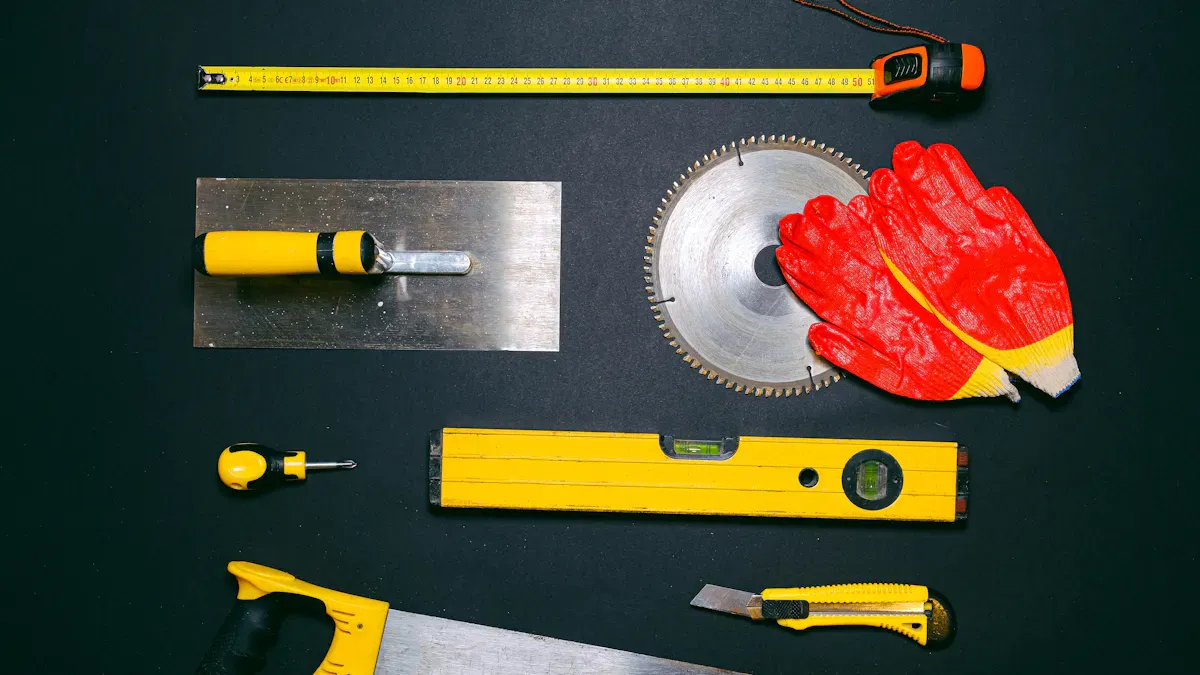
Before patching, you must clean the damaged concrete. A clean surface helps the patch stick better and last longer. Follow these steps to clean effectively:
Wear Personal Protective Equipment (PPE): Always wear gloves, safety goggles, and a dust mask. This keeps you safe from dust and debris.
Remove Loose Debris: Use a wire or masonry brush to scrub the area. This gets rid of dirt, dust, and loose concrete.
Roughen the Surface: Use a wire brush or grinder to make the surface rough. This helps the patching material bond better.
Wet the Area: Lightly wet the surface before putting on the patch. This helps the patch stick well.
Tip: If you find oil or grease, use a poultice made from baking soda and water. Cover it with plastic wrap and let it sit for 24 hours before rinsing.
Product Selection
Choosing the right product for your concrete repair is very important. Different damage needs different solutions. Here are some things to think about when picking a patching material:
Performance Requirements: Look for strength, flexibility, and permeability.
Structural Demands: Think about the stresses the repaired area will face.
Environmental Conditions: Consider exposure to moisture, chemicals, and extreme temperatures.
Installation Constraints: Check site conditions that may affect application, like temperature and humidity.
Placement Methods: Know the techniques for application and how they affect material choice.
Workability and Curing: Make sure the material has the right flow, setting time, and bonding features.
Cause Mitigation: Find and fix the reasons for the damage.
For good repairs, try using BANDě Concrete Patching Compound. This product sticks well and lasts long, making it great for many uses. It works for both small cracks and bigger surface repairs. Follow the manufacturer’s instructions for mixing and applying to get the best results.
Note: Avoid common mistakes like skipping surface preparation or using the wrong repair material. These mistakes can cause weak bonding and early failure of your repair.
Setting Concrete Patch
Mixing Techniques
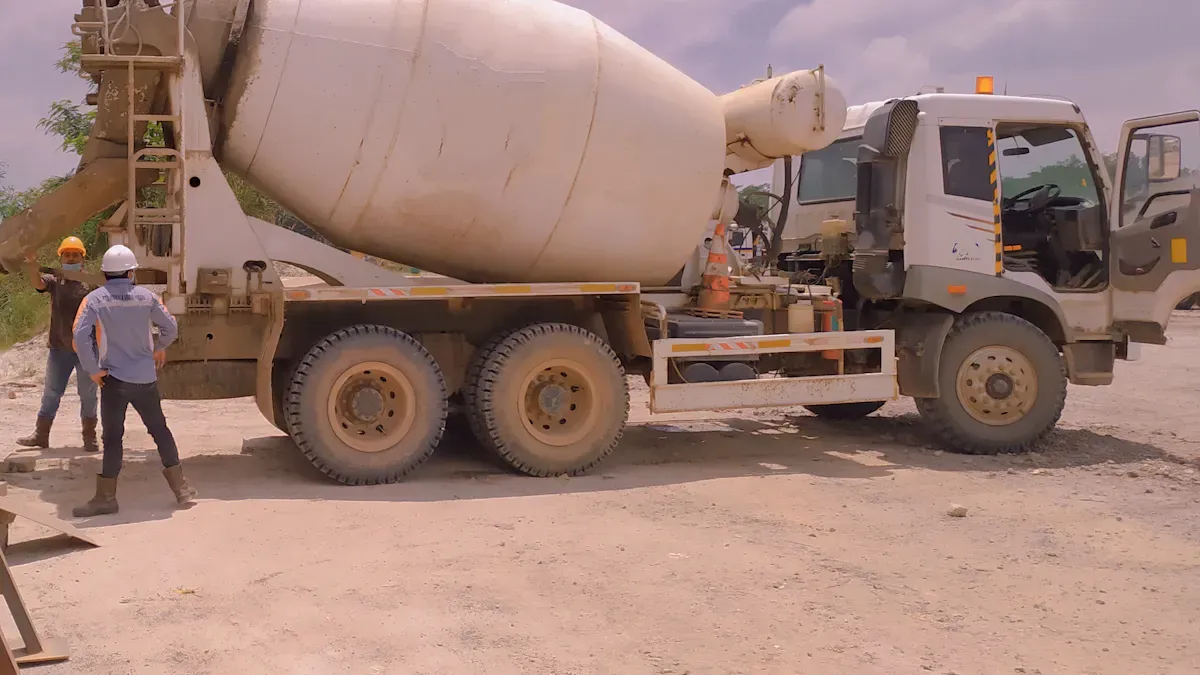
Mixing your concrete patching compound the right way is very important. It helps make your patch strong and last long. Here are some best practices for a good mix:
Use the Right Mix Ratio: Mix one part cement, two parts sand, and four parts gravel. This mix gives a strong base for your patch.
Maintain Water-to-Cement Ratio: Keep the water-to-cement ratio between 0.45 and 0.6. This balance helps with hydration and stops weak spots in your patch.
Quality Materials: Always use good materials. Mixing well helps avoid weak areas that can cause early failure.
When mixing, aim for these points:
Use 3.5 to 4 quarts of clean water per bag for the right consistency.
Mix for about three minutes until it is smooth and lump-free.
Don’t mix more than you can use in 8 to 12 minutes. This keeps the patch workable.
Application Methods
Applying your concrete patch the right way is just as important as mixing. Here’s a step-by-step guide to help you get a strong bond and a smooth finish:
Repair or Replace?: First, check if the concrete is strong enough. If it is badly damaged, think about replacing it instead of patching.
Prepare the Surface: Take away all loose materials and clean the area well. A clean surface helps with better sticking.
Choose a Bonding Method: Pick between mechanical and chemical bonding methods. Mechanical bonding means roughening the surface, while chemical bonding uses adhesives.
Wet the Surface (if necessary): Lightly spray the surface with water to keep moisture during application.
Apply the Patch: Use a trowel or putty knife to spread the patching compound evenly over the damaged area. Make sure to fill all gaps and smooth the surface.
Check Your Work: After 24 hours, tap the patch gently to see if it feels solid. If it feels firm, you’ve done a great job!
Using the right tools can also improve your repair quality. Here’s a quick list of important tools:
Tool | Purpose |
|---|---|
Multisurface Grinders | Remove damaged or loose concrete before applying patching material. |
Concrete Mixers | Create a smooth and consistent mixture for patching products. |
Crack Repair Kits | Contain necessary materials to effectively repair and fill cracks. |
By following these mixing and application techniques, you can make sure your setting concrete patch will be strong and last a long time.
Repairing Broken Concrete Edges
Edge Repair Steps
Fixing broken concrete edges needs careful work. Follow these steps to make sure your repair is strong and lasts a long time:
Assess Damage: First, check how bad the damage is. Look for cracks, holes, or chips.
Prepare the Surface: Clean the area well. Get rid of loose concrete and debris. If needed, undercut the edges to make a rough surface for better sticking.
Use a Bonding Agent: Put on a bonding agent to help it stick. This step is very important for good repairs.
Fill the Area: Use a flat trowel against the vertical edge. Fill the area with a repair mix using a margin trowel or your hand. Rod the material to get rid of air bubbles for a strong bond.
Smooth the Surface: Make sure the repair area is filled to the top without going over. Smooth the top of the patch with another flat trowel.
Set the Form: Hold the form trowel in place for about five minutes to let the material set. Carefully take off the form trowel to avoid tearing the patch.
Finish the Repair: Think about skim-coating with a product like Sakrete Top ‘N Bond for a smooth finish. Use a brush or broom to match the patch with the old concrete.
Curing and Finishing
Curing properly is very important for your repair to last. It helps the concrete get strong and durable. Here are some key points to remember:
Keep the Area Moist: After putting on the patch, keep it wet for several days. This stops the surface from drying out too fast.
Avoid Extreme Conditions: Protect the repair from bad weather, like direct sunlight or heavy rain, while it cures.
Use Sealants: After curing, put on a sealant like Sakrete Cure ‘N Seal. This keeps the patch safe from future damage and makes it last longer.
Not curing properly can weaken the top layers of concrete. It raises the chance of spalling and makes the repair more likely to get damaged by the environment. By following these steps for fixing broken concrete edges, you can make sure your repair is strong and lasts a long time.
Finishing Touches
Curing Times
Curing times are very important for your concrete patch. Good curing helps the patch become strong and last longer. Here are some suggested curing times for different concrete patch products:
Product Type | Recommended Curing Time |
|---|---|
General Concrete | |
New Concrete | 28 days before sealing |
Top ‘N Bond Patch | 24 – 48 hours after application |
Weather can change curing times too. For example, in hot weather, concrete dries faster. This can cause water to evaporate quickly, leading to shrinkage and brittleness. On the other hand, cold weather can make curing take longer. In winter, you might need up to two weeks for proper curing. Always keep the patch wet to stop cracks from forming.
Tip: Use curing products like MEADOW-PATCH 20 right after applying with a good water-based curing compound. This keeps moisture in and makes the patch stronger.
Sealing Options
After curing, sealing your concrete patch is very important for long-lasting protection. Sealers protect against moisture and chemical damage. Here are some good types of sealers:
Sealer Type | Key Features |
|---|---|
Epoxy Sealers | High-gloss, waterproof coating; great chemical resistance; can peel if put on damp concrete. |
Polyaspartic Sealers | Quick curing; UV stable; can be applied in thick layers; perfect for fast projects. |
Silicate Sealers | Strengthens surface; improves wear resistance; does not peel or fade; great for long-lasting use. |
Silane and Siloxane Sealers | Penetrating sealers; water-resistant; keeps surface looking good; needs clean, porous surfaces. |
Silicone Sealers | Short-term water resistance; easy to remove; not good for long-term use. |
Hybrid Urethane-Acrylic Systems | Flexible layer; moderate durability; good for light-duty jobs; faster to apply. |
Using a good sealant can make your concrete last much longer. Sealants stop moisture and chemical damage. This makes it easier to maintain and helps you avoid expensive repairs.
Note: Check your sealed surfaces regularly. This keeps them working well and protects your concrete from wear and tear.
In conclusion, setting concrete patches the right way has important steps. First, clean the damaged area. Then, choose the right products. Mix everything well and apply the patch carefully. Each step is important for a strong bond and a repair that lasts.
Here are some key benefits of using proper concrete patch setting techniques:
Key Benefits of Proper Concrete Patch Setting Techniques |
|---|
Fix structural strength |
Stop more damage |
Keep it safe and last a long time |
Create a good base for waterproofing and protective layers |
By using these techniques, you can take care of your concrete surfaces well. Regular maintenance, like sealing and checking for issues, can save you money by lowering repair costs later. Act now to protect your concrete and enjoy its benefits for many years!
FAQ
What is the best time to repair concrete?
You should repair concrete during dry weather. Avoid rainy or extremely hot days. Ideal temperatures range from 50°F to 90°F. This ensures the patch sets correctly and cures properly.
How long does it take for a concrete patch to cure?
Curing times vary by product. Generally, allow 24 to 48 hours before light use. Full strength may take up to 28 days. Always check the manufacturer’s instructions for specific guidance.
Can I paint over a concrete patch?
Yes, you can paint over a concrete patch. Wait until the patch fully cures. Use a concrete-compatible primer and paint for the best results. This helps ensure a smooth finish and long-lasting appearance.
How do I know if my concrete patch is successful?
You can test the patch by gently tapping it after 24 hours. If it feels solid and shows no cracks, your repair is likely successful. Always check for any signs of weakness.
What should I do if my concrete patch cracks?
If your patch cracks, assess the damage. Clean the area and apply a new patching compound. Ensure proper surface preparation and curing to prevent future issues.
See Also
The Definitive Handbook for Effective Concrete Crack Repairs
Choosing the Ideal BANDě Concrete Patching Material for Success
Essential Concrete Patching Products to Consider in 2025
