

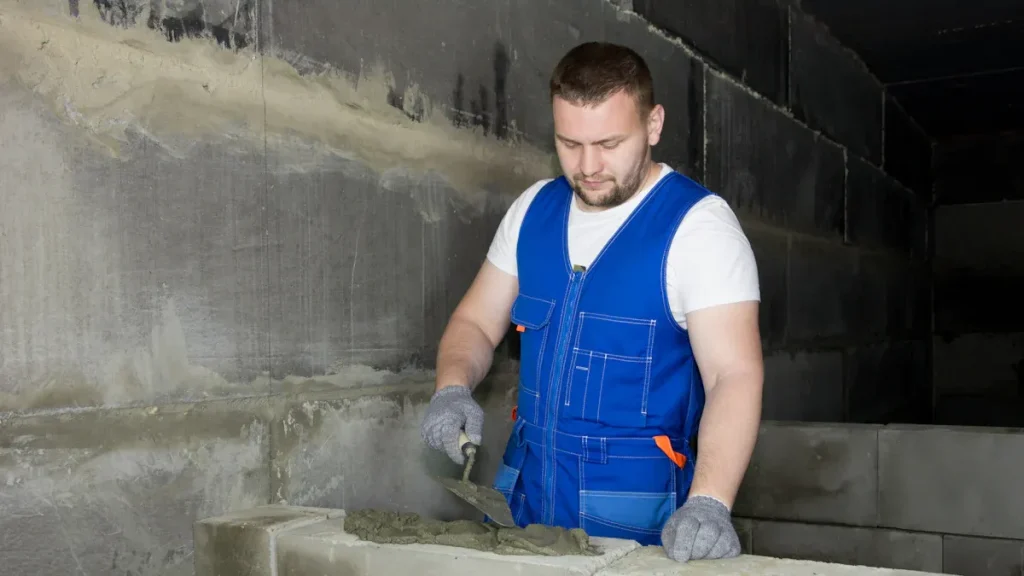
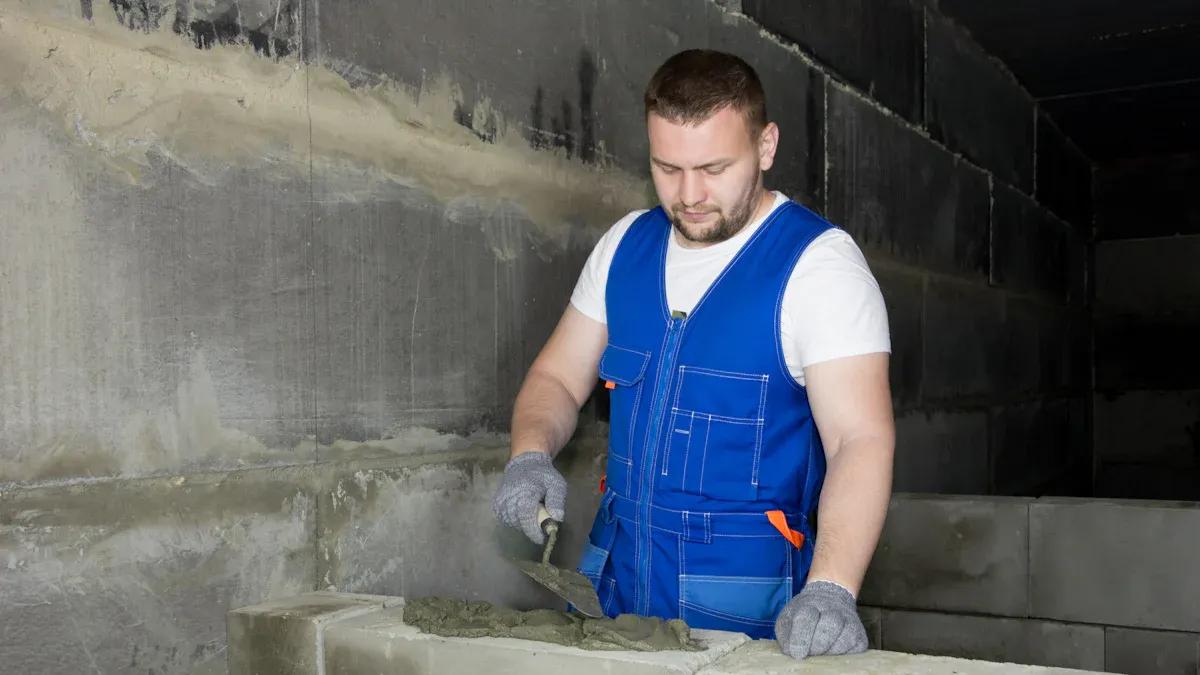
Waterproof cement mortar is very important in building and fixing things. Regular mortar has trouble in wet places. This can cause problems like too much water in the mix, wrong amounts of materials, and leaking. These issues can lead to big moisture problems. When you use waterproof cement mortar, you can stop dampness. This helps make sure your concrete walls stay waterproof for a long time.
Key Takeaways
Use waterproof cement mortar to stop water damage in places like basements and water tanks. This gives strong protection against moisture.
Follow the right mixing ratios: 1 part cement to 4 parts sand for mortar. Getting the measurements right is important for a strong mix.
Apply several layers of mortar, each 5 to 8mm thick, for better waterproofing. Taking care of it will make your waterproofing last longer.
What is Waterproof Cement Mortar?

Waterproof cement mortar is a special mix made to stop water from getting in. It is very different from regular cement mortar in how it is made and how it works.
Composition and Features
Waterproof cement mortar usually has a special mix of materials that help it resist water. Here are the main parts:
A sand-to-cement ratio of 4 to 1, which is not the same as regular cement mortar.
A hydrophobic agent, which is a waterproofing additive that helps keep out moisture.
Different chemical additives, including:
Crystalline waterproofing chemicals that improve waterproofing.
Liquid acrylic elastomeric compounds that make it more flexible and strong.
Polymer-modified compounds that help it stick better and resist water.
Cementitious compounds that block water from getting through.
These parts work together to make the mortar less porous and stronger. When moisture meets these additives, they create crystals that seal the holes, making the cement water-resistant.
Benefits of Waterproofing
Using waterproof cement mortar has many benefits, especially in building projects where water can be a problem. Here are some clear advantages:
Reduced permeability of the concrete, which stops water from leaking through.
Controlled hydration, which helps slow down the setting time.
Increased compressive and flexural strengths at all ages, keeping it strong.
Improved workability and placing features, making it easier to use.
Extended durability, meaning it lasts longer.
This type of mortar works well for many uses, like water tanks, reservoirs, basements, and sewage treatment plants. It helps a lot in ready-mixed concrete production and makes fresh concrete easier to work with. By using waterproof cement mortar, you can stop water damage and make your structures last longer.
How to Mix Waterproof Cement
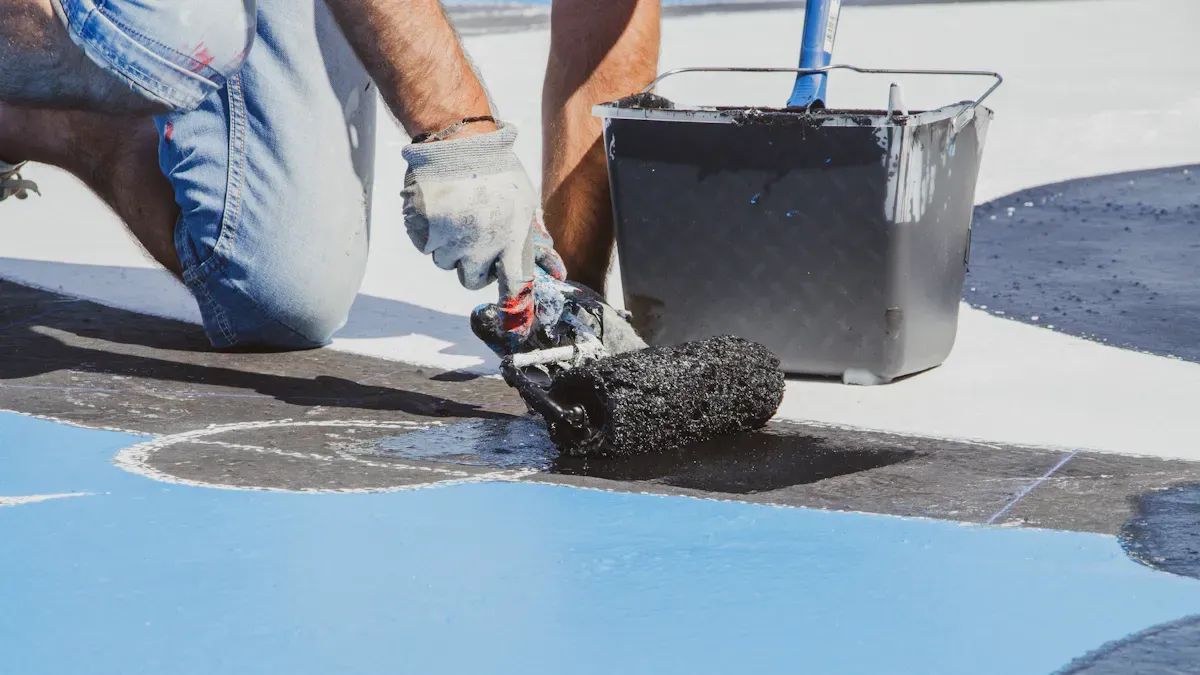
Mixing waterproof cement needs careful work and focus. Using the right amounts and methods helps you make a strong waterproof mix.
Recommended Ratios
To make good waterproof cement mortar, you must follow certain mixing amounts. Here are the best ratios for different uses:
For mortar, mix 1 part cement with 4 parts fine sand by volume.
For concrete, use 1 part cement, 2 parts sand, and 4 parts aggregate.
When adding a waterproofing additive, mix 1 part Trubuild Buildcrete with 10 parts water by volume.
These ratios help you make a waterproof mix that stops moisture problems.
Common Mistakes to Avoid
When mixing waterproof cement, it’s easy to make mistakes that can hurt your work. Here are some common errors to avoid:
Incorrect Measurements: Always measure your ingredients carefully. Using too much or too little can weaken the mix.
Skipping the Pre-Mix Step: Before adding water, mix the dry ingredients first. This step helps spread the materials evenly.
Adding Water Too Quickly: Slowly add water to the mix. If you add too much at once, the mix may become too wet.
Ignoring Consistency: Aim for a thick, paste-like texture. If the mix is too dry, it won’t stick well. If it’s too wet, it may not set right.
Not Using the Right Tools: Use the right tools for mixing. A strong mixing paddle or a concrete mixer can help you get a smooth blend.
By avoiding these mistakes, you can make sure your waterproof cement mortar works well and lasts longer.
Application Techniques for Waterproofing
Layering for Enhanced Effectiveness
Using layers of waterproof cement mortar makes it better at stopping water. When you put on more layers, you build a thicker wall against moisture. Each layer should be 5 to 8mm thick for the best results. This thickness helps the mortar keep water out while still letting air through.
Stormuring mixes fiber support, water-resistant technology, and a strong cement base into one waterproof layer. This mix creates a shield that keeps water away, stops cracks, and lets vapor escape.
Curing and Maintenance
Taking care of your waterproofing is very important for it to last. Follow these tips to make sure it works well:
Clean the surface by taking off loose bits and fixing cracks.
Wet the walls well before you start.
Mix the dry mortar with clean water until it’s smooth.
Use a trowel or spray machine to apply the mortar evenly.
Work in small areas to keep edges wet and avoid marks.
Make sure to put on a protective layer of 10–15mm for waterproofing.
Let the first coat dry before adding a second coat.
Keep the area safe from heavy rain and direct sunlight while it dries.
Before you put on waterproof cement mortar, you need to prepare the surface right. Here are the key steps:
Step | Description |
|---|---|
1 | Clear out all holes and fill them with the right type of mortar to make a smooth, flat surface. |
2 | Get rid of all oil, grease, dirt, and other stuff by scrubbing and washing with pressure. |
3 | Trim any sticking-out parts. |
4 | Wet the surface before you apply the mortar. |
By following these steps, you can make sure your waterproofing project works well and lasts a long time.
Using waterproof cement mortar the right way is very important. It helps stop water damage in your projects. Make sure to follow the best ways to mix and apply this mortar. This will help it last longer and stay strong. If you want to learn more, check out other guides on waterproofing methods.
FAQ
What is waterproof cement mortar used for?
You use waterproof cement mortar to stop water damage in places like basements, pools, and water tanks.
How long does waterproofing last?
If done right, waterproofing can last for many years. This depends on the weather and how well you take care of it.
Can I apply waterproof cement mortar in wet conditions?
You should not apply waterproof cement mortar when it’s wet. Dry surfaces help it stick better and work well.
See Also
Comprehensive Strategies for Effective Concrete Waterproofing Solutions
Expert Techniques for Long-Lasting Cement Crack Sealing
Selecting the Top Cementitious Repair Mortar for 2025
Understanding Cementitious Waterproofing Slurry and Its Function in 2025
Perfecting Waterproof Coating Techniques for Various Surfaces
