

Damp proofing and waterproofing are essential methods for controlling moisture in buildings, including foundation damp proofing. Damp proofing effectively slows down moisture absorption, making it suitable for areas that do not experience significant water exposure. In contrast, waterproofing completely prevents all moisture and liquids, providing superior protection against leaks and mold. Understanding these differences is crucial for building owners who may face issues like poor ventilation or leaks, which can lead to serious damage. By knowing when to implement damp proofing or waterproofing, particularly foundation damp proofing, you can better safeguard your property, ensuring it remains in excellent condition for years to come.
Key Takeaways
Damp proofing slows down how much moisture gets in. It works well in places with little water.
Waterproofing stops moisture completely. It gives better protection in wet areas.
Damp proofing usually costs less but might need more repairs later than waterproofing.
Think about how much water your property gets and what type it is when picking between damp proofing and waterproofing.
Talking to a professional can help you choose the best method. This can save you money over time.
Damp Proofing Overview
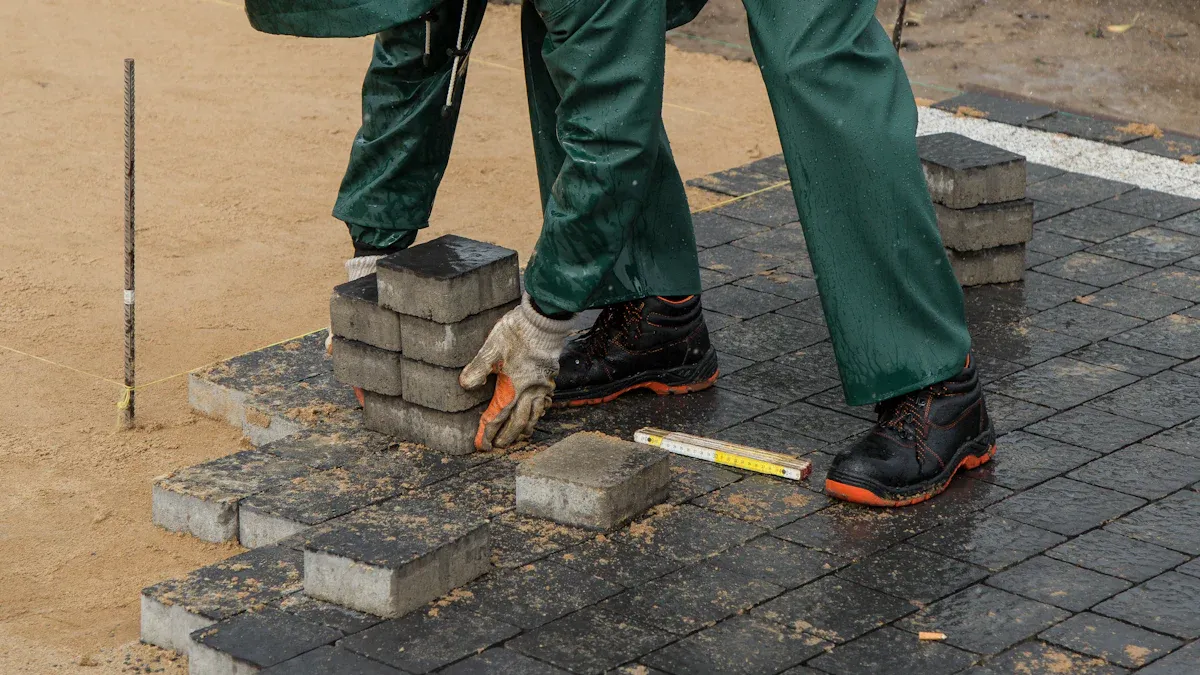
Damp proofing is an important method used in building. It helps keep moisture out of the inside of buildings. This method focuses on two types of damp: rising damp and penetrating damp. Rising damp happens when moisture moves up from the ground. Penetrating damp occurs when water comes in from outside, like rain.
Applications of Damp Proofing
Damp proofing is used in many places in homes and businesses. Here are some common uses:
Damp-proof courses (DPC): These stop moisture from rising through walls.
Damp-proof membranes (DPM): These go under concrete floors to block moisture.
Integral damp proofing: This adds special materials to concrete to make it waterproof.
Damp proofing is very important for keeping moisture out of basements and foundations. Good drainage systems also help manage water around buildings, especially older ones.
Materials for Damp Proofing
Many materials work well for damp proofing. Here’s a table showing some common types:
Material Type | Description | Effectiveness Rating |
|---|---|---|
Physical Barriers | Cavity Wall Construction and Damp Proof Course (DPC) stop moisture travel. | High |
Chemical Treatments | Injection Creams and Liquid Damp Proof Membranes create water-repellent barriers. | High |
Damp Proof Membranes | Polyethylene Sheets and Liquid Membranes form strong moisture barriers. | High |
Semco Liquid Membrane | Offers great waterproofing and flexibility, adjusting to building movements. | Very High |
Damp proofing is a key step during building. It stops moisture from moving through walls and foundations. This protection is very important for keeping the inside safe from moisture problems.
Waterproofing Explained
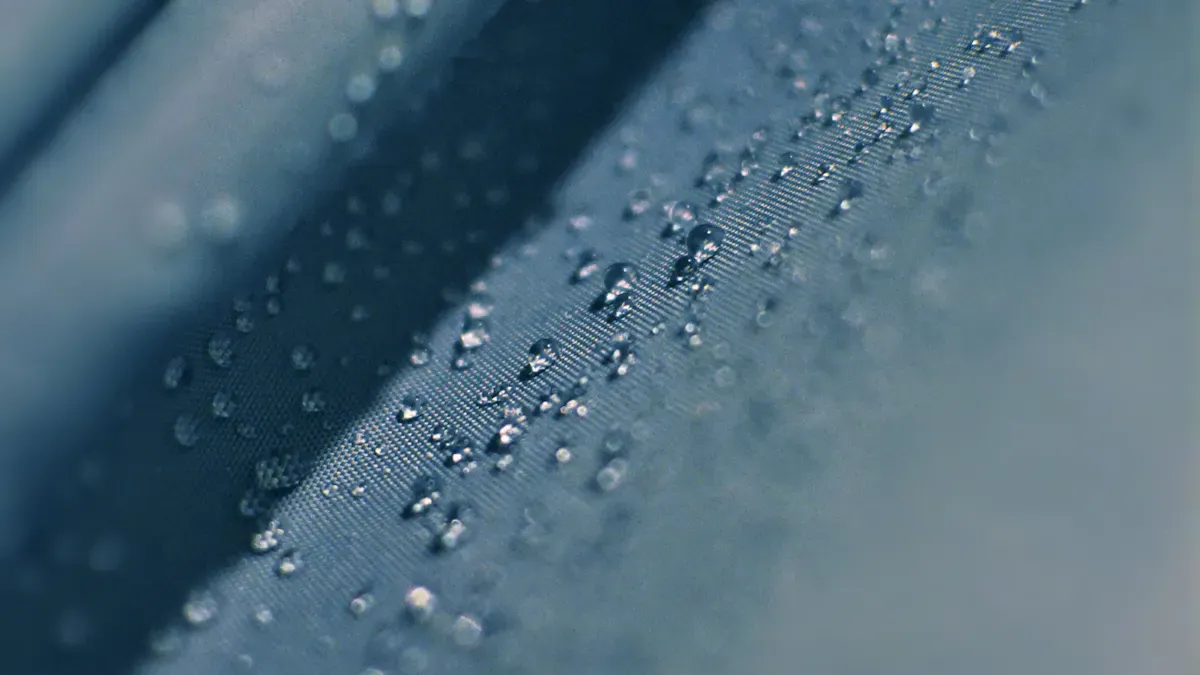
Waterproofing is an important step in building construction. It makes a barrier that stops water from going through surfaces that often touch water. This includes foundations, roofs, and walls. This method keeps your building safe from water in certain situations. Waterproofing is key for protecting your property from moisture damage and keeping it strong.
Applications of Waterproofing
You can see waterproofing used in many parts of modern construction. Here are some common uses:
Overburden Applications: Used in green roofs and spaces to protect structures from moisture and weight.
Below-grade Areas: Important for keeping buildings dry in wet places.
Vehicular Traffic Areas: Protects against constant water exposure.
Waterproofing works well against serious moisture problems. It stops water from coming in and manages different types of water exposure, like vapor and flooding. This complete method is very important for places with a lot of moisture issues.
Materials for Waterproofing
Different waterproofing materials have special features and benefits. Here’s a table comparing some common waterproofing materials:
Material | Characteristics | Applications |
|---|---|---|
Bituminous Waterproofing | Great for flat roofs, very good at waterproofing, can be reinforced | Roofs, underground structures |
Polyurethane Waterproofing | Flexible, strong, makes seamless barriers, sticks to many surfaces | Flat roofs, exposed surfaces |
Sheet Membranes | Even thickness, reliable, helps reduce mistakes in application | Swimming pools, basements, tunnels |
Self-Healing Concrete | Fixes cracks on its own, perfect for high-stress structures | Bridges, tunnels |
Spray Polyurea Coatings | Fast to apply, very resistant to chemicals and weather | Roofs, decks, industrial applications |
Nanotechnology | Makes ultra-thin, water-repellent barriers, lasts a long time | Various surfaces |
These waterproofing materials make strong barriers against water. They are very important for areas that face high moisture levels. By picking the right waterproofing solution, you can protect your building from water damage effectively.
Key Differences Between Damp Proofing and Waterproofing
Effectiveness in Various Conditions
You need to think about how well damp proofing and waterproofing work in different environments. Damp proofing is good for places with low water pressure. It mainly stops moisture from coming in, so it works for small damp problems. For example, if you live where it doesn’t rain much, damp proofing can help keep moisture out.
On the other hand, waterproofing is important in areas that get a lot of rain or flooding. It can handle a lot of water and pressure. The International Residential Code says that damp proofing is needed for foundation walls that hold back dirt. But waterproofing is necessary in places with high water tables or bad soil-water conditions. This difference is important to keep your building dry and safe.
Damp proofing helps prevent moisture from the ground. It is good for small damp issues, while waterproofing deals with serious moisture problems. Waterproofing gives a complete solution against both water vapor and liquid water. So, if you have big moisture problems, waterproofing is the better choice.
Cost Comparisons
When you look at costs, damp proofing is usually cheaper than waterproofing. Here’s a list of typical costs for each method:
Method | Cost Range |
|---|---|
Damp Proofing | $200 to $600 for small areas |
Waterproofing | $2,000 to $6,000 for average basements |
Damp proofing usually costs between $3 to $6 per square foot. Waterproofing costs between $3 to $10 per square foot. This cost difference shows the materials and work needed for each method.
Damp proofing uses simpler materials like bitumen paints and plastic sheets to make a vapor barrier. Waterproofing uses stronger materials that can fill cracks and resist water pressure. Damp proofing costs less at first, but you might pay more later for repairs. Waterproofing costs more upfront, but it often lasts longer and works better in wet conditions.
Aspect | Damp Proofing | Waterproofing |
|---|---|---|
Initial Costs | Lower | Higher |
Longevity | 5–15 years (needs reapplication) | 15–50 years (with good care) |
Effectiveness | Good for vapor issues, may fail | Works better in wet conditions |
Lifecycle Costs | Higher due to possible repairs | Lower because it prevents damage |
By knowing these key differences, you can choose the best method for your needs and budget.
Choosing the Right Method
Choosing between damp proofing and waterproofing needs careful thought. Many things can affect your choice. Knowing these can help you pick the best option for your property.
Factors Influencing Your Choice
When picking a way to manage moisture, think about these factors:
Severity of Water Exposure: Check if your property gets heavy rain or flooding. If it does, waterproofing is needed to stop water from coming in.
Type of Property: Find out if your property is a home or a business. This can change your choice between damp proofing and waterproofing.
Budget: Think about how much each method costs. Waterproofing usually costs more than damp proofing but gives better long-term protection.
Damp proofing works well in dry areas with good drainage. Waterproofing is important for places that get a lot of rain or flooding. This difference is key for making a smart choice based on where you live.
Tip: Always check your local weather and soil conditions. For example, places with big temperature changes and heavy rain may need waterproofing to avoid damage.
Professional Guidance
Getting help from a professional for moisture management can really help your chosen method work well. Experts can give you assessments and solutions that fit your needs. Here are some things to look for in a professional:
Qualification Type | Importance |
|---|---|
Licensing and Insurance | Makes sure the contractor is allowed and protected to do the work. |
Certifications | Shows professional approval from trusted organizations. |
Experience and References | Proves they have a good history and happy clients. |
Talking to a professional can help you avoid expensive repairs and make sure the job is done right the first time. They can also provide maintenance plans to deal with current and future moisture problems. This can save you money later by stopping damage before it starts.
Note: Regular checks and monitoring can help find moisture problems early, so you can fix them quickly.
By thinking about these factors and getting professional help, you can make a smart choice that keeps your property safe from moisture.
In short, knowing the differences between damp proofing and waterproofing is very important for managing moisture in your building. Here are the main points to remember:
Damp proofing keeps soil moisture from getting into walls. It works well in dry areas.
Waterproofing stops water pressure from outside. This is important in places with high water levels or bad weather.
Not understanding these methods can cause damage to your building, mold growth, and expensive repairs. Always check your needs and think about getting professional help to protect your property the best way.
Tip: Regular checks and maintenance can help you find moisture problems early. This can save you time and money later on.
FAQ
What is the main purpose of damp proofing?
Damp proofing stops moisture from coming up through walls and floors. It helps keep your building safe from small damp problems, especially in places with little water exposure.
How long does waterproofing last?
Waterproofing can last from 15 to 50 years. This depends on the materials used and how well you take care of it. Regular checks help keep it working well over time.
Can I do damp proofing myself?
You can do some damp proofing methods on your own, like using damp-proof paint. But for the best results, it’s a good idea to hire a professional for harder tasks.
How do I know if I need waterproofing?
If you see leaks often, mold growing, or water pooling around your property, you probably need waterproofing. Check your surroundings and talk to a professional.
Is damp proofing cheaper than waterproofing?
Yes, damp proofing usually costs less than waterproofing. But waterproofing gives better long-term protection against serious moisture problems.
See Also
Understanding Rigid Waterproof Sealers And Their Functionality
A Comprehensive Overview Of Concrete Waterproofing Techniques
Comparative Analysis Of Moisture Barriers For Walls And Floors
Understanding The Differences Between Hydraulic And Regular Concrete
Expert Techniques For Applying Waterproof Coatings On Surfaces
