

Damp proofing is essential for maintaining a healthy home environment. It protects against moisture, which can lead to structural damage and health issues. Approximately 23% of homes in the UK face damp-related problems, highlighting the need for solutions like Damp Proof Coating. Exposure to mold can cause serious health risks, especially for vulnerable individuals.
Key Takeaways
Damp proofing protects your home from moisture, preventing structural damage and health risks.
Understanding different types of damp, like rising damp and condensation, helps you take early action to protect your home.
Investing in damp proofing can save you money in the long run by avoiding costly repairs and increasing your home’s value.
Types of Damp
Dampness can manifest in various forms, each with distinct causes and effects on homes. Understanding these types of damp is crucial for effective damp proofing.
Rising Damp
Rising damp occurs when water travels upward through the ground via capillary action. This type typically affects walls up to 1.5 meters high. Common signs include tide line staining, damp patches, and peeling paint. Over time, rising damp can severely damage masonry due to salt crystallization, leading to flaking and crumbling.
Description | |
|---|---|
Tide line staining | Yellow or brown discoloration just above skirting boards. |
Damp patches | Patches that start at the floor and can rise up to one meter. |
Peeling paint and wallpaper | Often with a characteristic ‘wavy’ edge at the top of the damp area. |
Penetrating Damp
Penetrating damp results from moisture entering walls due to external factors. Broken roof tiles, damaged brickwork, or poor drainage can lead to this issue. It often affects areas in contact with the earth. Materials like porous bricks and untreated wood are particularly susceptible to damage. Over time, penetrating damp can degrade building materials, compromising structural integrity.
Condensation
Condensation occurs when warm, moist air meets cooler surfaces, leading to internal dampness. This type of damp is common in poorly ventilated areas. It can cause mold growth and reduce air quality, posing health risks. Proper ventilation and humidity control are essential to mitigate condensation issues.
Understanding these types of damp helps homeowners take proactive measures. Addressing dampness early can prevent costly repairs and ensure a healthier living environment.
Damp Proof Coating Mechanics
Damp proof coating serves as a vital barrier against moisture, protecting your home from various damp-related issues. Understanding how damp proofing works is essential for homeowners looking to safeguard their properties.
Application Process
The application of damp proof coating involves several critical steps. Proper installation is key to ensuring effectiveness. Here’s a breakdown of the process:
Preparation: Begin by cleaning the foundation surface. Remove any dirt, debris, or loose materials. This step is crucial for adhesion.
Repair: Address any minor cracks or damage in the walls. This ensures a smooth surface for the coating.
Application: Apply the damp proof coating using a brush or spray. Ensure even coverage for optimal protection.
Curing: Allow the coating to cure. This process typically takes 1 to 3 days, depending on environmental conditions.
Step | Duration |
|---|---|
Overall project completion | 1 to 3 days |
Cleaning foundation surface | Part of overall process |
Repairing minor cracks | Part of overall process |
Applying protective coatings | Part of overall process |
Influencing factors | Weather, accessibility, drying time |
Mechanism of Action
Damp proof coatings work through several scientific principles to prevent moisture ingress. Here are some key mechanisms:
Hydrophobic Treatments: These treatments prevent capillary absorption of rain on walls. Most moisture in walls comes from wind-driven rain.
Vapor Permeability Reduction: The coating reduces vapor permeability by less than 25%. This allows moisture to diffuse from the inside without significantly increasing moisture content.
Crack Management: Cracks in treated surfaces can allow water ingress. If wind pressure overcomes capillary pressure, it highlights the importance of managing cracks for effective moisture control.
Types of Coatings
Various types of damp proof coatings exist, each with unique properties. Common materials include:
Hot bitumen (asphalt)
Plastic sheets
Bituminous felts
Mastic asphalt
Rubberized asphalt
EPDM rubber
Choosing the right type of coating depends on the specific needs of your home and the type of dampness present.
Understanding the mechanics of damp proof coating is essential for effective moisture management. Proper application and selection of the right coating can significantly enhance your home’s protection against dampness.
Benefits of Damp Proofing
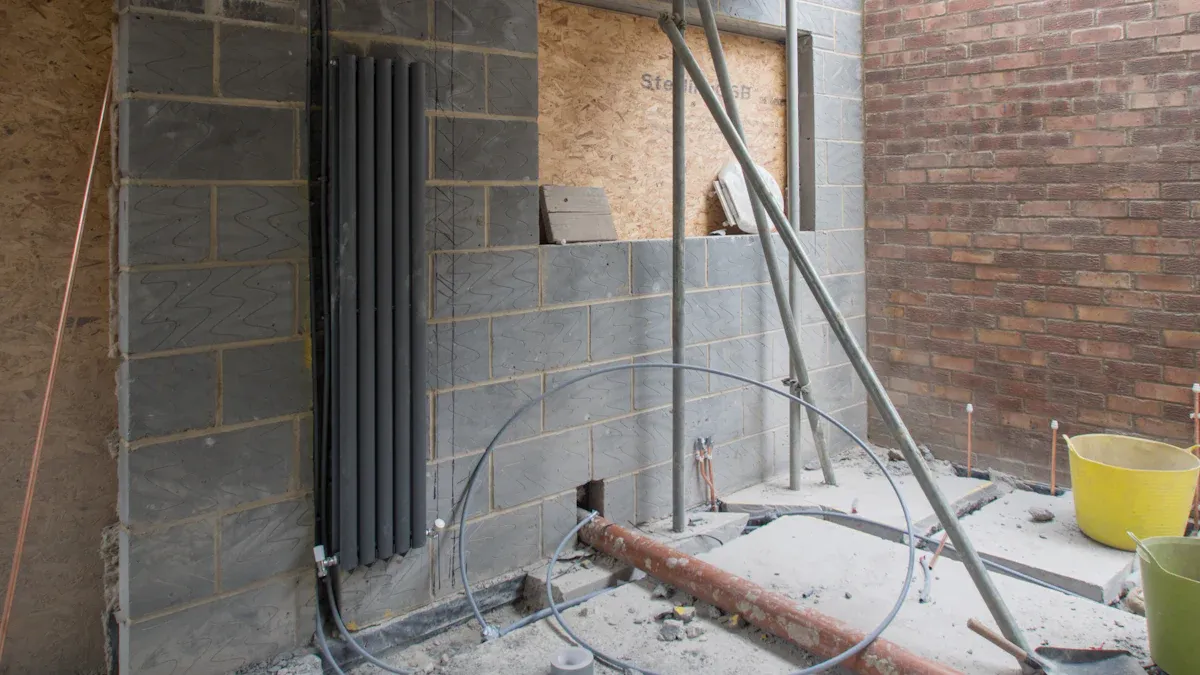
Damp proofing offers numerous advantages that significantly enhance the longevity and safety of your home. Understanding these benefits can help homeowners make informed decisions about their property maintenance.
Structural Integrity
One of the primary benefits of damp proofing is the preservation of a building’s structural integrity. Moisture can infiltrate walls and foundations, leading to severe damage over time. Effective damp proofing techniques prevent water ingress, which is crucial for maintaining the stability and durability of the building.
Techniques such as cavity wall repair help prevent water accumulation, which can lead to structural damage.
Upgrading insulation materials and ensuring proper drainage are essential for maintaining moisture control.
Ignoring damp issues can result in various structural failures. For instance, untreated damp can compromise wooden structures, leading to rot and weakening support beams. The table below outlines some common types of damage caused by untreated damp:
Type of Damage | Description |
|---|---|
Compromised Structural Integrity | Continuous exposure to moisture weakens structural integrity, leading to bowing walls and sagging ceilings. |
Impact on Wooden Structures | Prolonged moisture exposure can lead to wood rot, undermining structural support. |
Impact on Foundations | Long-term untreated water damage can compromise basement and foundation structures, causing cracks and shifts. |
Implementing damp proofing measures not only preserves the structural integrity of a building but also enhances its overall value. This makes it a critical investment for property owners.
Health Benefits
Damp environments can lead to serious health issues, including respiratory problems and allergies. Mold and mildew thrive in damp conditions, posing risks to residents’ health. Damp proofing techniques, such as applying damp proof membranes and improving ventilation, are essential in maintaining dry conditions within residential environments. By preventing moisture ingress, these methods directly reduce the likelihood of mold and mildew development.
The health benefits of damp proofing extend beyond just preventing mold. A dry home contributes to better air quality, which is vital for overall well-being. Homeowners can create a healthier living space by investing in damp proofing solutions.
Cost-Effectiveness
Investing in damp proofing can save homeowners significant amounts of money in the long run. Ignoring water damage can lead to higher repair costs over time. For instance, mold remediation can cost between $500 to $3,000, while structural repairs can escalate from a few hundred dollars to tens of thousands if not addressed promptly.
The table below illustrates the potential costs associated with untreated damp damage:
Hazard | Short-Term Consequence | Long-Term Outcome |
|---|---|---|
Persistent black mould | Tenant discontent, asthma/allergy escalation | Maximum health risk, potential litigation |
Surreptitious rising damp | Cosmetic decay, tenant complaints | Survey refusals, mortgage denials |
Untreated Penetrating damp | Localized fabric loss, repaint cycles | Masonry decay, insurer claim rejection |
Moreover, homeowners can expect a return on investment from damp proofing. The average cost for basement waterproofing ranges from $3,000 to $5,000. However, adding a functional basement room can increase home resale value by approximately $25,000. Waterproofing can lead to a 10% to 20% increase in overall property value, making it a wise financial decision.
Damp proof coating is vital for protecting homes from moisture-related issues. It prevents structural deterioration and promotes a healthier living environment. Key benefits include:
Preservation of structural integrity
Reduction of mold and mildew growth
Increased property value
Investing in damp proofing ensures your home remains safe and sound for years to come.
FAQ
What is damp proofing?
Damp proofing prevents moisture from entering buildings. It protects structures from damage and health issues caused by dampness.
How long does damp proofing last?
With proper application, damp proofing can last for many years. Regular inspections ensure continued effectiveness against moisture.
Can I apply damp proofing myself?
While DIY is possible, professional application is recommended. Experts ensure proper installation and maximize the effectiveness of damp proofing.
See Also
Understanding Rigid Waterproofing Sealers And Their Home Protection Benefits
A Complete Overview of Moisture Barriers for Walls And Floors
Expert Techniques for Applying Waterproof Coatings on Various Surfaces
Exploring Rigid Waterproofing Sealers And Their Functionality Explained
Comparative Analysis of Moisture Barriers for Walls And Flooring
