

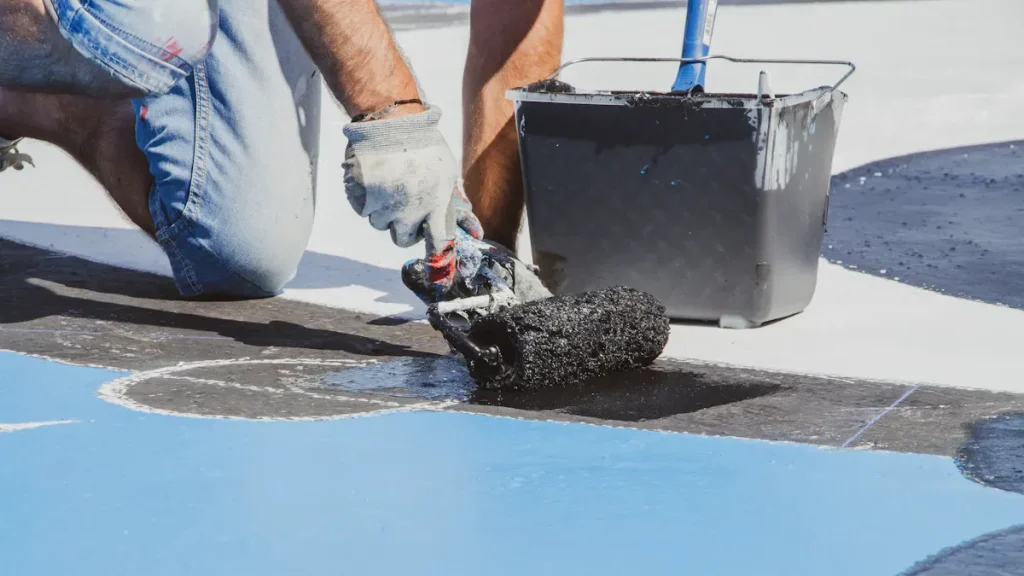
Liquid applied waterproofing membranes are important for stopping water damage. These membranes make a smooth layer that keeps moisture out. You can use them in many places, like homes, businesses, and special areas such as bathrooms and basements. They are flexible, so they can fit different shapes and surfaces. This makes them a good choice for waterproofing. By using liquid-applied waterproofing, you can protect your property from water damage.
Key Takeaways
Liquid applied waterproofing membranes make a smooth barrier. This barrier stops water damage in many places.
Polyurethane membranes stick well and bend easily. This makes them great for roofs and basements.
Acrylic membranes are good for the environment. They work well in warm weather, but they are not very strong.
Bituminous membranes create a strong and flexible barrier. They are perfect for wet areas like basements and dams.
Getting the surface ready and applying correctly is very important. This helps waterproofing membranes work well and last longer.
Types of Liquid Applied Waterproofing Membranes
Polyurethane Membranes
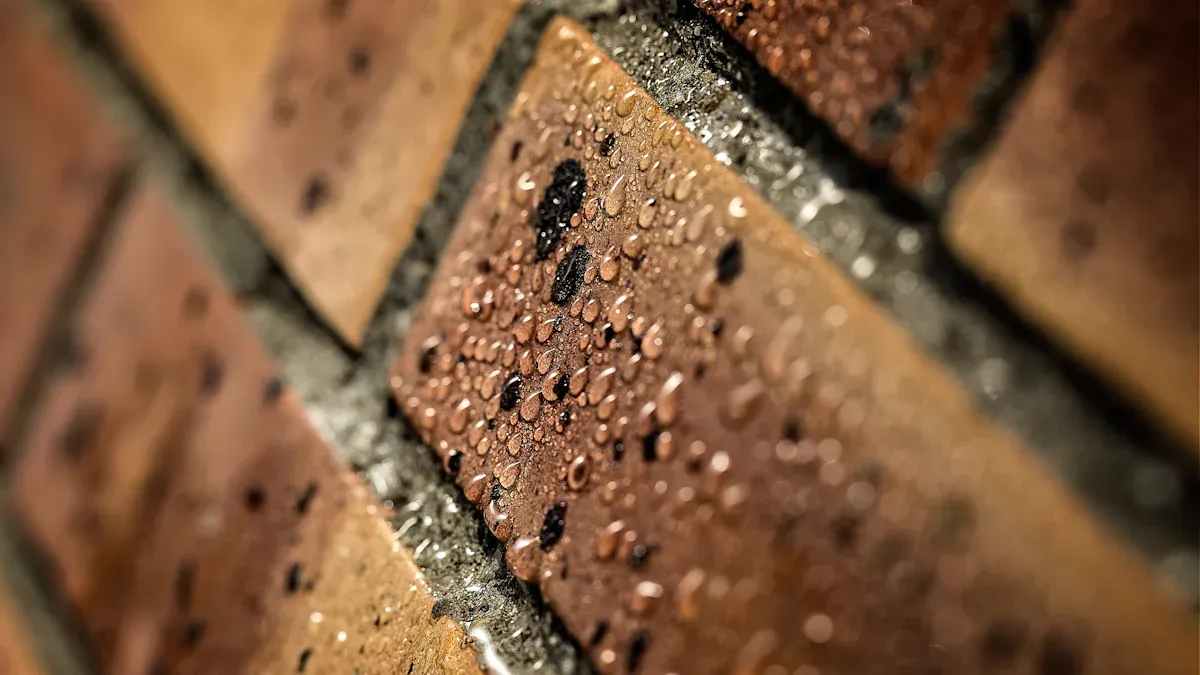
Polyurethane membranes are popular because they are easy to apply and flexible. They stick well to different surfaces. This makes them great for roofs, balconies, and basements. These membranes create a strong barrier against moisture. This helps to lower the chance of leaks. Here are some important features of polyurethane membranes:
Feature | Benefit |
|---|---|
High adhesion | Sticks strongly to many surfaces |
UV resistance | Works well in sunlight |
Flexible | Adjusts to building movement |
Waterproof |
You can use polyurethane membranes in places with groundwater, like basements and underground parking. They also work well in tunnels and water tanks. This keeps water clean and protects concrete.
Acrylic Membranes
Acrylic membranes create a smooth layer that stops leaks at seams. They fit well on different surfaces and provide good waterproofing. However, they have some limits in strength. Here’s a quick look at their pros and cons:
Advantages | Disadvantages |
|---|---|
Smooth layer that stops seam leaks | Weak strength, not good against tears and punctures |
Adapts well to surfaces | Curing affected by weather |
Easy to handle joints | Varies a lot in how long they last |
Good for the environment | Uneven thickness, can fail if not built right |
Acrylic membranes are good for waterproofing roofs, balconies, and foundations. They work best in warm places where they can handle sunlight well.
Bituminous Membranes
Bituminous membranes are sticky and thick. They create a strong and flexible barrier against moisture. They work great in wet places, like basements and dams. Here are some common uses for bituminous membranes:
Waterproofing insulation systems
Keeping structures safe by stopping moisture
Withstanding water pressure in areas with groundwater
These membranes are durable and flexible. This makes them a reliable choice for many construction projects.
Applications of Liquid Applied Waterproofing
Residential and Commercial Buildings
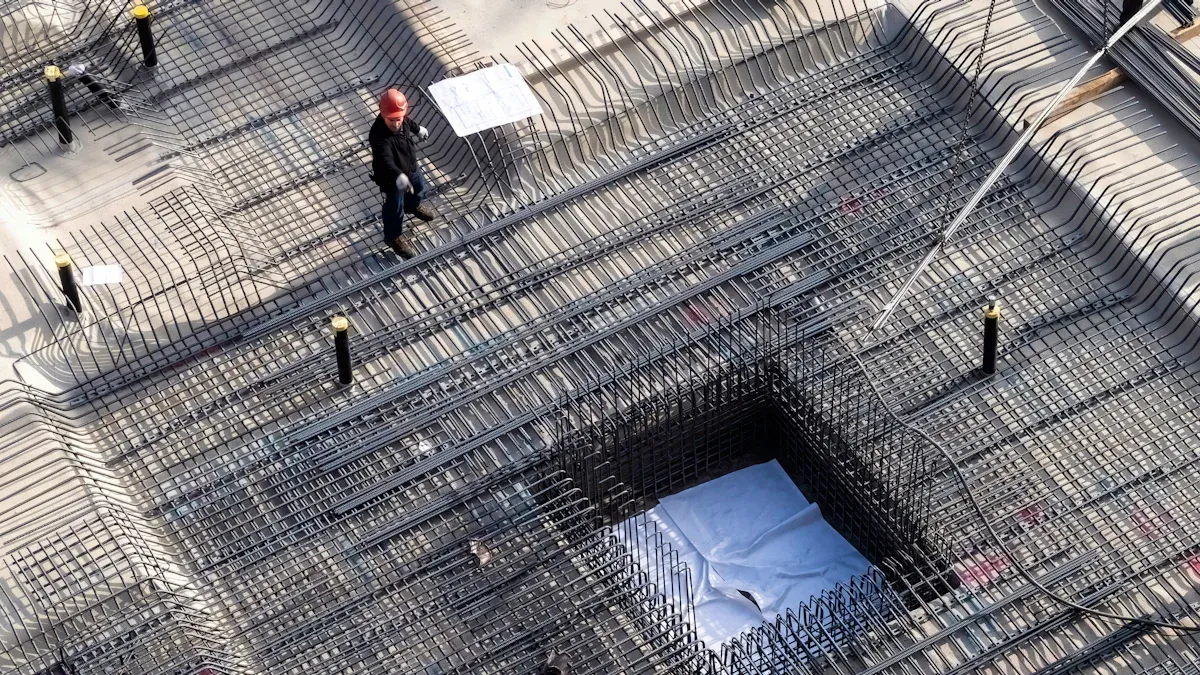
Liquid-applied waterproofing membranes are very important for homes and businesses. You can use these membranes to keep your property safe from water damage. They make a smooth barrier that stops water from getting into walls and foundations. This helps your building last longer.
Good waterproofing can cut repair costs by 80-85% compared to fixing big water damage.
A complete waterproofing system has many layers to protect against water.
In homes, you usually find these membranes in basements, bathrooms, and kitchens. In businesses, they are key for protecting roofs, balconies, and parking garages. The flexibility of liquid-applied waterproofing makes it a great choice for many surfaces and buildings.
Infrastructure and Public Spaces
Infrastructure projects like bridges, tunnels, and parking decks really benefit from liquid-applied waterproofing. These membranes make structures stronger and stop water from getting in, which is important for keeping them safe. Here’s a quick look at the benefits:
Benefit | Description |
|---|---|
Enhanced Durability | Gives long-lasting protection against water damage. |
Prevention of Water Infiltration | Stops water from getting into structures. |
Mitigation of Mold and Mildew | Lowers the chance of mold growth from moisture. |
Resistance to Severe Weather | Stands up to tough weather, keeping structures safe. |
Improved Air Quality | Helps keep the air healthy by stopping dampness. |
Environmental Sustainability | Supports eco-friendly practices by saving resources. |
Cost-Effectiveness | Reduces maintenance costs and makes infrastructure last longer. |
Liquid-applied waterproofing is simple to apply, which saves time. It creates a continuous layer that works as a strong barrier against water. Many systems can resist UV light, extreme temperatures, and chemicals, making them great for busy public areas.
Specialized Areas (e.g., bathrooms, basements)
Special areas like bathrooms and basements need special care when applying waterproofing. These places often have high moisture and can leak. Here are some common problems to think about:
Ignoring cracks and plumbing issues
Not sealing and filling cracks completely
Forgetting about floor-to-wall connections
Wrong application or material choice
Liquid-applied waterproofing membranes make a barrier that stops moisture from building up. This barrier helps prevent mold and mildew growth. A wet basement is a perfect place for mold, which can cause health problems. Good waterproofing keeps the basement dry and healthy, avoiding costs for mold cleanup.
In bathrooms, you can use these membranes on floors and walls to make sure they are waterproof. This protects against leaks and water damage, helping your fixtures and finishes last longer.
Benefits of Liquid Applied Waterproofing Membranes
Seamless and Flexible Protection
Liquid applied waterproofing membranes give smooth protection that lowers the chance of leaks. Unlike regular sheet membranes, these membranes stick directly to the surface. This means there are no weak spots at seams and overlaps. This smooth feature makes sure water cannot get through joints, which often fail in other systems.
Here are some key benefits of their smooth and flexible nature:
Advantage/Principle | Description |
|---|---|
Cuts down on failures at joints, laps, seams, and changes in plane. | |
Flexibility | Adjusts to small settling and building movements from temperature and humidity changes. |
Addressing Imperfections | Easily fixes small surface problems, gaps, and uneven areas. |
You can rely on these membranes to resist water pressure, keeping basements dry. They also have hydrophobic properties that push water away at a tiny level. This means water beads up and rolls off, keeping your surfaces dry and safe.
Long-lasting Performance
When you pick liquid-applied waterproofing, you choose durability. These membranes can last 10 to 15 years under normal use. With good care, they can last up to 25 years. This long life comes from their ability to handle environmental factors and building movements.
How well these membranes work depends on how well they are applied and cared for. Regular maintenance is easy, needing recoating every 10 to 15 years. This is less work than traditional waterproofing methods, which often need frequent seam checks.
Cost-Effectiveness
Liquid applied waterproofing membranes save a lot of money over time. Here’s how:
Benefit | Cost Savings Description |
|---|---|
Reduced Maintenance Costs | Liquid membranes can stop expensive repairs by preventing damage from water getting in. |
Mitigated Mold and Mildew Growth | Stops mold problems, saving on cleanup costs and keeping indoor air healthy. |
Minimized Surface Cracking and Deterioration | Flexible membranes adjust to building movements, stopping costly repairs from surface damage. |
Reduced Energy Costs Through Thermal Protection | Improves thermal efficiency, lowering energy bills and reducing wear on HVAC systems. |
By choosing liquid-applied waterproofing, you not only protect your property from water damage but also save money in the future. The installation process is quick, cutting labor costs by up to 60% compared to traditional methods. This makes liquid applied waterproofing a smart choice for homes and businesses.
How to Apply Liquid Applied Waterproofing Membranes
Surface Preparation
Before you put on a liquid-applied waterproofing membrane, you need to get the surface ready. Follow these steps to do it right:
Clean Thoroughly: Use the right cleaning products to make the surface clean.
Remove All Contaminants: Get rid of oils, grease, dust, and old coatings.
Repair & Reinforce: Fix any cracks before you apply the membrane.
Control Moisture: Make sure surfaces are dry with moisture ≤ 3% for non-submerged areas.
If you don’t prepare the surface well, the membrane might not stick. This can cause it to peel or bubble, making it less effective.
Application Techniques
Putting on the liquid-applied waterproofing membrane needs careful methods. Here are some good ways to do it:
Equipment Used | Key Techniques | |
|---|---|---|
Hand Applied | Rollers, Squeegees, Brushes | Back-rolling to keep thickness even |
Spray Applied | Plural-component sprayers | Creates a pattern that reduces runs |
Using the right tools and methods helps cover the area evenly. This stops weak spots that could let moisture in.
Curing and Maintenance
After you apply the membrane, curing is important for how well it works. Follow these tips:
Curing Time: Let the membrane cure properly. Cold-applied systems can allow foot traffic in just 2 hours.
Routine Inspections: Check at least twice a year. Look for damage and clean the surface to help drainage.
Timely Repairs: Fix small issues before they get worse. This keeps the waterproofing system strong.
By following these steps, you can make your liquid-applied waterproofing membrane last longer and keep your property safe from water damage.
Liquid applied waterproofing membranes are very important for keeping your property safe from water damage. They provide smooth coverage, flexibility, and save money. You can use these membranes in many places, like homes and big construction projects.
Here are some benefits to think about:
Smooth application removes weak spots.
Flexibility lets them move without breaking.
Quick application reduces interruptions.
By picking liquid applied waterproofing, you are investing in strong protection for your buildings. Look into these options to protect your property well.
FAQ
What are liquid applied waterproofing membranes?
Liquid applied waterproofing membranes are smooth coatings that keep surfaces safe from water damage. They form a flexible barrier that sticks directly to different surfaces, stopping moisture from getting in.
How long do these membranes last?
With the right application and care, liquid applied waterproofing membranes can last from 10 to 25 years. Checking them regularly and fixing problems quickly can help them last longer.
Can I apply these membranes myself?
Yes, you can put on liquid applied waterproofing membranes by yourself. Just make sure to follow the manufacturer’s instructions for preparing the surface and applying the product for the best results.
Are these membranes environmentally friendly?
Many liquid applied waterproofing membranes are good for the environment. Products like BANDě Flexible Waterproof Sealer are water-based, non-toxic, and safe for indoor use, making them a green choice.
Where can I use liquid applied waterproofing membranes?
You can use these membranes in many places, like homes and businesses, bathrooms, kitchens, basements, balconies, and big projects like tunnels and bridges.
See Also
Achieving Perfect Waterproof Coating On Various Surfaces
Understanding Rigid Waterproof Sealers And Their Functionality
BANDě Comparing Film-Forming And Penetrating Sealers In Australia
BANDě Exploring Cementitious Waterproofing Slurry And Its 2025 Function
Comprehensive Overview Of Effective Concrete Waterproofing Techniques
