

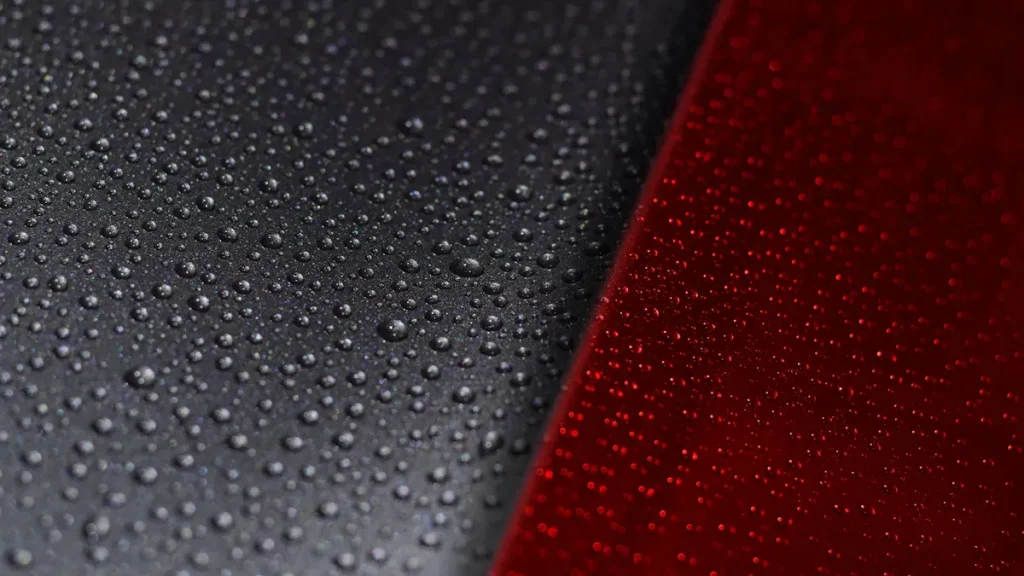
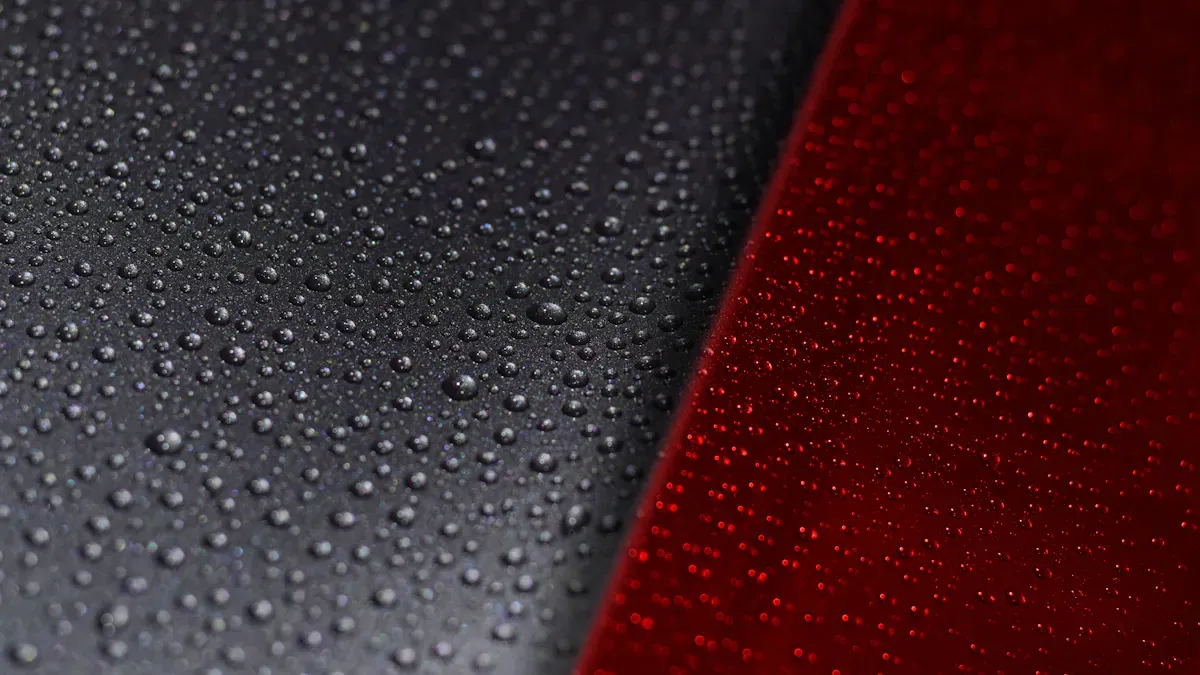
Silane siloxane water repellents are special products. They help protect surfaces from water damage. These repellents create a barrier. This barrier stops moisture from getting into materials. If moisture gets in, it can cause problems and damage. Many people in construction want these products. The silane water repellent market was worth USD 1.2 billion in 2024. It is expected to grow to USD 2.5 billion by 2034. This means it will grow at a rate of 7.5% each year. This shows why these repellents are important. They help keep buildings strong and last longer.
Key Takeaways
Silane siloxane water repellents keep surfaces safe from water damage. They create a strong barrier that stops moisture from getting in.
These repellents make surfaces last longer. They help protect against harmful chemicals and environmental factors.
Using water-based repellents helps keep materials looking good. They stop stains and discoloration, so surfaces stay new.
Silane siloxane water repellents can be used in many industries. This includes construction, automotive, and textiles to improve how materials work.
Using these products can lower maintenance costs and cleaning times. This makes them a smart choice for long-lasting surface protection.
Silane Siloxane Water Repellents
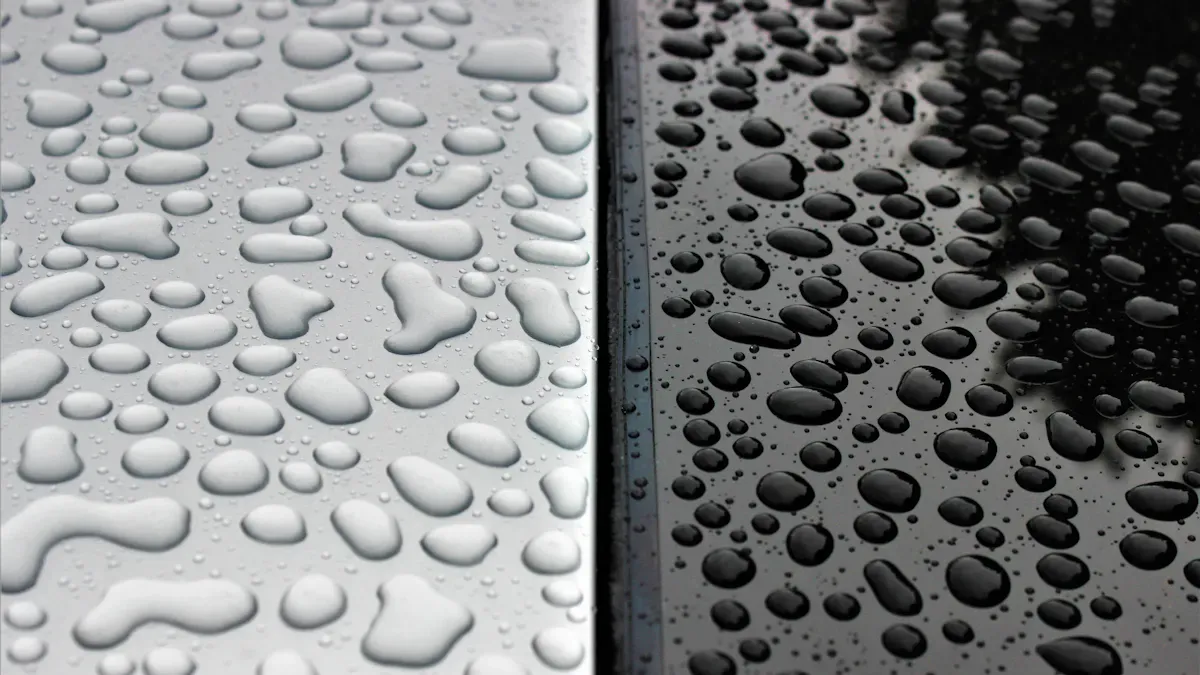
Chemical Composition
Silane siloxane water repellents are made of special organic and inorganic parts. Their structure looks like {(RO)}_{3}-Si-X. In this formula, “R” means an alkyl group, and “X” is a functional group. When you use these repellents, the alkoxy groups (-RO) change in different pH levels. This change makes hydroxyl groups (-OH), which then react with calcium silicate hydrate (C-S-H). This reaction creates siloxane linkages. These linkages make materials like concrete more water-resistant.
The way these molecules interact is very important. The hydrolyzed silane forms ionic bonds with surfaces like Ca3SiO5. This bonding blocks places where reactions can happen. It stops calcium ions from mixing with water. Because of this, the hydration process slows down. This helps keep the material strong.
Mechanism of Action
Silane siloxane water repellents work well to stop moisture from getting in at both surface and subsurface levels. Here’s how they work:
Silane water repellents go into the substrate and react with calcium hydroxide. This reaction makes a water-repellent resin that stops moisture from coming in.
Siloxane water repellents can also react with moisture in the air and inside the substrate. This reaction creates a water-repellent resin, making a strong barrier against moisture.
By making this barrier, silane siloxane water repellents protect surfaces from water damage. They help your structures stay strong and look good over time.
Benefits of Water Based Water Repellents
Durability and Longevity
Water-based water repellents have many benefits for durability and longevity. These products go deep into the material, changing its pore structure. This change helps keep out moisture and harmful chemicals. Things like freeze-thaw cycles and strong salts can affect how well they work. By making the material stronger against these issues, your surfaces can last longer.
Moisture Resistance: These repellents create a barrier that stops water from getting in and causing damage.
Chemical Protection: They also protect against bad chemicals that can harm materials over time.
Using water-based water repellents helps keep your surfaces strong and safe for many years.
Aesthetic Preservation
Besides being durable, water-based silane siloxane water repellents help keep the original look of building materials. They change the pores of the material, which reduces how much liquid water it absorbs while letting water vapor escape. This helps keep the texture and appearance of your surfaces over time.
Non-Altering Appearance: Products like Aqua EM 290 go deep into concrete without changing how it looks. Likewise, Sikagard® H 177 stays clear and does not stain, so treated surfaces look new.
Stain Prevention: Water-based repellents help stop stains and discoloration. For example, Sure Klean® Weather Seal Siloxane WB Concentrate gives long-lasting protection against water stains. It goes deep into masonry surfaces, stopping damage while keeping the original look.
By using these repellents, you protect your surfaces and make them look better, so they stay attractive for years.
Applications of Silane Siloxane Water Repellents

Construction
In construction, silane siloxane water repellents are very important. You can use these products on many materials like concrete, brick, and masonry. They make surfaces harder and stop water from getting in. For example, adding organotin as a catalyst in siloxane treatments can make surfaces up to 105.1% harder. This happens because a jelly-like coating interacts with cement particles, making them stronger and waterproof.
Using these repellents can lower maintenance costs a lot. Long-lasting water repellents can cut maintenance costs by up to 85%. They create a water-repelling barrier that lasts 10 to 25 years. This means you will clean less often, with cleaning needed only 70–90% less, and efflorescence is almost gone.
Automotive
Silane siloxane water repellents are also used in cars. They improve how glass and paint surfaces work. For example, products like APS-271 Emulsion make surfaces shinier and help repel water. Similarly, APS-342 creates a strong water-repelling treatment that makes colors brighter and shinier. These treatments keep cars looking good while protecting them from water damage.
Textiles
In textiles, silane siloxane water repellents help fabrics resist water. You can treat fabrics like cotton and alginate with these compounds for great results. For example, hexadecyltrimethoxysilane can raise the water contact angle to 160.8°, which greatly cuts down water absorption. This treatment helps fabrics repel water while staying breathable and comfortable.
Textile Type | Silane Compound | Water Contact Angle (°) | Water Absorption Reduction (%) |
|---|---|---|---|
Alginate Textiles | Hexadecyltrimethoxysilane | Up to 160.8 | Reduced from 359.5% to 124.1% |
Cotton Fabric | Hexamethyldisiloxane | Exceeding 150 | Stable after 10 washes |
Various Fabrics | Alkoxysilanes (C2, C8, C16) | High WCA values | Repellency rating of 100 |
By using silane siloxane water repellents in these industries, you can make materials last longer and perform better, keeping them safe from water damage.
Silane siloxane water repellents are very important for protecting surfaces from water damage. They make materials last longer and lower maintenance costs over time. Here are some main benefits:
They stop water from getting in, which helps prevent damage and keeps things looking nice.
Their deep action creates a water-repellent layer that keeps the surface’s natural look.
Siloxane treatments work well and are affordable for many types of materials.
As trends change, we will see more use in masonry, wood protection, and tile work. These improvements will make silane siloxane water repellents even more important in building and upkeep.
FAQ
What are silane siloxane water repellents used for?
Silane siloxane water repellents keep surfaces safe from water damage. You can use them on materials like concrete, brick, and fabrics to make them stronger and look good.
How long do these repellents last?
The life of silane siloxane water repellents can be different. Usually, they work well for 10 to 25 years, depending on the weather and the type of surface.
Are silane siloxane water repellents safe for the environment?
Yes, many silane siloxane water repellents are good for the environment. They often have safe ingredients and low VOC emissions, so they are safe to use indoors and outdoors.
Can I apply these repellents myself?
You can put on silane siloxane water repellents by yourself. Just make sure to follow the instructions from the manufacturer for preparing the surface and applying it for the best results.
Do these products change the appearance of surfaces?
No, silane siloxane water repellents do not change how treated surfaces look. They go deep into the material, keeping the original look while giving good water protection.
See Also
Achieving Perfect Waterproof Coating On Various Surfaces
The Ultimate Guide to Top Flexible Waterproof Sealers
Understanding Rigid Waterproof Sealers And Their Functionality
Choosing The Ideal Flexible Waterproof Sealer For Your Needs
