

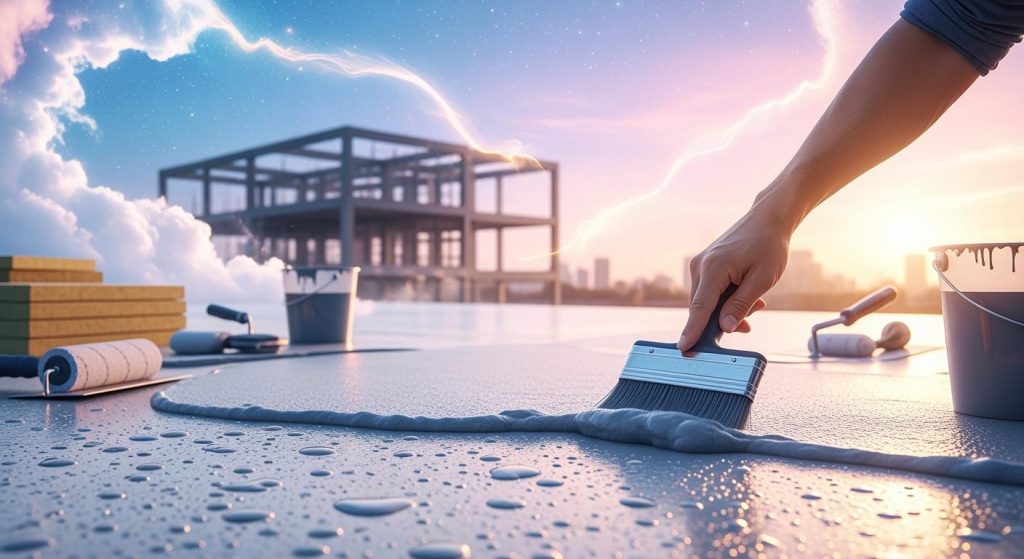
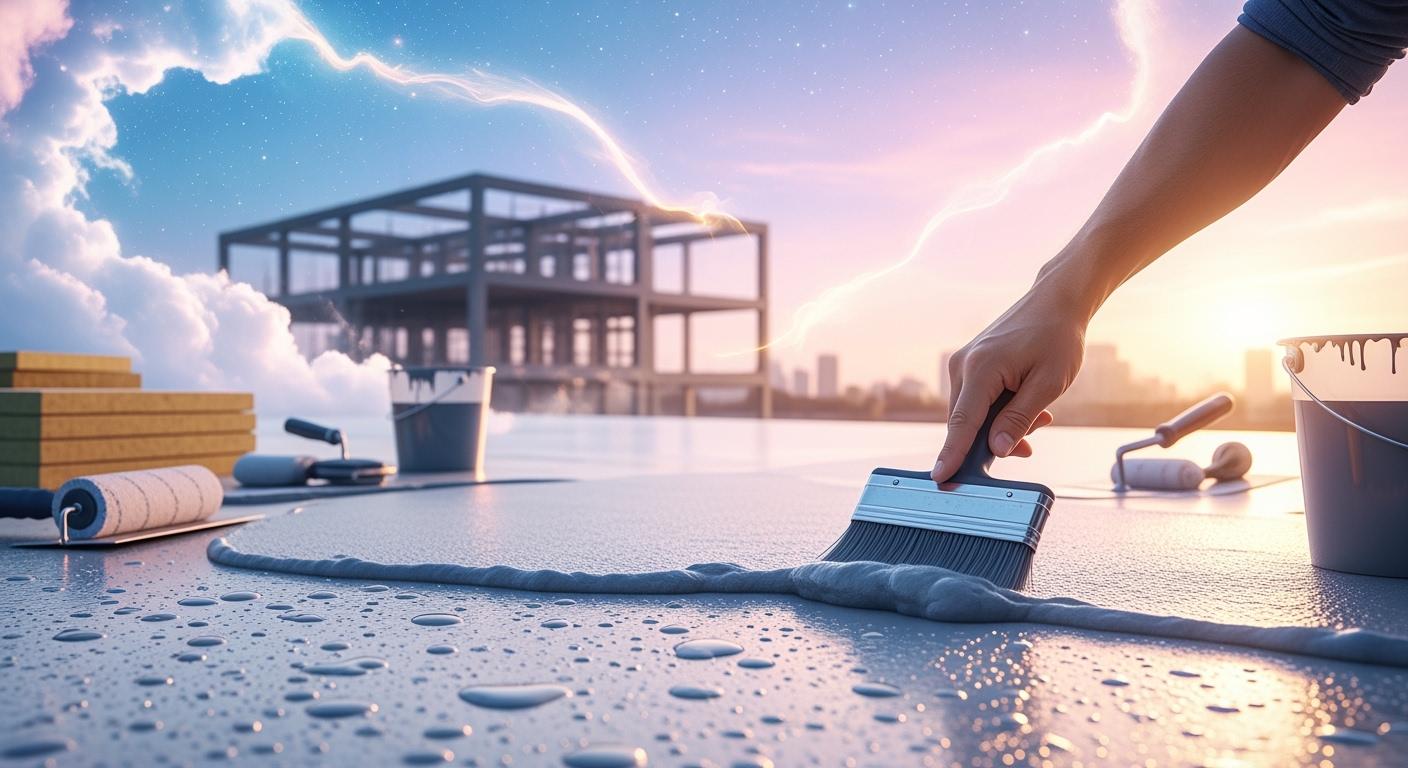
Polyurethane waterproofing materials play a crucial role in protecting structures from water damage. These versatile solutions work effectively in various applications, from residential roofs to industrial floors. Their ability to create seamless barriers makes them a preferred choice for many builders and homeowners alike.
Key Takeaways
Polyurethane waterproofing materials provide long-lasting protection against water damage, lasting 15 to 25 years, which saves time and money on repairs.
These materials are highly flexible and can adapt to structural movements, preventing cracks and leaks, ensuring a reliable waterproof barrier.
Proper surface preparation is crucial for application; clean and dry surfaces ensure strong adhesion and prevent future issues.
Polyurethane Waterproofing Overview
Polyurethane waterproofing materials are essential for protecting structures from water damage. They come in various forms, each designed for specific applications. Understanding these types can help you choose the right solution for your needs.
Types of Polyurethane Waterproofing
Polyurethane Liquid Membrane: This type is ideal for flat roofs. It offers excellent insulation and flexibility. These membranes resist environmental stress, making them suitable for various roof applications. However, moisture sensitivity must be considered before application to ensure long-lasting performance.
Polyurethane Waterproof Coatings: These coatings penetrate deeply into concrete surfaces, significantly reducing moisture absorption. They are highly elastic, making them perfect for repairing large cracks. Additionally, polyurethane waterproofing coatings are durable and resistant to chemicals, extreme temperatures, and UV exposure.
Polyurethane Coating for Concrete: This option is one of the best for repelling water on concrete surfaces. It provides flexibility compared to other coatings, making it ideal for various applications, including patios and garage floors.
Composition and Properties
Polyurethane waterproofing materials consist of a polymer-based compound that forms a protective layer when applied. This composition gives them unique properties, such as high elasticity and durability. They can withstand harsh weather conditions and resist chemical exposure, making them a reliable choice for many construction projects.
Applications of Polyurethane Waterproofing
Polyurethane waterproofing materials find their way into various applications, showcasing their versatility and effectiveness. Let’s explore how these materials serve different sectors.
Residential Applications
In residential settings, polyurethane waterproofing plays a vital role in protecting homes from water damage. Here are some common applications:
Flat and sloped rooftops: These areas require UV resistance and weather durability. Polyurethane membranes provide a seamless barrier against leaks.
Basements and retaining walls: Homeowners often face groundwater infiltration. Polyurethane coatings effectively seal these surfaces, preventing moisture from entering.
Bathrooms and wet rooms: These spaces need seamless sealing for floors and walls. Polyurethane waterproofing ensures that water stays where it belongs.
Water tanks and planters: Non-toxic formulations make polyurethane safe for waterproof containment, ensuring that plants thrive without risk of contamination.
Polyurethane injection grouting is particularly effective for sealing cracks in residential basements and roofs. This method involves injecting a low-viscosity polyurethane resin into hairline cracks, expanding to fill voids and creating a durable, waterproof seal. This technique effectively prevents leaks, providing peace of mind for homeowners.
Commercial and Industrial Uses
In commercial and industrial buildings, polyurethane waterproofing materials are essential for maintaining structural integrity. Warehouses and factories benefit significantly from these materials. They provide flexibility and durability, crucial for protecting exposed surfaces and roofs from weather-related damage. This protection helps prevent operational disruptions and financial losses due to water damage.
Polyurethane liquid membranes are particularly popular in these settings. They offer a robust solution for large-scale applications, ensuring that businesses can operate without the worry of leaks or water damage.
Infrastructure Applications
Polyurethane waterproofing materials also play a significant role in infrastructure projects. Their applications include:
Bridges: Polyurea grouting is used for effective waterproofing and structural reinforcement, ensuring longevity and safety.
Tunnels: These structures benefit from the high elasticity and chemical resistance of polyurethane, making them suitable for harsh environments.
The benefits of using polyurethane waterproofing in civil engineering infrastructure are numerous. Here’s a quick overview:
Benefit | Description |
|---|---|
Seamless Protection | Creates a continuous barrier against water infiltration. |
Flexibility | Bridges cracks and accommodates structural movements. |
Durability | Resistant to chemicals, UV rays, and weathering, ensuring long-lasting performance. |
Quick Application | Can be applied easily with a roller, brush, or spray, saving time on projects. |
Strong Adhesion | Adheres well to various surfaces like concrete, metal, or masonry. |
Versatile Use | Suitable for basements, rooftops, bathrooms, podium decks, and retaining walls. |
Overall, the applications of polyurethane waterproofing materials are vast and varied, making them a go-to choice for many construction and renovation projects.
Advantages of Polyurethane Waterproofing
Polyurethane waterproofing materials offer several advantages that make them a top choice for various applications. Their unique properties contribute to their effectiveness in protecting structures from water damage.
Durability and Flexibility
One of the standout features of polyurethane waterproofing is its impressive durability. These materials can last between 15 to 25 years, significantly outpacing traditional bituminous membranes, which typically last only 5 to 8 years. This longevity means fewer replacements and repairs, saving both time and money for homeowners and businesses alike.
Waterproofing Type | Lifespan |
|---|---|
Polyurethane Waterproofing | 15–25 years |
SBS Bitumen Membrane | 5–8 years |
In addition to durability, polyurethane waterproofing materials are highly flexible. They can adapt to structural movements, which is crucial in areas prone to temperature fluctuations or ground shifts. This flexibility helps prevent cracks and leaks, ensuring a seamless waterproof layer that stands the test of time.
Chemical Resistance
Polyurethane waterproofing materials also excel in environments with high chemical exposure. Compared to epoxy-based alternatives, they offer moderate chemical resistance, making them suitable for moderate-traffic areas. However, for more demanding environments, polyurea provides superior chemical resistance, ideal for chemical plants and laboratories.
Material | Chemical Resistance | Ideal Use Case |
|---|---|---|
Polyurea | Superior | Chemical plants, laboratories |
Polyurethane | Moderate | Moderate-traffic areas, requires maintenance in harsh conditions |
This chemical resistance ensures that polyurethane waterproofing can withstand spills and exposure to harsh substances without compromising its integrity. This quality is particularly beneficial in industrial settings where chemical exposure is common.
Hydrophobic Properties
The hydrophobic properties of polyurethane waterproofing materials make them exceptionally effective at repelling water. Their high elasticity and flexibility allow them to absorb structural movement and expansion without cracking. This adaptability is crucial for maintaining a waterproof barrier.
Feature | Benefit |
|---|---|
High elasticity and flexibility | Absorbs structural movement and expansion |
Strong adhesion | Bonds well to concrete, tiles, metal, and wood |
Seamless finish | No joints or overlaps, reducing leakage risk |
Additionally, polyurethane waterproofing materials demonstrate excellent water absorption rates. For instance, the polyurethane waterproof adhesion layer shows water absorption rates of less than 4.0% after immersion, indicating outstanding waterproof performance. This level of resistance is superior to many acrylic-based products, making polyurethane a reliable choice for various applications.
Drawbacks of Polyurethane Waterproofing
While polyurethane waterproofing materials offer many benefits, they also come with some drawbacks that potential users should consider.
Application Challenges
Applying polyurethane waterproofing can be tricky. Proper surface preparation is crucial for achieving a strong bond. If the surface isn’t clean or dry, the material may not adhere well. This can lead to adhesion failure and delamination. Studies show that using incompatible materials can increase the risk of failure. For example, combining cement-based products with polyurethane can cause significant issues. Aging materials can also degrade performance, leading to peel failures over time.
Cost Considerations
Cost is another factor to keep in mind. Polyurethane waterproofing materials typically range from $6 to $12 per square foot. This price reflects both the material cost and the skill level required for application. While the initial investment is higher than other solutions, the long-term durability can lead to savings. However, factors like the size and depth of the concrete slab, location, and condition can further influence costs. For instance, larger slabs or difficult-to-access areas may require more labor and materials, increasing expenses.
Environmental Impact
The environmental impact of polyurethane waterproofing is a concern. Unlike cementitious products, which are often more eco-friendly, polyurethane materials can emit harmful volatile organic compounds (VOCs). These emissions pose health risks and contribute to environmental degradation. Additionally, polyurethane is typically made from petroleum-based chemicals, raising further environmental concerns.
Polyurethane waterproofing materials offer numerous advantages that make them a smart choice for various applications. They provide seamless protection, high elasticity, and excellent adhesion. With superior weather resistance and easy maintenance, these materials stand out. Consider polyurethane for your next waterproofing project to ensure lasting durability and effectiveness! 🌧️
FAQ
What is the lifespan of polyurethane waterproofing materials?
Polyurethane waterproofing materials typically last between 15 to 25 years, depending on environmental conditions and proper application.
Can I apply polyurethane waterproofing myself?
While DIY application is possible, hiring a professional ensures proper surface preparation and adherence, maximizing effectiveness.
Are polyurethane waterproofing materials safe for the environment?
Polyurethane materials can emit VOCs, which may pose health risks. Consider eco-friendly alternatives if environmental impact is a concern.
