

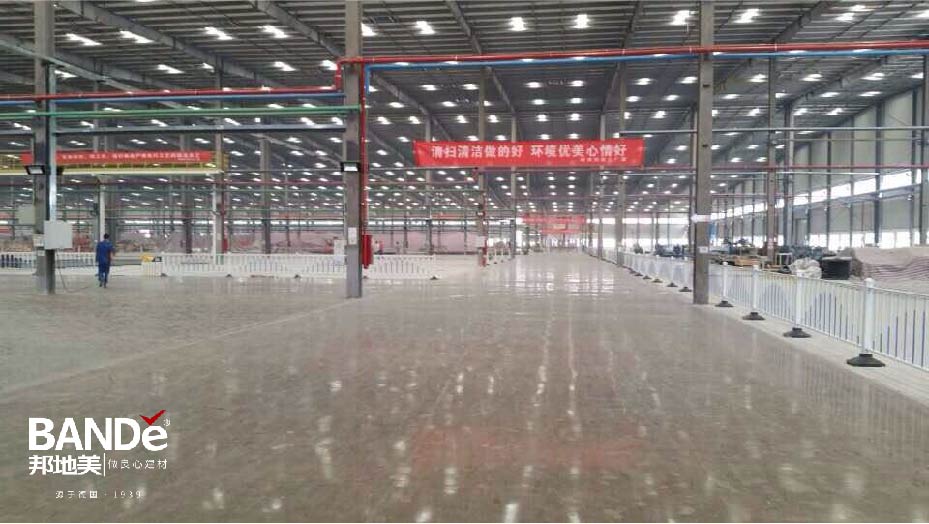
Concrete dusting in warehouses is not just annoying; it can indicate serious problems underneath. Issues such as poor surface curing, excessive water in the mix, and heavy traffic contribute to fine concrete dust. This dust can create slippery surfaces and degrade air quality, putting workers at risk for breathing issues. Additionally, it can damage machines and detract from the appearance of your warehouse. Therefore, understanding how to stop concrete floor dusting in warehouses is crucial for maintaining a safe and efficient workplace.
Key Takeaways
Concrete dusting can show big problems like bad curing and lots of traffic. Fixing these issues is important for safety. – Keeping up with maintenance, like having a cleaning plan and using industrial vacuums, helps cut down dust and makes the air better. – Using concrete densifiers makes surfaces stronger and reduces dust, creating a cleaner and healthier workplace. – Surface grinding takes away weak layers that create dust. This gets concrete ready for sealing and makes it last longer. – Using sealing agents helps stop future dusting and makes your warehouse look better and safer.
Causes of Concrete Dusting
Environmental Factors
The environment affects concrete dusting a lot. Changes in temperature and humidity can cause big problems. For example, high temperatures can make water in new concrete evaporate quickly. This fast evaporation can cause serious surface problems, like dusting. When the air is hot and dry, the surface water goes away faster than it can be replaced. This can make the concrete weak and more likely to create dust.
To stop these problems, good curing methods are very important. Curing keeps moisture in the concrete. This helps it harden properly and stay strong. If you don’t cure it well, you might make a weak surface layer that will dust away later.
Wear and Tear
Daily activities in your warehouse can also cause concrete dusting. Heavy equipment, like forklifts and scissor lifts, can wear down concrete floors a lot. This wear creates a weak surface layer called laitance, which is easier to damage. As machines move over the concrete, they can cause dusting, showing that the concrete is breaking down.
Here are some common ways wear happens that lead to more dusting:
Surface dusting: Equipment wheels can wear down the concrete surface.
Joint deterioration: Heavy loads on joints can cause chipping and spalling.
Deep wheel ruts: These can form quickly, creating slip hazards and hurting the concrete’s strength.
More forklift traffic directly increases concrete dusting. As you move more items, the chance of dust forming goes up. Regular maintenance, like good floor sweeping, can help reduce dust buildup and keep the air clean in your warehouse.
By knowing these causes, you can take steps to reduce concrete dusting and keep a safer, cleaner workplace.
How to Stop Concrete Floor Dusting in Warehouse
Regular Maintenance Practices
To stop concrete dusting in your warehouse, you need a good maintenance plan. Keeping up with your floors helps them last longer and stay clean. Here are some important things to do:
Establish a Cleaning Schedule: Make a routine for sweeping and scrubbing your floors. Sweep high-traffic areas daily to stop dust from building up. Plan a deep clean each week to remove tough dust.
Use Advanced Equipment: Buy industrial vacuums that can catch fine dust. These machines help improve air quality and lower dust levels in your warehouse.
Apply Sealants: Sealants make your concrete floor less porous. This means it will collect less dust. This step is important for a clean and safe space.
Implement Entryway Matting: Put mats at doors to catch dirt and dust before it enters. This small change can really help keep your floors clean.
Upgrade Air Filtration Systems: Make sure your air filters are current. Better air quality means fewer dust particles in the air, which helps your workers and machines.
Train Your Staff: Teach your team how to handle materials properly. This training can help reduce dust during daily work.
By doing these things, you can lower dusting and keep your warehouse cleaner.
Using Concrete Densifiers
Concrete densifiers are another good way to stop dusting in your warehouse. These products soak into the concrete and react with calcium hydroxide. This creates a stronger layer. Here’s how they help:
Reduce Dust Generation: Densifiers stick loose particles together. This stops them from breaking off and making dust. So, there will be less dust in the air and on your floors.
Enhance Surface Hardness: Densifiers make the concrete harder. This helps it resist wear and tear, especially in busy areas with heavy machines.
Improve Indoor Air Quality: With less dust in the air, your work environment becomes healthier. Cleaner air means fewer breathing problems and a more productive team.
Minimize Housekeeping Efforts: A denser surface makes cleaning easier and less often. This saves you time and money over time.
When using a concrete densifier like BANDě Polished Concrete Densifier, follow the instructions for best results. Make sure the surface is clean and dry before applying it. Allow enough curing time for it to work well.
By using regular maintenance and concrete densifiers, you can stop concrete floor dusting in your warehouse. These methods not only improve safety but also make your operations run better.
Treatment Options for Existing Concrete Dust
Surface Grinding Techniques
If you have concrete dust, surface grinding is a great method to try. This process uses diamond tools to grind the concrete surface. It removes the weak top layer that causes dust. Here are some important techniques to remember:
Water Suppression and Wet Cutting: This method cuts down dust by up to 85%. It also keeps your diamond blades cool. It’s a smart way to reduce dust in the air while grinding.
Dust Extraction: Use strong vacuums with special filters. They catch dust right at the source. This keeps your workspace cleaner and protects your health.
Equipment for Respiratory Protection: Always wear respirators and goggles. They protect you from dust in the air while grinding.
By using these techniques, you can create a clean surface. This is important for keeping your warehouse dust-free.
Applying Sealing Agents
After fixing the existing dust, applying sealing agents can help stop future problems. Here are some good options:
Type of Sealer | Description | Benefits for Dust-Prone Surfaces |
|---|---|---|
Penetrating Sealers | React with concrete to form calcium silicate hydrate, increasing density. | |
Densifiers (Silicates) | Fill tiny holes, making the surface harder and more resistant to wear. | Important for cutting down concrete dust and boosting durability. |
Topical Coatings | Create a protective layer on the surface. | Offer strong protection against spills and wear. |
Urethanes | High-quality coatings that resist wear and chemicals. | Excellent protection for busy areas. |
When picking a sealing agent, think about traffic and chemical exposure. For busy areas, you may need to reseal every 1-2 years. For lighter use, resealing every 3-5 years might be enough.
Taking these steps can greatly lower concrete dust. It also improves safety and looks in your warehouse. If you’re not sure what to do, ask a professional for help.
Concrete dusting in your warehouse can cause big problems, but you can fix it. It’s important to think about both stopping it and treating it. Regular maintenance, using concrete densifiers, and putting on sealing agents are important steps.
Here are some good things about fixing dusting:
Better air quality for your workers.
Lower chance of slips and falls.
Stronger concrete floors that last longer.
Doing these things not only makes it safer but also helps everyone work better. If you don’t know where to begin, think about getting expert help. Your warehouse needs to be clean and safe!
FAQ
What causes concrete dusting in warehouses?
Concrete dusting usually happens because of bad curing, too much moisture, and heavy traffic. Changes in temperature and humidity can also weaken the surface and cause dust.
How can I prevent concrete dusting?
You can stop dusting by keeping a regular cleaning schedule, using concrete densifiers, applying sealants, and curing properly. These steps help keep your floors strong and free of dust.
How often should I apply concrete densifiers?
Apply concrete densifiers every 1-3 years, based on traffic and wear. Regular use helps keep the surface hard and reduces dust, making your warehouse cleaner.
Is surface grinding effective for existing dust issues?
Yes, surface grinding is good at removing weak layers that cause dust. It gets the concrete ready for sealing and densifying, making the surface smoother and stronger.
When should I consider professional help?
If dusting keeps happening despite your efforts, or if there is a lot of damage, talk to a professional. They can check the problem and suggest the best solutions for your warehouse.
See Also
Selecting The Ideal Concrete Densifier For Your Warehouse
Applying Concrete Dust Sealers For A Clean Floor
Top Floor Hardener Options For UK Industrial Warehouses
