

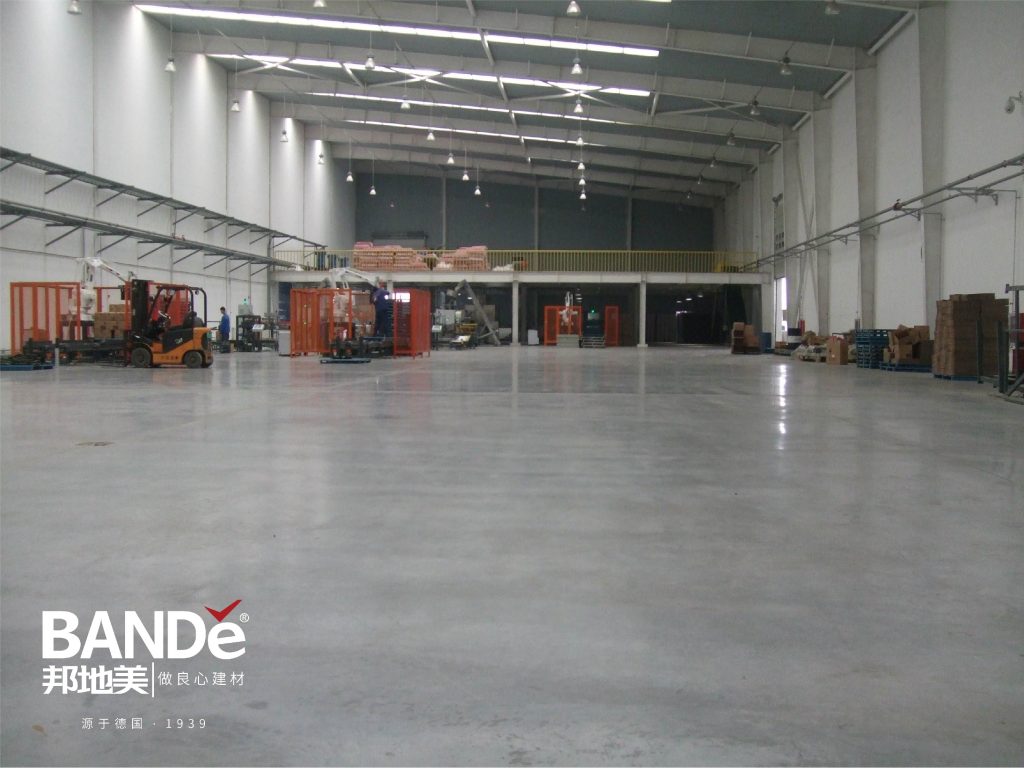
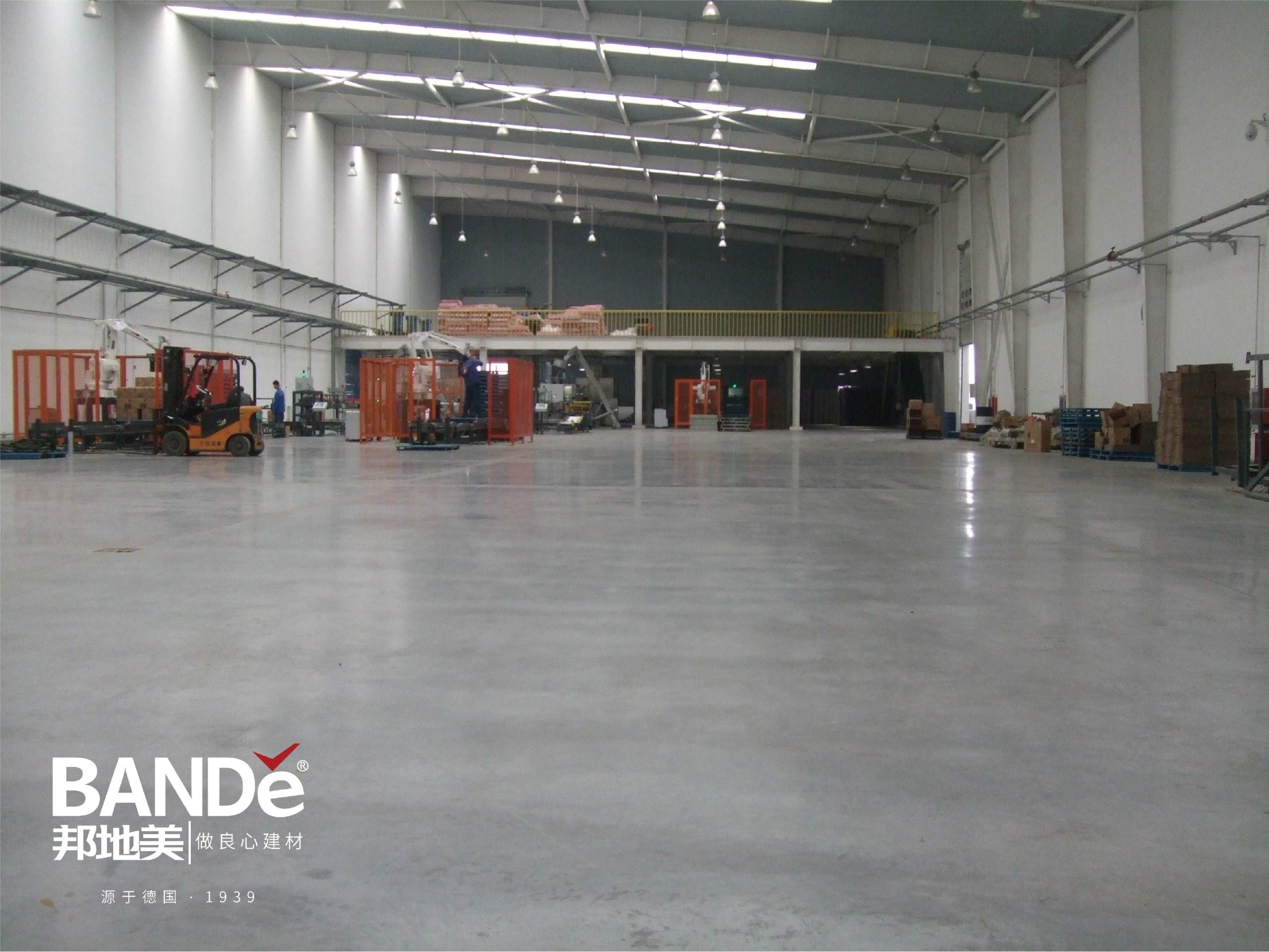
Concrete floor hardeners are very important. They make your floors stronger and last longer. These hardeners create a tough surface. This surface can handle heavy foot traffic and vehicles. When you use these hardeners, you get many benefits. These include lower maintenance costs and better looks.
To get the best results, you need to follow a guide. This guide shows you how to apply concrete floor hardener step by step. Applying it correctly helps you use the hardener well. This leads to a shiny and long-lasting finish.
Key Takeaways
Concrete floor hardeners make floors stronger and look better. They help floors last longer.
Pick the right hardener for your project. Think about strength, durability, and the environment.
Get the concrete surface ready by cleaning it. Fix any damage so the hardener sticks well.
Use the right application methods. This includes mixing and curing for a strong and shiny finish.
Using a concrete floor hardener saves money on maintenance. It also makes your floors last longer.
Concrete Floor Hardener Overview
A concrete floor hardener is a special product. It makes concrete surfaces stronger and more durable. You put it on to create a tough layer on your floors. This layer helps protect against damage from heavy foot traffic, machines, and spills. Using a concrete hardener can make your floors last longer and look better.
There are different types of concrete hardeners you can find. Each type has special features for different needs. Here are the main types:
Metallic Hardener: This type has metal bits that help resist wear. It is great for busy areas because it lasts longer. But, you need to keep it dry to stop rust.
Non-Metallic Hardener: These hardeners use minerals like quartz or man-made materials. They work well but may not last as long as metallic ones.
Polymer-Based Hardener: This type uses polymers to stick well to the concrete. It can make the surface more flexible and resistant to chemicals.
When choosing a hardener, think about what you need it for. If you need a surface for heavy machines, a metallic hardener is best. If you want something more eco-friendly, a polymer-based hardener might be right.
How to Choose the Right Concrete Hardener
Choosing the right concrete hardener is very important. It helps you get the best results. You should think about a few things before you decide. Here are some key points to remember:
Type of Construction Project: Figure out if your project is industrial, commercial, or residential. Each type may need different hardeners.
Required Strength and Durability: Think about how much wear and tear the surface will get. Busy areas need stronger hardeners.
Resistance to Chemicals and Weather: If your concrete will face harsh chemicals or weather, pick a hardener that protects against these things.
Ease of Application and Curing Process: Some hardeners are easier to use than others. Think about how much time and effort you can spend on applying it.
Availability and Price: Look at how easy it is to find the hardener and its cost. Make sure it fits your budget while meeting your needs.
The environment also matters when you choose. For example:
High humidity can cause problems like blistering if you use some hardeners on wet concrete.
Extreme temperatures can hurt the curing process and bonding strength. Always do moisture tests and make sure there is good airflow before you install.
One great product to consider is the BANDě Polished Concrete Densifier. This product is colorless, odorless, non-toxic, and water-based. It reacts with ions in set concrete, giving a strong, shiny finish. The BANDě Polished Concrete Densifier seals well, hardens, and resists moisture.
Here are some other concrete hardeners you might want to think about:
Dry Shake Non-Metallic Hardener: Great for making surfaces durable without metal parts.
Dry Shake Metallic Hardener: Provides excellent wear resistance, perfect for busy areas.
Floor Densifier: Helps the concrete resist wear and improves its look.
Choosing the best concrete hardener depends on what you need. Think about the type of concrete, how you plan to use it, and how much protection you want. The right choice will make it last longer, need less maintenance, and look better.
Preparing the Surface for Application
Cleaning the Floor
Before you put on concrete floor hardener, clean the floor well. A clean surface helps the hardener stick better and look smoother. Follow these steps to get the concrete ready:
Take away dust, dirt, grease, and oil.
Sweep and vacuum the floor to get rid of loose stuff.
Use strong cleaners for tough stains.
Think about using machines like grinders or shot blasters to make the surface rough. This helps the hardener stick better.
Cleaning the floor is very important. Dirt can change how well the hardener works. A clean surface helps the hardener soak in well, giving a strong finish.
Repairing Surface Issues
After cleaning, check the concrete for any damage. You need to fix any cracks, holes, or bumps before using the hardener.
To fix these problems, you can use trowelling or pouring methods. Make sure to let the repairs dry completely before applying the hardener. Properly getting the concrete surface ready will help the hardener work better and make your floors last longer.
By following these steps, you create a strong base for your concrete floor hardener. A well-prepared surface gives a stronger and tougher finish.
How to Apply Concrete Floor Hardener Step by Step
Applying concrete floor hardener needs careful planning and doing. Follow these steps to make sure you do it right.
Mixing the Hardener
First, get the concrete surface ready. Make sure it is freshly poured and flat. Let it reach the plastic stage before mixing the hardener. Here’s how to mix the hardener well:
Spread about two-thirds of the dry-shake hardener evenly over the surface.
Use a bull float or power trowel to push the hardener into the concrete.
After floating the surface, add the last one-third of the hardener evenly.
Float the surface again to mix in the second part.
Once it hardens, use a power trowel to smooth and compact the surface.
Keep the surface moist for 7-14 days to cure it.
Following these mixing steps will help you get a strong bond between the hardener and the concrete.
Application Techniques
For the best results when applying the floor hardener, think about these helpful techniques:
Apply the hardener while the surface is still wet. This helps with even coverage.
After the initial set, smooth the surface with a steel trowel.
Keep the hardener damp for 10 days before using it heavily.
These techniques will help you get a great finish and make your concrete surface last longer.
Curing and Finishing Touches
Curing is an important step in the application process. Proper curing helps the hardener bond well with the concrete. Here’s how to cure your surface:
Keep the surface moist for at least 7-14 days. This moisture helps the hardener strengthen the concrete.
Avoid heavy foot traffic during curing to stop damage.
After curing, check the surface for any flaws. If needed, do light polishing to make it shine.
By following these curing steps, you will make sure your concrete floor hardener application is successful and lasts a long time.
Safety Considerations
Personal Protective Equipment
When you apply concrete floor hardener, your safety is very important. Wearing the right personal protective equipment (PPE) keeps you safe from dangers. Here are some key items you should wear:
Safety Goggles: They protect your eyes from dust and splashes.
Gloves: Use gloves that resist chemicals to protect your hands.
Dust Mask or Respirator: A mask helps you avoid breathing in dust or fumes.
Steel-Toed Boots: These boots keep your feet safe from heavy items and give good grip.
Always check your PPE before you start. Make sure everything fits well and is in good shape.
Environmental Precautions
You also need to think about the environment when applying concrete floor hardener. Here are some important steps to take:
Ventilation: Make sure the area has good airflow. Open windows and doors to let fresh air in. This helps reduce harmful fumes.
Weather Conditions: Don’t apply hardener when it’s raining or very hot. Moisture can mess up the curing process, and high heat can make it evaporate too fast.
Waste Disposal: Get rid of any leftover hardener and cleaning supplies properly. Follow local rules for hazardous waste to help the environment.
By following these safety tips, you make a safer workspace for yourself and others. Always remember that safety is the top priority when working with concrete and hardeners.
Benefits of Using Concrete Floor Hardener
Durability and Aesthetic Improvements
Using a concrete floor hardener makes your floors much stronger. You can get up to 300% more resistance to wear than untreated concrete. This means your floors can handle heavy foot traffic and machines without getting damaged. The table below shows the improvements you can see:
Improvement Metric | Untreated Concrete | Concrete with Dry Shake Hardeners |
|---|---|---|
Abrasion Resistance | Baseline | Up to 300% greater resistance |
Resistance to Impact | Low | Significantly higher |
Surface Wear | High | Reduced wear over time |
Besides being stronger, concrete floor hardeners also make your floors look better. Some hardeners add color and shine, making your floors more appealing. For example, slurry-based color hardeners create bright surfaces that improve your design ideas. Here’s a quick look at how aesthetics improve:
Aspect | Description |
|---|---|
Enhanced Aesthetics | Some hardeners can add color and shine to concrete floors, improving their appearance. |
Aesthetic Enhancement | Slurry-based color hardeners enhance the visual appeal of concrete floors, allowing for vibrant, eye-catching surfaces that complement design visions. |
Long-Term Maintenance
Concrete floor hardeners also lower the need for maintenance over time. Treated floors need less care than untreated ones. The table below shows the differences in maintenance needs:
Feature | Untreated Concrete Floor | Densified Concrete Floor |
|---|---|---|
Surface Hardness | Moderate | High |
Dust Formation | High | Very Low |
Abrasion Resistance | Medium | High |
Maintenance Cost | Higher over time | |
Floor Lifespan | Standard | Extended lifespan |
You can expect a concrete floor treated with a hardener to last longer, with much less maintenance needed. In fact, a metallic hardener can make your concrete floor last up to 50% longer. This means you save money on repairs and replacements over time. Overall, applying a floor hardener is a smart choice for both strength and looks.
Applying concrete floor hardener needs careful attention. Follow these important steps to succeed:
Prepare the Surface: Clean and fix any damage.
Mix the Hardener: Make sure it mixes well for good bonding.
Apply Evenly: Use the right methods for even coverage.
Cure Properly: Keep it moist during curing.
Avoid common mistakes that can hurt your results. Here’s a quick list:
Common Mistakes | Description |
|---|---|
Over-application | Causes white spots or a cloudy look. |
Rushing the process | Not curing enough weakens the densifier’s effect. |
Skipping preparation | Leads to weak bonding and less durability. |
Early traffic | Using it too soon or exposing it to chemicals lowers performance. |
By following these steps and avoiding mistakes, you will get a strong and nice-looking concrete floor.
FAQ
When is the best time to use concrete floor hardener?
You should use concrete floor hardener when the concrete is still wet. This helps it stick better and work well. Don’t apply it when it’s raining or very hot outside.
How long does it take for the hardener to dry?
Drying usually takes 7 to 14 days. Keep the surface wet during this time to help it bond and get strong. Don’t walk on it heavily until it’s fully dry.
Can I use hardener on old concrete?
Yes, you can use hardener on old concrete. Just make sure to clean and fix the surface first. This helps the hardener soak in and stick well, making it stronger.
How often should I put on concrete floor hardener again?
How often you need to reapply depends on how much wear it gets. Usually, you should think about reapplying every 5 to 10 years. Checking regularly can help you know when to do it again.
Is concrete floor hardener safe to use indoors?
Yes, most concrete floor hardeners, like BANDě Polished Concrete Densifier, are safe and non-toxic for indoor use. Make sure there is good airflow while applying it to reduce any fumes.
See Also
Understanding BANDě Concrete Floor Hardener: Key Insights
Choosing the Ideal Concrete Floor Hardener for 2025
Top 5 Tips for Using Concrete Hardener in 2025
Floor Hardener: Definition and Functionality Explained
Comprehensive Guide to Choosing BANDě Floor Hardener in 2025
