

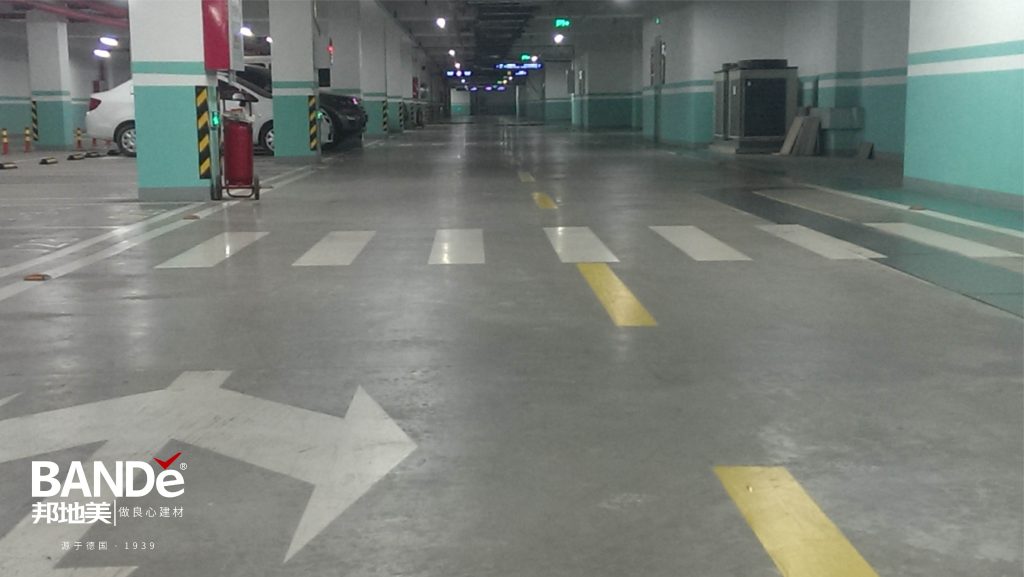
Concrete pitting on your garage floor can be a significant issue, affecting both the appearance and strength of your space. Learning how to repair concrete pitting on a garage floor is crucial, as neglecting it can lead to more severe problems like cracks and spalling. Additionally, those rough spots pose a tripping hazard. Prompt repair is essential! Consider using BANDě Concrete Patching Compound, a new material designed to effortlessly address those troublesome pits, ensuring your garage floor remains strong and visually appealing.
Key Takeaways
Concrete pitting makes your garage floor weak. It can cause trips. Fix it fast to stop more damage.
Use BANDě Concrete Patching Compound to fill pits well. This product sticks strong and looks smooth.
Clean and take care of your floor often. Seal and pressure wash it to keep it nice and lasting.
Stop pitting by cleaning spills fast. Put mats under cars to catch drips.
Think about resurfacing your floor after fixing it. This adds strength and makes it look good.
What Causes a Pitted Garage Floor?
Concrete pitting on your garage floor can be a big problem. But what makes these annoying pits appear? Let’s look at the main reasons.
Common Causes of Pitting
There are several reasons why your garage floor gets pitted. Here are the most common ones:
Freeze-thaw cycles: Water gets into tiny cracks and holes in the concrete. When it freezes, the water expands and breaks the concrete. As the ice melts, it leaves bigger cracks, causing more damage over time.
Deicing salts and chemicals: These come into your garage on your car’s tires. They soak into the concrete and pull in moisture. When it gets cold, the moisture freezes and creates pressure. This pressure makes the surface flake and crack.
Effects of Pitting on Garage Floors
Pitting doesn’t just make your floor look bad; it also weakens it. If you don’t fix it, the damage can get worse. Small chips and holes make the surface weaker and easier to break. Cracks let water go deeper into the concrete. When the water freezes, it makes the damage worse. Over time, this can cause crumbling edges, uneven spots, and puddles, which harm the floor’s strength.
Garage Finisher fixes cracks, pits, and rough areas before adding any coating. These flaws won’t just disappear under a shiny finish. Edges, corners, and joints also get special care. This makes the floor look smooth and professional, not like a rushed job.
A pitted floor can also be dangerous. Rough spots can make people trip and fall, making the garage less safe. The weather in your area can also change how you fix these pits. For example, places like Northeast Ohio deal with moisture, freeze-thaw cycles, and road salt. These need extra care to make sure repairs last.
By knowing what causes pitting and how it affects your floor, you can stop it and fix it. This will keep your garage floor strong and looking great.
How to Prepare for Repair
Before you start fixing your garage floor, you need to get it ready. This helps your repairs last and look good. Here’s how to begin.
Cleaning and Removing Debris
First, clean the floor really well. A clean surface is very important for good results. Follow these steps:
Sweep the whole floor to get rid of dust, dirt, and debris.
Use a stiff brush or pressure washer for tough stains or oil spots.
Make sure to remove all dirt. Loose debris can make it hard for the repair material to stick to the concrete.
After cleaning, let the surface dry for at least 24 hours. This is important for the BANDě Concrete Patching Compound to stick well.
Assessing the Damage
Next, look closely at the pitting. Checking the damage helps you see how bad it is and what repairs you need. Use these points to evaluate:
Description | |
|---|---|
Adhesion | High; very important for a good repair, allowing for some mistakes. |
Shrinkage | Low; too much shrinkage can cause problems with repairs. |
Tensile Strength | High; needed for the repair to last. |
Fatigue Strength | High; makes sure the repair can handle stress over time. |
Chloride Penetration | Low; lowers the chance of rust in the repaired area. |
Susceptibility to Carbonation | Low; helps prevent damage from carbonation. |
Resistance to Environmental Impact | High; keeps the repair safe from harsh conditions. |
This check will help you plan your repairs and decide if you need to fill in pits or redo the whole area.
Tools and Safety Gear
Lastly, remember to stay safe! Protecting yourself while you work is very important. Here’s a list of safety gear you need:
Heavy-duty gloves
Safety glasses or goggles
Dust mask or respirator
Old clothes or coveralls
Knee pads if you’ll be kneeling a lot
Wearing the right gear keeps you safe from dust and chemicals, making the repair process easier.
By following these preparation steps, you will be ready to successfully repair your garage floor.
How to Repair Concrete Pitting on Garage Floor
Filling Pits with Patching Compound
To fix a pitted garage floor, start with BANDě Concrete Patching Compound. This product is made to repair pitted concrete floors, making it perfect for garages. Here’s how to mix and use it:
Gather Your Materials: You’ll need BANDě Concrete Patching Compound, clean water, a mixing bucket, a trowel, and a floor squeegee.
Mix the Compound: Combine the patching compound with water in a bucket. Follow the instructions for the right water-to-powder ratio. Stir until the mixture is smooth and has no lumps.
Apply the Compound: Use a trowel to fill the pits. Press the compound firmly into the holes so it sticks well to the concrete. Smooth the surface with the trowel for an even finish.
Tip: Work on small sections so the compound doesn’t dry before you finish.
Using a Resurfacer for a Smooth Finish
After filling the pits, use a resurfacer to make the floor smooth. This step improves how the floor looks and lasts. Here’s why resurfacing is helpful:
It makes the floor stronger and able to handle heavy use.
A resurfaced floor is easier to clean and maintain.
This saves you time and effort in the long run.
To apply the resurfacer, follow these steps:
Prepare the Surface: Make sure the patched areas are fully dry. Clean the floor again to remove dust or debris.
Mix and Spread the Resurfacer: Mix the resurfacer as instructed. Use a floor squeegee to spread it evenly across the floor.
Finish the Application: Work in sections to keep the thickness even. Let the resurfacer dry according to the instructions.
Recommended Tools for Application
Using the right tools makes the job easier and better. Here’s what you’ll need:
Concrete Grinder: Prepares the surface by removing damaged layers.
Trowel: Helps apply the patching compound and smooth the surface.
Floor Squeegee: Spreads the resurfacer evenly across the floor.
Pressure Washer: Cleans the floor thoroughly before repairs.
Bucket: Used for mixing the patching compound and resurfacer.
These tools will help you get a professional-looking garage floor.
By following these steps, you can repair and coat a pitted garage floor. This will keep it strong and looking great for many years.
Finishing and Protecting the Floor
After fixing the pitting in your garage floor, it’s time to finish and protect it. Adding a coating can make it stronger and look better. Two popular choices are epoxy and polyaspartic coatings. Let’s look at these options.
Applying Epoxy or Polyaspartic Coatings
Both epoxy and polyaspartic coatings have special benefits. Here’s a quick comparison to help you choose:
Benefit | Polyaspartic Coatings | Epoxy Coatings |
|---|---|---|
Durability | Strong | |
UV Resistance | High | Low |
Curing Time | Quick | Slower |
Lifespan | More than ten years | Less than ten years |
Flexibility | Some | None |
Impact Resistance | High | Moderate |
Chemical Resistance | Excellent | Good |
Maintenance | Easier | Harder |
Polyaspartic coatings dry fast and resist UV damage. This makes them great for garages that get sunlight. On the other hand, epoxy coatings are strong but may turn yellow over time.
Tips for Long-Lasting Results
To make sure your new floor lasts, follow these tips:
Mist the surface in hot, dry weather to keep it damp longer for full hardening.
Wait at least 24 hours before driving on the new floor.
Follow the manufacturer’s directions for extra misting in hot weather or more drying time in cool weather.
After a few days of curing, think about applying a concrete sealer to protect against stains.
By doing these steps, you can have a beautiful and strong garage floor for many years.
Maintenance Tips for a Pitted Concrete Floor
Regular Cleaning and Inspection
Keeping your garage floor clean is very important. It helps keep it looking good and lasting longer. Regular cleaning stops dirt and stains from sticking. Here are some easy ways to keep your floor in great shape:
Sealers: Putting on a concrete sealer protects your floor. It keeps out stains, water, and road salt. A good sealer can last over a year.
Pressure Washing: Use a pressure washer to clean tough dirt and old stains. This makes your concrete look better and shine.
Regular Sweeping and Spot Cleaning: Sweep your garage floor at least once or twice a week. Clean up spills right away to keep it clean.
By following these cleaning tips, your repaired concrete floor will stay looking great.
Preventing Future Pitting
To stop future pitting, you need to take action. Here are some simple steps you can follow:
Be careful about what touches your garage floor. Don’t let harmful chemicals sit on it.
Clean up spills quickly to avoid damage.
Use mats under cars to catch drips and spills that could harm the floor.
Also, when pouring new concrete, use the right amounts of water, cement, and aggregates. A low water-cement ratio helps make a strong surface. Proper curing is important too; keep the surface wet for at least seven days using water or curing compounds.
By taking these steps, you can keep your garage floor strong and free from pitting for many years.
Fixing a pitted garage floor is not too hard. Here’s a quick summary of the main steps:
Clean the surface well to help it stick.
Fill the pits with BANDě Concrete Patching Compound for a strong hold.
Think about resurfacing for a smooth look and better strength.
Using good materials like BANDě Concrete Patching Compound has many long-term benefits:
You’ll save money on repairs and upkeep because it lasts long.
It makes your concrete floor last longer, so you won’t need repairs often.
It makes your garage floor look better and work well.
Don’t forget to do regular maintenance! Cleaning, sealing, and checking your floor can really help it last longer. So, take action today to keep your garage floor looking nice and lasting longer! 🛠️
FAQ
How long does it take for BANDě Concrete Patching Compound to set?
The compound sets quickly, allowing you to use your garage floor soon after application. Typically, it takes a few hours to dry, but always check the product instructions for specific drying times.
Can I use BANDě Concrete Patching Compound outdoors?
Avoid using it outdoors on rainy days. The compound works best in dry conditions, ensuring a strong bond and lasting repair.
What tools do I need to apply BANDě Concrete Patching Compound?
You’ll need a mixing bucket, trowel, and floor squeegee. These tools help you mix and apply the compound smoothly, ensuring a professional finish.
Is BANDě Concrete Patching Compound safe to use?
Yes, it’s safe when you use proper safety gear. Wear gloves, goggles, and a dust mask to protect yourself from dust and chemicals during application.
How do I store BANDě Concrete Patching Compound?
Store it in a cool, dry place with the bag tightly sealed. This keeps the compound fresh and ready for future use.
See Also
Top 5 Concrete Hardener Tricks For Floors In 2025
Ultimate Guide To Fixing Cracks With Concrete Patching
How To Choose The Best Epoxy Patch For Concrete
