

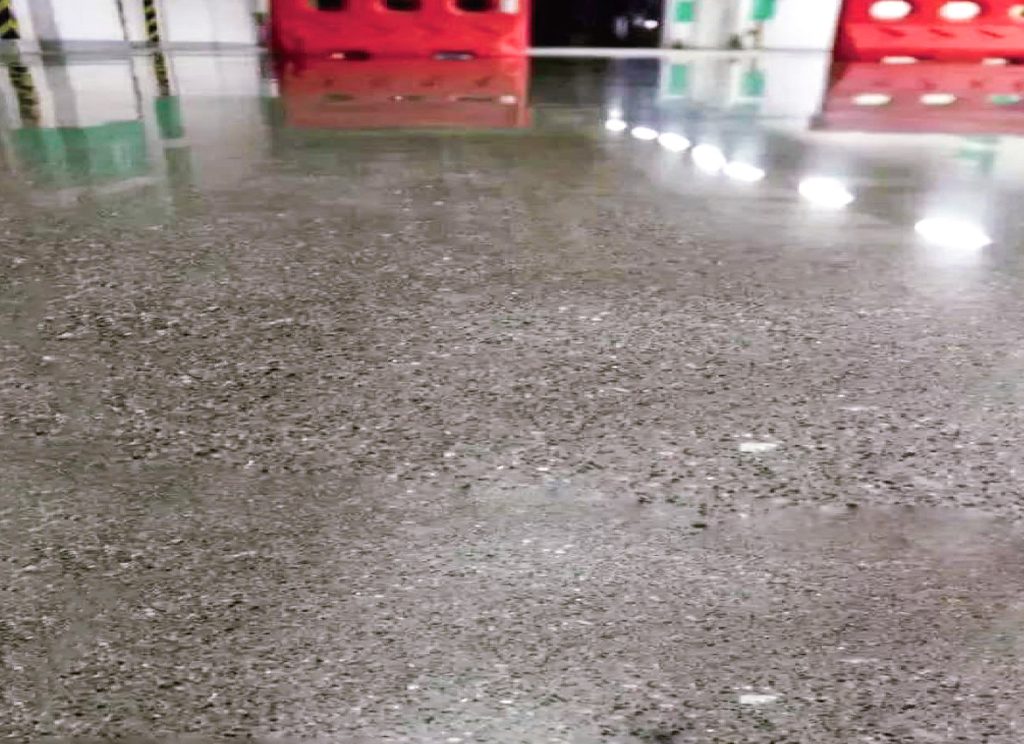
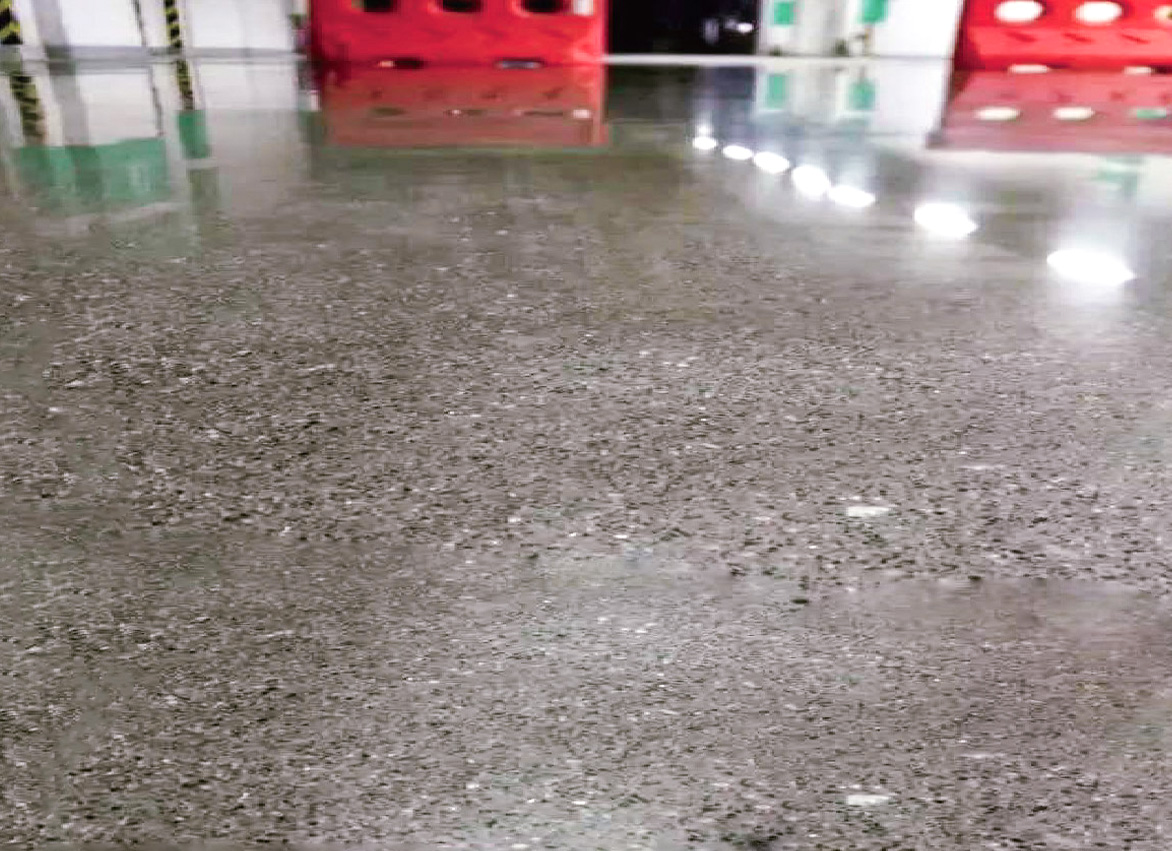
Scratches and scuff marks on polished concrete floors can be very annoying. They detract from the overall appearance of your space and can influence how customers perceive your business. Polished concrete is renowned for its strength and aesthetic appeal, making it essential to maintain its pristine look. A well-maintained finish not only enhances the beauty but also simplifies cleaning and upkeep. Therefore, knowing how to fix scratches and scuff marks on polished concrete floor quickly can help you avoid larger issues down the line. The BANDě Floor polishing liquid is an excellent solution to restore the shine and protect the surface effectively.
Key Takeaways
Clean your floors often to stop scratches. Place mats at doors to catch dirt and dust.
Pick the right tools to fix scratches. Diamond polishing pads and floor polishing liquids work well.
Hand polishing helps remove small scratches. Follow steps with different grit pads for the best results.
Protect your floors with coatings. Epoxy and urethane coatings make them last longer and easier to clean.
Fix scratches quickly. Fast repairs keep your floors looking good and save money later.
Causes of Scratches
Scratches on polished concrete floors can come from many places. Knowing these causes helps you stop them and keep your floors nice.
Common Damage Sources
Everyday things can scratch polished concrete. Here are some common reasons:
Abrasive cleaning tools: Steel wool or rough pads can scratch the floor.
Dragging heavy furniture: Moving furniture without lifting it makes ugly marks.
Exposure to acidic substances: Acidic spills from cleaners or food can harm the finish.
By watching out for these, you can keep your floors safe from damage.
Environmental Factors
The environment also affects polished concrete floors. Here’s how different things can change them:
Environmental Factor | Effect on Polished Concrete Floors |
|---|---|
High Humidity | Causes moisture to soak in, weakening the surface. |
Temperature Fluctuations | Makes the material expand and shrink, causing scratches. |
Chemical Exposure | Breaks down sealant, making it easier to damage. |
Watching these environmental factors helps keep polished concrete floors looking good and strong.
How to Fix Scratches and Scuff Marks on Polished Concrete Floor
If you want to fix scratches and scuff marks on your polished concrete floors, there are many good methods to try. Let’s look at these options so you can make your floors shine again.
Diamond Polishing Pads
Using diamond polishing pads is a great way to remove scratches. These pads come in different grits, so you can pick the right one. Here’s what you need to know:
Effectiveness: Diamond polishing pads work well to remove scratches. Choose the right grit for the job. Start with a coarser grit for deeper scratches, then use finer grits for a smooth finish.
To use diamond polishing pads, follow these steps:
Prepare the Surface: Clean the floor well to get rid of dirt.
Attach the Pad: Put the right grit pad on your floor buffer.
Polish: Move the buffer in straight lines. Overlap each pass by about 50%. This helps prevent swirl marks.
Using Floor Polishing Liquid
Another good choice is to use a floor polishing liquid, like the BANDě Floor polishing liquid. This product makes the floor shine and protects it. Here’s how to use it:
Application: Make sure the floor is clean and dry. Spray the polishing liquid evenly on the surface.
Mopping: Use a mop to spread the liquid evenly. Let it soak for about 20 minutes.
Polishing: After soaking, polish the floor with a buffer to get a bright shine.
This product is water-based and safe for the environment. It makes the floor brighter and helps it resist stains and wear.
Hand Polishing Techniques
If you like to do things by hand, hand polishing can help remove small scratches and scuff marks. Here’s how to do it:
Surface Preparation: Make sure the concrete is clean, dry, and free of any coatings. Fix any cracks or big problems.
Start with Coarse Grit: Use a 50 or 100 grit pad. Work in small sections with steady pressure and speed.
Maintain Steady Movement: Move in straight lines or gentle curves to avoid swirl marks. Overlap each pass by 50%.
Water Management: Keep an eye on the water to create a slurry that helps with cutting and removes debris.
Grit Progression: Move through grits step by step, doubling the grit number each time (100, 200, 400, 800, 1500, 3000).
Apply Densifier: At around 400 or 800 grit, put on a densifier and let it soak in before using finer grits.
By using these methods, you can fix scratches and scuff marks on your polished concrete floors. This will help them stay beautiful and strong for many years.
Preventative Measures for Polished Concrete
To keep your polished concrete floors looking good, you need to follow some easy steps. Here are some helpful tips to maintain their shine and strength.
Regular Cleaning Tips
Cleaning your floors often is important to stop scratches. Here are some good ways to do this:
Use floor mats: Put mats at doors to catch dirt and water from shoes. This keeps your floors clean.
Avoid dragging heavy objects: Instead of pulling furniture, use dollies or carts with soft wheels. This stops ugly scratches.
Train your cleaning staff: Make sure everyone knows how to clean properly. Regular training helps a lot.
Dust mop daily: Use a microfiber dust mop or a soft broom to get rid of dirt. This keeps your floors looking nice.
Damp mop as needed: Use clean water or a gentle cleaner for damp mopping. This helps keep the shine without hurting the surface.
Clean spills promptly: Wipe up spills right away with a soft cloth and warm water to stop stains.
Protective Coatings
Using protective coatings can really help your polished concrete floors last longer. Here’s a quick look at some choices:
Benefits | Application Requirements | |
|---|---|---|
Epoxy | Strong, flexible, resists scratches and stains | Careful surface prep, professional help |
Urethane | Scuff resistant, boosts durability | Careful surface prep, professional help |
These coatings not only guard against scratches but also make cleaning easier.
Using Furniture Pads
Furniture pads are an easy way to cut down on scratches. Here’s how to use them:
Place pads under furniture: Put them on the bottom of chairs, desks, and other items to prevent scratches.
Implement preventive measures: Protect your polished concrete floors by putting mats or rugs at doors. This catches dirt and water before it gets to your floors.
By following these steps, you can keep your polished concrete floors looking great for many years.
Keeping your polished concrete floors looking good is very important. Fixing scratches quickly makes them look better and helps them last longer. Regular care stops small problems from becoming big, expensive repairs. This can save you money in the long run by preventing serious damage.
If you are not sure how to fix scratches, you might want to get professional help. Here’s a quick comparison:
Factor | DIY Concrete Floor Polishing | Professional Concrete Floor Polishing |
|---|---|---|
Tools and equipment | Limited power and consistency | Heavy-duty tools for better results |
Surface prep and repairs | Harder to keep even | Repairs are part of the service |
Finish quality | May look uneven | Smooth, high-quality finish |
Time required | Takes longer because of setup | Quicker with proven methods |
Cost control | Lower upfront cost, but higher redo risk | Higher upfront cost, but better long-term value |
Whether you decide to do it yourself or hire a pro, acting now will keep your floors shining for many years! 🌟
FAQ
How often should you polish concrete floors?
You should polish your concrete floors every 2 to 3 years. This keeps them shiny and looking new. Regular care helps stop scratches and wear.
Can you use regular cleaning products on polished concrete?
Do not use strong chemicals or acidic cleaners. They can hurt the finish. Use pH-neutral cleaners or ones made for polished concrete.
What should you do if a scratch is too deep?
For deep scratches, think about hiring a professional. They have the right tools and skills to fix your floor’s look well.
Is it necessary to seal polished concrete floors?
Yes, sealing helps protect against stains and scratches. It also makes the floor shine more. Think about applying a sealant every few years for the best protection.
Can BANDě Floor polishing liquid be used on all concrete floors?
Yes, BANDě Floor polishing liquid works on many concrete surfaces. It boosts shine and protects against wear and stains.
See Also
Transforming Your Concrete Floors From Dull To Dazzling
Comprehensive Guide To Using BANDě For Concrete Floor Polishing
Steps To Apply Concrete Dust Sealer For A Clean Floor
Choosing The Best Crystal Concrete Polishing Service With BANDě
