



Polished concrete floors have gained immense popularity in both homes and businesses. Their sleek look and durability make them a top choice for many. As you consider this flooring option, it’s crucial to weigh the benefits and drawbacks. Understanding both sides helps you make a well-informed decision for your space.
The global polished concrete market is projected to grow from USD 3.08 billion in 2026 to USD 4.77 billion by 2035.
Innovations like concrete dyes and staining techniques allow for stunning designs and customization.
Embracing this trend means you’re not just choosing a floor; you’re investing in a stylish, practical solution.
Key Takeaways
Polished concrete floors are highly durable, lasting 20 years or more, making them ideal for high-traffic areas.
They require low maintenance, needing only basic cleaning and occasional repolishing, which saves time and money.
Polished concrete is a cost-effective flooring option, with installation costs ranging from $3 to $7 per square foot, offering long-term savings.
Pros of Polished Concrete
High Durability
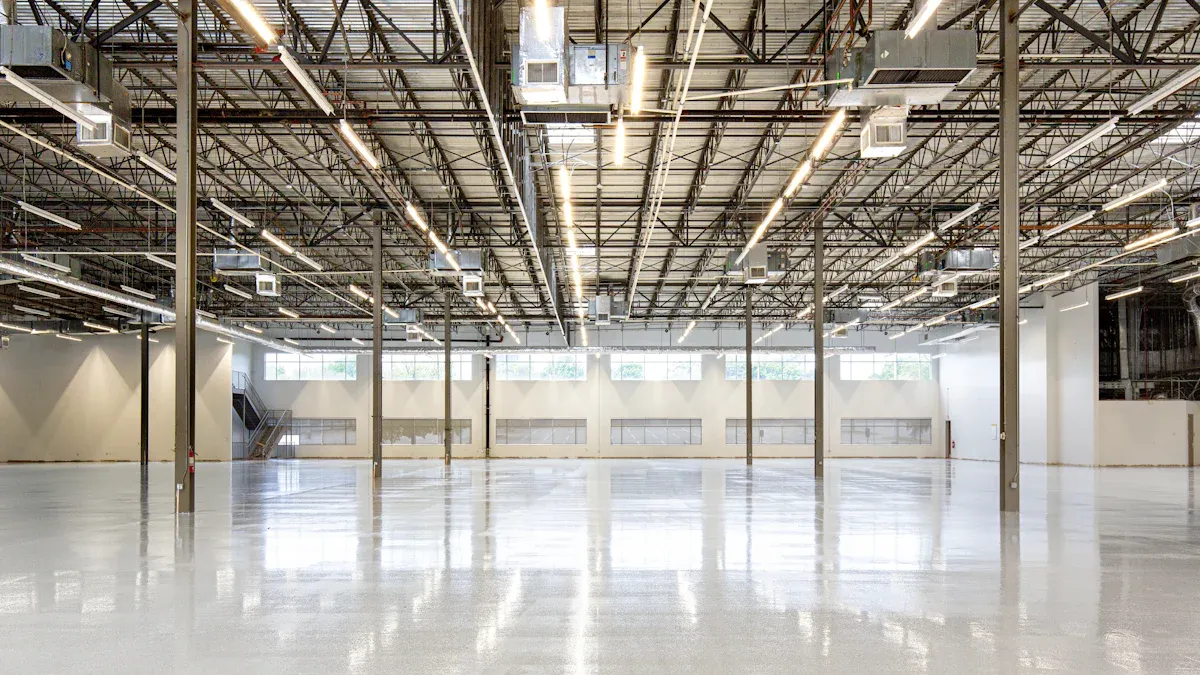
One of the standout features of polished concrete floors is their high durability. These floors can last 20 years or more, making them a long-term investment for your space. Compared to other flooring options, polished concrete shows remarkable resistance to wear and tear. For instance, here’s how it stacks up against epoxy flooring:
Feature | Polished Concrete | Epoxy Flooring |
|---|---|---|
Average Lifespan | 20 years or more | 5–10 years |
Abrasion Resistance | Excellent | Very Good to Excellent |
Impact Resistance | Good (may chip under stress) | Good to Excellent |
Chemical Resistance | Moderate | Excellent |
Load Bearing | Excellent | Excellent |
This durability makes polished concrete ideal for high-traffic areas, whether in a home or a commercial setting.
Low Maintenance
Another significant advantage is the low maintenance required for polished concrete floors. You won’t need to worry about extensive upkeep. A simple routine of basic cleaning and occasional repolishing keeps your floors looking great. This is much less demanding than hardwood floors, which require periodic sanding and sealing. Here’s a quick comparison of maintenance needs:
Polished Concrete: Basic cleaning, occasional repolishing.
Hardwood: Periodic sanding and sealing.
Tile: Maintenance varies, especially if waxing is involved.
This ease of maintenance not only saves you time but also reduces costs over the long run.
Cost-Effectiveness
When it comes to installation, polished concrete is a cost-effective choice. You can expect to pay between $3 to $7 per square foot for a basic design. More decorative options may range from $8 to $20+ per square foot, depending on the complexity. Here’s a quick look at the installation costs of various flooring types:
Flooring Type | Typical Installation Cost ($/sq. ft.) |
|---|---|
Carpet | $2 – $20+/sq. ft. |
Hardwood Flooring | $6 – $12/sq. ft. |
Polished Concrete | $3 – $7/sq. ft. |
In addition to lower initial costs, polished concrete floors offer long-term savings. They have a lifespan of 30-50 years, which means you won’t need to replace them frequently. This longevity, combined with minimal maintenance costs, makes polished concrete a smart financial choice.
Eco-Friendliness
Lastly, polished concrete floors are an eco-friendly option. They can contribute to LEED certification by using recycled materials and locally sourced products. Their durability means fewer replacements, which supports sustainability goals. Here are some key points about their environmental benefits:
Polished concrete can help achieve LEED certification.
The longevity of concrete flooring reduces the need for frequent replacements.
Concrete systems positively impact multiple LEED credit categories, including materials and resources.
Choosing polished concrete not only enhances your space but also aligns with responsible environmental practices.
Cons of Polished Concrete
Coldness and Comfort
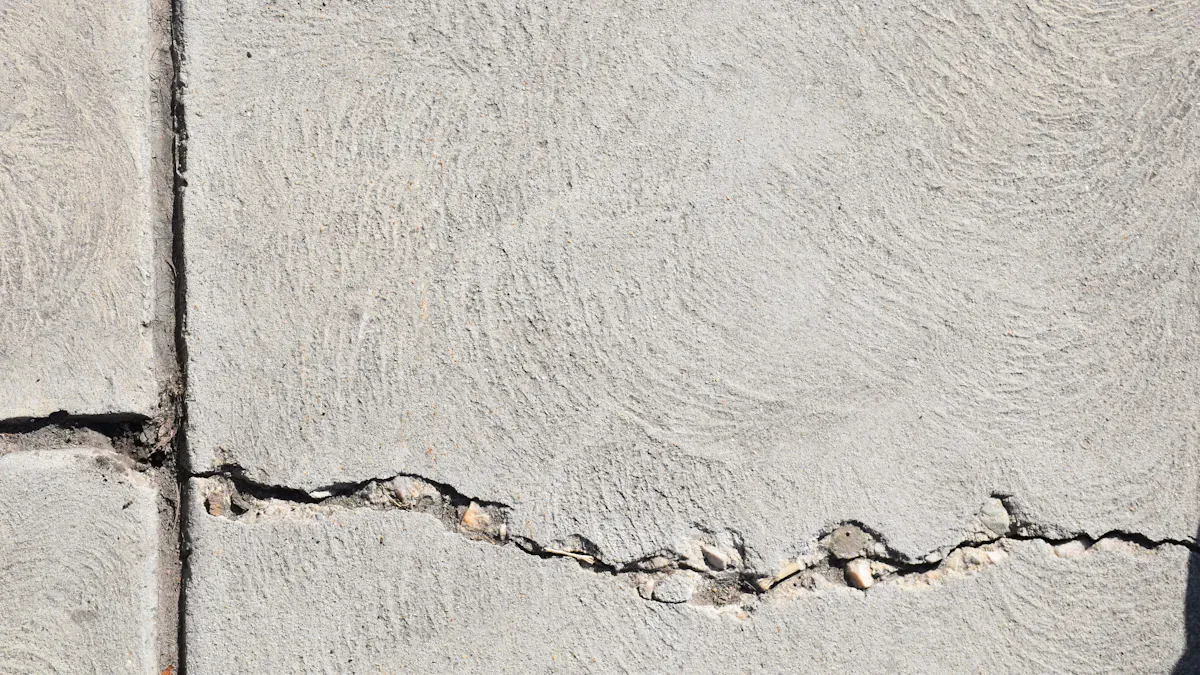
One of the most common complaints about polished concrete floors is their coldness. When you walk on them, you might feel a chill, especially in colder months. This can be uncomfortable, particularly if you spend long periods standing, like when cooking or working at a standing desk. Here’s a quick look at some typical complaints regarding comfort:
Complaint | Explanation |
|---|---|
Cold and Hard Surface | Polished concrete floors can feel cold and firm, which may be uncomfortable for long periods. |
Slippery When Wet | The smooth surface can become slippery, especially in areas like kitchens and bathrooms. |
Noise and Echo | Large spaces with polished concrete can amplify noise, leading to discomfort in acoustics. |
If you prefer a warmer, softer surface, you might want to consider other flooring options.
Slipperiness Risks
Another significant concern with polished concrete is its slipperiness, especially when wet. The smooth finish can create a hazardous situation in areas prone to spills, like kitchens and bathrooms. To mitigate this risk, you can explore several anti-slip treatments:
Specialized coatings that create microscopic grooves enhance traction, even in wet conditions.
Regular cleaning helps maintain grip by removing debris.
Consistent maintenance can lead to a reduction in accident rates by over 50%.
While these solutions can help, you should still be cautious, especially in high-traffic areas.
Aesthetic Concerns
When it comes to aesthetics, polished concrete floors can present some challenges. While they offer a sleek, modern look, some people find them too industrial or cold for residential settings. Here’s how polished concrete compares to traditional flooring options:
Feature | Polished Concrete | Traditional Flooring (Hardwood, Tile, Carpet) |
|---|---|---|
Aesthetic Appeal | Sleek and modern, complements various interior styles | Often traditional, may not suit modern designs |
Maintenance | Low maintenance, requires minimal cleaning | Higher maintenance, requires regular upkeep |
Durability | Highly durable, ideal for high-traffic areas | Varies by material, may wear over time |
If you’re aiming for a cozy, warm atmosphere, you might find that polished concrete doesn’t quite fit the bill.
Maintenance Needs
While polished concrete is generally easy to maintain, it does require some effort to keep its appearance. Regular care is essential to preserve the polished finish. Here are some recommended practices:
Routine Cleaning: Regular cleaning prevents dirt and debris from damaging the surface. Daily dust mopping and periodic wet mopping with a pH-neutral cleaner are recommended.
Sealing and Coating: Applying a sealant protects the porous concrete from stains and moisture. Reseal as needed based on wear.
Preventative Measures: Use floor mats and furniture pads to reduce wear and conduct routine inspections for damage.
Periodic Deep Cleaning: Engage professional services for thorough cleaning and use floor scrubbers for tough stains.
Polishing and Refinishing: Regularly burnish and refinish to maintain shine and protect the surface.
While these maintenance tasks are straightforward, they do require your attention to keep your concrete floors looking their best.
Polished Concrete vs. Other Flooring
Comparison with Hardwood
When you compare polished concrete floors to hardwood, durability stands out. Polished concrete boasts an exceptional durability rating, making it ideal for high-traffic environments. In contrast, hardwood flooring, while beautiful, requires more maintenance and can be less durable. Here’s a quick look at how they stack up:
Flooring Type | Durability Rating | Maintenance Level | Comfort Level |
|---|---|---|---|
Polished Concrete | Exceptional | Very Low | Low |
Hardwood Flooring | High | Higher | High |
If you want a cost-effective flooring option that lasts, polished concrete is a smart choice.
Comparison with Tile
Polished concrete and tile flooring both offer durability, but they differ in maintenance and comfort. Polished concrete can last a hundred years or more, while tile typically lasts 10-20 years. Here’s a comparison of their features:
Feature | Polished Concrete Floors | Tile Flooring |
|---|---|---|
Longevity | Can last a hundred years or more in harsh environments | Generally lasts 10-20 years, depending on quality and maintenance |
Maintenance | Easy to maintain with minimal upkeep; requires regular sweeping and occasional mopping | Requires regular cleaning and may need grout maintenance, which can be labor-intensive |
Comfort | Hard surface can be uncomfortable for long periods; anti-fatigue mats recommended | Softer underfoot, providing more comfort for standing |
If you prefer a warmer feel, tile might be the better option, but polished concrete offers a sleek, modern look.
Comparison with Carpet
When it comes to carpet, polished concrete shines in terms of maintenance and longevity. Here’s how they compare:
Polished Concrete: Higher initial cost but offers long-term savings due to durability and low maintenance.
Carpet: Lower upfront cost but incurs higher long-term expenses due to cleaning and replacement needs.
Flooring Type | Initial Installation Cost | Long-term Maintenance Cost | Lifespan |
|---|---|---|---|
Polished Concrete | Higher | Minimal | |
Carpet | Lower | Higher (frequent cleaning and replacement) | Shorter lifespan, needs replacement every 5-10 years |
Polished concrete is a low-maintenance flooring option that can save you money in the long run, making it a wise investment for your space.
In summary, polished concrete floors offer a blend of durability, low maintenance, and aesthetic flexibility. They can be a cost-effective choice for both residential and commercial spaces. However, consider factors like comfort and slip resistance before deciding. Weighing these pros and cons will help you determine if polished concrete fits your needs.
Remember, polished concrete can last decades with minimal upkeep, making it a smart investment for your space!
FAQ
What are the best ways to maintain polished concrete floors?
To maintain polished concrete, sweep regularly, mop with a pH-neutral cleaner, and apply a sealant every few years.
Can I install polished concrete floors myself?
While DIY installation is possible, hiring professionals ensures proper techniques and finishes for the best results.
Are polished concrete floors suitable for outdoor use?
Yes, polished concrete can work outdoors, but consider slip-resistant treatments for safety in wet conditions.
See Also
Discover The Advantages Of BANDě Polished Concrete Floors
Transform Your Floors: Tips For Polished Concrete Care
Selecting The Ideal Polished Concrete Densifier For 2025
Mastering Concrete Floor Polishing With BANDě Solutions
Essential Guide To Concrete Sealers For Industrial Floor Protection
