

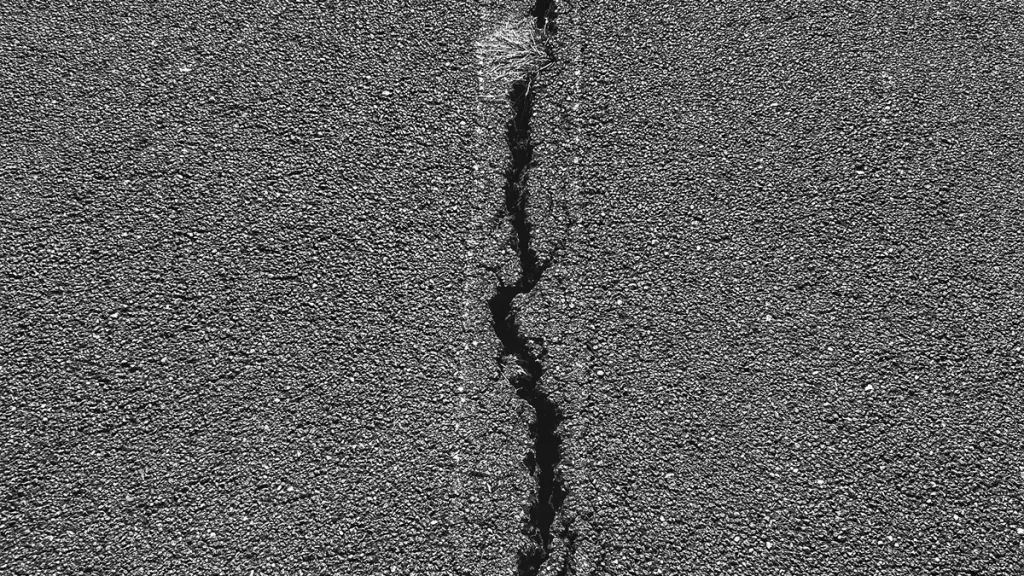
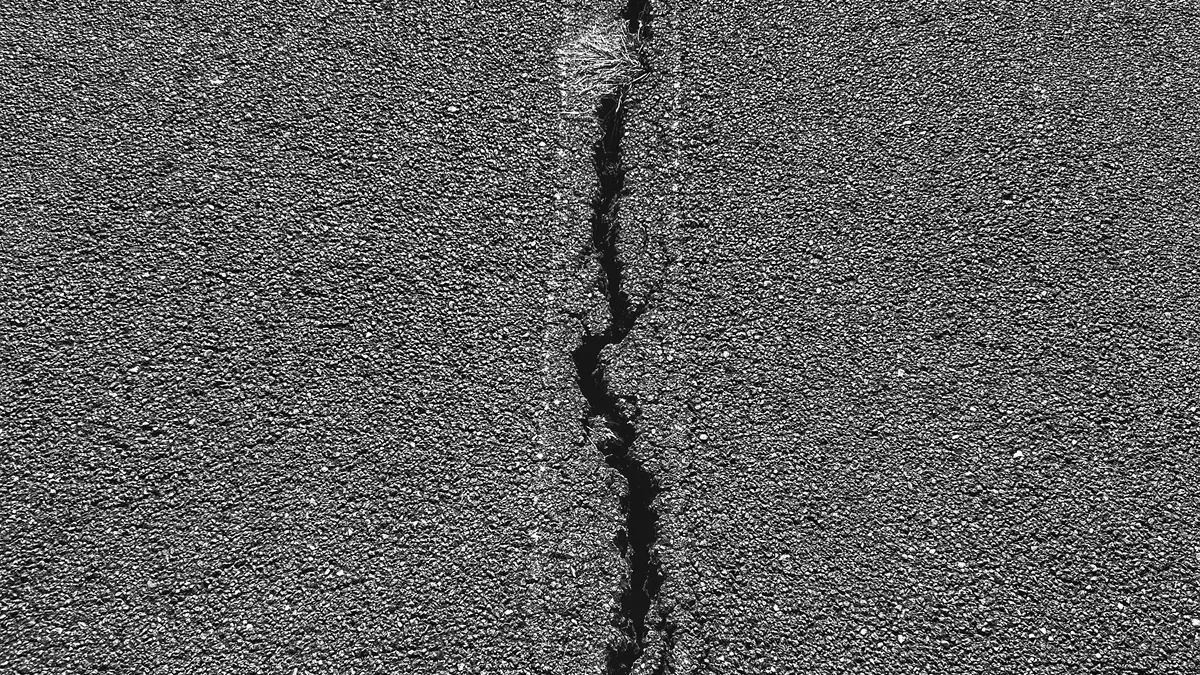
Choosing the right concrete crack sealer for your repair project is crucial. It helps maintain the strength and appearance of your concrete. Did you know that 85% of concrete structures crack within the first five years? Selecting the appropriate sealer can significantly extend the lifespan of your concrete. Quality sealers designed for specific weather conditions can prevent water infiltration and enhance resistance to wear and tear. As you evaluate your options, consider the types of cracks present and the specific repairs needed. This thoughtful approach will guide you in making an informed decision and safeguarding your investment.
Key Takeaways
Pick the right concrete crack sealer. This depends on how wide the crack is and the weather. This helps make good repairs.
Figure out what type of cracks you have: hairline, medium, or structural. Each type needs a different sealing method for the best results.
Think about using self-healing sealers for small cracks. They help you fix less often and are good for the environment.
Act fast to seal cracks. Quick action stops water damage and saves money on repairs later.
Stay away from common mistakes like using hydraulic cement. This can cause cracks to come back because it does not stick well.
Types of Concrete Cracks
Hairline Cracks
Hairline cracks are very thin. They are less than 1/16 inch wide. These cracks show up on concrete surfaces. They are usually just cosmetic. They don’t mean there are big structural problems. Hairline cracks happen because of:
Concrete shrinking when it dries. This is due to losing moisture fast, especially in hot places.
Bad installation, like not packing soil well or using too much water in the mix.
Temperature changes that make concrete expand.
Sandy soil moving under the slab.
High water levels and pressure from lots of rain.
Soil washing away under the slab.
Tree roots pushing against the slab.
Hairline cracks might not seem bad. But they can cause bigger problems if ignored. Water can get into these cracks. This can cause more damage later. Fixing hairline cracks is hard, especially where there’s lots of water or rain. Watch these cracks for growth or water getting in. You might need a professional to check them.
Medium Cracks
Medium cracks are wider than hairline cracks. They are between 1/16 and 1/8 inch wide. These cracks can mean bigger problems, like the foundation settling or moving. Medium cracks happen because of:
Soil settling under the concrete.
Moisture levels changing in the ground.
Temperature changes causing concrete to expand and shrink.
Fix medium cracks quickly. If ignored, they can become bigger cracks. This can lead to structural issues. Fixing medium cracks usually means using a concrete crack sealer. This sealer bonds with the concrete around it. It helps fix the concrete and stops more damage.
Structural Cracks
Structural cracks are the worst type of concrete cracks. They are wider than 1/8 inch. They can run in a straight line. These cracks often appear near corners of doors, windows, or foundations. Structural cracks mean parts of the building are moving. If you see structural cracks, check how bad they are. If not fixed, they can cause:
Weak structure, which can fail.
Less ability to hold weight.
Engineers look at structural cracks by their width and effect on the building. Cracks wider than 1/8 inch need quick attention. If you think there are structural problems, ask a professional. They can check it out and suggest how to fix it.
Knowing the types of concrete cracks helps you pick the right fix. Whether dealing with hairline, medium, or structural cracks, choosing the right crack sealer is key. It keeps your concrete strong and looking good.
How to Choose the Right Concrete Crack Sealer for Your Repair Project
Picking the right concrete crack sealer for your repair project means looking at the width of the cracks and thinking about the environment. These factors help you find the best sealer for your needs.
Evaluating Crack Width
Knowing the width of the cracks is important for choosing the right sealer. Different widths need different sealing methods. Here’s a table that shows how to evaluate crack width:
State DOT | Recommended Actions | |
|---|---|---|
Delaware | 1.6 to 6.4 mm | Seal to fix moderate cracks |
Kentucky | Condition rating 6+ | Seal if problems are less than 10% |
NYSDOT | > 0.18 mm (working) | Use epoxies or HMWM |
Frosch et al | 0.025 to 3.2 mm | Seal right away |
Crack width affects which sealer you should use. For example, wider cracks may need sealers that stick better and go deeper. Here’s how crack width impacts water absorption:
When fixing concrete cracks, think about using BANDě Cement Crack Sealer (Self-Healing Type). It works well by creating a self-healing network in the concrete, making it good for different crack widths.
Considering Environmental Factors
The environment is very important for how well concrete crack sealers work. Temperature and moisture can change how fast sealers dry and how strong they bond. Research by Johnson et al. shows that high temperatures can slow down drying and penetration, while low temperatures can make drying take longer, leading to seepage problems. Sprinkel’s tests found that gel time gets shorter when temperatures rise, which is important for how well the sealer works. Rodler’s studies showed that high temperatures can weaken the bond and how deep the sealer goes.
Different climates affect how long sealers last. Here’s a table with key points:
Climate Type | Recommended Sealants | |
|---|---|---|
Desert | Very hot, UV exposure, surface temperatures over 70°C | Silicone sealants, BoPin 380 Weather-Resistant Facade Sealant |
Tropical | High humidity, strong UV, needs anti-fungal protection | Moisture-cure sealants like silicones and MS polymers |
Temperature-Cycling | Big daily/seasonal temperature changes, needs flexibility and good sticking | Sealants that can move a lot |
For the best results, pick a sealer that fits your environment. BANDě Cement Crack Sealer (Self-Healing Type) is great for many climates, providing good compatibility with cement and strong bonding.
By checking crack width and thinking about environmental factors, you can choose the right concrete crack sealer for your repair project. This way, you ensure it lasts and protects your investment.
Concrete Crack Repair Options
When fixing concrete cracks, you have many choices. Each type of sealer has its own benefits and downsides. It’s important to pick the right one for your needs.
Self-Healing Sealers
Self-healing sealers are a new option for fixing concrete cracks. They create a network inside the concrete that can fix cracks by itself. This type of sealer is good for the environment. It cuts down on how often you need repairs and lowers carbon emissions. You can save 30–70 kg of CO₂ for every cubic meter over time. But self-healing sealers have some limits. They only work for cracks smaller than 300 µm and need moisture to function. Bacterial concrete is eco-friendly but can take weeks or months to heal. It also depends on the weather.
Epoxy and Polyurethane Sealers
Epoxy injection is great for fixing structural issues. It has strong bonding power and stiffness, making it perfect for repairing foundation walls. On the other hand, polyurethane injection is flexible. It can move with the concrete, making it good for sealing non-structural cracks and leaks. Polyurethane can expand and shrink, which helps prevent new cracks and keeps a strong seal. When choosing between these, think about what your project needs. Use epoxy for structural cracks and polyurethane for small or hairline cracks.
Flexible Caulks
Flexible caulks are useful for fixing concrete cracks. They stick well to rough surfaces and can bend with natural movements. This helps them handle temperature changes and moisture. They are great for outdoor areas like driveways and patios. Flexible caulks work well for sealing hairline cracks and spalls. They can handle 10 to 15% movement of the joint width. They perform well in extreme temperatures and dry quickly, allowing for fast use. With strong adhesion, they don’t need a primer, making them easy to use for both inside and outside jobs.
By knowing these repair options, you can choose the best concrete crack filler for your project. Whether you go with self-healing sealers, epoxy injection, polyurethane injection, or flexible caulks, each choice has unique benefits to fit your repair needs.
Summary of Repair Options
Picking the right concrete crack sealer is very important for your repair project. Here’s a quick look at the different sealers and when to use them:
Self-Healing Sealers:
Best for small, stable cracks.
They fill cracks with a special resin that keeps out water and harmful things.
Great for cutting down on repairs and reducing carbon emissions.
Epoxy Sealants:
Ideal for serious structural cracks.
They bond strongly, bringing back the original strength of the concrete.
Use these for important repairs where stability matters.
Good for moving cracks because they are flexible.
They can stretch and shrink without losing their grip.
Best for places that move, like driveways and patios.
Flexible Caulks:
Perfect for hairline cracks and surface issues.
They handle temperature changes well and dry fast.
Use them for repairs inside and outside.
Here’s a table showing which sealers work best for different crack types:
Crack Type | Suitable Sealants | Notes |
|---|---|---|
Wide cracks (over 6mm) | Multi-stage repair with backer materials and compatible sealants | Shows possible structural problems; needs an engineering check. |
Dynamic cracks | Polyurethane sealants, Silicone sealants, MS polymer sealants | Must stretch and compress without losing grip. |
Structural cracks | Epoxy sealants | Bonds concrete strongly, perfect for restoring original strength. |
Surface damage | Polymer-modified patching compounds followed by flexible sealants | Improves grip and flexibility, reduces shrinkage, and makes it last longer. |
By knowing these options, you can choose the best sealer for your concrete crack repairs. Each type of sealer has special benefits for different situations, helping your repairs last longer and work better.
Choosing the right concrete crack sealer is very important. It helps make repairs last longer. Think about these things:
Thermal Expansion: Make sure the sealer expands like the concrete. This helps it work better.
Environmental Conditions: Pick sealers that can handle bad weather. This stops water damage.
Curing Time: Different sealers dry at different times. This changes when you can use the fixed area.
Common Mistakes: Don’t use hydraulic cement. It is too stiff and doesn’t stick well. This can cause cracks to come back soon.
Look at what your repair needs are. Find out if there is structural damage. Match the filler to the size of the crack. Think about the weather. Asking a professional can help too. By knowing these things, you make sure your concrete lasts longer. You also avoid spending a lot on repairs.
FAQ
What is the best type of concrete crack sealer for hairline cracks?
For hairline cracks, use a flexible caulk or a self-healing sealer. These choices fill small gaps well and stop water from getting in.
How long does it take for concrete crack sealers to dry?
Drying time depends on the product and the weather. Usually, most sealers dry in 24 hours, but some need more time to cure.
Can I apply concrete crack sealer in cold weather?
It is not a good idea to apply sealers in cold weather. Low temperatures can slow down curing and weaken the bond.
How do I prepare the surface before applying a crack sealer?
First, clean the crack well by removing dirt, dust, and loose concrete. You can use a wire brush or vacuum to make the surface smooth for better sticking.
Is it necessary to seal cracks immediately after they appear?
Yes, sealing cracks quickly helps stop water damage and further problems. Acting fast can save you from expensive repairs later.
See Also
Selecting The Ideal Cement Crack Sealer For Your Needs
A Comprehensive Guide To Finding The Right Concrete Sealer
Discovering The Most Suitable Concrete Sealer For You
